
Best Amplifier for 6 Ohm Speakers for 2026: Which One Fits the Way You Use It?
Disclosure: We may earn a commission when you buy through links on this page, at no extra cost to you. As an Amazon Associate I earn from qualifying purchases. Learn more

Discover the best amplifier for 6 ohm speakers for your needs. We match features to real use cases so you avoid overpaying and get the right fit the first time.
There is no single amplifier that suits every listener, because a 6 ohm speaker in a small bedroom asks very different things of an amp than the same speaker in a large family room. The best amplifier for 6 ohm speakers in your home is the one whose power, inputs, and size match the way you actually listen. This guide starts with your use case, then explains the specs that matter, so you can compare the comparison table below with a clear checklist in hand.
Six ohm speakers sit between the very common 8 ohm models and the more demanding 4 ohm designs. Most modern amplifiers handle them comfortably, but ratings, heat, and headroom still separate a good match from a frustrating one.

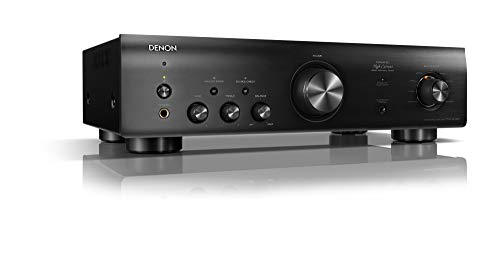
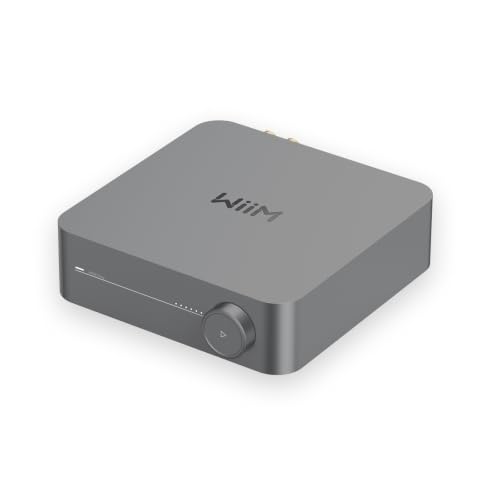
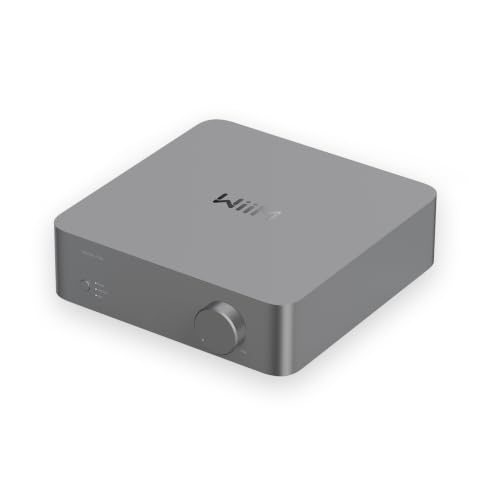
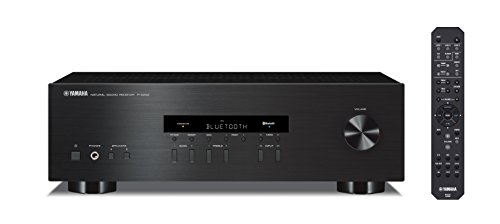


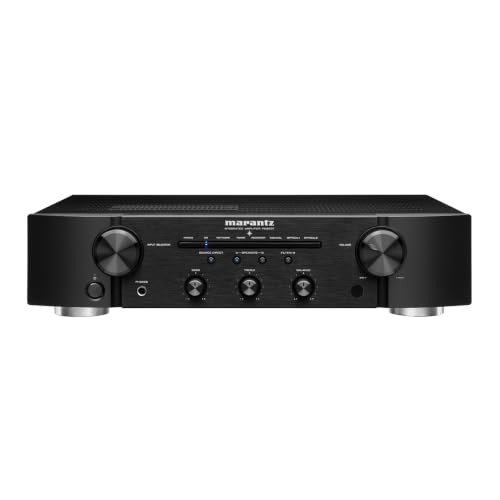
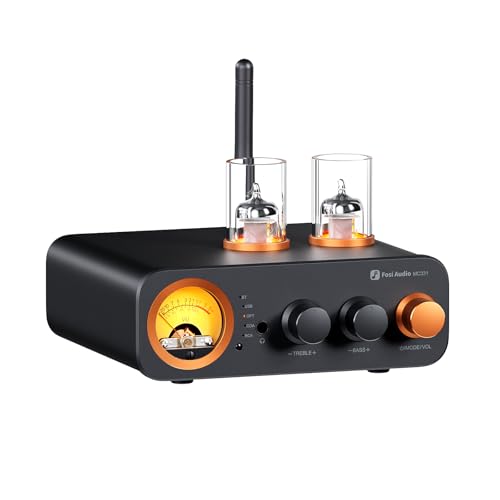
Who Should Buy the Best Amplifier for 6 Ohm Speakers?
Start by naming your main use, because it decides which features deserve your money and which ones you can safely skip. The four groups below cover most buyers, and each one points to a different kind of amplifier.
For Movie and Game Rooms
If your speakers anchor a TV setup, you need an amplifier or receiver with an HDMI ARC or eARC input so the TV remote controls volume. Look for clean power of about 50 to 100 watts per channel into 6 ohms, plus a subwoofer output if you plan to add bass support later. Low heat matters in a closed cabinet, so check ventilation space. Gamers should also confirm the unit passes the video signal their console needs without adding delay.
For Compact and Desktop Setups
Near a desk or in a small apartment, a compact integrated amplifier saves space and still drives 6 ohm bookshelf speakers well at close range. About 30 to 60 watts per channel is plenty when you sit a few feet away. Prioritize a good volume control that stays balanced at low levels, a headphone jack for late listening, and a small footprint that leaves room for airflow on a shelf or desk.
For Music First Listening Rooms
If music is the priority, spend on a stereo integrated amplifier with a strong power supply and honest ratings rather than on extra channels you will never use. Current delivery matters more than a big watt number, because 6 ohm speakers draw more current than 8 ohm models at the same volume. A built in DAC, a phono input for a turntable, and tone controls you can bypass are practical extras worth paying for here.
For Students and Everyday Users
For a first system or a shared living room, a simple and reliable amplifier beats a feature packed one you never fully set up. Bluetooth streaming, one or two wired inputs, and a remote cover most daily needs. Budget roughly under $250 for this tier and put the money you save into speaker placement and decent cables. If you are comparing formats, our guide to the best amplifier for speakers explains how integrated amps and receivers differ in plain terms.
Key Features to Compare
Spec sheets look intimidating, but only a handful of numbers decide whether an amplifier suits 6 ohm speakers. Work through the points below and you will read any product page with confidence.
Features That Matter for 6 Ohm Speakers
The single most useful spec is the power rating stated at 6 ohms, or a rating range that lists 4 to 8 ohms as supported. An amplifier rated only at 8 ohms may still work, but one that publishes a 6 ohm or 4 ohm figure is telling you its power supply and output stage can handle the extra current. Look for about 40 to 100 watts per channel for most rooms, total harmonic distortion under 0.1 percent at rated power, and a damping factor above 50 for firm bass control. If your speakers might change later, note that the best amplifier for 4 ohm speakers needs even stronger current delivery, so buying headroom now can save a second purchase.
Power Supply and All Day Reliability
Home amplifiers plug into the wall, so there is no battery to manage, but the power supply inside does the same job of storing and delivering energy on demand. A heavier unit with a generous transformer usually holds its composure during loud passages better than a featherweight one with a similar watt claim. Check the standby power draw if the amp stays on all day, and leave at least two inches of clear space above the vents. Heat is the main long term enemy of amplifier parts, and free airflow is the cheapest protection you can give any model.
Sound Quality and Tuning
Sound quality with 6 ohm speakers depends on how the amplifier behaves as impedance changes across the frequency range, not just on one watt figure. A low output impedance keeps the speaker response close to what its designer intended, so bass stays tight and treble stays even. Useful tuning tools include balance control, loudness compensation for low volume listening, and a simple bass and treble pair. Avoid judging by frequency response numbers alone, since almost every modern amplifier measures flat across the audible range on paper.
Build Quality and Ventilation
Amplifiers live indoors, so water resistance ratings are not part of the decision the way they are for portable gear. What matters instead is build quality: a metal chassis that does not flex, binding posts that grip wire firmly, and vents placed where rising heat can escape. Dust is the quiet threat in most rooms, so keep the top vents clear and wipe them with a dry cloth every few months. If the amp will sit inside furniture, measure the space first and allow room for cables to bend behind the unit.
Ecosystem and App Features
Many amplifiers now include streaming over WiFi or Bluetooth, a control app, and firmware updates that fix bugs or add services. These extras help if you listen from a phone most days, and multipoint Bluetooth lets two phones stay connected in a shared home. Check which streaming services the platform supports before you buy, because ecosystems differ and features can change over time. If you prefer a screen and full surround processing later, our guide to the best receiver for 6 ohm speakers covers that route in detail.
Common Mistakes to Avoid When Buying Amplifiers
- Judging by watts alone. A clean 50 watt amplifier with a strong power supply often sounds better with 6 ohm speakers than a weak 120 watt design with inflated ratings.
- Ignoring the impedance range. If the manual never mentions 6 ohms or lower, the amp may run hot or shut down during loud scenes.
- Buying far more than the room needs. Overspending on power you cannot use leaves nothing for a subwoofer, stands, or room treatment that would improve sound more.
- Skipping the warranty and return terms. Amplifiers are long term purchases, so confirm the warranty length and keep the box until you are sure the match works in your room.
- Forgetting the basics of impedance. A quick read of our guide to the best ohms for speakers will make every spec sheet easier to judge.
Setup and Care Tips
Wire both speakers with the same length of cable, keep the runs away from power cords where you can, and double check polarity so the red terminal on the amp meets the red terminal on each speaker. Start at low volume after any change and raise it slowly while you listen for distortion. Keep firmware updated if your model supports it, dust the vents regularly, and never stack other gear directly on top of the amplifier. If the unit ever feels very hot to the touch or shuts itself off, lower the volume and improve airflow before using it again.
FAQs
What features matter most in amplifiers for 6 ohm speakers?
A published power rating at 6 ohms or lower matters most, because it proves the amplifier can supply the current these speakers draw. After that, look at input options for your sources, a subwoofer output if you want one, and enough ventilation space. Around 40 to 100 watts per channel covers most rooms, and a distortion figure under 0.1 percent at rated power signals a clean design.
Wired or wireless: which sounds better?
A wired connection sounds better in most setups because it carries the full signal without compression or dropouts. Bluetooth is fine for casual listening from a phone and modern codecs sound close, but a cable or a WiFi stream keeps the finest detail intact. Many buyers use both: wired for focused listening and wireless for background music during the day.
What protection do I need for indoor amplifier use?
You do not need a water resistance rating for a living room amplifier, but you do need protection from heat, dust, and power surges. Place the unit on an open shelf, keep drinks away from the vents, and plug it into a surge protector rather than a cheap power strip. If the amp ever goes into protection mode, switch it off, check for stray wire strands at the terminals, and let it cool fully.
How much power do 6 ohm speakers really need?
Most 6 ohm speakers play loudly in an average room with about 50 watts per channel, and doubling power only adds a modest step in maximum volume. What you hear as effortless sound comes from clean current delivery at everyday levels, not from a huge rating. If your speakers have a sensitivity around 87 dB or lower, or your room is large, aim toward the upper part of the 50 to 100 watt range.
Can I use one amplifier for both music and TV?
Yes, and it is often the simplest setup in the house. Choose an amplifier with an HDMI ARC input or an optical input for the TV, plus Bluetooth or a streaming input for music. Dialogue clarity improves further if you add a subwoofer and set its level carefully. This single box approach keeps remotes and cables to a minimum while covering both jobs well.
Do I need special speaker cable for 6 ohm speakers?
No special cable is required, but gauge matters more as runs get longer and impedance drops. For runs under about 25 feet, 16 gauge copper wire is fine for 6 ohm speakers. For longer runs or a large room, 14 gauge keeps resistance low and protects bass control. Avoid very thin wire sold for small satellite speakers, and make sure every strand is captured inside the terminal.
Wrapping Up
Match the amplifier to your main use first, confirm it publishes a rating at 6 ohms or lower, and leave it room to breathe. Those three checks will steer you past most bad purchases. Compare your shortlist against the product table above, and remember that the best amplifier for 6 ohm speakers is the one that fits your room, your sources, and your budget without strain. Buy once, set it up carefully, and enjoy the system for years.


