
Best Amplified Speakers: Matching the Right Model to Your Routine for 2026
Disclosure: We may earn a commission when you buy through links on this page, at no extra cost to you. As an Amazon Associate I earn from qualifying purchases. Learn more
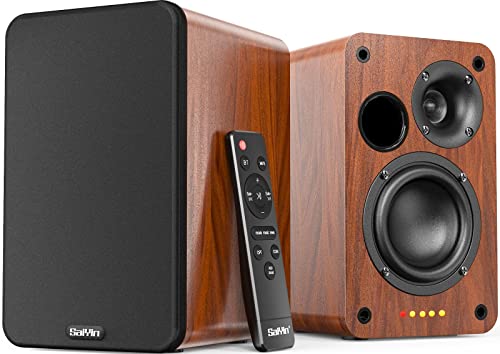
Not all amplified speakers fit every routine. See which best amplified speakers match how you actually use them, what features to prioritize, and what to skip.
Amplified speakers put the amplifier inside the speaker cabinet, so you skip a separate receiver and go from source to sound in a few steps. That simplicity suits many homes, but routines differ: a traveler needs portability, a remote worker needs clear calls, and a gamer needs sound that keeps pace with the screen.
There is no single winner for every room, so this guide matches the best amplified speakers to the way you actually live and listen. You will see which type fits each routine, which features deserve your money, and which extras you can skip, and you can compare options in the comparison table below.

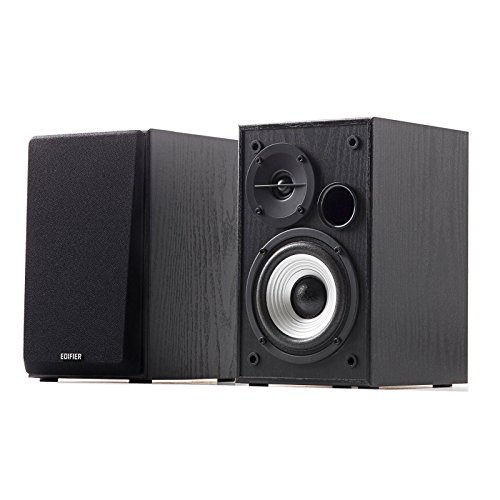


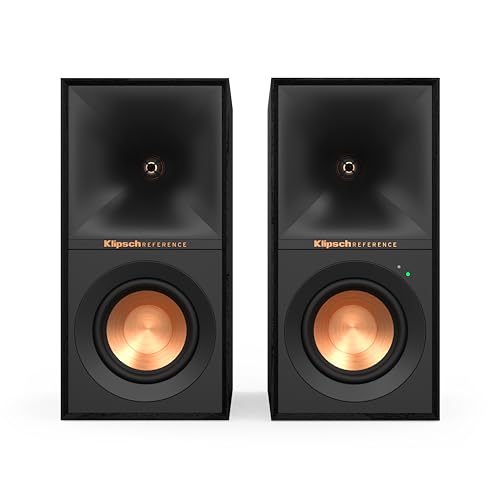

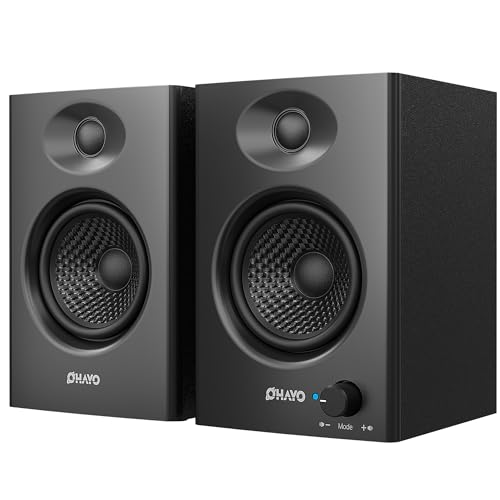


Who Should Buy Which Amplified Speakers?
For Travelers and Commuters
Travelers and commuters should look for compact amplified speakers that pack easily, charge or plug in simply, and survive being moved often. A smaller single speaker or a light pair works well in hotel rooms, rentals, and shared flats where volume must stay polite. Battery power matters most for this group, along with a tough cabinet.
Be realistic about sound at this size. A travel speaker gives you clear podcasts and pleasant music, not deep bass or wide stereo. If portability is your main need, our guide to the best portable amplified speakers focuses on size, weight, and runtime trade offs for life on the move.
For Remote Workers and Creators
Remote workers need speakers that make voices easy to follow for hours without fatigue. A bookshelf style pair at ear level on your desk, with a clean midrange and front controls, serves calls, training videos, and background music better than a loud portable unit across the room.
Creators should add honest tuning to that list. If you edit audio or video, a neutral speaker reveals flaws instead of hiding them, and a headphone output lets you double check details. Explore shelf sized options in our guide to the best amplified bookshelf speakers if your desk or studio is your main listening place.
For Students and Everyday Users
Students and everyday users do best with simple, stable, good value speakers that just work each morning. A compact pair with USB or Bluetooth input covers lectures, streaming shows, and music in a dorm or first apartment. Controls on the speaker itself beat app only controls when you are in a hurry.
Longevity is the quiet priority here. Choose solid build quality, a clear warranty, and cables you can replace cheaply if one fails. You sit close, so modest power is plenty, and money saved on watts you never use can fund a better chair, lamp, or headphones for late night study.
For Gamers and Power Users
Gamers and power users should insist on wired connections for their main system, because wired links keep delay near zero and sound locked to the action. Clear dialogue, controlled bass, and a headphone jack for late sessions are worth more than decorative lighting or long Bluetooth feature lists.
Power users who switch between a PC, a console, and a TV should count inputs before anything else. A speaker that handles all three sources without cable swapping will feel premium every day. If your gaming happens at a computer, our guide to the best amplified computer speakers covers desk specific fit and delay in detail.
Key Features to Compare in the Best Amplified Speakers
Ecosystem and App Features
Some amplified speakers offer companion apps with EQ presets, input naming, and firmware updates. Used well, an app lets you store one setting for films and another for calls, then switch from your seat. Check that the maker still updates the app and that reviews do not report frequent connection failures.
Keep your standards firm: volume, power, and input choice must work on the speaker itself, with no phone required. A system that needs an account before it plays a wired source adds friction you will feel daily. Treat smart extras as a bonus and judge core sound and build during your return window first.
Sound Quality and Tuning
Judge sound with material you know: one song with clear vocals, one with deep bass, and one quiet passage. Good amplified speakers keep voices forward, bass notes distinct rather than boomy, and high notes smooth at the volume you use most. Driver size hints at bass reach, with larger woofers generally sounding fuller in bigger rooms.
Frequency response numbers help only when read honestly. A range quoted with a wide tolerance can flatter a small speaker, so use specs to shortlist and ears to decide. Placement helps every model: raise speakers toward ear level, give rear ports space from walls, and angle the pair toward your main seat.
Durability and Water Resistance
Durability needs differ sharply by routine. A living room pair needs stable cabinets and protected drivers, while a speaker that travels or works on a patio needs a stated IP rating and sealed controls. IP67 on a portable model signals strong dust and water protection for outdoor sessions, when the maker states it plainly.
Do not pay for rugged features your routine never uses. Indoor listeners gain more from solid terminals, firm knobs, and a finish that cleans easily. Whatever you choose, keep indoor models dry, and dry any portable speaker fully before charging it after a wet day outside.
Microphone Quality
Microphone quality matters only on amplified speakers that include a mic for calls or voice control, which many music focused models do not. If you take calls through your speakers, test how you sound to others in your actual room: a mic that picks up echo and keyboard noise will annoy your team quickly.
For gaming chat and meetings, a separate headset mic usually beats a speaker mic by a wide margin, because it sits close to your mouth and rejects room noise. Buy speakers for sound first, and treat a built in mic as a convenience for quick calls rather than your main meeting tool.
Connectivity: Bluetooth Version, Codecs, Wired
Wired inputs form the reliable core of most setups. RCA, optical, USB, and 3.5 mm links deliver stable sound with no pairing steps, and optical or USB suits TVs and computers especially well. If a speaker will serve one main source for years, a wired link is the calmest choice you can make.
Bluetooth adds easy phone and guest access. Newer versions hold a connection across a room more steadily, codecs such as AAC and aptX can improve clarity with matching devices, and multipoint pairing lets two devices stay connected. For self powered designs under another common name, see our guide to the best self amplified speakers for terminology and setup notes.
Common Mistakes to Avoid When Buying Amplified Speakers
- Choosing by price alone and ending up with speakers too small for your room or too large for your desk.
- Skipping the ecosystem check, then learning that basic controls require an app or account you dislike using.
- Counting only peak watt claims instead of RMS ratings, driver size, and how the set sounds at your normal volume.
- Ignoring input counts, so a TV, computer, and phone cannot all stay connected the way your routine demands.
- Forgetting warranty and return terms, even though tuning taste is personal and only home listening settles it.
Tips to Get the Most From Your Amplified Speaker
Start with placement before settings. Put speakers at ear height where you listen most, angle them toward that seat, and keep them clear of corners that exaggerate bass. Then set volume to a level you can enjoy for an hour without strain, because ears tire quietly and tired ears judge sound poorly.
Keep firmware current on app enabled models, since updates often fix Bluetooth and input bugs. Dust cabinets and drivers with a soft dry cloth, keep cables untangled so connectors are not strained, and store travel models in a padded case. Small habits like these keep a good system sounding good for years.
Amplified Speakers: Your Questions Answered
What IP rating do I need for outdoor use of amplified speakers?
For indoor use you need no IP rating at all. For regular outdoor use, choose a portable model the maker rates for water exposure and still keep charging ports closed and dry while it plays. Shelf and bookshelf models belong indoors even if they feel sturdy, because their vents and terminals are open to moisture.
How long does the battery last on amplified speakers?
Battery life applies only to portable amplified speakers, since most home models plug into wall power and run without limit. Portable runtimes vary with volume, and loud outdoor play can cut a maker claim sharply. A useful habit is to charge after long sessions and carry a cable on trips, so a low battery never ends an evening early.
Wired or wireless: which sounds better for amplified speakers?
Wired sound is usually better and always steadier, with no compression and no dropouts across a room. Wireless wins when freedom matters more than the last bit of clarity, such as phone playback while you cook. Many happy owners use both: wired for the main source, Bluetooth for quick shares and guests.
How much power do amplified speakers need?
For a desk or small room, 20 to 60 watts RMS is enough. Larger rooms benefit from more headroom, but clean sound at your normal volume matters more than a big number on the box. Look for RMS ratings rather than peak claims.
Can I add a subwoofer later?
Many pairs include a subwoofer output, which lets you add deeper bass without replacing the speakers. If you want one, check for that output before buying, and keep the subwoofer level modest so voices stay clear.
The Bottom Line
Match the speaker type to your routine, then verify inputs, honest power, and a tuning you can enjoy for hours. Travelers need portability, workers need voice clarity, students need simple value, and gamers need wired speed. Use the product table above to compare the best amplified speakers for your room and budget, and let a few favorite songs at home make the final call.


