Best Amplified Computer Speakers: Which One Fits the Way You Use It for 2026?
Disclosure: We may earn a commission when you buy through links on this page, at no extra cost to you. As an Amazon Associate I earn from qualifying purchases. Learn more

The best amplified computer speakers depend on how you use your desk. See which features matter for gaming, study, calls and editing.
There is no single speaker set that suits every desk. A gamer needs fast clear cues and strong dialogue, a student needs reliable sound on a tight budget, and a remote worker needs voices that stay crisp through long calls. Amplified speakers, with the amp built in, promise simple setup, but size, inputs, and tuning still vary a lot.
This guide matches the best amplified computer speakers to real routines so you can buy once and settle in. You will learn which features matter for your use, which ones you can skip, and how to set a desk system up well, and you can compare options in the comparison table below.
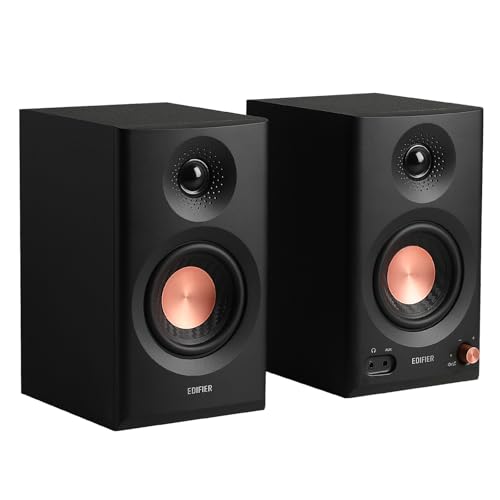


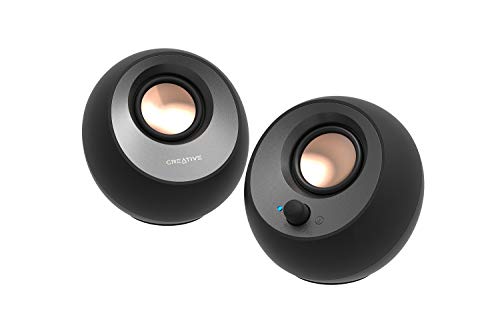
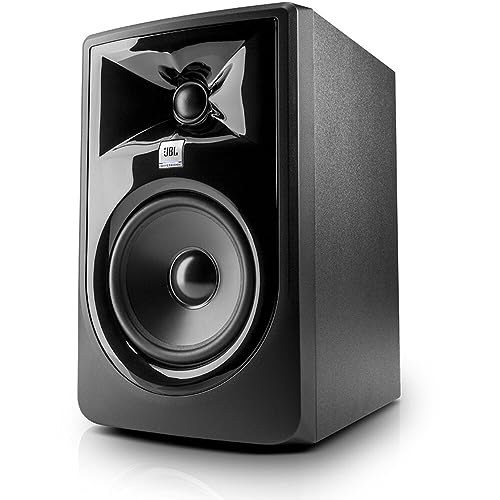
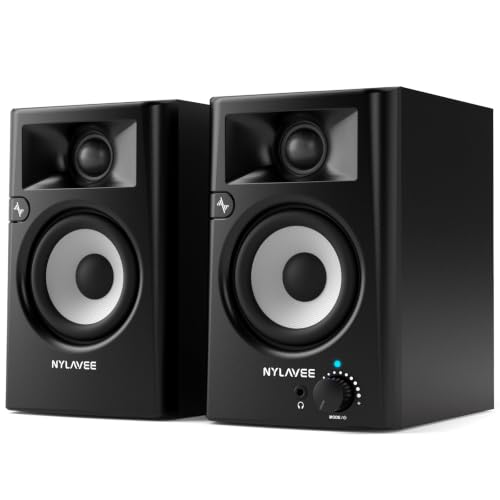
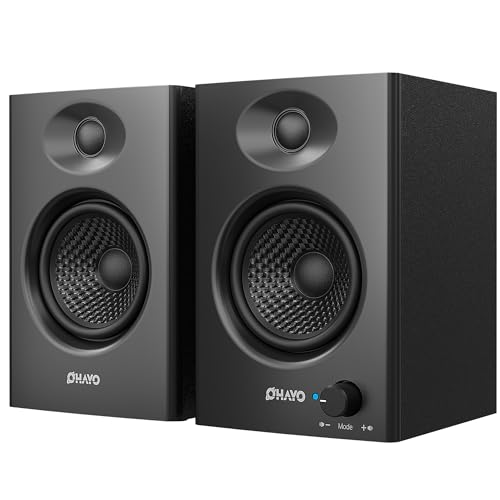

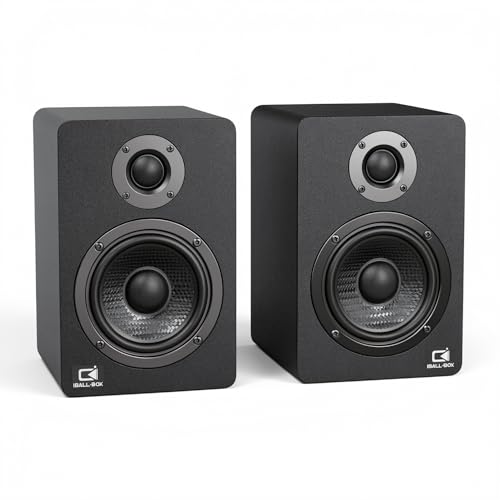

Who Should Buy Which Amplified Computer Speakers?
For Gamers and Power Users
Gamers should prioritize low delay wired connections, clear midrange for dialogue, and bass that adds impact without masking footsteps or callouts. A set with a dedicated headphone jack and easy volume control helps during late sessions, and a subwoofer output or included sub adds scale for films and open world games.
Power users with large monitors should also check physical fit. Wide speakers can crowd a multi screen desk, and rear ports need space from the wall to breathe. If gaming is your main use, our dedicated guide to the best computer speakers for gaming goes deeper on delay and surround options.
For Students and Everyday Users
Students and everyday users need stable sound, simple controls, and a price that leaves room in the budget for other gear. A compact two speaker set with USB or 3.5 mm input covers lectures, music, and video calls at most desks. Bluetooth is a nice extra for phone playback in a dorm room.
Reliability matters more than raw power here, because you sit close and rarely need room filling volume. Look for solid cables, a clear warranty, and controls placed where you can reach them. Shoppers working with a strict budget can compare value options in our guide to the best inexpensive computer speakers as a starting point.
For Remote Workers and Creators
Remote workers live on calls, so voice clarity is the top trait. Choose speakers with a forward, clean midrange and modest bass that does not make voices sound boomy through a webcam mic. Front facing controls and a mute friendly volume knob save daily friction, and tidy cables keep a video background looking professional.
Creators editing video or podcasts need honest tuning above all. A neutral set reveals problems in a mix instead of flattering them, and a headphone output lets you cross check details. If you record in the same room, keep speakers on pads and at ear level so reflections do not blur your judgment.
Key Features to Compare
Sound Quality and Tuning
Sound quality at a desk is mostly about clarity at close range. Driver size plays a role: larger woofers, around four inches, usually give fuller voices and music, while small two inch drivers can sound thin on films. A stated frequency response that reaches down to about 70 Hz suggests useful bass for a set without a sub.
Tuning style matters as much as specs. A neutral balance suits work and long listening, while a bass heavy tune can be fun for games but tiring for calls. If pure audio quality is your main goal, our guide to the best sounding computer speakers explains tuning trade offs in more depth.
Durability and Build Quality at the Desk
Computer speakers rarely need outdoor style water resistance, and most carry no IP rating at all. What protects your money instead is desk durability: cabinets that do not resonate, knobs that feel firm, and cables or connectors that survive being moved for cleaning. A set that buzzes at normal volume is failing at its basic job.
Check the power supply and port layout before you buy. A brick that hogs a power strip and ports hidden on the back panel create daily annoyance. If a speaker will travel between rooms often, choose a compact solid build and treat any exposed driver gently during moves.
Ecosystem and App Features
Most amplified desk speakers keep controls on the unit, which is a strength: no account, no app, no delay between you and the volume. Some newer models add app based EQ and firmware updates, which can help if you like to shape sound for music versus calls with saved presets.
Judge app features by whether the basics still work without them. Volume, input choice, and power should always respond on the hardware itself. Treat extras such as lighting control or voice assistants as bonuses, and spend your budget on drivers and amplification before paying for software flair.
Power, Charging, and Battery Reality
Nearly all amplified computer speakers draw power from a wall outlet or from USB, and they have no battery to charge. That is good news: output stays consistent, and you never plan around runtime. USB powered sets are the weakest group, fine for speech and casual video but limited for music at lively volumes.
Wall powered sets deliver more headroom and cleaner bass. Check that the watt rating is stated as RMS rather than a peak number, since peak figures flatter small systems. If you truly need a speaker away from outlets, buy a portable Bluetooth model as a second device instead of compromising your main desk setup.
Noise, Isolation, and Shared Spaces
Speakers do not offer noise cancelling the way headphones do, so managing a shared space is about volume habits and placement. Sit close and keep levels modest, and your sound stays clear to you while bothering others less. Aiming speakers at your ears rather than across the room also helps more than most buyers expect.
For very shared rooms, plan a headphone option alongside your speakers. Many sets include a front headphone jack that mutes the speakers when you plug in, which is ideal for dorms and home offices. That small feature often decides daily happiness more than a few extra watts of power.
Common Mistakes When Buying the Best Amplified Computer Speakers
- Judging by price or watt claims alone, without checking whether watts are RMS and whether voices stay clear at your normal volume.
- Ignoring desk fit, then discovering the speakers crowd your monitor or sit far below ear level on a cramped surface.
- Skipping the inputs check, so a new set cannot connect cleanly to your laptop, console, and phone the way you planned.
- Buying a large subwoofer set for a small shared room where you can rarely use its bass without complaints.
- Forgetting the warranty and return window, which matter because tuning taste is personal and only home listening reveals it.
Tips to Get the Most From Your Amplified Computer Speaker
Placement is your free upgrade. Raise speakers so tweeters sit near ear level, angle them toward your seat, and pull them a few inches from the wall to calm boomy bass. Foam pads or small stands also stop desk vibration from muddying quiet passages in music and film.
Keep levels sensible for your ears. If you listen all day for work, moderate volume protects both hearing and focus, and breaks help more than any setting. Dust drivers with a soft dry cloth, keep drinks a safe distance from open ports, and update firmware on app enabled models when the maker posts fixes. If you want deeper bass later, systems covered in our guide to the best computer speakers with subwoofer show what a sub adds at a desk.
Frequently Asked Questions
Wired or wireless: which sounds better at a computer desk?
Wired connections sound better and behave better at a desk, with stable quality and no delay for games or video. Wireless adds freedom for phone playback and fewer cables, which some tidy desks value. A practical compromise is a wired main link to your computer plus Bluetooth for guests, so daily work stays solid and sharing stays easy.
How much power do I need for desk speakers?
At a desk you sit close, so 20 to 60 watts RMS is plenty for most people. Clean sound at normal volume matters more than a large wattage figure, and an RMS rating is more honest than a peak number.
Do I need a subwoofer with amplified computer speakers?
Not for everyday use. A 2.0 pair with 3 to 4 inch drivers handles voices, music and video well. A 2.1 set with a subwoofer adds weight for films and games, but it needs more desk or floor space and can annoy neighbors at night.
Can I connect amplified computer speakers to a TV or console too?
Often yes. Look for optical, RCA or 3.5 mm inputs beyond USB, so one pair can serve your PC, a console and a TV. Count the inputs before you buy and note which cables are included.
Final Thoughts
Match the set to your routine first: gamers need delay free wired sound, students need simple value, and remote workers need voice clarity above all. Then confirm desk fit, inputs, and honest power ratings before you spend. Use the product table above to compare the best amplified computer speakers for your setup, and spend your first evening with placement and volume habits rather than extra gear.