
The Best Amp for Midrange Speakers: Buying Guide for 2026
Disclosure: We may earn a commission when you buy through links on this page, at no extra cost to you. As an Amazon Associate I earn from qualifying purchases. Learn more

A practical buying guide to the best amp for midrange speakers, with power matching, tuning tips, and clear criteria for clean, natural vocal sound.
Most of the music you love lives in the midrange: voices, guitars, piano, and the body of almost every instrument. When that region sounds muddy or harsh, no amount of bass or sparkle saves the experience. Choosing the best amp for midrange speakers means finding an amplifier that keeps that central band clean, steady, and natural at the volumes you actually use.
This guide explains how much power midrange focused speakers need, which specifications predict vocal clarity, and how amp types differ. The comparison table below collects current options, and the sections after it show you how to judge them for your room, your speakers, and your budget.
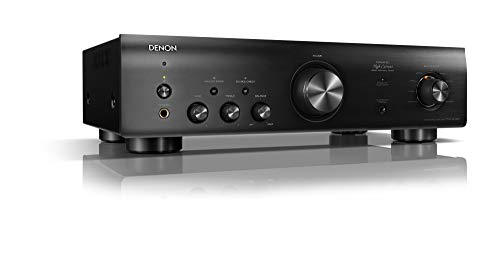


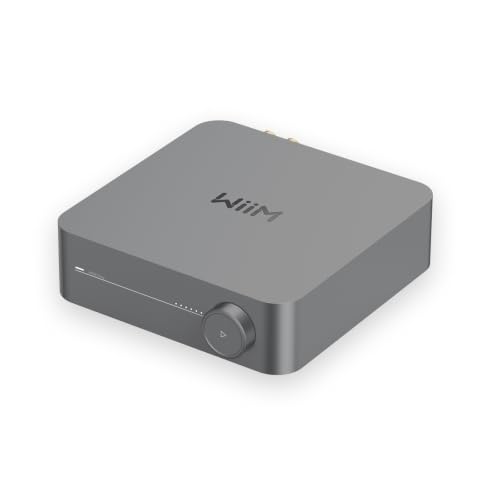
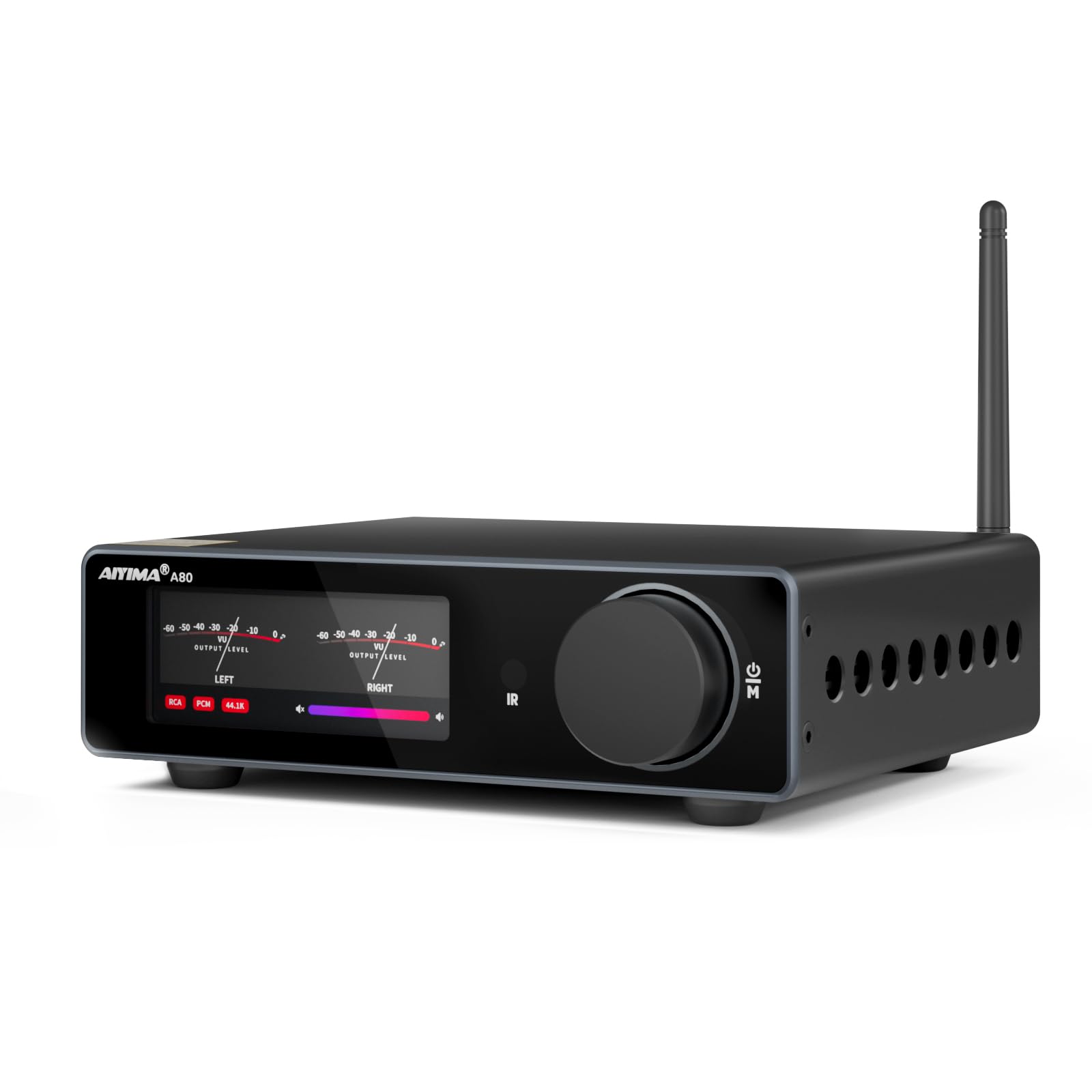
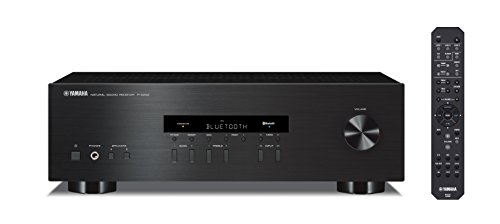
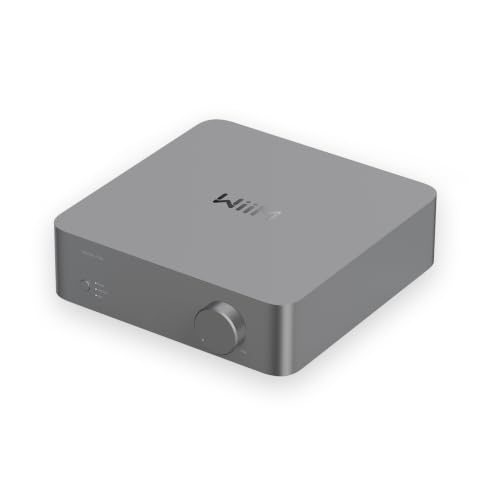
What Each Tier of Amp Delivers
Instead of chasing names, think in tiers. Each tier below describes what that level of amplifier reliably delivers for midrange speakers, who should buy it, and the compromise that comes with the price.
Overall Tier
The overall tier, around $250 to $500 for an integrated amp, balances power, low noise, and useful inputs. Expect roughly 60 to 100 watts per channel into 8 ohms, distortion figures low enough to keep voices free of grit, and a volume control that behaves well at low settings. This is the right home for most listeners with good bookshelf or floorstanding speakers, because the midrange stays composed on both quiet evening listening and full volume movie dialogue. It is also the tier where build quality stops feeling like a compromise.
Value Tier
Value amps, around $100 to $250, cover the essentials: honest power near 40 to 60 watts per channel, clean basics, and simple controls. You give up some refinement in the power supply, so dense passages with many voices can blur slightly sooner. For a bedroom, office, or first living room system, that trade is sensible, and the money saved can fund better speaker placement or a cleaner source. Just verify the rating is RMS into 8 ohms with both channels driven, not a single channel peak figure.
Upgrade Tier
Upgrade amps, around $500 to $1,200, buy refinement you hear most clearly in the midrange: lower noise, better channel separation, and power reserves that keep chorus and orchestra sorted at volume. Many add balanced inputs, a strong headphone stage, or a built in DAC of higher quality. Choose this tier if your speakers are revealing, your room is quiet, and you listen closely enough to notice when a singer steps forward in the mix. Casual background listening rarely justifies the jump on its own.
How to Choose the Right Amp: Buying Guide
Features That Matter for Midrange Speakers
Midrange clarity depends on low distortion in the 300 Hz to 4 kHz band and on a noise floor low enough that quiet vocal detail survives. Look for total harmonic distortion under 0.05 percent at typical listening power, a signal to noise ratio above 95 dB, and channel separation figures that keep a stereo image stable. Power needs are moderate for most home speakers, so an amp that is clean at 1 to 10 watts matters more than one that brags about maximum output. That first watt quality is exactly where midrange speakers reward careful shopping.
Sound Quality and Tuning
A neutral amp with a gentle touch on the tone controls suits midrange focused listening. Slight harshness in voices often traces back to the room, so before blaming electronics, check for bare walls and hard floors near the speakers. If your amp offers a midrange or presence control, use it sparingly, because broad boosts fix one recording and spoil the next. Loudness compensation is genuinely useful at low volume, since human hearing loses bass and treble sensitivity when music is quiet, leaving the midrange oddly exposed without it.
Connectivity and Sources
Match the amp to the sources you own. A turntable needs a phono input with accurate equalization, a TV needs optical or HDMI ARC, and a streamer may arrive by analog, USB, or network input depending on the design. Bluetooth is convenient for guests and podcasts, and modern codecs sound respectable, but a wired connection to a good DAC keeps critical listening consistent. Think about tomorrow as well: one spare input today saves an awkward switch box next year. Listeners building a compact desk setup may also weigh a smaller chassis, and our notes on the best mini amp for speakers cover that trade space in detail.
Placement and Room Size
Room size sets your power needs more honestly than speaker size does. A small room at moderate volume asks for only a few watts, so almost any amp in this guide has enough output. A large open plan space asks for sustained power and speakers that can fill it, and the amp should have the heat sinking to match. Keep the amp on an open shelf rather than inside a closed cabinet, and keep speaker cables reasonably short and equal in length for both channels. For a wider view of matching amps to rooms, see our general guide to the best amp for speakers.
Speaker Sensitivity and Impedance
Sensitivity tells you how loud a speaker plays with 1 watt, and it decides how hard your amp works. A speaker rated at 90 dB needs far less power than one rated at 84 dB to reach the same volume. Impedance matters too: a nominal 8 ohm speaker that dips to 4 ohms in the midrange asks the amp for more current right where voices live. Check that any amp you shortlist is comfortable with 4 ohm loads, even if your speakers wear an 8 ohm badge, because music spends much of its energy in that dipping region.
Types of Amps
Home and Bookshelf System Models
Integrated amps built for home listening are the natural match for bookshelf and floorstanding midrange speakers. They combine power, volume, and source switching in one box, and their tuning favors long, fatigue free sessions. They suit living rooms and dedicated listening corners where the system stays in one place. Their limit is size and heat in tight furniture, which is a placement problem rather than a sound problem.
Wireless and Streaming Models
Amps with built in streaming remove a separate box and put music selection on your phone or voice remote. They are ideal for kitchens, family rooms, and anyone who values simplicity over a rack of gear. Sound quality can be excellent, since the digital path stays short inside one chassis. The caution is software: an amp tied to an app depends on that app being maintained, so favor designs that also accept plain Bluetooth and wired inputs as a fallback.
Compact Desktop Models
Compact class D amps serve desks and small rooms where a full width chassis will not fit. Modern designs deliver clean midrange at nearfield distances, where you sit close and need very little power. They pair well with small bookshelf speakers for work and study. Their small power supplies show limits in big rooms or with insensitive speakers, so match them to the space honestly rather than hoping for the best.
Outdoor Capable Models
If your midrange speakers live on a patio, the amp needs protection from heat and humidity more than it needs audiophile credentials. Keep the amp itself indoors or in a weatherproof enclosure and run rated outdoor cable to the speakers. Volume in open air needs more power than the same speakers indoors, since there are no walls to reinforce the sound. Our guide to the best amp for outdoor speakers covers exposure ratings and cable runs for that setup.
How to Make Your Amp Last Longer
- Give it air. Heat is the main enemy of amplifier life, so keep vents clear and avoid stacking hot components directly on top of the amp.
- Turn down before you switch. Lower the volume before changing inputs or cables, which protects both the amp and your speakers from pops and surges.
- Keep connections clean and tight. Loose or oxidized terminals add crackle that listeners often mistake for a failing amp, so reseat cables once a year.
- Avoid clipping for long sessions. If the sound hardens and voices distort at volume, the amp is out of power, and sustained clipping can damage tweeters.
- Dust with power off. A soft brush or low pressure air keeps cooling paths open, and never spray cleaner directly into vents or controls.
FAQs
What features matter most in amps for midrange speakers?
Low distortion at real listening levels, a quiet noise floor, and stable behavior into impedance dips matter most. The midrange band carries the detail your ear judges first, so cleanliness at 1 to 10 watts beats headline wattage. One overlooked point is volume control quality at low settings, because channel imbalance there tilts voices to one side during quiet evening listening.
How much power do typical home speakers need?
Most home speakers reach satisfying volume on 40 to 80 watts per channel, and far less in small rooms. Sensitivity drives the real answer: efficient speakers near 90 dB need only a fraction of that power for the same loudness. Buy extra power for headroom on peaks rather than for everyday volume, and remember that doubling power adds only about 3 dB, which is a modest step in loudness.
Why do voices sound harsh on my system?
Harsh voices usually come from the room or from an amp being pushed into clipping, not from the speakers alone. Bare walls, glass, and hard floors reflect midrange energy straight at your seat. Add soft furnishings, pull speakers a little from the wall, and turn down slightly to test whether clipping is the cause. If harshness vanishes at lower volume, a stronger amp or more sensitive speakers are the lasting fix.
Can one amp serve both indoor and door area speakers?
Often yes, if the amp offers two speaker outputs or a zone option and enough power for both pairs. Door and entryway speakers play at background levels, so they ask little of the amp. Watch the combined impedance when two pairs run at once, and use the setting the manual recommends. For dedicated guidance on that layout, see our page on the best amp for door speakers.
Wired or wireless sources: which sounds better?
A wired source sounds more consistent, because the signal avoids compression and dropouts entirely. Modern wireless streaming over WiFi can match wired quality when the network is stable, since the music data itself stays digital and intact. Bluetooth is the convenience tier: fine for casual listening, but it compresses the signal, which can flatten the vocal nuance that midrange speakers are bought to reveal.
The Bottom Line
Prioritize clean power at low levels, honest impedance handling, and inputs that match your sources. Set the speakers up with care, give the amp air, and let the midrange do what it does best. Shortlist candidates from the comparison table above, and you will have the best amp for midrange speakers for your room, your music, and your budget.


