
Best Amp for Door Speakers: Buying Guide for 2026
Disclosure: We may earn a commission when you buy through links on this page, at no extra cost to you. As an Amazon Associate I earn from qualifying purchases. Learn more

How to choose the best amp for door speakers: channels, RMS power, crossover settings and mounting for clean sound at highway speed.
Door speakers sit in a hard environment: thin panels, road noise and very little cabin space for bass. A factory radio rarely gives them enough clean power, so music turns harsh as you raise the volume. This guide to the best amp for door speakers shows how to choose channels, power and crossovers so your door speakers sound clean at highway speed.
Use the product table to compare amps on channels, power and size. Then use the checks below to match one to your speakers and your car.


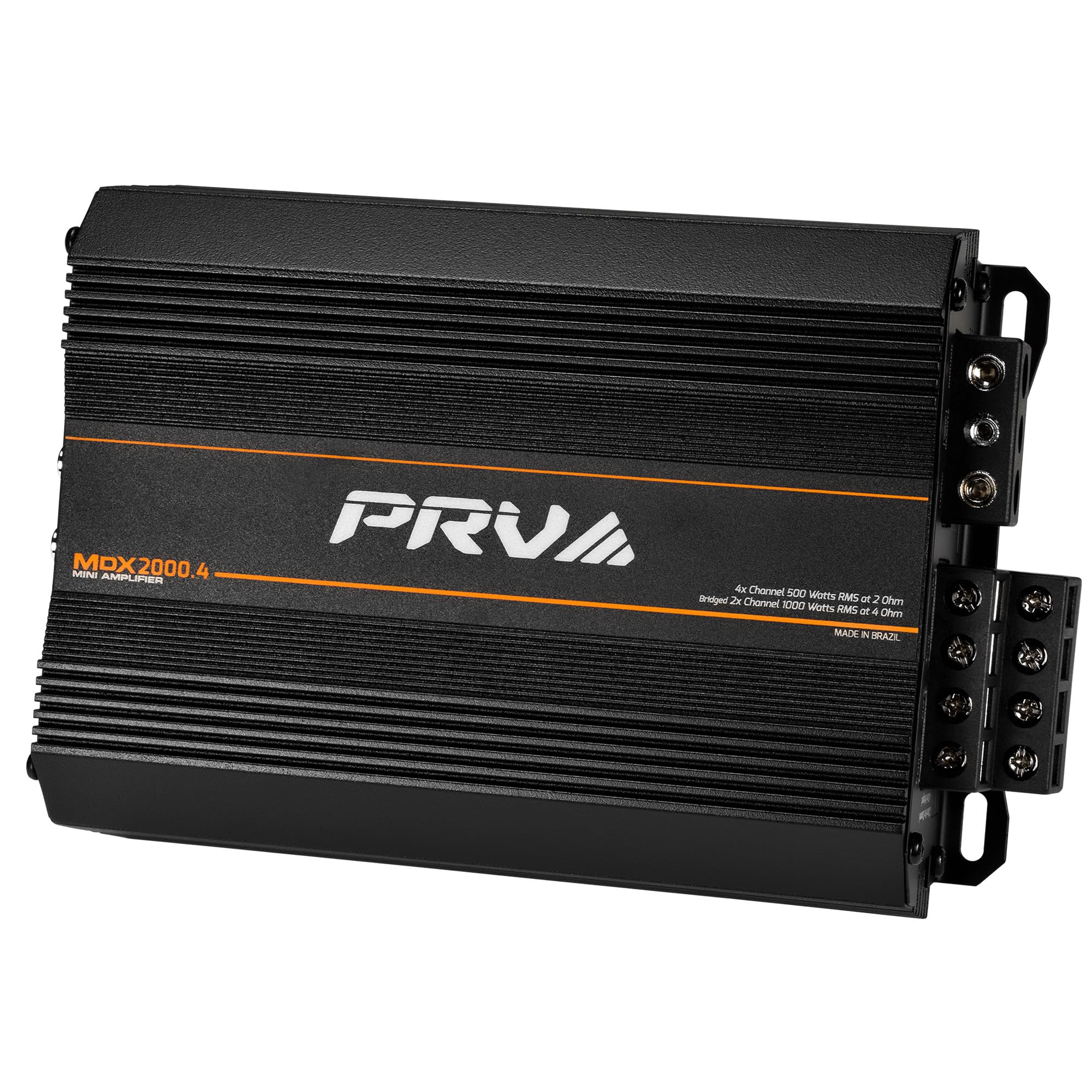
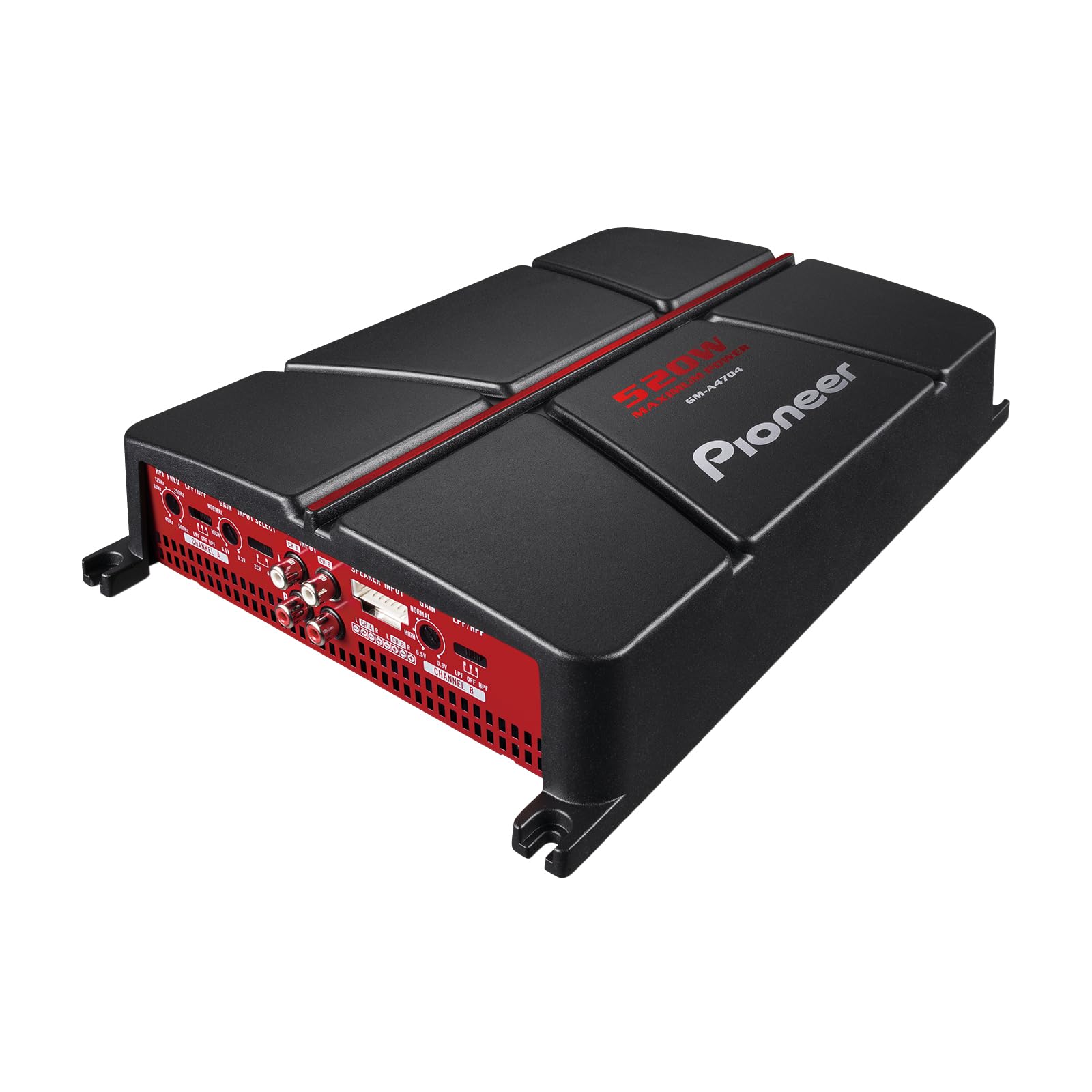

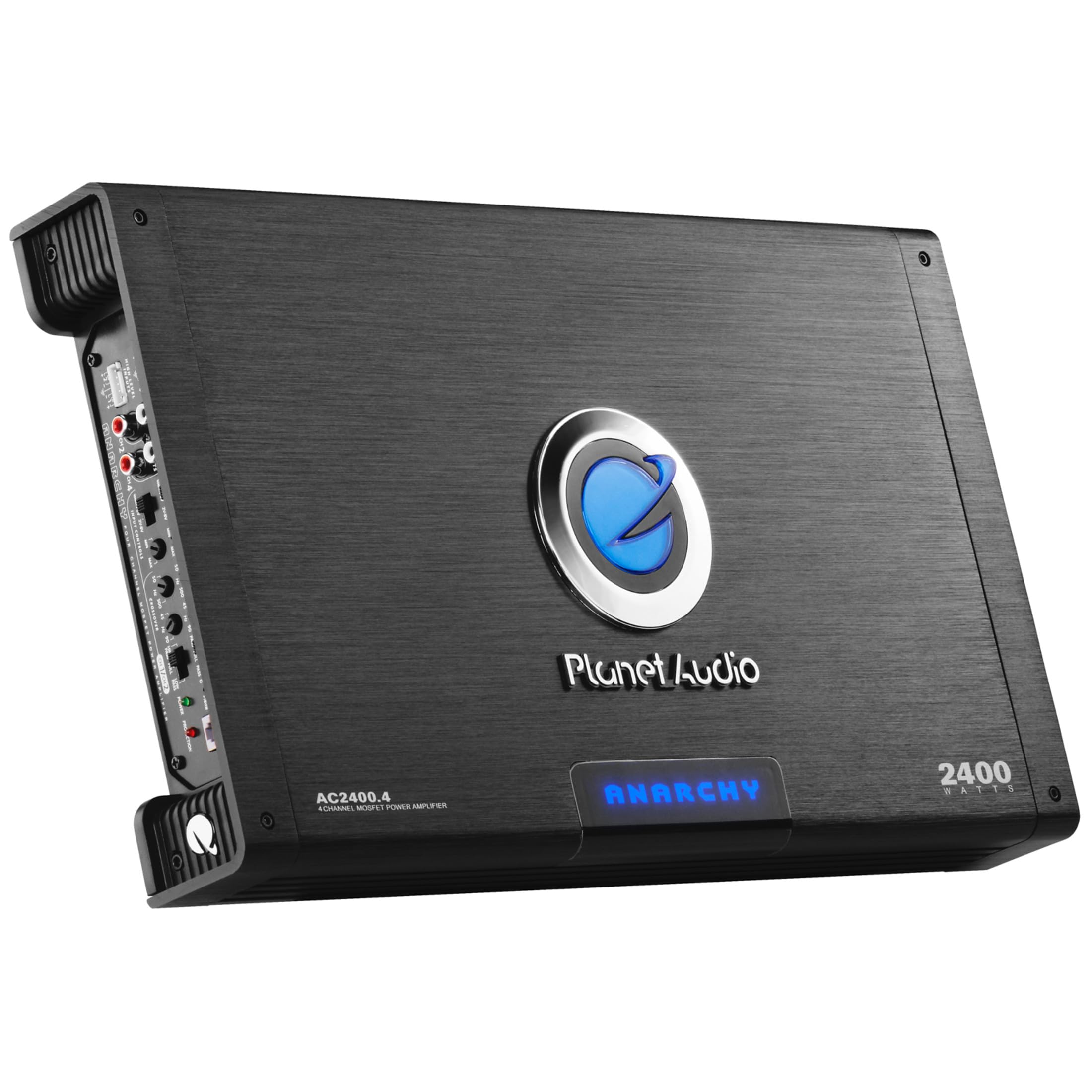
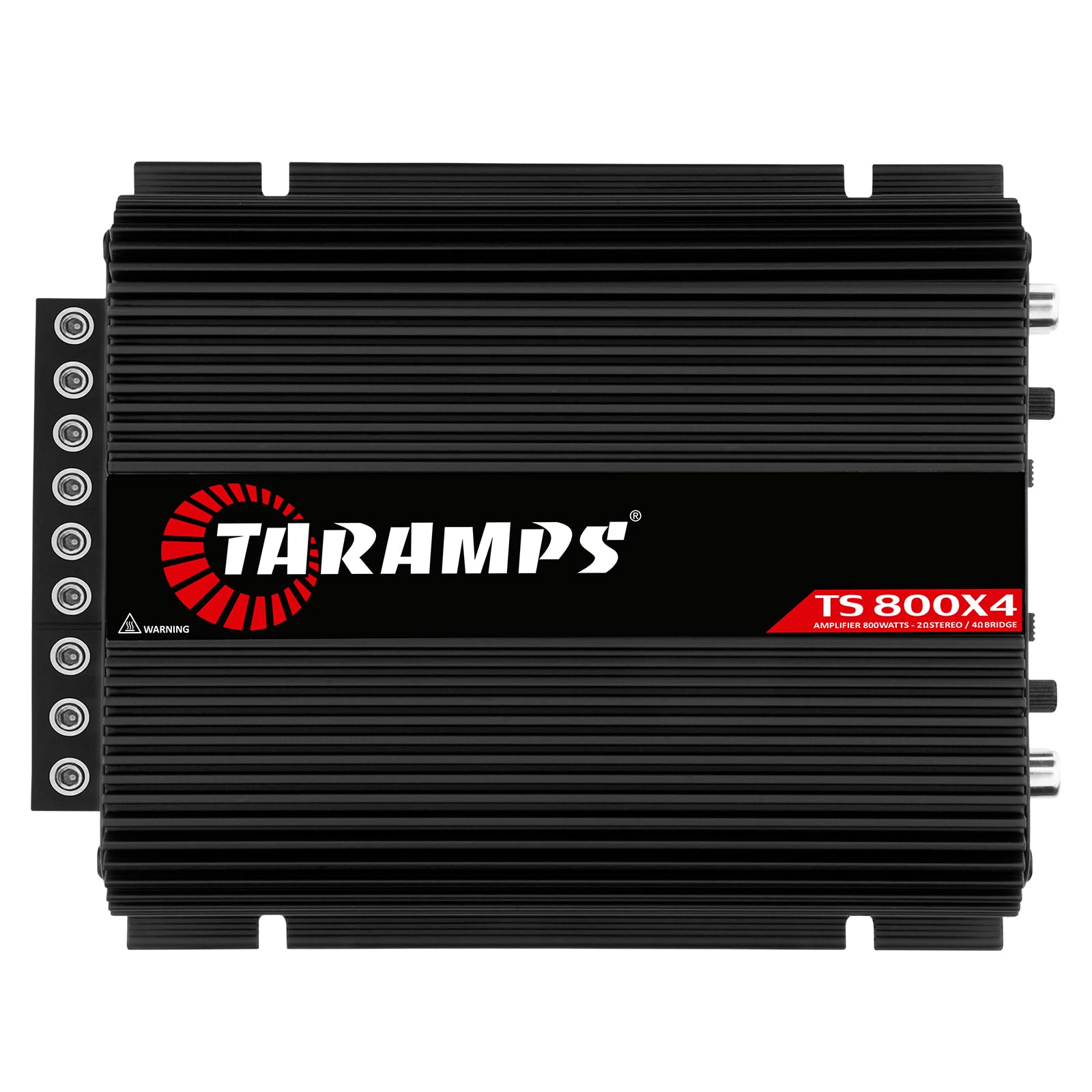


How to Choose the Best Amp for Door Speakers
Channels and Layout
A four channel amp powers front and rear door speakers, and it can often bridge two channels later to run a small subwoofer. A two channel amp suits a single pair of front door speakers. Count your speakers first, because buying channels twice costs more than buying the right amp once. Our guide to the best 4 channel amp for door speakers covers the most common layout.
Power and Impedance
Door speakers are usually 4 ohm models that want clean power more than huge power. About 50 to 75 watts RMS per channel suits most 6.5 inch and 6x9 door speakers, and larger component sets can use more. Compare continuous RMS output at 4 ohms and ignore peak figures, which describe only a brief burst.
Crossovers
Small door speakers cannot play deep bass cleanly, so a high pass crossover is essential. Set it near 80 Hz for most door speakers, and adjust in small steps after listening for a few days. This keeps the doors from rattling and leaves more power for the midrange and treble, where voices and guitars live.
Size and Mounting
Measure the space under a seat or behind a panel and leave room for air. Compact class D amps fit most front seat locations and run cool. Plan the wire route through the door jamb before you buy, using a rubber grommet where wires pass through metal so they cannot chafe.
Install Tips for Door Speaker Systems
Set the gain with a familiar track at about three quarters of the head unit volume, raising it until you hear strain and then backing it off. Use power wire of the gauge in the manual, fuse it near the battery, and ground the amp to bare metal with a short cable. Keep signal cables on the opposite side of the car from the power wire to avoid alternator whine.
Door panels vibrate, so a few sheets of sound deadening material behind the speaker often improve midbass more than extra amp power. Seal gaps with foam where the speaker mounts to the door, and check that the speaker magnet clears the window track before you tighten the screws.
Related Choices
If you are still choosing speakers, compare the best door speakers or the best door speakers without amp. Bass focused builds can start with our guide to the best door speakers for bass. For general matching rules, see our overview of the best amp for speakers.
Common Mistakes to Avoid
- Buying by peak watts. Match continuous RMS power to the speakers.
- Skipping the crossover. Full range signal wastes power on bass the speakers cannot play.
- Gain set by volume. Gain is a level match, not a loudness control.
- Thin power wire. It starves the amp and can get hot.
- Blocked vents. Keep the amp clear of jackets, tools and cargo.
Sound Quality and Tuning
Door speakers face a difficult space. The door is a thin metal box, the speaker fires toward your knees, and road noise covers the low end. A clean amp helps in three ways: it keeps voices steady when you raise the volume, it tightens midbass, and it removes the harsh edge that comes from a clipping head unit.
Look for a signal to noise ratio near 90 dB or higher and low distortion at rated power. Keep bass boost near zero at first, because boosting bass on small door speakers wastes power and adds distortion. If your head unit has an equalizer, use small cuts rather than large boosts, and listen with music you know well.
Component sets add a separate tweeter and crossover. They benefit from an amp that has stable, matched channels, because the passive crossover splits the signal for you. In that case use the amp high pass filter only to remove deep bass, and leave the rest to the speaker crossover.
Budget and What Changes by Price
Entry level four channel amps give honest power and basic crossovers, which is enough to transform a pair of door speakers compared with head unit power alone. Mid priced amps add stronger power supplies, better build, flexible crossovers and speaker level inputs for factory radios. Premium amps add digital processing, finer tuning and higher current, which matters for large component sets and future subwoofer plans.
Spend on wiring and sound deadening before chasing the biggest amp. A proper wiring kit with the right gauge and a good ground makes a bigger difference than extra watts, and treating the door panel costs little. Plan the whole install, not only the amp, and your door speakers will repay the effort.
Check the Electrical System First
An amp draws current from the battery and alternator, so a healthy charging system matters. If your headlights dim on bass notes, check the battery terminals, the ground points and the wire gauge before adding more power. Keep the fuse near the battery and size it as the manual directs.
Factory Radio or Aftermarket Head Unit
If you keep the factory radio, look for an amp with speaker level inputs and automatic turn on, so it wakes with the radio and needs no extra remote wire. With an aftermarket head unit you can use RCA inputs, which carry a cleaner signal and let you use the unit output level to set gain. Either way, route signal cables away from power wire and check that the amp turns off with the ignition.
Frequently Asked Questions
What power do door speakers need?
Most door speakers sound full and clean on 50 to 75 watts RMS per channel. Their sensitivity is fairly high, so modest power reaches strong volume without strain.
Can I bridge a four channel amp for a subwoofer?
Many four channel amps can bridge two channels to drive a small subwoofer, but only if the manual allows the load you plan to connect. Check the minimum impedance first.
How do I stop alternator whine?
Whine usually comes from a poor ground or signal cables run beside power wire. Ground to bare metal with a short cable and route signal cables on the opposite side of the vehicle.
Do I need a processor or just an amp?
A simple amp with built in crossovers is enough for most door speaker upgrades. A processor helps only if you want time alignment and precise equalization.
Will an amp drain my battery?
Not while you drive. Playing the system loudly with the engine off can flatten an older battery, so keep parked sessions short.
Final Thoughts
Match channels and RMS power to your door speakers, set the crossover and gain with care, and mount the amp where it can breathe. The best amp for door speakers is the one that keeps voices clear and bass tidy at highway volume. Compare your shortlist in the product table, then check each amp against your speaker ratings before you order.


