
Best Amp for Outdoor Speakers: Buying Guide for 2026
Disclosure: We may earn a commission when you buy through links on this page, at no extra cost to you. As an Amazon Associate I earn from qualifying purchases. Learn more

How to choose the best amp for outdoor speakers: open air power, zones, streaming and protecting the amp from rain, heat and humidity.
An outdoor sound system asks more of an amplifier than a living room does. Sound escapes into open air with no walls to reinforce it, speakers sit far from the listening spot, and the electronics must stay dry and cool. This guide to the best amp for outdoor speakers explains how much power you need, which features matter on a patio or deck, and how to protect the amp from the weather.
Use the product table to compare amps on power, zones and inputs. Then read the checks below to match one to your speakers and your space.

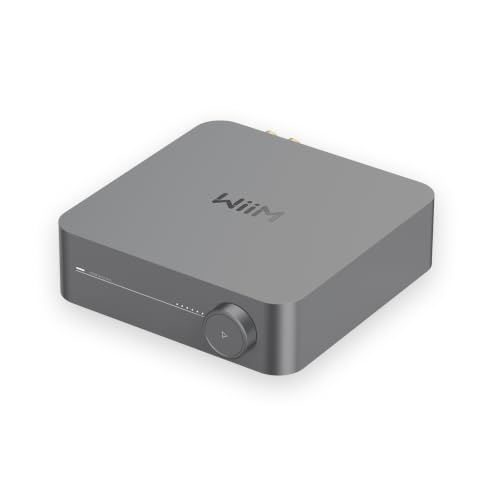
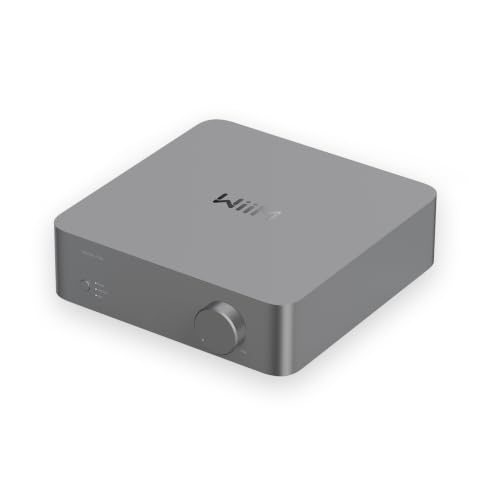
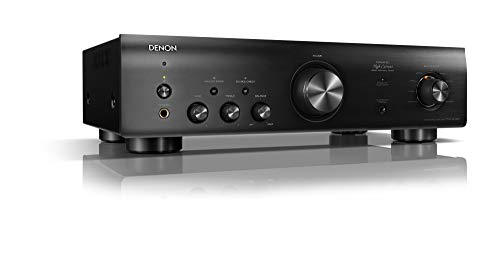
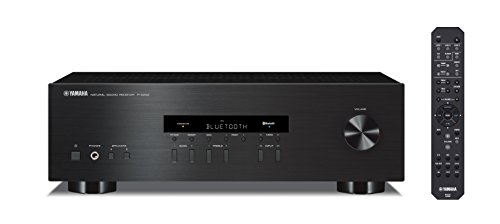


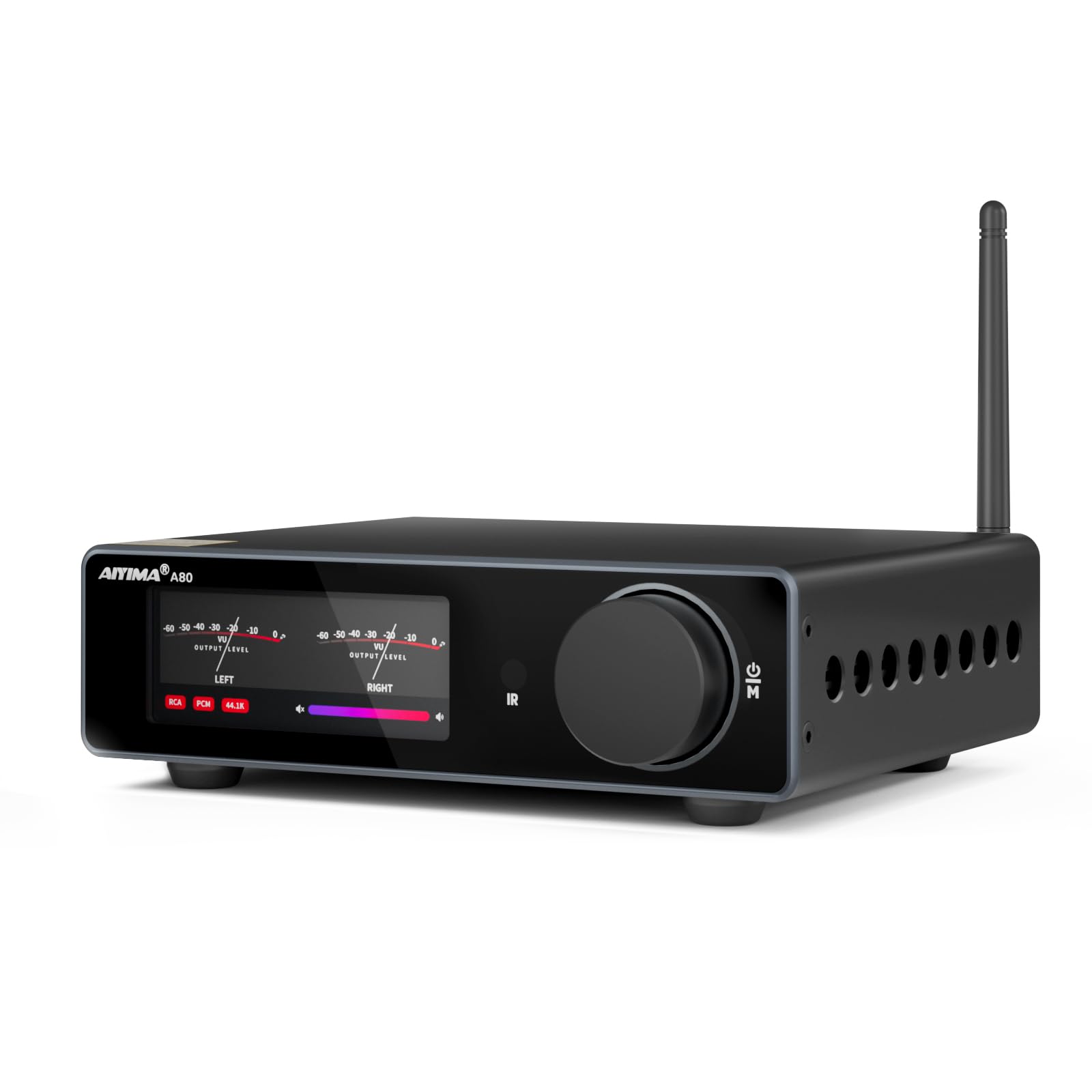

How to Choose the Best Amp for Outdoor Speakers
Power for Open Air
Outdoors you need more power than indoors for the same loudness, because there are no walls to reflect sound. A small patio with seating close to the speakers can run on 30 to 50 watts per channel, while a large yard or pool area may need 75 to 150 watts. Choose an amp with honest continuous (RMS) ratings and some headroom, so party volume stays clean.
Impedance and Speaker Pairs
Most outdoor speakers are rated at 8 ohms, and some at 4 ohms. Check the rating and make sure the amp is stable at that load. Wiring several pairs to one stereo amp can lower the combined impedance, so use a speaker selector with impedance protection or an amp designed for multiple zones.
Zones and Volume Control
Multi zone amps let you play music on the patio without filling the whole garden, and set each area to its own volume. This helps neighbours and lets you keep a quiet conversation corner while another area plays louder. If you plan more than one pair, choose an amp with at least that many zones.
Inputs and Streaming
Bluetooth is simple for one phone at close range, while WiFi streaming gives wider range and frees the phone for calls. Optical or HDMI ARC inputs help if a nearby TV shares the system. Choose the method your household will actually use, because a system that feels awkward soon stops getting played.
Protecting the Amp From Weather
Most amps are built for indoor use. Keep the amp inside, in a garage, or in a ventilated, covered enclosure, away from rain, sprinklers and direct sun. Run outdoor rated speaker wire to the speakers, seal the point where wire enters the house, and keep connections off the ground.
The speakers themselves are the parts built for weather, and many carry moisture resistance ratings. An amp needs airflow, so never seal it in an unventilated box. If heat builds up in a cabinet or a hot garage, choose an efficient class D design that runs cool.
Wiring and Placement
Use wire thick enough for the run length: longer runs need a heavier gauge to protect volume and bass. Keep the left and right runs similar in length and secure them so they cannot be cut or chewed. Aim the speakers toward the seating area rather than toward the neighbours, and place them at least a short distance from walls to avoid boomy bass.
If you are still choosing speakers, see our guides to the best outdoor speakers, the best outdoor speakers for sonos amp or the best outdoor wireless speakers. Portable options are covered in our guide to the best outdoor portable speakers, and general matching rules in our overview of the best amp for speakers.
Budget and What Changes by Price
Entry level amps give a simple stereo output and Bluetooth for one pair of speakers on a small deck. Mid priced amps add multiple zones, WiFi streaming, a subwoofer output and a usable app or remote. Premium amps add stronger power reserves, better digital conversion and whole home control, which pays off only if the outdoor system is part of a larger plan.
Budget separately for outdoor rated speaker wire, mounting hardware and possibly a stronger WiFi signal in the yard. These extras often make as much difference to the result as the amp itself.
Common Mistakes to Avoid
- Leaving the amp outdoors. Rain, heat and humidity shorten its life.
- Underestimating power. Open air needs more power than a room.
- Thin or indoor wire. Outdoor runs need rated cable of adequate gauge.
- Wiring too many pairs. Check the combined impedance first.
- Ignoring ventilation. A sealed box traps heat.
Sound Quality Outdoors
Outdoor sound thins out compared with the same speakers indoors, because there are no walls to reinforce the bass. Useful tuning tools include bass and treble controls, a loudness setting for low volume listening, and a subwoofer output if your yard is large. Set the controls flat first, listen from your usual seats, then adjust in small steps.
A little extra treble often restores clarity at a distance, while large bass boosts waste power and stress the amp on warm days. Wind and traffic noise also hide detail, so a clean system at a moderate level usually sounds better than a strained one pushed hard.
Day to Day Use and Care
Switch the system off when you are away for long periods, or use an amp with auto standby so it wakes when music starts. Dust the vents and check the outdoor connections each season for corrosion, loose strands and cracked insulation. Bring portable gear inside during storms, and keep the amp raised off the floor of a garage or shed to avoid damp.
Heat is the main danger in summer. An amp in a closed cabinet in direct sun can overheat and shut down, so give it shade and airflow. If it runs hot even in shade, choose a more efficient design or a larger chassis for better cooling.
Planning a Multi Zone Layout
Think about where people sit and how loud each area should be. A deck near the house may need one pair, a pool area a second pair, and a garden path a third. Each zone ideally has its own volume control, so a conversation corner stays quiet while the pool plays louder. Write the layout down before you buy, count the pairs, and choose an amp with that many zones plus one spare.
Frequently Asked Questions
Can I leave an amp outside?
Most home amps are not made for it. Keep the amp indoors or in a ventilated, covered enclosure, and let the weather rated speakers face the elements.
How much power do outdoor speakers need?
It depends on the area. A small patio can use 30 to 50 watts per channel, while a large yard needs 75 to 150 watts. Efficient speakers need less.
Do I need a subwoofer outdoors?
Not always, but outdoor sound thins without walls, so a subwoofer helps for parties. Choose an amp with a subwoofer output if you may add one.
Can I connect four outdoor speakers to one amp?
Yes, with care. Check the amp rating for the combined load, and use a speaker selector or a multi zone amp to protect it.
What cable should I use outdoors?
Use speaker wire rated for outdoor or direct burial use, in a gauge suited to the run length. Seal entry points where wire passes into the house.
Final Thoughts
Plan for open air power, a matched impedance, zones that suit your layout, and a dry, ventilated home for the amp. The best amp for outdoor speakers keeps music clear across the patio while staying sheltered from the weather. Compare your shortlist in the product table, and confirm each amp against your speaker ratings before you order.


