
Best Amp and Speakers: A Clear Buying Guide for 2026
Disclosure: We may earn a commission when you buy through links on this page, at no extra cost to you. As an Amazon Associate I earn from qualifying purchases. Learn more

How to match the best amp and speakers by power, impedance, sensitivity and room size so your system sounds clean without strain.
A good pair of speakers can still sound thin or harsh when the amplifier behind them is the wrong match, and a strong amp wastes its power on speakers that cannot use it. Picking the best amp and speakers is really one decision about a matched system: power, impedance, sensitivity and room size all have to agree. This guide explains how to match them in plain language so the setup you buy sounds clean at your normal volume.
Start with the product table to see how amps and speaker systems differ in power, inputs and size. Then use the checks below to judge each option against your room, your sources and your budget.
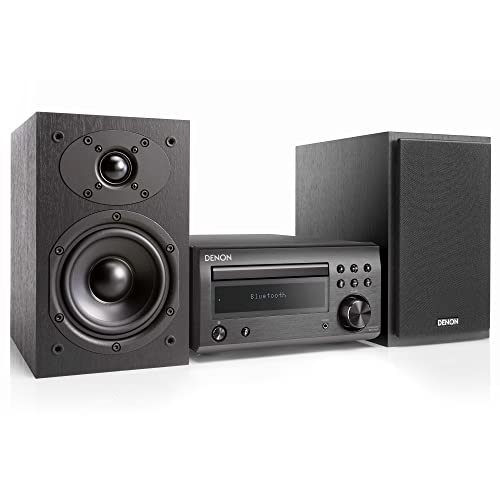
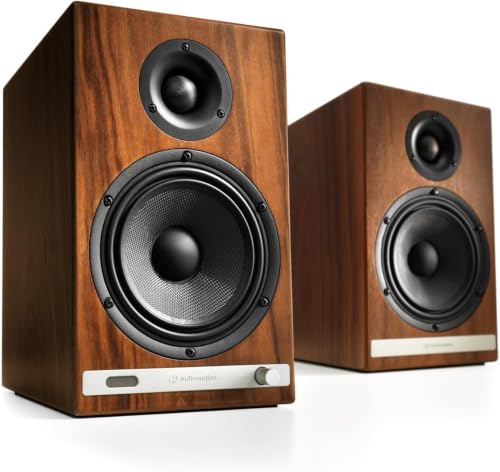
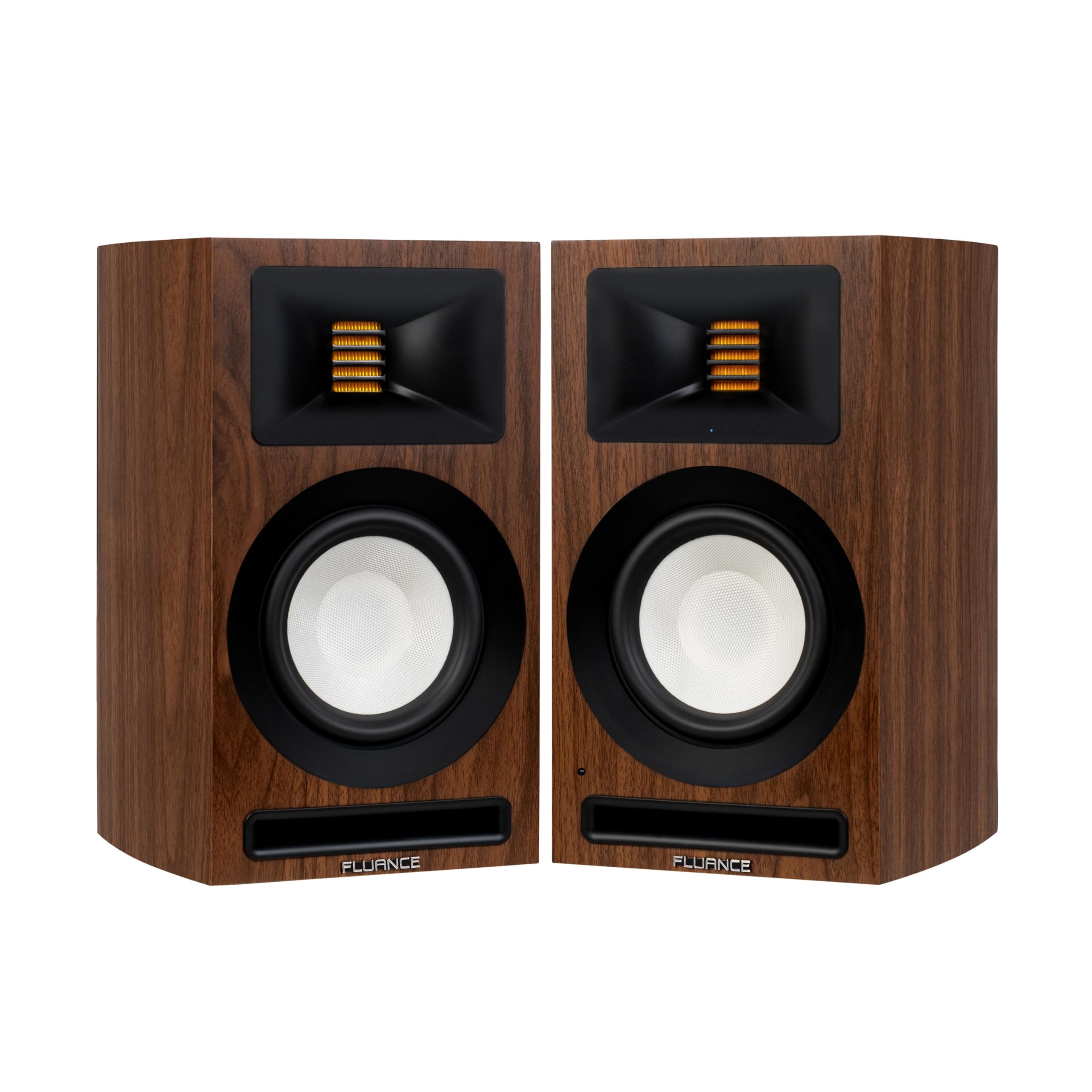

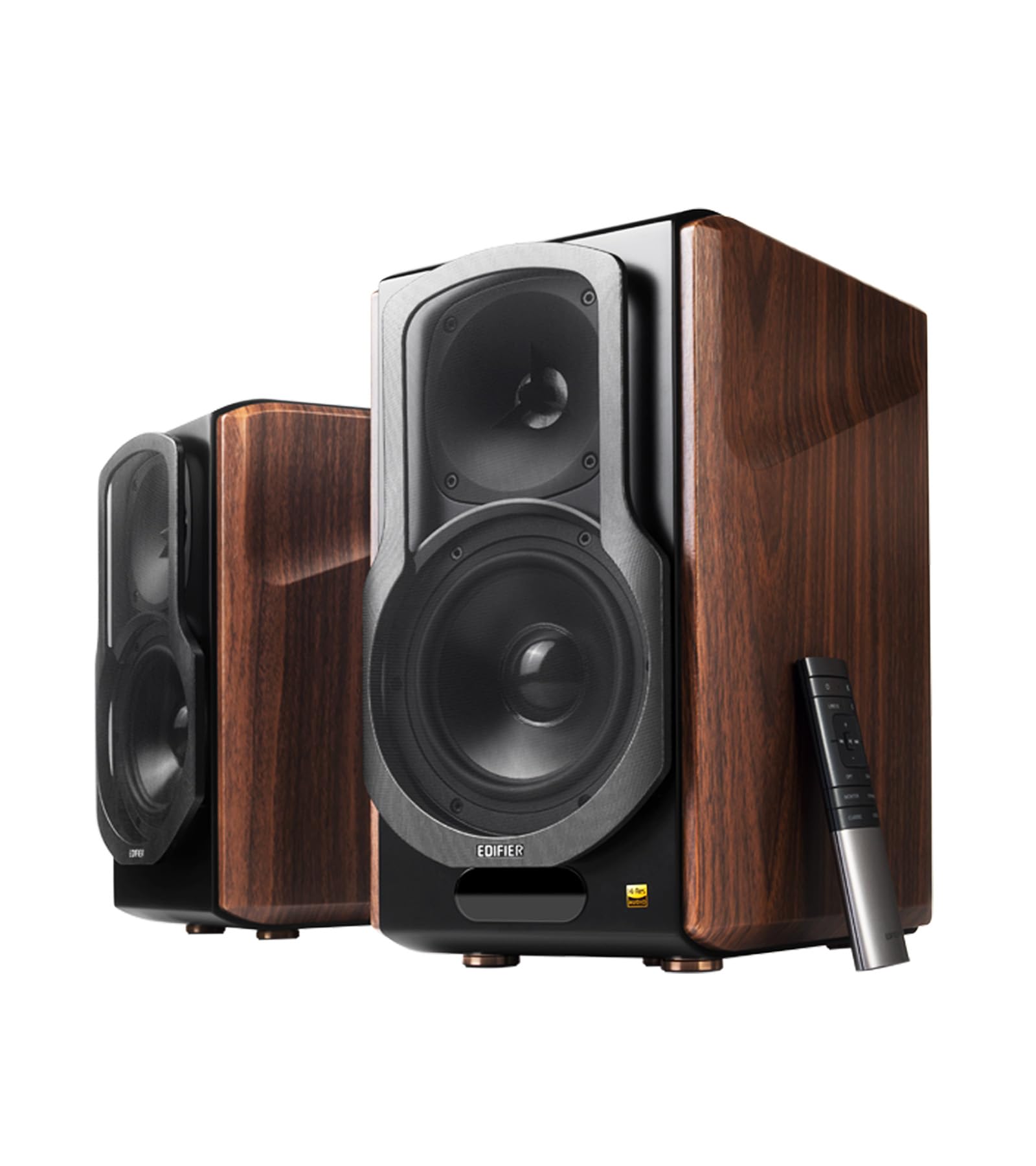


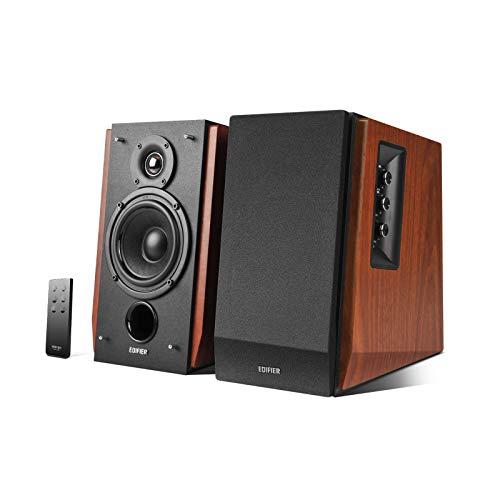


How to Choose the Best Amp and Speakers as a Pair
Treat the amp and the speakers as one chain. The amp supplies clean power, the speakers turn it into sound, and the room decides how much of it you need. Four numbers do most of the work: the amp power per channel, the speaker power handling, the speaker impedance in ohms, and the speaker sensitivity in decibels.
Power and Impedance Matching
Compare continuous (RMS) power, not peak claims. A sensible target is an amp that delivers somewhere between one and two times the speaker power handling, because clean headroom is gentler on speakers than a small amp pushed into distortion. Impedance matters just as much: most home speakers are rated at 8 ohms or 6 ohms, and many car speakers at 4 ohms, and the amp must be rated as stable at that load. Wiring two pairs of speakers to one stereo amp can lower the load, so check the amp manual before you connect both.
Sensitivity and Room Size
Sensitivity tells you how loud a speaker plays with one watt. A speaker near 90 dB needs far less power than one near 84 dB to reach the same volume, so efficient speakers pair happily with modest amps. Room size sets the rest: a bedroom or desk needs only a few watts for comfortable levels, while a large open living room needs more power or more efficient speakers. If you sit far from the speakers or like to listen loudly, plan for extra headroom.
Inputs and Connections
List every source you will connect before you shop. A TV usually needs an optical or HDMI ARC input, a turntable needs a phono input or a separate phono stage, and a streamer or computer works well over USB or coaxial. Bluetooth is a useful extra for phones, while wired connections stay the most reliable choice for your main sources. Leave one spare input so the system can grow.
Types of Amp and Speaker Setups
Stereo Pairs for Music
A stereo integrated amp with two passive speakers is the classic choice for music. It offers the most sound per dollar, simple wiring and an easy upgrade path, since you can change the amp or the speakers later. It suits living rooms, studies and bedrooms where music is the main use.
Powered Speakers With a Built In Amp
Powered (active) speakers contain their own amplifier, so you do not need a separate amp at all. They save space and guesswork because the maker matches the amp to the drivers. Never add a second amp to powered speakers, since that can damage them.
Home Theater Sets
A surround receiver with several speakers suits films and games, where dialogue clarity from the center channel matters most. It costs more and takes more space, but it handles video switching and room correction in one box. For music only, a stereo amp usually sounds cleaner at the same price.
Portable and Outdoor Systems
Garages, patios and travel setups favor compact amps with speakers built for damp conditions. Keep the amp sheltered and dry, and use outdoor rated speaker wire for any exposed runs. Our guide to the best amp for outdoor speakers covers this case in more detail.
Car Audio Upgrades
Car speakers are usually 4 ohm and run from a 12 volt supply, so they need a car amplifier, not a home amp. Door speakers have their own mounting limits, as explained in our guide to the best amp for door speakers. If you are choosing speakers and an amp together for a vehicle, compare complete packages in our guide to the best car speakers with amp.
Placement and Setup
Place speakers at ear height, angled slightly toward your seat, and keep them a short distance from the back wall to avoid boomy bass. Put the amp on an open shelf with a few inches of space above it, because heat shortens the life of any amplifier. Connect the speaker wire with the power off, matching positive to positive and negative to negative on both speakers.
Start with the volume low and tone controls flat, then raise the volume in small steps while listening for harshness. If the sound hardens at a moderate level, the amp is running out of clean power or the speakers are too small for the room. If space is tight, our guide to the best mini amp for speakers explains what compact amps can and cannot do.
Common Mistakes to Avoid
- Buying by peak watts. Peak numbers describe a brief burst. Compare continuous power at a stated impedance.
- Ignoring impedance. An amp that is not stable at your speaker load can overheat or shut down.
- Matching a huge amp to tiny speakers. Too much power with careless volume can damage small drivers.
- Forgetting the room. Placement and soft furnishings change the sound more than a small amp upgrade.
- Skipping inputs. Count your sources first so you do not need extra adapters later.
Frequently Asked Questions
Do I need an amp if my speakers are powered?
No. Powered speakers already contain an amplifier, and adding another can damage them. Check the back panel: a power cord and a volume knob usually mean active speakers, while bare speaker wire terminals mean passive speakers that need an amp.
How much power do my speakers need?
Match the amp output to the speaker power handling and impedance, and add a little headroom. Clean power at moderate volume is better than excess power used carelessly. Efficient speakers in a small room need very little.
What is impedance in simple terms?
Impedance, measured in ohms, is the electrical load a speaker places on the amp. An amp must be rated for your speaker impedance so it can deliver power safely and cleanly.
Can I use a car amp at home?
It is usually not practical. Car amps need a 12 volt supply and different wiring, so a home amp is simpler and safer for living room use.
Why does my system distort at high volume?
Distortion usually means the amp is pushed past its clean power, the speakers are too small for the room, or a connection is loose. Lower the volume, check the wiring, and consider a stronger amp or more efficient speakers.
Final Thoughts
Start with your room and your sources, match power and impedance, and let price decide only among options that already fit. The best amp and speakers for you is the pair that stays clean at your normal listening level and connects to everything you own. Use the product table as a shortlist, then confirm each amp against your speaker ratings before you order.


