Best 4 Channel Amp for Door Speakers 2026: Guide
Disclosure: We may earn a commission when you buy through links on this page, at no extra cost to you. As an Amazon Associate I earn from qualifying purchases. Learn more

Clear checks on features, price and upkeep to help you choose the best 4 channel amp for door speakers.
Factory car stereos often lack the power to make door speakers sound their best, leaving music thin at higher volumes. The best 4 channel amp for door speakers gives each of your four door speakers its own clean power, improving clarity, bass control, and volume headroom. This guide explains power matching, sizing, wiring, and installation in plain language.
The product table shows the main 4 channel amp styles side by side. Later sections cover RMS power, speaker matching, amp size and placement, wiring kits, and the safety steps for car electrical work.




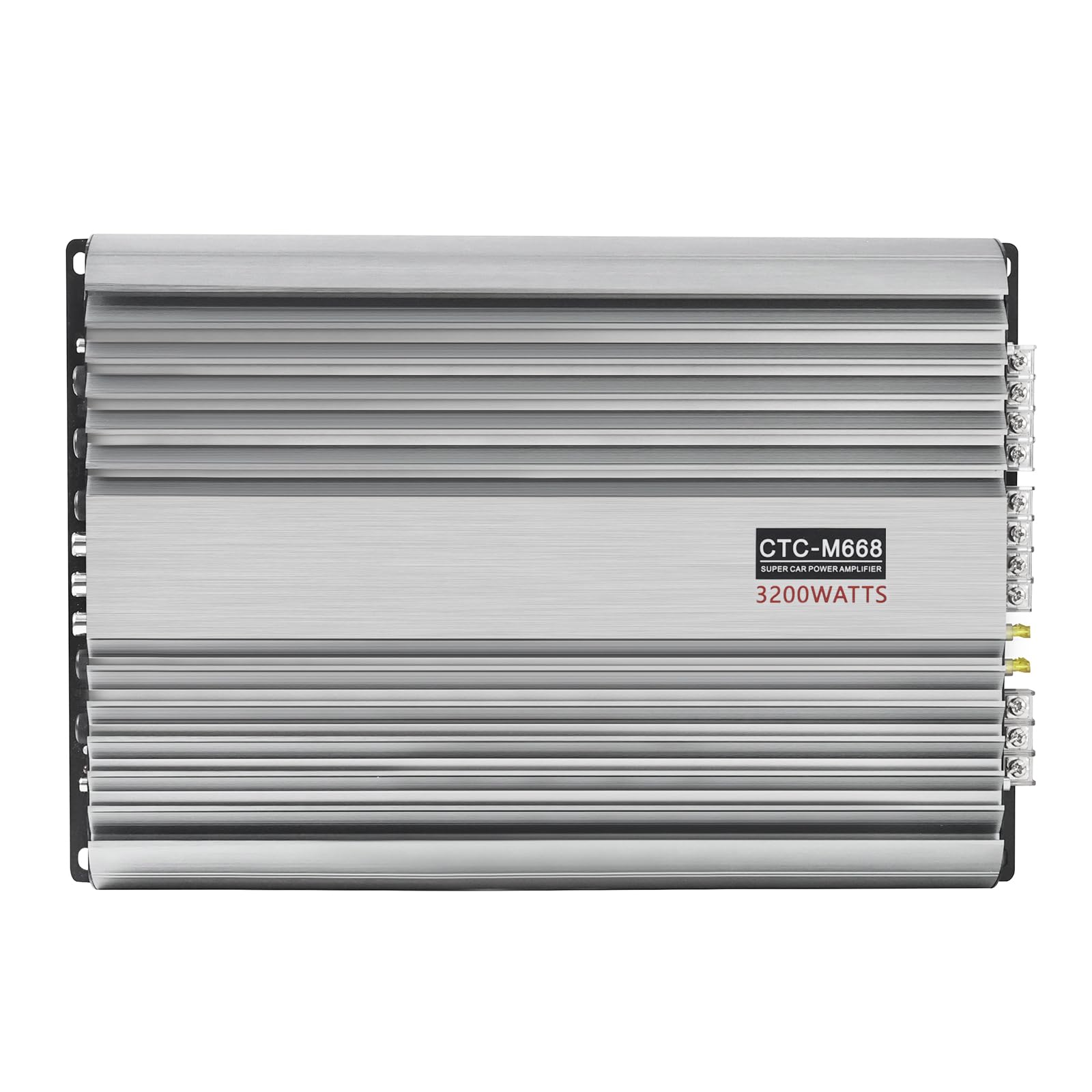
What a 4 Channel Amp Does
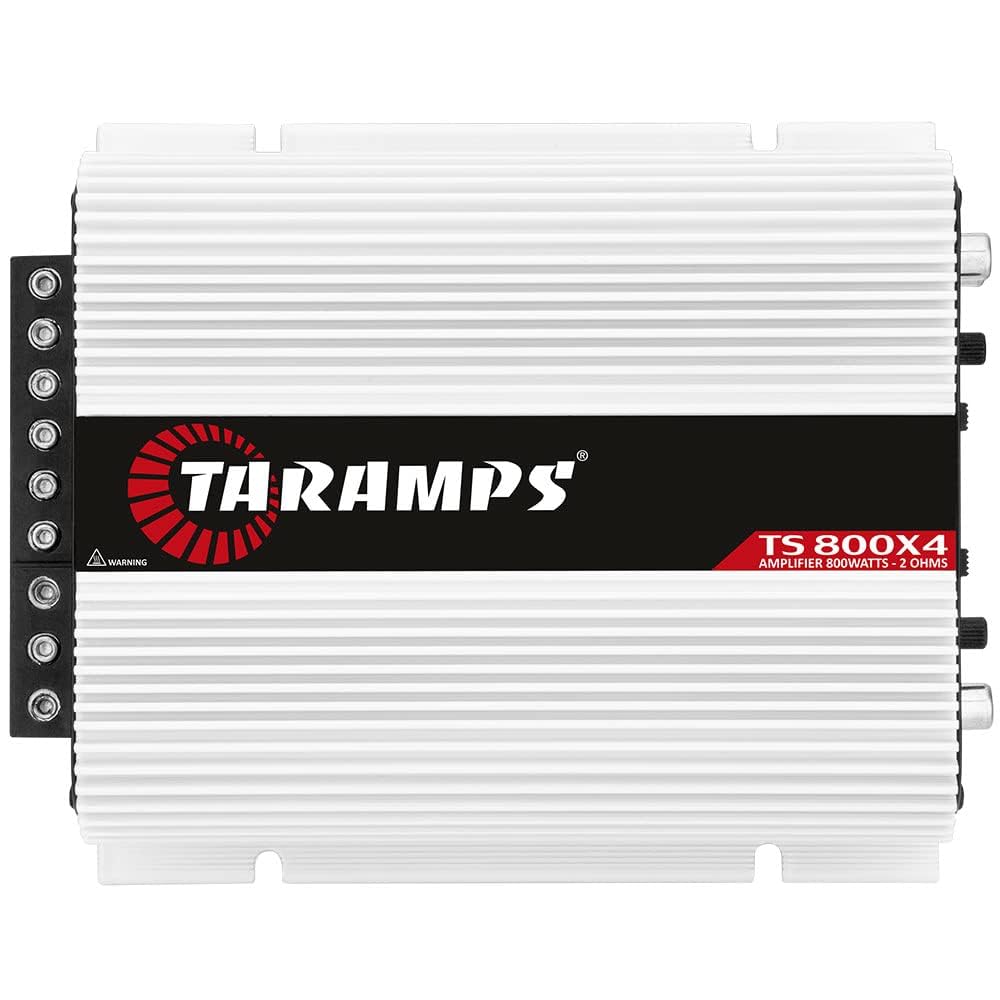
A 4 channel amplifier takes the audio signal from your head unit and boosts it separately for four speakers, usually the front and rear door pairs. Each channel powers one speaker, which gives better control than a head unit sharing limited power across all speakers. The result is cleaner sound at higher volumes, with less distortion when bass hits hard.
An amp does not fix poor speakers or a bad install, so pair it with door speakers rated to handle its output. Think of the amp and speakers as a system: matched power and sensible installation deliver the improvement, while mismatched parts waste money or risk damage.
RMS Power and Speaker Matching
RMS power is the continuous power an amp delivers, and it matters far more than peak power claims on packaging. Match amp RMS output per channel to your speakers RMS handling range, ideally with the amp offering slightly more clean power than the speakers need. Clean headroom prevents clipping, which is the distorted signal that damages speakers more than clean power does.
Check impedance too, since most car door speakers are 4 ohm and most 4 channel amps rate power at 4 ohms and 2 ohms. Do not run speakers below the amp stable impedance, and set gains carefully with a test tone or by ear at moderate volume. Correct gain setting protects speakers and keeps sound clean.
Size, Placement, and Heat
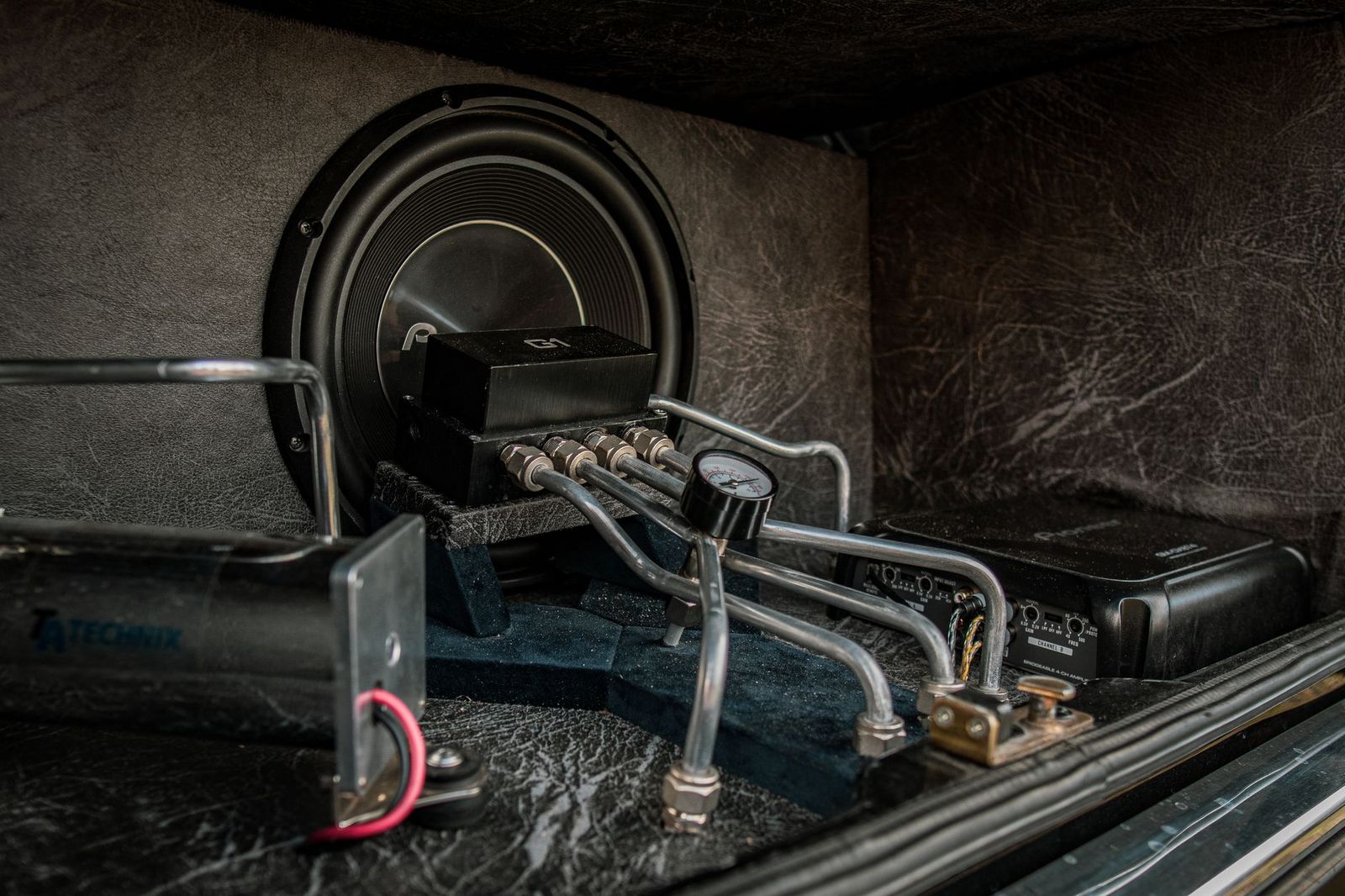
Amps come in compact and full size designs, and placement depends on your car. Under a seat suits compact amps with good ventilation, while a boot install suits larger amps with room for airflow. Avoid enclosing an amp tightly without ventilation, since heat builds up and triggers protection shutdowns or shortens component life.
Measure your chosen spot before buying, including height for cables and airflow around the amp. Mount the amp firmly so it cannot slide under braking, and keep it away from water ingress points in boots and door areas. A well placed amp runs cooler, sounds better, and lasts longer.
Wiring Kits, Power, and Ground
A proper wiring kit includes a fused power cable from the battery, a ground cable to bare metal, a remote turn on wire, and RCA or speaker level inputs. Use the wire gauge the maker recommends for your amp power and cable length, since thin power cable starves the amp and can overheat. Fit the fuse close to the battery, not near the amp, so a short cannot start a fire.
Ground to clean bare metal with a short, thick cable, since a poor ground causes noise and weak performance. Route power cables away from signal cables where possible to reduce interference, and use grommets where cables pass through metal panels. Neat wiring is safer and sounds better than a rushed install.
Installation Safety and When to Hire Help
Car electrical work carries real risks, including short circuits, battery sparks, and airbag wiring damage if you disturb the wrong harness. Disconnect the negative battery terminal before starting, and never work near airbag wiring or modules. If your car has a complex factory system with active noise cancellation or amplified premium audio, professional installation is strongly advised.
After installation, test at low volume first, check for overheating, distortion, or warning smells, and inspect connections after a week of driving. Vibration loosens connections over time, so a quick recheck prevents noise and faults. If anything smells hot or the amp repeatedly shuts down, switch off and seek professional help.
Price Tiers and Value
Budget 4 channel amps, around $80 to $180, deliver solid power for factory speaker upgrades and modest door speakers. Midrange amps, around $180 to $350, add cleaner power, better crossovers, and more compact efficient designs. Premium amps above $350 offer audiophile grade components and advanced tuning for serious sound systems.
Spend on clean RMS power and proper wiring before fancy displays or extreme peak claims. A midrange amp with a good wiring kit and correctly set gains outperforms a premium amp installed poorly. Budget for the kit and installation alongside the amp itself.
Guides That Pair With This One
Door speaker amps in general are covered in our guide to best amp for door speakers, which compares amp types for door upgrades. It is a useful starting point for system planning.
Four speaker setups are explained in our guide to best amp for 4 speakers for matching amps to four speaker layouts. The advice overlaps with door systems but covers wider layouts.
Impedance matching appears in our guide to best amp for 4 ohm speakers, which is essential reading if your speakers are 4 ohm. Correct impedance protects both amp and speakers.
Finally, our guide to best door speakers without amp covers speakers that work well on head unit power alone. It helps if you decide an amp is not needed after all.
Tuning Sound After Installation
After installation, tune the system gradually rather than chasing maximum volume on day one. Set head unit tone controls flat, adjust amp gains for clean output, and use crossover settings to send bass to speakers that handle it and higher frequencies to tweeters where fitted. Small adjustments reveal the system character better than dramatic equaliser swings.
Listen to familiar tracks across genres and note what needs fixing: muddy bass, harsh treble, or a hollow middle. Adjust one setting at a time and listen again, since changing everything at once hides cause and effect. Road noise masks fine detail, so judge tuning while parked as well as while driving. Patient tuning turns a good install into a great sounding system.
One last check: listen for engine whine or hiss at low volume after a week, since noise often appears once cables settle. A quick ground check and cable reroute usually fixes it before it becomes a lasting annoyance.
Frequently Asked Questions About Best 4 Channel Amp For Door Speakers
Do I need an amp for door speakers?
You need an amp if your door speakers sound thin, distort at higher volumes, or are rated well above head unit power. Factory head units typically deliver limited clean power, so an amp improves clarity, bass control, and volume headroom. Efficient door speakers can sound acceptable without an amp, but most upgrades benefit from one. If you are happy at moderate volumes, you may not need an amp yet.
How many watts do I need for door speakers?
Match amp RMS power per channel to your speakers RMS handling, ideally with slightly more clean power than the speakers need for headroom. Most door speaker systems work well with 50 to 100 watts RMS per channel. Peak power figures mislead, so compare RMS ratings at the same impedance. Correct gain setting matters as much as wattage for clean sound and speaker safety.
Can I install a car amp myself?
You can install a car amp yourself if you are comfortable with car electrics, battery safety, and routing cables through panels. Disconnect the negative battery terminal first, fuse power near the battery, and ground to clean bare metal. Hire a professional for complex factory systems, airbag areas, or if you are unsure at any step. A poor install risks noise, damage, or fire.
Will an amp drain my car battery?
An amp draws power only when the system plays, and a properly wired remote turn on switches it off with the head unit. Playing loudly with the engine off for long periods can drain the battery, so limit engine off listening. A healthy battery and charging system handle normal amp use fine. If your battery is old or weak, test it before adding a powerful amp.
What is gain and why does it matter?
Gain matches amp input sensitivity to your head unit output, and it is not a volume knob. Setting gain too high causes clipping, which is distorted output that damages speakers even at moderate volume. Set gain with moderate source volume and increase slowly until sound stays clean. Correct gain gives loud, clean sound and protects your speakers for years.
Final Thoughts
Match RMS power to your door speakers, choose a size that fits a ventilated spot, and budget for a proper fused wiring kit. Set gains carefully, test at low volume, and recheck connections after a week. Check the product table against your speaker ratings before ordering.
A well matched 4 channel amp transforms door speakers from thin and strained to clear and confident. Done safely and sensibly, it is one of the most satisfying upgrades you can make to a car sound system.
When you compare best 4 channel amp for door speakers, weigh fit and daily use above headline features.