
The Best Amp for 100w Speakers: Buying Guide and Top Picks for 2026
Disclosure: We may earn a commission when you buy through links on this page, at no extra cost to you. As an Amazon Associate I earn from qualifying purchases. Learn more

How to pick the best amp for 100w speakers: continuous power, impedance, sensitivity and inputs, so loud passages stay clean and safe.
A speaker marked as 100 watts sounds simple to match, until you learn that the number can mean very different things. It may describe a peak limit, a program rating, or a continuous rating, and each one points to a different amp size. This guide shows you how to find the best amp for 100w speakers without risking distortion on loud passages or damage from a careless match.
Start with the comparison table below to compare power ratings, impedance, and inputs side by side. Then read the buying guide sections, which translate those numbers into a safe and clear sounding choice for your room.


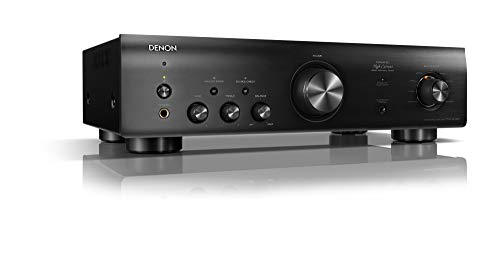

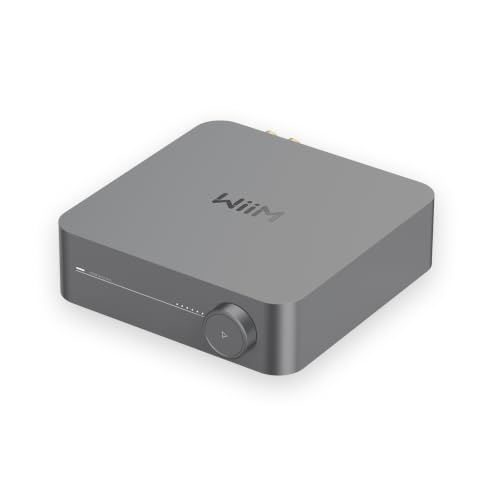


Three Amp Profiles at a Glance
The product table above will sort more easily once you know which profile you need. These profiles describe power tiers and criteria rather than single products, so you can apply them to any brand on your shortlist.
Overall
A balanced profile for most rooms delivers about 50 to 80 watts per channel of continuous power into the impedance your speakers present, with clean ratings stated at low distortion. Expect about $250 to $600 in this tier. You gain headroom for film peaks and loud choruses, plus inputs for several sources. If your speakers are compact, our guide to the best amp for speakers helps you confirm the general match first. The limit here is size, since stronger amps run larger and warmer.
Value
A value profile suits smaller rooms and moderate volume. About 30 to 50 watts per channel is plenty when your speakers are fairly sensitive and your seat is not far away, and prices around $120 to $300 are common. You keep the essentials, meaning honest continuous ratings, a remote, and at least two inputs. The trade off is headroom. Very loud listening in a big room will push this tier into harsh distortion sooner, so be honest about how loud you truly listen on a normal evening.
Premium Pick
A premium profile adds reserve power, stronger build, and quieter circuitry. Look for about 80 to 100 watts per channel of continuous power, solid speaker terminals, and a sturdy power supply, often around $600 to $1,200. This tier suits larger rooms, low sensitivity speakers, and listeners who want one amp to last through future speaker changes. The cost is the obvious limit, along with extra heat and weight. Measure your rack space and leave room above the case for warm air to escape.
How to Choose the Best Amps: Buying Guide
The core rule is simple once you know which watt number you own. If your speakers list a continuous or RMS rating near 100 watts, an amp in the 50 to 100 watt per channel range is a sensible match. If the 100 watt figure is only a peak number, a smaller amp is safer and will still play loudly, because daily listening uses only a few watts.
Sensitivity matters as much as watts. A speaker rated around 90 dB or higher plays loud on modest power, while one near 84 dB needs far more power for the same volume. Impedance matters too, since a 4 ohm speaker draws more current than an 8 ohm design. Choose an amp rated for the impedance you own.
Features That Matter for 100w Speakers
Power supply strength, protection circuits, and honest ratings matter most at this level. A good amp states continuous power per channel with both channels driven, names the impedance, and lists a low distortion figure. Speaker protection against clipping and short circuits guards your investment. Also check the number and type of inputs you need, plus a subwoofer output if your speakers are small. A clear display and a remote sound minor, yet they decide how pleasant the amp is to live with every day.
Sound Quality and Tuning
Clean power sounds different from loud power. An amp with reserve headroom keeps voices and strings clear when the music swells, while a strained amp turns harsh at the same volume. Frequency response should stay even, so the amp adds no boom or glare of its own. Bass and treble controls or a gentle equalizer help you adjust for your room. One practical test at home is a quiet passage followed by a loud one. If the quiet part stays free of hiss and the loud part stays composed, the tuning is right.
Comfort, Fit, and Weight
For an amp, comfort means physical fit and ease of use rather than anything you wear. Check the width, depth, and height against your shelf, and leave space above vents for heat to rise. Heavier amps often carry larger power supplies, but weight alone does not prove quality. Knob feel, button layout, and remote size shape daily comfort more than most specs. If older family members will use the system, large clear labels and a simple volume dial beat a dense menu system every time.
Noise Cancellation and Isolation
Noise cancelling does not apply to power amps, but noise itself matters a great deal. What you want is a low noise floor, heard as silence or faint hiss at your seat during quiet music. Good isolation here means clean grounding, tidy cable routing, and speaker wire kept away from mains cords where runs are long. A hum that changes when you touch the case points to a ground issue, not a fault in your speakers. Solving that routing issue is free and often transforms the result.
Ecosystem and App Features
App control and streaming extras can help, as long as the core amp work is sound. Bluetooth input suits casual phone listening, and an app equalizer can store a setting for films and another for music. Firmware updates may add features over time, so check that updates are simple and that the amp still works fully without the app. Readers short on shelf space can compare compact options in our guide to the best mini amp for speakers, keeping in mind that smaller cases offer less cooling room.
Connectivity (Bluetooth Version, Codecs, Wired)
Wired inputs remain the backbone of a home system. Optical suits a TV, coaxial and analog suit disc players and streamers, and USB suits a computer. Bluetooth is a useful extra, and a recent version holds a steadier connection across a room. Codec support affects only that wireless listening, not your wired sources. Count your sources before you buy and leave one input spare. Also confirm the speaker terminals accept the wire gauge and plugs you plan to use, since cramped terminals make setup frustrating.
Types of Amps
Home/Bookshelf Models
Home and bookshelf focused amps are built for living rooms, dens, and desks. They balance moderate power with a compact case, several inputs, and a remote. This type suits most owners of speakers in this class, especially in small to medium rooms. The limit is reserve power for very large spaces. If your room is open plan and your seat sits far from the speakers, step up a tier rather than forcing a small amp to work at its limit all evening.
Outdoor/Rugged Models
Rugged amps are built for porches, workshops, and covered outdoor zones, with sealed controls and cases that shrug off dust and damp air. They trade some refinement for toughness and simple operation. If that is your setting, see our guide to the best amp for outdoor speakers for placement and weather guidance. Keep any amp under cover and off the ground, and remember that outdoor listening needs more power because sound escapes instead of reflecting off walls.
How to Make Your Amp Last Longer
- Leave clear space around vents and never stack other gear directly on top of the amp case.
- Keep volume below the point where sound turns harsh, since long clipping sessions heat both amp and speakers.
- Turn the volume down before switching inputs or swapping cables to avoid loud pops.
- Dust the case with a dry cloth and check speaker wire ends once or twice a year for stray strands.
- Plug the amp into a sound outlet and avoid cheap power strips with loose sockets.
- Store the remote away from direct sun so its buttons and case age more slowly.
Frequently Asked Questions
What features matter most in amps for 100w speakers?
Honest continuous power, the right impedance rating, and protection circuits matter most. They decide whether the amp drives your speakers cleanly or strains at normal volume. A point the body only touches briefly is the damping factor, which relates to bass control. You do not need to chase a huge number, but a very low figure paired with long thin speaker wire can make bass sound loose, so keep wire runs short and reasonably thick.
Wired or wireless: which sounds better?
Wired connections sound better and behave more reliably for a main home system. Cables carry the full signal with no compression and no delay, which matters for films where lips and sound must stay in step. Wireless input is still handy for guests and quick phone sessions. A useful setup habit is to set a fixed volume on your phone and use the amp remote for daily control, which keeps levels predictable and avoids sudden loud starts.
What IP rating do I need for outdoor use?
For an indoor system you need no IP rating at all. For a covered porch, look for gear built for damp locations and keep it sheltered from direct rain, with cables and outlets protected as well. True outdoor sound also needs speakers rated for weather, not just an amp with a rugged badge. When in doubt, bring portable gear inside after use. No rating makes a standard living room amp safe for open rain exposure.
The Bottom Line
Match the amp to the real rating behind that 100 watt label, respect your speaker impedance and sensitivity, and leave headroom for loud passages. Those three checks prevent most costly mistakes in this category. Add the inputs you need, sensible cooling space, and terminals you can wire without a struggle.
Compare your shortlist in the product table above against those checks, and your best amp for 100w speakers choice should serve your room well for years. Set levels gently on day one and let careful setup do the rest.


