
Best Amazon TV (2026): Size, Features and Buying Tips
Disclosure: We may earn a commission when you buy through links on this page, at no extra cost to you. As an Amazon Associate I earn from qualifying purchases. Learn more

What matters when choosing the best amazon tv: size, features, budget and the mistakes to avoid.
Your living room TV still works, but the picture looks dull, and your bedroom screen is too small to read sports scores from the bed. Choosing the best amazon tv for your home comes down to matching one lineup to different rooms, viewing habits, and one shared budget. This guide sorts the lineup by room size, household size, and spending level so each screen lands in the right place.
Every model runs the same Fire TV platform, so the real differences are size, panel type, brightness, and sound. Work through the checklist below, compare the three tiers, and use the comparison table below to narrow your shortlist. If you are still weighing Amazon against other brands, start with our guide to the best tv options across all makers.
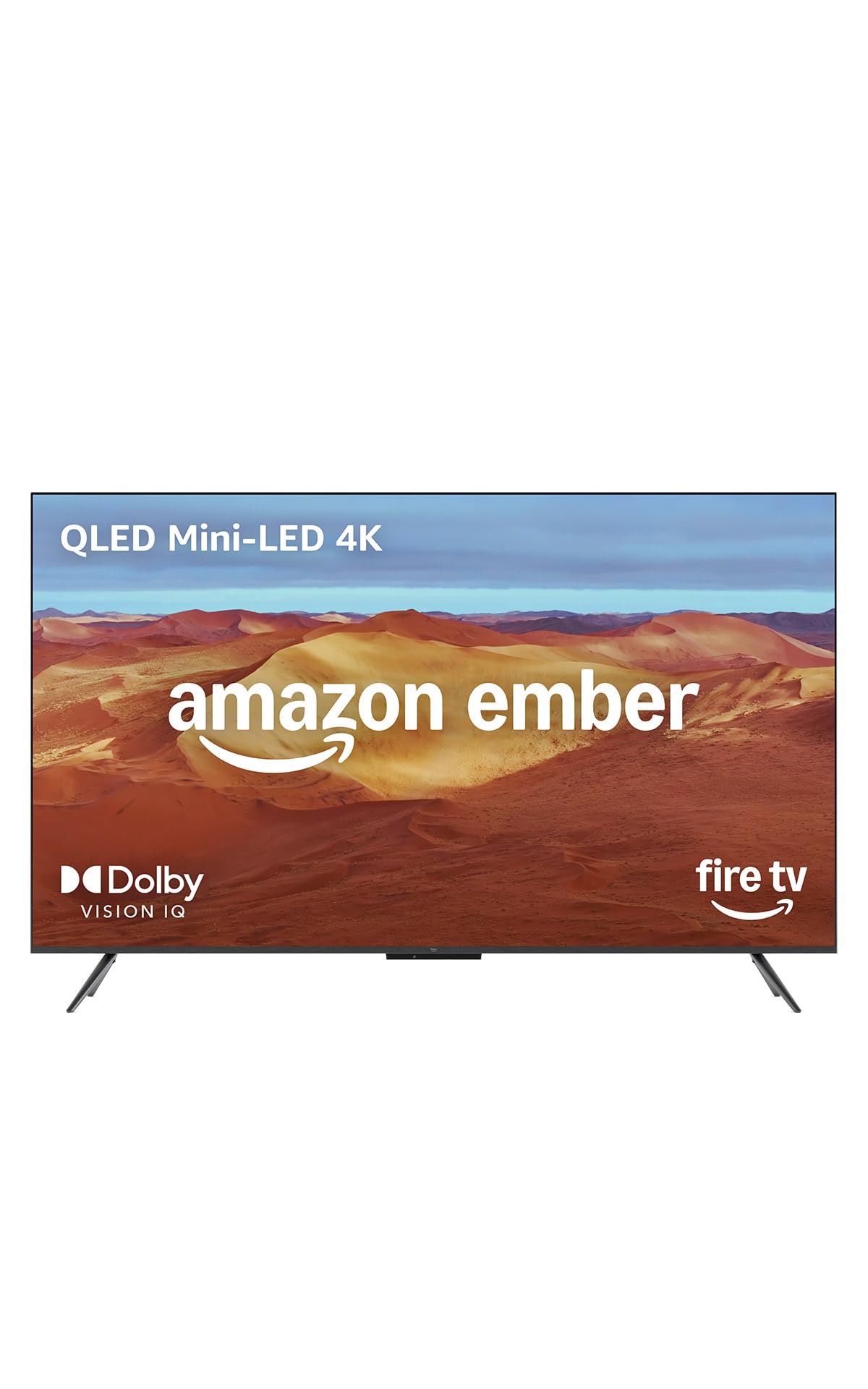
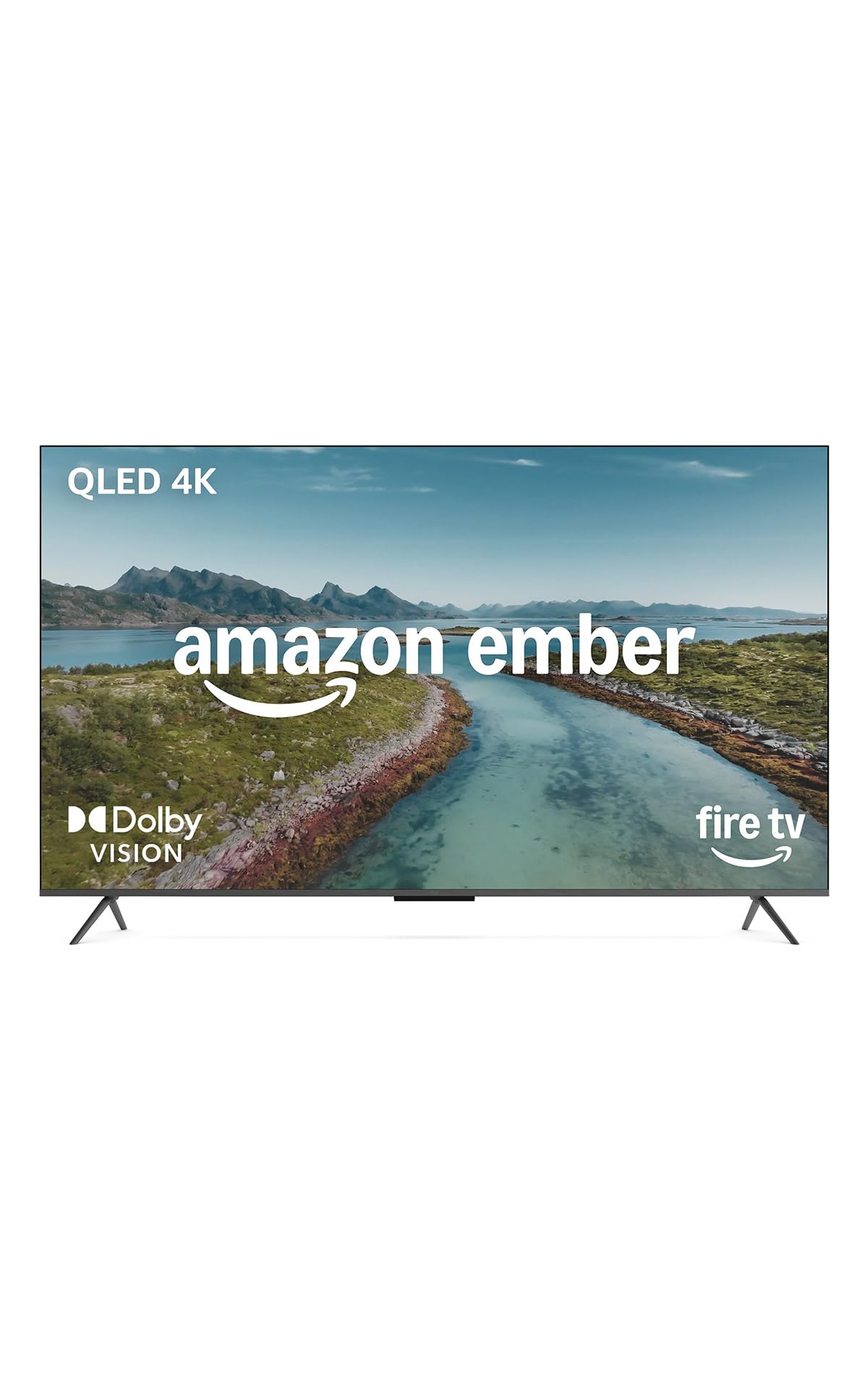
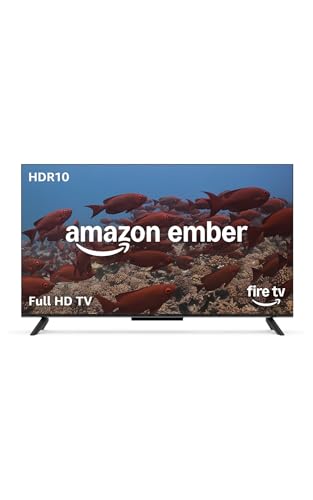

Quick Answer: Three Lineup Tiers in 30 Seconds
The lineup splits cleanly into three tiers. The entry tier covers small HD and basic 4K sets for bedrooms and kitchens, where value matters more than contrast. The mainstream 4K tier suits most living rooms, with stronger brightness, Dolby Vision support on many models, and sizes that fit family seating. The premium tier adds mini LED backlights, higher refresh rates, and hands free voice control for large rooms.
If you buy only one TV, buy the mainstream tier for the room where everyone gathers. Smaller rooms can share the entry tier, because the apps and menus stay identical across the lineup.
Before You Buy: A Quick Checklist for Choosing a TV
Size: Match It to Your Space
Amazon sells sizes from 32 inches through 85 inches, and each step up changes how a room feels. A 32 or 43 inch set suits a kitchen, a small bedroom, or a home office where you sit close. Family living rooms usually land at 55 or 65 inches, and our guide to the best 55 inch tv range explains why that size fits most sofas. Large rooms with wide seating can justify 75 inches or more, if the wall and stand can carry the weight.
Which Type Fits Your Routine
Your daily routine should pick the panel, not the showroom demo. News and streamed dramas look fine on a standard LED panel with 4K resolution. Sports fans should care more about motion handling and brightness, while film lovers gain the most from OLED or mini LED contrast on dark scenes. Every Amazon model runs Fire TV, so households using Prime Video and Alexa remotes will feel at home right away.
Features Worth It (and Ones to Skip)
Pay for Dolby Vision if you stream a lot of film, because it adjusts brightness scene by scene on supported titles. Pay for an anti glare screen only when windows sit opposite the TV. HDMI 2.1 matters mainly for new game consoles, and most family rooms can skip 144Hz panels and 8K resolution. Good speakers are worth a modest premium in a bedroom.
Screen Size for Your Room and Seating Distance
Measure the distance from your main seat to the wall before you fall for a larger screen. A 55 inch TV feels immersive at about 6 to 8 feet, while a 65 inch set suits about 7 to 10 feet, and our notes on the best 65 inch tv class cover that jump. Sitting much closer makes picture flaws easy to spot. Sitting much farther turns subtitles and score bugs into a squinting exercise.
Panel Types: OLED vs QLED vs Mini LED
Panel choice drives contrast, brightness, and price more than any other spec. OLED pixels switch off completely, so night scenes show true black and viewing angles stay wide for corner seats. QLED sets push higher brightness and rich color, which helps in sunny rooms, and our full oled vs qled comparison walks through both. Mini LED sits between them, using many small backlight zones to lift contrast on LED sets without reaching OLED prices on large sizes.
Brightness for Bright vs Dark Rooms
Brightness ratings only make sense once you picture your room at viewing time. A sunny living room with bare windows needs a bright panel, or daytime scenes will wash out. A bedroom or basement corner with curtains can use a dimmer panel, and OLED contrast will shine there instead. If your room sits between those extremes, pick the brighter set, because you can lower brightness at night but cannot add it later.
Smart Platform, Sound and Ports
All Amazon TVs share the Fire TV platform, so apps and profiles behave the same on every tier. Check the port count before you buy, because a cable box, a console, and a streaming stick can fill three HDMI inputs fast. An eARC port matters if you plan to add a soundbar, since it carries full quality audio from the TV apps to the bar over one cable. Built in speakers vary by tier, and premium sets sound fuller.
Realistic Budget Ranges
At under $300, expect entry HD or small 4K sets with basic HDR and modest speakers, fine for a second room. Between about $300 and $500, mainstream 4K sizes around 50 to 55 inches add Dolby Vision and brighter panels. Between about $500 and $800, you reach 65 inch sets and better backlight control. Spending about $800 to $1500 buys the premium mini LED tier, and over $1500 mostly buys the largest screens.
Types Compared: Amazon TV Tiers Without the Guesswork
For Most Homes: The Mainstream 4K Tier
This tier is where most families should spend their money. You get a 4K panel in the sizes living rooms need, HDR support that makes streamed film look richer, and enough brightness for mixed daytime and evening viewing. The price leaves room for a soundbar or a wall bracket. The trade off is contrast, since standard LED backlights cannot match the deep black levels of the premium tier on dark scenes.
For a Tight Budget: The Entry Tier
The entry tier covers bedrooms and kitchens where the screen is a companion rather than a centerpiece. Smaller sets here may be HD rather than 4K, and at 32 to 43 inches viewed from a few feet away, that difference is hard to see on news and casual streaming. You still get the full Fire TV app library and the same remote as the costly tiers. The trade off is sound and brightness, so keep these sets away from big sunny rooms.
For Long Term Use: The Premium Tier
The premium tier earns its price in large rooms where a TV stays in place for many years. Mini LED backlights with many dimming zones keep dark scenes detailed while holding strong brightness for daytime sports. Higher refresh rates smooth fast motion, and extra HDMI 2.1 ports leave room for future consoles. The trade off is simple, since the largest premium sizes cost several times the entry tier.
Our Selection Process for the Best Amazon TVs
We ranked these tiers on picture quality, brightness and HDR handling, the smart platform, sound, ports, and value. Specs come from manufacturer listings, and we weighed patterns in verified buyer feedback, such as comments about glare and remote response. Where buyers disagreed, we favored the factor that affects daily family viewing most, usually brightness and ease of use.
The Amazon TV Lineup Explained (Which Model Is Which?)
Think of the lineup as a ladder rather than a maze. The bottom rung is the compact HD range, built for small rooms and tight budgets. The middle rungs are the mainstream 4K range, split between standard LED models and step up models with better color and Dolby Vision. The top rung is the premium range with mini LED backlights and the widest sizes. Each rung keeps the same Fire TV software, so moving up buys picture and size, not a new system to learn.
Compared with rival brands, Amazon competes on platform simplicity and price for a given size, rather than on panel choice. You will not find an Amazon branded OLED in this lineup, so film fans who want true black should weigh that gap. For most households, the question behind best amazon tv searches is simpler. It is which rung of this ladder fits your room, and the tiers above answer that without pushing you to the top rung.
Common Buying Mistakes to Avoid
- Buying the largest size on sale without measuring seating distance, so the picture overwhelms a small room.
- Ignoring stand width on big sets, then finding your console is too narrow to hold the feet.
- Paying for 8K or gaming refresh rates when your household only streams film and sports.
- Forgetting to count HDMI devices, so a console ends up swapped by hand every night.
- Skipping the return terms on a large screen, which can be costly to send back if the size feels wrong.
Cost of Ownership and Care
A TV keeps costing money after delivery, though the amounts stay modest. Electricity use rises with size and brightness, so a large premium set run all day costs more per year than a small entry set. Budget for a bracket or a wider stand if you go up a size, and read our guide on how to mount a tv before you drill anything. A cracked panel usually costs more to repair than the set is worth.
Care is mostly about heat and dust. Leave space behind the set for the vents, and dust them with a soft brush every few months. For the screen itself, follow the steps in our how to clean a tv screen guide rather than reaching for household glass spray. Turn on automatic updates so Fire TV keeps receiving app support and security fixes.
Your Questions, Answered
How do I clean an Amazon TV screen without damaging it?
Clean the screen when the TV is off and cool, because heat can streak moisture as it dries. Use a dry microfiber cloth first, and only dampen it lightly if fingerprints remain. In homes with hard water, distilled water leaves fewer mineral marks than tap water. Press gently and never spray liquid onto the panel, since drips can run into the lower bezel and reach the electronics behind it.
What should I check before mounting an Amazon TV on a wall?
Check the VESA pattern on the back of your set against the bracket rating, because bolt spacing and weight limits must both match. Confirm your stud spacing before you buy, since wide brackets can span three studs while narrow walls may offer only two. Run cables through the wall only with rated in wall kits, and keep the power cord reachable rather than sealed behind drywall.
What size Amazon TV do I need if my doorway is narrow?
Measure your doorway, hallway turns, and stair width before ordering a 75 inch or larger set, because the shipping box is several inches wider than the panel itself. Many returns start with a box that cannot make a tight turn, not with a picture problem. If access is tight, a 65 inch set often threads through older homes with far less risk, and you can sit a little closer to recover the lost sense of scale.
Which Amazon TV should I buy first for a multi room home?
Upgrade the most watched TV first, even if another room has the oldest set. Viewing hours concentrate in one room, so a better panel there improves far more evenings than spreading the budget across three rooms at once. Once the main room is settled, entry tier sets can refresh the other rooms in later sales, and every screen will still share the same menus.
Is Amazon a good TV brand for long term support?
Amazon supports its TVs through the same account system you use for shopping, which makes warranty claims and replacement remotes easy to trace. Register the set soon after setup so the purchase record and warranty dates sit in one place. Support length varies by tier, so read the warranty term on the listing before you buy, and keep the digital invoice.
Final Thoughts
For most living rooms, the mainstream 4K tier is the best amazon tv choice in this lineup, balancing size, brightness, and price without paying for features a family will rarely touch. The entry tier handles second rooms well, and the premium tier rewards large rooms that host film nights. Check your seating distance and revisit the product table above before you order.


