
Best 83 Inch TVs (2026): Panel Types and Buying Guide
Disclosure: We may earn a commission when you buy through links on this page, at no extra cost to you. As an Amazon Associate I earn from qualifying purchases. Learn more

A practical guide to the best 83 inch TV: panel types, seating distance, ports and delivery fit for living rooms and home theaters.
Picture a family movie night where the sofa fills with people, the popcorn makes its rounds, and nobody has to lean forward to read subtitles or follow the score. That is the moment when a best 83 inch tv earns its place, because the picture finally matches the size of the room and the size of the group watching it.
This guide helps you choose by space, by how your household watches, and by budget. You will compare panel types, seating distances, ports, and ownership costs before you commit. Start with the comparison table below, then use the checklist that follows.

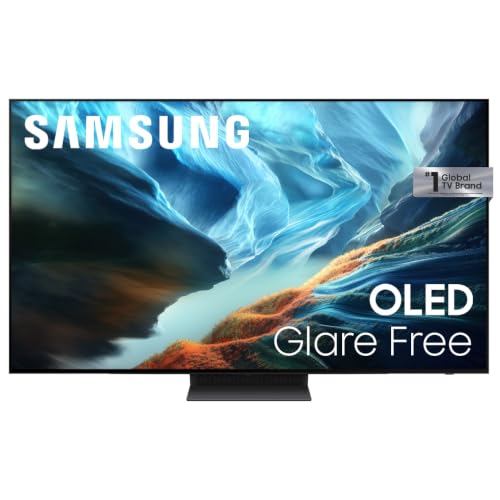


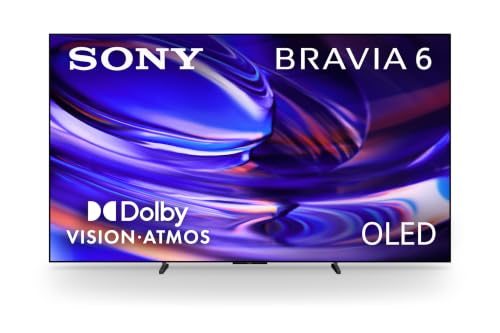
Quick Answer: The Short Version in 30 Seconds
At 83 inches, three panel routes cover nearly every home. OLED suits dark rooms and movie lovers who want perfect black levels. Mini LED suits bright rooms and sports fans who need strong brightness. QD OLED sits at the premium end, pairing rich color with wide viewing angles. Your room and your light matter more than any single spec, so work through the checklist before you fall for a headline feature.
Before You Buy: A Quick Checklist for Choosing a TV
Run through these points in order, until the right type is obvious.
Size: Match It to Your Space
Common sizes run from 32 inch sets for a kitchen up through 43, 50, 55, 65, and 75 inch sets, then 77, 83, 85, and even 98 inch screens at the top. Each step up changes more than the picture. The stand gets wider, the panel gets heavier, and the wall or console must carry more weight. At 83 inches the screen alone spans about 72 inches wide, so measure your furniture and wall before anything else.
Which Type Fits Your Routine
Most large screens today are 4K smart TVs, and 8K rarely adds value at normal seating distances because so little 8K content exists. The real choice is the panel and the platform. OLED, QLED, Mini LED, and QD OLED panels behave very differently in light and dark rooms. Roku, Google TV, and Fire TV platforms differ in app layout, voice search, and how often ads appear on the home screen, so pick a system your whole household can navigate without help.
Features Worth It (and Ones to Skip)
HDMI 2.1 is worth it if a current game console or a gaming PC shares the screen. A 144 Hz panel helps fast sports and gaming look smoother. Dolby Vision adds value for film fans because many streaming services use it. An anti glare screen earns its cost in rooms with windows opposite the TV. Skip paying extra for 8K resolution and elaborate built in sound modes, since a modest soundbar usually sounds better.
Screen Size for Your Room and Seating Distance
For mixed viewing on a 4K screen of this size, plan on seating about 8 to 12 feet from the panel. Closer than that, you may notice individual pixels during news and sports broadcasts, and your eyes will scan side to side during films. Farther away, faces and on screen text shrink and the big screen advantage fades. Measure from the back of your main seat to the wall, not from the front edge of the sofa, because that back cushion distance is where your eyes actually sit.
Panel Types: OLED vs QLED vs Mini LED
OLED pixels switch off completely, so black scenes look truly black and contrast stays strong from wide seats, which suits family rooms where people sit off to the sides. The oled vs qled comparison comes down to this: QLED sets use a backlight, reach higher brightness, and shrug off bright rooms, but black levels lift a little in the dark. The oled vs mini led choice is closer, because Mini LED backlights use many small dimming zones that narrow the contrast gap while keeping the brightness advantage.
Brightness for Bright vs Dark Rooms
Look at your room at the hour you watch most. A living room with large windows and daytime sports viewing needs the strongest brightness you can afford, plus a screen finish that controls reflections. A basement or a bedroom used mainly at night can run a dimmer panel and still look vivid, because your eyes adapt to the dark. Curtains and lamp placement change the picture as much as brightness ratings do, so solve glare with the room first.
Smart Platform, Sound and Ports
Count your sources before you buy. A console, a streaming box, a cable box, and a soundbar need four HDMI ports between them, and the soundbar should use the eARC port so audio passes cleanly. Gamers should confirm at least two HDMI 2.1 ports, since one often doubles as the eARC port. Our guide to the best tv for gaming explains which port specs matter most. Built in speakers on large TVs are usually clear for dialogue but thin for music and films, so budget for external sound if movies anchor your viewing.
Realistic Budget Ranges
Forget entry level price tiers here, because no 83 inch set sells anywhere near them. Value oriented Mini LED and QLED models generally land at about $1,500 to $2,500, trading some contrast and viewing angle for size and brightness. OLED models usually run about $2,500 to $4,000, and flagship QD OLED sets can pass about $4,500. Add about $100 to $300 for a mount, a soundbar, and cables so the full project cost never surprises you.
Three Types Compared: Which 83 Inch Style Fits Your Home
Instead of chasing model names that change every season, match one of these three types to your room and routine.
Best for Most Homes: The OLED Route
Choose OLED if your viewing happens mostly in the evening, your seats spread wide across the room, and films and prestige dramas top your watch list. Perfect black levels make dark scenes look deep rather than washed out, and fast pixel response keeps motion clean without smearing. The trade off is price and care: OLED costs more at this size, and leaving a static news banner or game display on screen for many hours a day, day after day, can leave a faint lasting mark on the panel over time.
Best Value: The Mini LED Route
Choose Mini LED if your room gets real daylight, your family watches a mix of sports, news, and streaming, and you want the lowest cost per inch at this size. Strong brightness holds up at midday, and prices undercut OLED by a wide margin. Viewing angles are the compromise, because color and contrast soften for seats far off to the side. In a narrow room where everyone sits fairly central, that weakness barely matters, and the savings can fund the soundbar and mount.
Best Long Term Investment: The Premium Route
Choose a flagship OLED or QD OLED model if this TV will anchor your home for many years and you want the widest color, the best viewing angles, and the most complete port selection in one purchase. Premium sets also tend to offer better built in speakers and more polished smart platforms. Spending more buys picture quality and convenience, not a longer life span, so weigh it against how many hours a day the screen will actually run.
Our Selection Process for the Best 83 Inch TVs
We judge candidate types against six criteria drawn from manufacturer specifications and verified buyer feedback: picture quality, brightness and HDR handling, smart platform and app support, sound, ports and connectivity, and overall value. Where sources disagree on a spec, we leave the number out rather than guess.
Is an 83 Inch TV the Right Size for You?
It is, if three conditions hold. First, your main seats sit roughly 8 to 12 feet from the screen, as covered in the seating section above. Second, the delivery path works: an 83 inch carton is long and awkward, so measure doorways, hallway turns, and stairwells, and confirm the set can reach the room before you order. Third, you truly want one shared focal point for films, sports, and family viewing. If your room seats viewers at about 6 to 8 feet instead, stepping down a size keeps the same experience for less money, and our guide to the best 65 inch tv covers that range in depth.
Common Buying Mistakes to Avoid
- Measuring the wall but not the stand, then finding the feet hang past the edges of the console.
- Mounting the screen too high, which strains necks during long films; use our guide on how to mount a tv to set a comfortable height before drilling.
- Buying brightness for a dark basement or contrast for a glass walled room, and fighting the room ever after.
- Spending the whole budget on the panel and leaving nothing for a mount, cables, or decent sound.
- Ignoring the return window, because judging a screen this size takes a few evenings at home.
Cost of Ownership and Care
A screen this size draws more power than a small set, especially at high brightness, so lowering brightness for night viewing trims your electricity bill and is easier on your eyes. Expect to replace remote batteries at least once during the life of the TV. Keep the rear vents clear of dust, leave space behind the panel for air flow, and install software updates as they arrive, since updates often fix app faults. Check stand screws or mount bolts once a year.
Your Questions, Answered
What is HDMI 2.1 on an 83 inch TV?
HDMI 2.1 is a connection standard that carries more data than older HDMI versions, which allows a 4K picture at 120 frames per second from current consoles and gaming PCs. It also supports variable refresh rates that keep motion smooth when frame rates dip. One detail the spec sheets bury: only cables labeled Ultra High Speed are certified to carry the full signal, so an old cable can silently limit a new console to lower settings.
How should you clean an 83 inch TV screen?
Turn the TV off and let the panel cool, then wipe gently with a dry microfiber cloth using light pressure and slow circles. For stubborn fingerprints, dampen the cloth slightly with distilled water and wipe again with a dry section. Never spray liquid directly on the screen, never use paper towels, and skip glass cleaners with ammonia, because coatings on large panels can cloud or streak when harsh chemicals touch them.
Will an 83 inch TV fit through a standard doorway?
Usually yes, but the carton decides, not the panel. The box is several inches longer and taller than the TV itself, and it must stay upright, so a tight hallway turn can stop a delivery that a wide front door allowed. Ask the seller for the boxed dimensions, measure your tightest turn, and arrange for two people to carry it, because the weight and awkward grip make solo moves risky.
Can an 83 inch TV work in a bedroom?
Yes, if the bed sits at least about 8 feet from the screen and the set can dim low enough for comfortable night viewing. OLED panels excel here because they hold contrast at low brightness without glowing black bars above and below films. Use the sleep timer and a warm color setting in the evening, and mount the screen so its center lines up with your eyes when you sit up against pillows, rather than at standing eye height.
How long should an 83 inch TV last?
Most modern panels are rated for tens of thousands of hours, which works out to well over a decade at typical evening viewing rates. In practice, the smart platform ages first: apps lose support and menus slow down years before the picture fades. A small external streaming device can refresh an older set for about $30 to $60, far cheaper than replacing a screen whose picture still looks great.
Final Thoughts
Start with your room, not with a spec sheet. Match the panel type to your light, confirm your seating distance and delivery path, and leave room in the budget for mounting and sound. Do that, and the best 83 inch tv for your home becomes an easy call. Before you order, compare your shortlist against the product table above, and if you still weigh sizes, our roundup of the best tv options is a useful next read.


