
Best 55 Inch TV Stands (2026): Types and Buying Guide
Disclosure: We may earn a commission when you buy through links on this page, at no extra cost to you. As an Amazon Associate I earn from qualifying purchases. Learn more
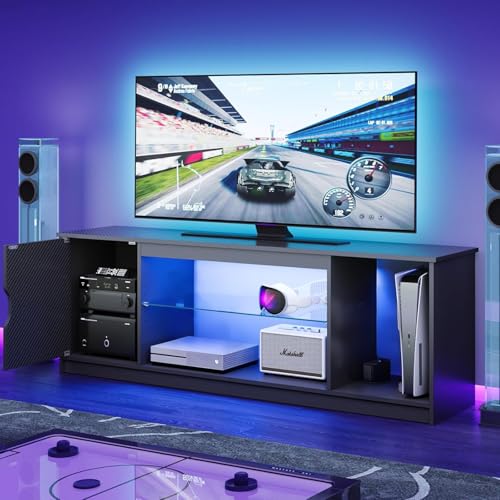
A buying guide to the best 55 inch tv stand: width, weight capacity, storage and materials compared for living rooms and bedrooms.
A 55 inch TV looks balanced only when the stand under it fits the screen, the room, and the gear you connect. Too narrow and the TV feet hang near the edges. Too tall and you end up looking up at every movie. The best 55 inch tv stand for your home solves all three problems at once, and the comparison table below groups the main types by size, storage, and build so you can start with the right shape.
This guide focuses on the types and criteria that actually decide your purchase. You will learn which widths work, how much weight capacity you need, which materials hold up, and which extra features are worth paying for. If you want the broader category first, see our guide to the best tv stand for a wider overview.

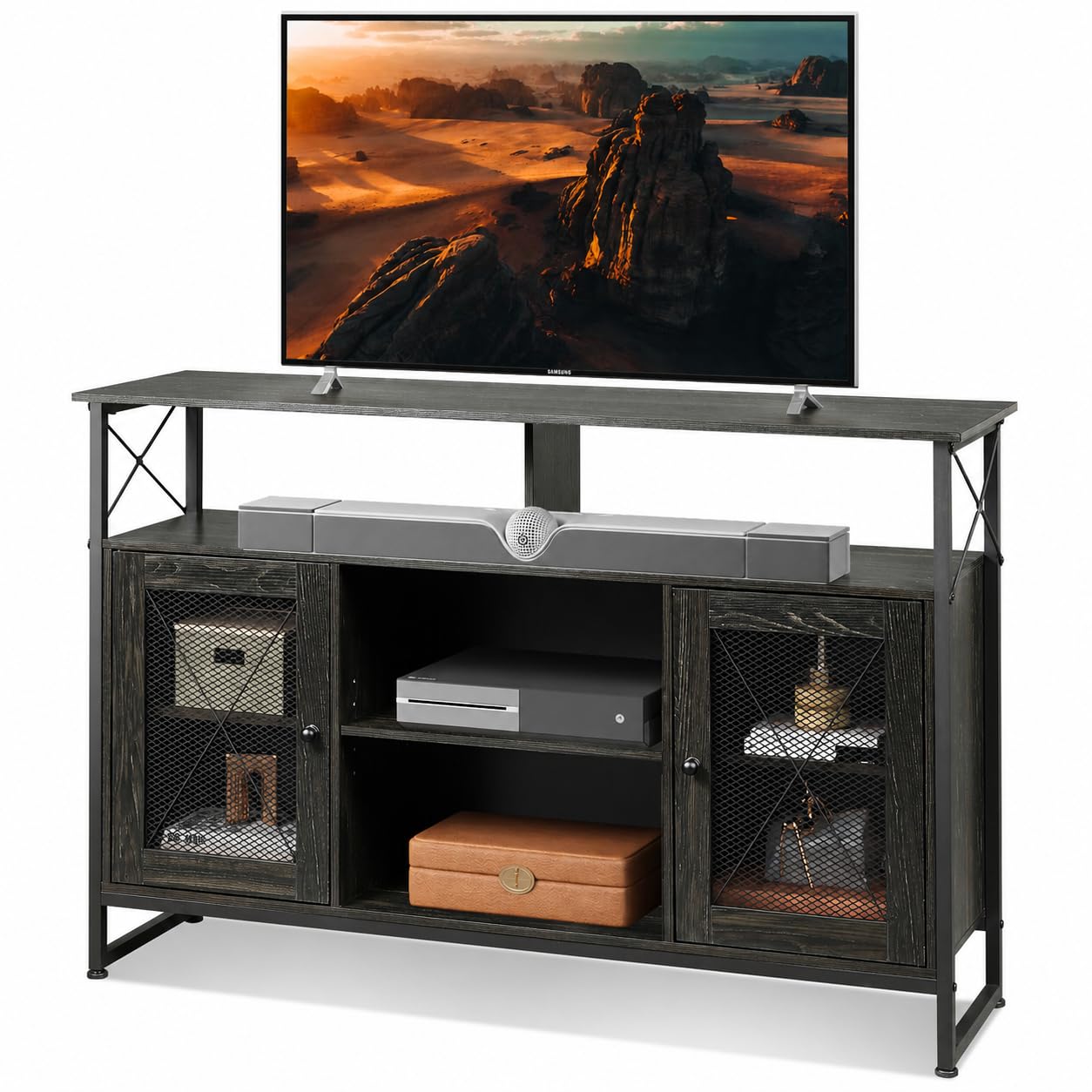
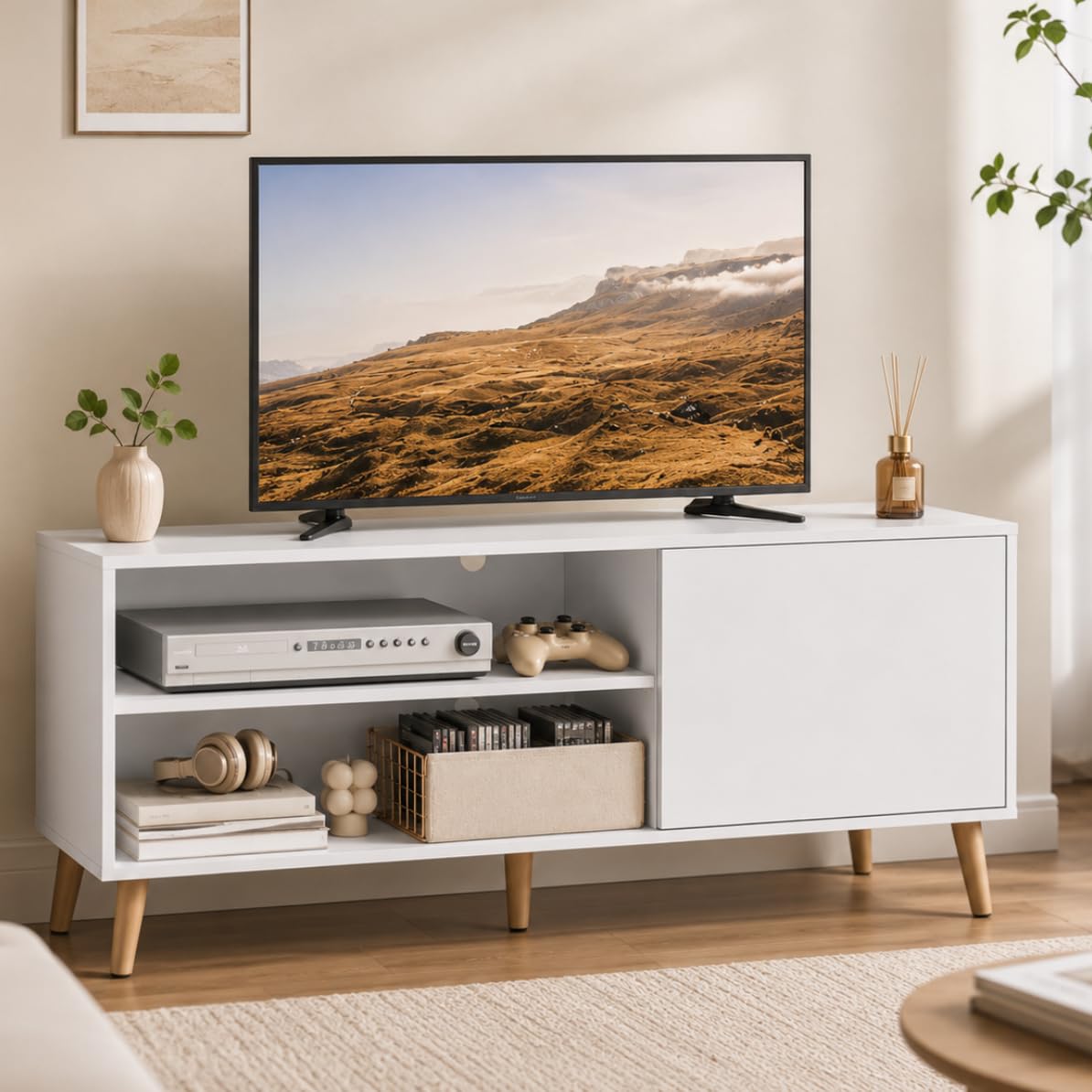
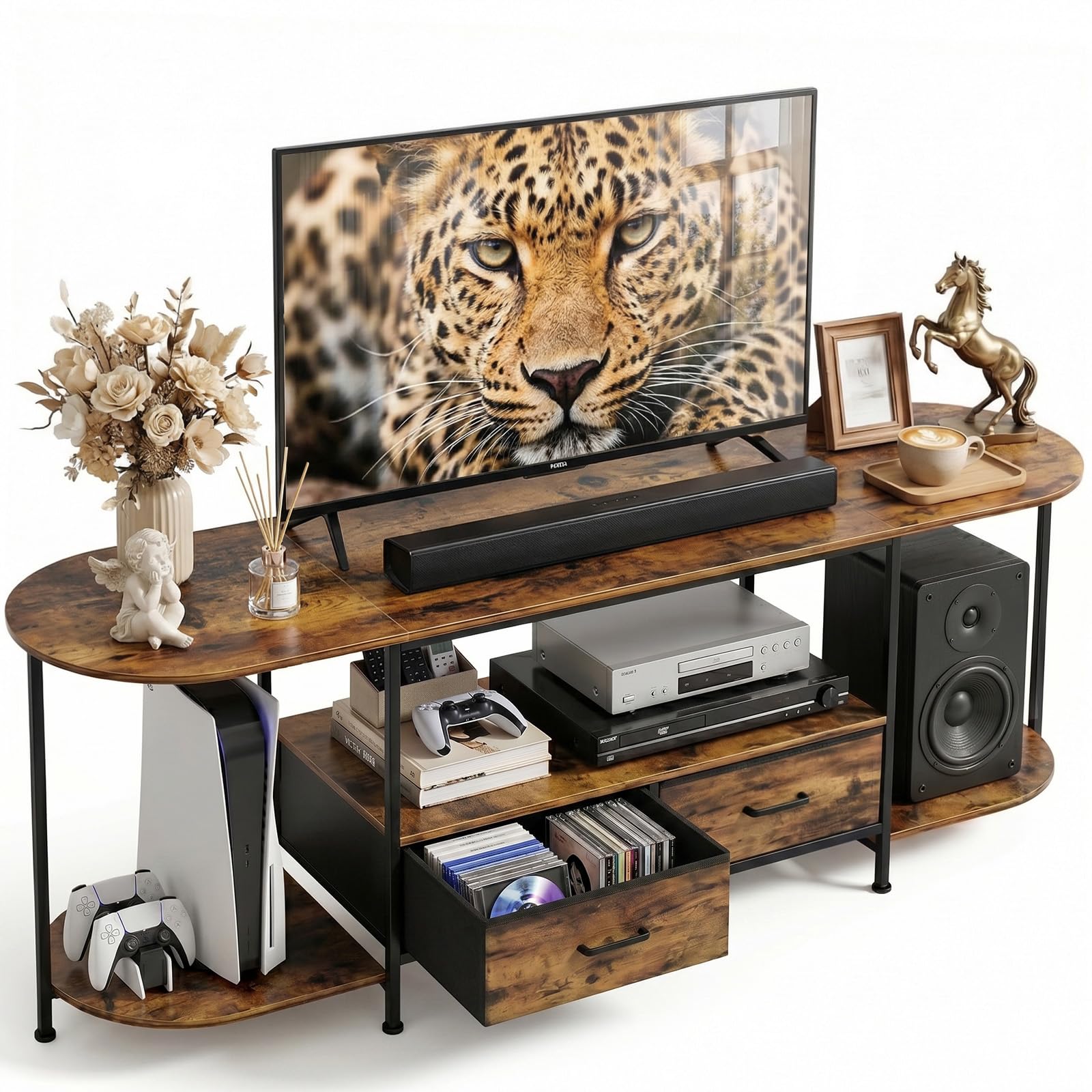
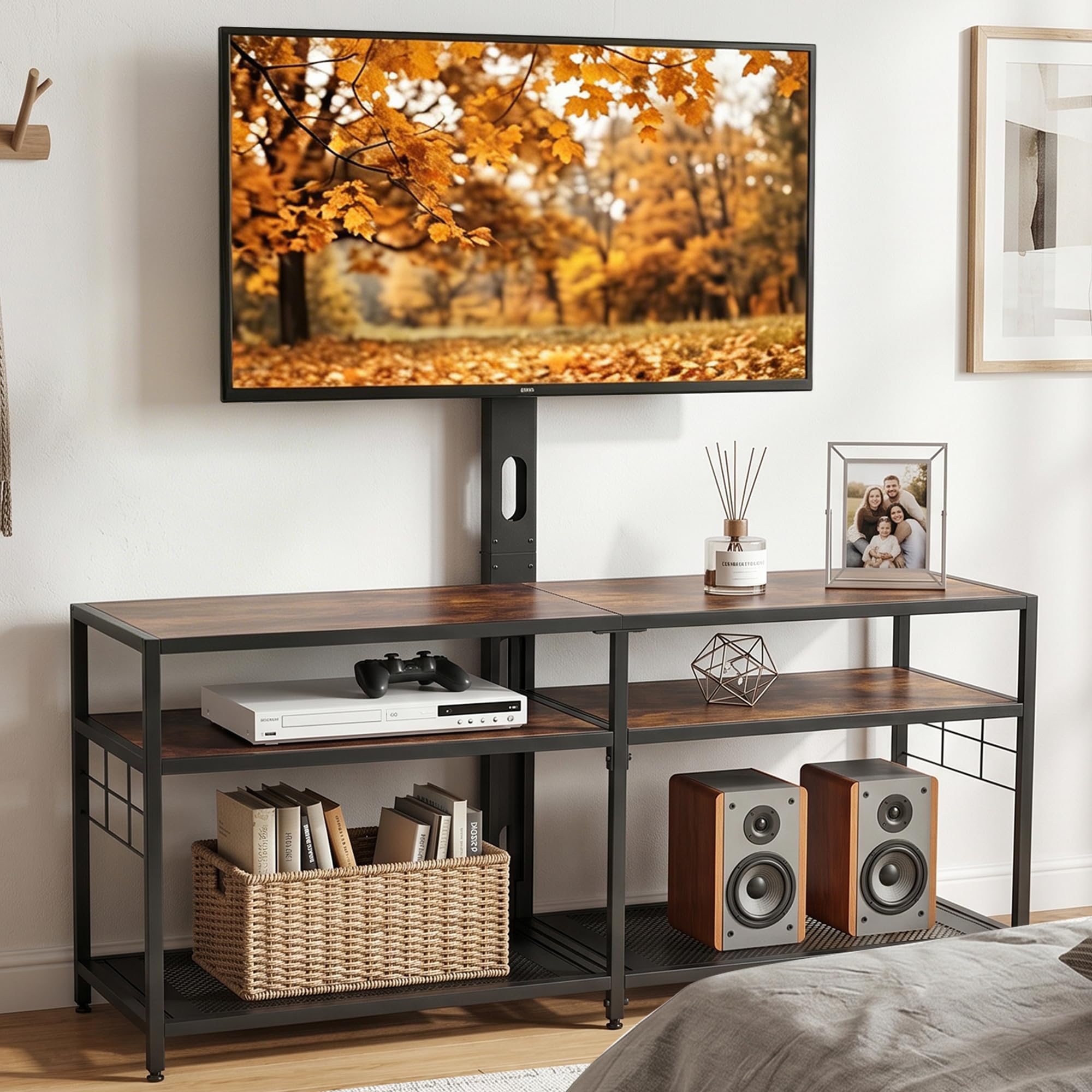

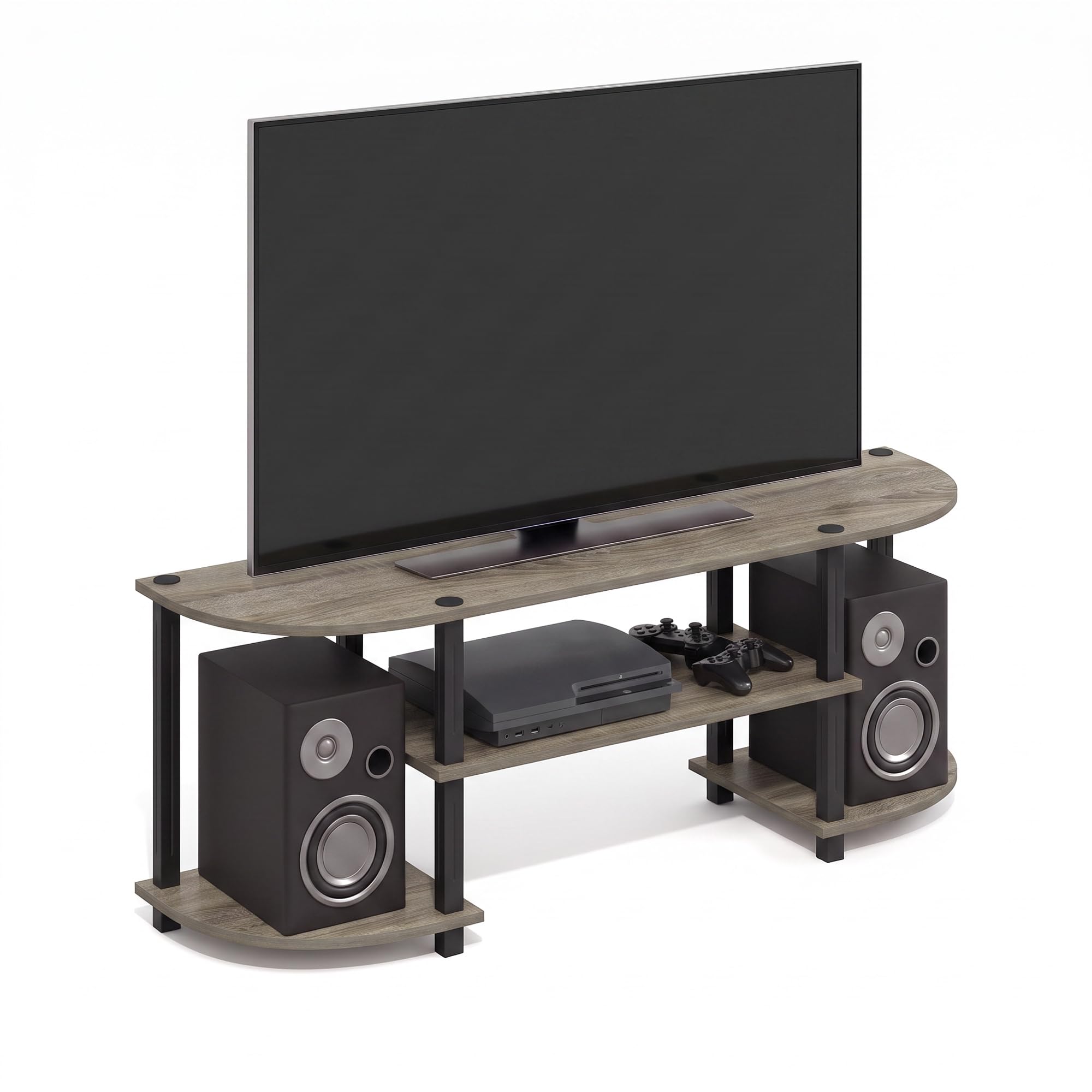
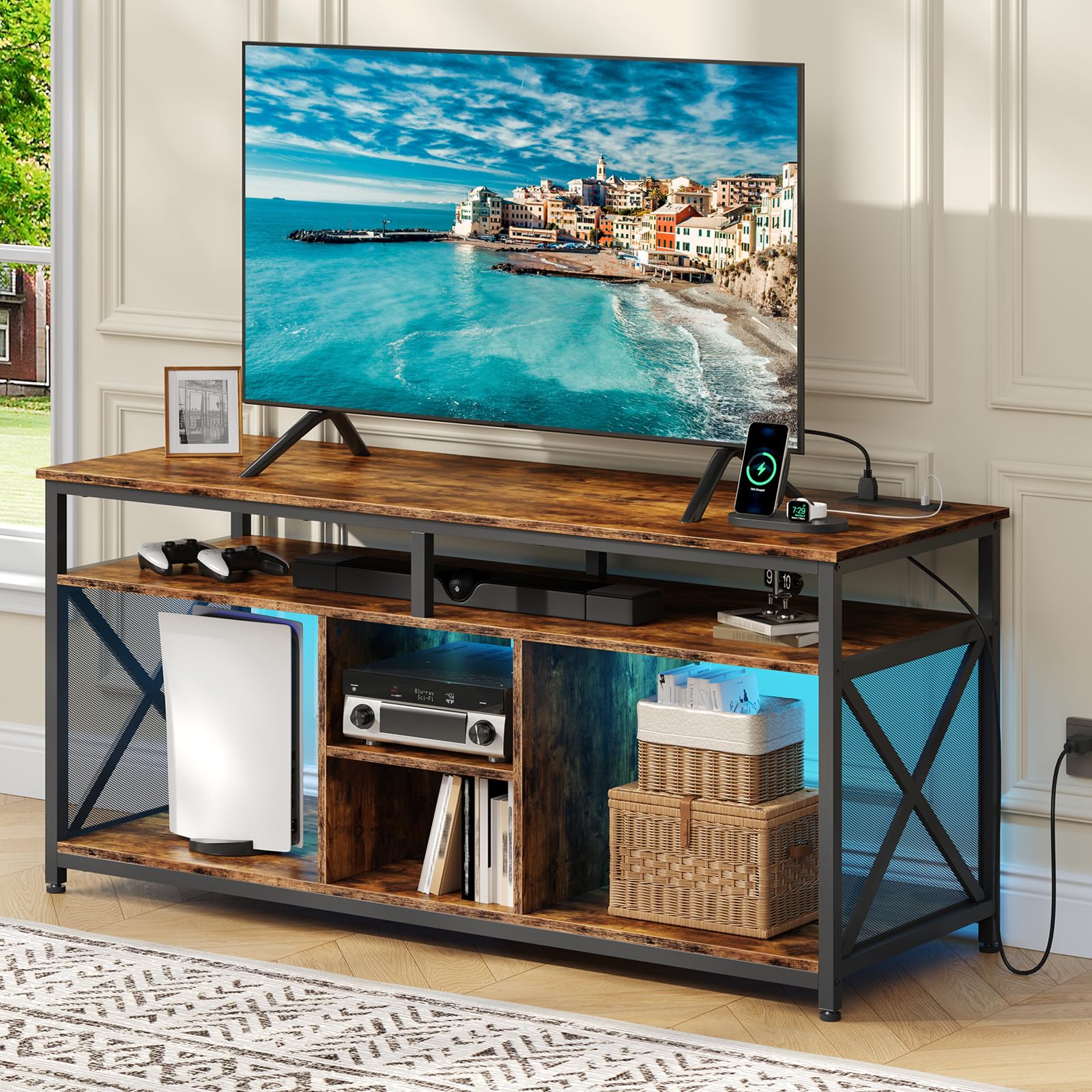

TV Stand Types at a Glance
Three types cover most living rooms and bedrooms. An enclosed console hides gear behind doors and suits tidy rooms. An open shelf stand costs less and vents game consoles well. A premium console adds thicker panels, stronger joinery, and often a mount or an electric fireplace. Match the type to your gear before you compare finishes.
Three Types Worth Comparing for a 55 Inch TV
Best Overall Type: Enclosed Console With Doors
An enclosed console is the safest default for most homes. Doors hide your receiver, game console, and streaming box, while shelves inside keep each device on its own level. Look for rear panels with cutouts so cables and warm air can escape, because a sealed cabinet traps heat around electronics. This type suits families who want a clean front, homes with curious pets, and rooms where the stand doubles as general storage. The main drawback is assembly time, since doors need alignment so the gaps sit even.
Best Budget Type: Open Shelf Stand
An open shelf stand uses two or three exposed levels on a simple frame, and it usually costs the least. Access is easy, remotes always reach their sensors, and air moves freely around warm gear. The trade off is visual. Every cable, dust line, and blinking light stays on display, so plan on cable ties and a covered surge protector to keep it tidy. Choose this type for a bedroom, a first apartment, or a setup you rearrange often, since the light frame moves easily.
Best Premium Type: Console With a Mount or Fireplace
Premium consoles earn their price through thicker tops, sturdier legs, and extras that change how the room works. A built in mount lifts the screen off the top surface, frees space for a soundbar, and lets many models swivel toward your seats. A fireplace version adds visible warmth and a heater for one room. If that idea appeals to you, compare the options in our guide to the best fireplace tv stand before deciding. Check the heater rating and keep the required clearance around it.
How We Chose the Types and Criteria in This Guide
We compared stand types using the factors a buyer can verify on a product page: width against the real width of a 55 inch TV, published weight capacity, panel and frame materials, shelf adjustability, and assembly and warranty terms. Ergonomics matter here as viewing height, since a stand sets where the center of your screen lands.
How to Choose the Right TV Stand
Size and Form Factor
A 55 inch TV measures about 48 to 49 inches from side to side, because the 55 inch figure is a diagonal screen measurement. A stand about 54 to 60 inches wide leaves a small margin on each side and looks settled rather than crowded. Measure your wall space as well, and leave room to open doors and reach the back panel. Our explainer on what size tv stand do i need walks through measuring for other screen sizes too.
Type
Modern consoles use flat fronts and simple lines, farmhouse styles add framed doors and a warmer finish, and mid century pieces stand on tapered legs. Floating and wall mounted units free the floor but need solid wall fixing and a plan for cables inside the wall. Corner stands angle into unused space in small rooms, while low profile and tall stands differ mainly in viewing height. Pick the type that fits your wall, your floor plan, and how much gear must fit inside, then choose the finish last.
Features Worth Paying For
Storage comes first, since shelves and drawers decide whether your gear fits at all. Doors earn their cost when you want a calm front or need to keep small hands away from equipment. Built in power outlets reduce the cable run to the wall, and LED lights help you see rear connections in a dark cabinet. A mount is worth paying for when the TV feet are too wide for the top or when you want swivel. Skip extras you will not use, because each one adds weight, assembly steps, and cost.
Stand Size and Weight Capacity
Most 55 inch TVs weigh about 25 to 40 pounds, and your stand also carries a soundbar, consoles, and sometimes a stack of games or books. Add the weight of everything you plan to place on it, then choose a stand rated comfortably above that total. Check the rating for the top surface itself, not just the whole unit, since makers sometimes list a combined figure. Wide feet spacing matters too. If your TV has feet near its ends, the top must be long enough to support both feet with room to spare.
Adjustability
Adjustability on a TV stand means height, shelf position, and screen angle rather than anything you wear or sit on. Some consoles offer shelves that move in small steps, which helps when a tall receiver shares space with a shorter streaming box. Mount equipped models may tilt the screen down slightly or swivel it toward a side chair. Fixed stands give you none of this, so your only height control is the stand height you buy. Decide before ordering which adjustments you truly need, because you cannot add them later.
Materials and Durability
Solid wood is strong and can often be sanded and refinished, but it costs more and reacts to big swings in humidity. Engineered wood with a quality veneer or laminate gives a flat, stable panel at a lower price, though edges can chip if they take a hard knock. Metal frames feel rigid and suit open designs, while glass tops show dust and need careful weight checks. Whatever you choose, look for a level top, tight joints, and feet that sit flat, since a small wobble grows worse once a TV is on top.
Assembly and Warranty
Most consoles arrive flat packed and take one to two hours to build with a screwdriver and a helper for the heavy panels. Lay every part out first, confirm the hardware count, and tighten fasteners in the order the manual gives so the frame stays square. Our step by step guide on how to assemble a tv stand covers the process in detail. For warranty, one year is common at lower prices, and longer cover on the frame is a good sign. Keep the manual, because it lists the part numbers you need for replacements.
How Much Should You Spend?
At the low end, a simple open shelf stand usually costs under $100 and suits light gear. Spending about $100 to $200 adds doors, better finishes, and higher weight ratings. About $200 to $300 brings thicker panels, smoother door hardware, and more storage. About $300 to $500 covers solid wood pieces, mount equipped consoles, and fireplace models. Spend more only when the upgrade solves a real problem, such as heat, storage, or screen height, rather than for decoration alone.
Is a 55 Inch TV Stand the Right Size for You?
If your TV is a 55 inch model, yes, a stand in the 54 to 60 inch range is the natural match, and it also gives you a little headroom if you later move to a slightly larger screen with narrow feet. It is the wrong size when your room is very small and a corner or floating unit would return floor space, or when your soundbar and consoles need a deeper cabinet than most stands this size offer.
Think about growth before you buy. A viewer planning a bigger screen soon may prefer to size up now, and our guide to the best 65 inch tv stand shows what changes at the next step. Households with a much larger screen already should look at the best tv stand for 75 inch tv instead, since width and weight needs rise quickly. Buying the right size once costs less than replacing a stand that feels cramped within a year.
FAQ
What is the best 55 inch tv stand?
The best choice for most homes is an enclosed console about 54 to 60 inches wide with a weight rating above your full setup and shelves that fit your tallest device. Open stands suit tight budgets and hot running gear, while mount and fireplace consoles suit rooms that need swivel or extra warmth. Also check the viewing distance in your room, since a stand that pushes the TV far forward can shorten an already tight seating gap.
What size TV stand do I need for a 55 inch TV?
You need a stand at least as wide as the TV itself, and a few inches wider looks and feels safer. One detail many buyers miss is the distance between the TV feet, which on many 55 inch models sits close to the full width of the screen. Measure that gap on your own TV and compare it with the usable length of the stand top, because a stand can be wide overall yet have raised trim that shortens the flat area.
How long does a TV stand last?
A well built stand can serve for many years, since it has no moving parts apart from doors and hinges. Its life ends sooner when panels get wet and swell, when joints loosen and the unit starts to lean, or when the middle of the top begins to sag under weight. Treat any of those signs as a reason to replace the stand rather than repair it, because a TV that tips or falls costs far more than new furniture.
Is a TV stand worth it instead of wall mounting a TV?
A stand is worth it when you rent, when your wall has no suitable studs, or when your gear needs a home directly under the screen. It also lets you move the whole setup without patching holes. Wall mounting wins when floor space is scarce or small children climb furniture, though you still need somewhere for consoles and a soundbar. Many households combine both, mounting the screen while keeping a low console beneath it for storage and cable control.
How do you clean a TV stand?
Dust weekly with a dry or slightly damp cloth, working from the top down so dust falls to the floor last. Keep water away from the seams and edges of engineered wood, since moisture that soaks in can lift the finish and swell the panel. For glass, a small amount of glass cleaner on the cloth, not sprayed on the surface, avoids drips reaching electronics below. Move devices once in a while to clear the dust and crumbs that gather behind them.
What is the most reliable TV stand brand?
No single brand is most reliable across every price range, and reliability varies more by model than by name. Better signs are a published weight rating for each surface, a warranty that covers the frame for more than a year, and spare parts you can order after purchase. Reviews that mention level tops and doors that still align after months of use tell you more than a famous logo. Check recent buyer reports for the exact model you want before you order.
Final Thoughts
Start with width, then weight capacity, then storage, and let style come after those three checks. The product table above gathers the main types side by side so you can compare them on those points. Chosen well, the best 55 inch tv stand keeps your screen at a comfortable height, hides the cables you do not want to see, and gives every device a safe place to sit for years.


