
Best 98 Inch TV for 2026: A Guide That Fits Real Homes
Disclosure: We may earn a commission when you buy through links on this page, at no extra cost to you. As an Amazon Associate I earn from qualifying purchases. Learn more

Planning a 98 inch TV for a family room or movie room? Check seating distance, panel type, brightness, ports and total cost.
A 98 inch screen changes how a room feels. Movie night stops being a group of people watching a television and starts feeling like a small theater, but only if the seating, the light in the room, and the wall itself can support a panel this large. Choosing the best 98 inch tv is less about chasing the longest spec list and more about matching panel type, brightness, and ports to the people who will use the screen every day.
This guide walks you through that match step by step. You will find buying profiles for shared family rooms, bright rooms used for sports, and darker rooms set aside for films, plus the checks to run before delivery day. The comparison table below gathers the key specs side by side, so keep it open as you read the sections that follow.

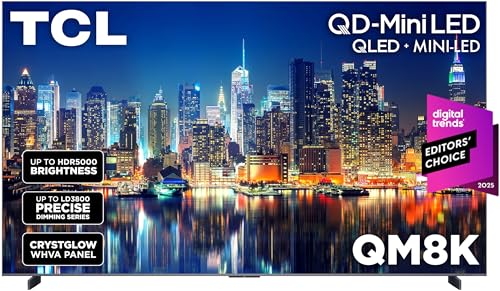


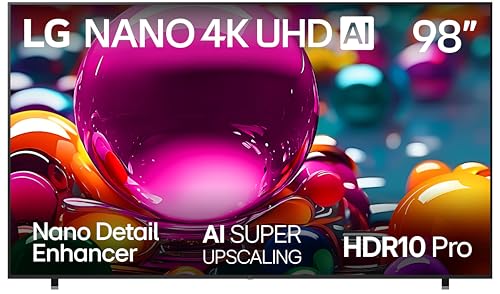
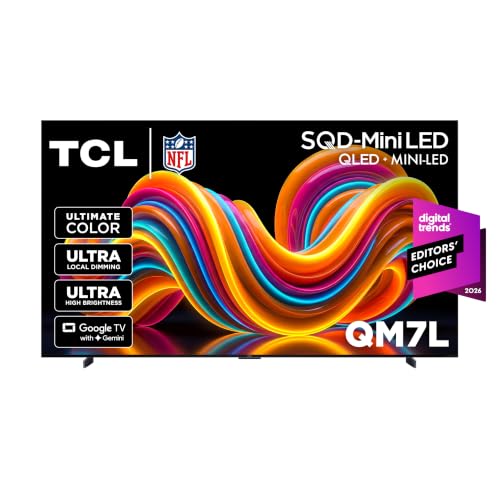

Quick Answer: Three Buying Profiles to Start From
Most households shopping at this size fall into one of three profiles, and each profile points to a different set of priorities. Start with the profile that sounds like your home, then use the checklist sections to confirm the details before you spend anything.
Profile One: The Shared Family Room
Your screen will show cartoons in the morning, news at lunch, and a film after dinner, with people watching from seats spread across the room. Prioritize wide viewing angles, so the picture stays even for viewers on the far ends of a sofa, and a smart platform that every age group in the house can operate without help. Strong reflection handling matters more here than peak contrast, because family rooms rarely go fully dark.
Profile Two: The Bright Room Sports Setup
If your room has large windows and weekend sports are the main event, brightness is your top spec. Look for high sustained brightness, a finish that cuts glare, and smooth motion handling so fast play stays clear without blur. A native refresh rate of 120 Hz or higher helps here, and it also future proofs the screen for newer consoles. Sound output matters less, since many sports fans add a soundbar early on.
Profile Three: The Dedicated Movie Room
In a room you can darken, contrast becomes the star. Panels that control light at the pixel level or in very small zones deliver deep blacks and clean shadow detail, which is what makes night scenes in films look right. Support for the main HDR formats, accurate color out of the box, and a filmmaker style picture mode should outrank raw brightness on your list. Plan seating a little closer, because this profile is about immersion.
Before You Buy: A Quick Checklist for Choosing a TV
Screen Size and Seating Distance
A 98 inch panel measures about 86 inches wide and about 48 inches tall before you add the stand or mount. For 4K content, most viewers find a seating distance of about 7 to 10 feet gives a wide, immersive picture without forcing constant eye movement. Measure your main seat, not the closest chair, and confirm the screen width leaves room for speakers and furniture on both sides. If your main seat sits much beyond 12 feet, this size still works, but the theater feeling fades.
Panel Types and What They Mean for Your Room
At 98 inches, most screens use LED backlighting with either a standard array, a Mini LED array with many small dimming zones, or a quantum dot color layer often sold as QLED. Mini LED designs usually reach higher brightness and control dark scenes better than basic LED sets. True OLED panels are rare at this exact size, so our explainer on oled vs qled is worth reading if you are also weighing a slightly smaller OLED against a 98 inch LED model.
Brightness for Bright and Dark Rooms
Brightness decides whether the picture holds up at midday. In a room with uncovered windows, look for high peak brightness and strong reflection handling, and place the screen so windows sit to the side rather than directly opposite it. In a dark room, you can trade some brightness for better local dimming and contrast. Our comparison of oled vs mini led explains how each approach handles black levels, which matters most once the lights go down.
Features Worth Paying For and Ones to Skip
Pay for HDMI 2.1 ports, a 120 Hz or higher native panel, support for the HDR formats your streaming services use, and an anti glare finish if your room is bright. Good built in speakers are worth it only if you have no plans for a soundbar. You can usually skip 8K resolution at this size, since almost no 8K content exists to watch, and you can skip elaborate ambient lighting extras and voice assistants you will never enable. Spend the savings on the panel and the mount instead.
Smart Platform, Sound and Ports
Every set at this size is a smart TV, so judge the platform on speed and app coverage rather than on the logo. Menus should open without lag, and the services your household uses should all be present without a separate streaming stick. Count the ports before you buy: most homes need at least three HDMI inputs, one of them with eARC for a soundbar, plus an optical output as a backup. Built in speakers on large flat panels face limits, so budget for external sound if dialogue clarity matters to you.
Realistic Budget Ranges
Forget the small TV price bands you may know from smaller screens, because a 98 inch panel is a premium purchase. Entry level models at this size generally run about $1500 to $2500 and cover the basics well for bright family rooms. The middle band, about $2500 to $4000, is where Mini LED backlighting, higher brightness, and better motion handling usually appear. Above about $4000, you are paying for the strongest contrast, the most refined processing, and build quality meant to anchor a dedicated theater room.
How to Judge a Screen This Size
Judge 98 inch televisions on six criteria: picture quality, brightness and HDR handling, smart platform and apps, sound, ports and connectivity, and value for the total price. Use published manufacturer specifications and patterns in verified buyer feedback about delivery, setup, and daily use as your evidence. Weigh long term ownership factors, such as warranty length and software update support, alongside the headline specs.
Is a 98 Inch TV the Right Size for You?
Start with the honest alternative check. If your seating sits about 5 to 7 feet from the screen, an 85 inch set will fill your view nearly as well and cost far less, and our guide to the best tv options across all sizes can help you compare that tradeoff. A 98 inch screen earns its price when your main seat is about 7 to 10 feet away, several people watch at once, and you want films and big games to feel like events rather than background viewing.
Then check the physical side, because this is where most returns begin. The panel alone can weigh about 90 to 140 pounds, so a wall mount needs studs or solid backing, two adults for lifting, and a mount rated well above the screen weight; our step by step walkthrough of how to mount a tv covers the process in detail. Measure doorways, hallway turns, and any elevator on the delivery path, and confirm the stand footprint if you plan to use a media console, since many consoles are narrower than this screen is wide.
Viewing angles deserve one last look. On many large LED panels, the picture loses contrast and color when you sit well off to the side. If your room has seats spread wide, favor panel types known for a wider usable angle, or arrange the main seating more centrally. A short visit to a showroom, standing where your side seats would be, tells you more than any spec sheet on this point.
Common Buying Mistakes to Avoid
- Ordering before measuring the delivery path, so the boxed screen cannot turn a hallway corner or fit through a doorway.
- Choosing a stand or mount rated too close to the panel weight, which risks sag, tilt, or a dangerous fall.
- Paying for 8K resolution or extra smart features while settling for a dim panel that washes out in your bright room.
- Forgetting the cost of a soundbar, a proper mount, and in wall cable routing, so the real total lands well above the screen price.
- Sitting far off axis on a panel with narrow viewing angles, then blaming the TV for a picture that only looks right from the center seat.
Cost of Ownership and Care
Running costs stay modest for the screen itself, since a large LED panel typically draws a few hundred watts at full brightness and far less in a dark room picture mode. The bigger ownership costs are the one time extras: a heavy duty mount, a soundbar, surge protection, and possibly professional installation, which many buyers at this size wisely choose. Add an extended warranty to your comparison if the standard cover is short, because a repair visit for a panel this large is never a small bill.
Care is simple but worth doing right. Dust the screen with a dry microfiber cloth, and for smudges use a cloth barely dampened with water, never household glass cleaner or paper towels, which can damage the surface coating; our full walkthrough of how to clean a tv screen explains the safe method step by step. Keep vents clear, avoid placing the TV above a working fireplace where heat builds up, and install software updates when the set offers them, since updates often improve app stability and security.
Your Questions, Answered
What is HDMI 2.1 on a 98 inch TV?
HDMI 2.1 is the port standard that carries 4K video at 120 frames per second from current game consoles and gaming PCs. It also supports eARC for high quality sound to a soundbar and features that sync the screen refresh with the source to prevent tearing. Check how many ports on a given model are full HDMI 2.1, because some sets offer it on only one or two inputs.
How should a 98 inch TV screen be cleaned safely?
A 98 inch TV screen should be cleaned with a dry microfiber cloth first, using light pressure and slow circular motions. For stubborn fingerprints, dampen the cloth slightly with distilled water and wipe again, then dry the area with a second cloth. One point many owners miss: clean in the morning when the panel is cool and room light reveals smudges at an angle, which makes missed spots easy to spot.
Can a 98 inch TV be mounted by one person alone?
No, a 98 inch TV should never be lifted or mounted by one person alone. Panels at this size can weigh about 90 to 140 pounds and are awkward to grip, so plan on two adults for the lift and a third person to guide alignment if you can. Hiring an installer is a reasonable cost at this size, and many retailers offer it at checkout for less than the price of repairing a dropped screen.
What size TV does a room with seating 8 feet away need?
A room with main seating about 8 feet from the screen is right in the sweet spot for 98 inches, especially for films and sports. At that distance, a 4K picture at this size fills roughly 40 degrees of your view, which feels immersive without visible pixel structure. If some seats sit much closer, around 5 feet, those viewers may prefer an 85 inch screen, so weigh which seats get used most.
What makes one 98 inch TV better than another for family use?
For family use, the deciding factors are wide viewing angles, reflection handling, a simple and fast smart platform, and clear built in sound for everyday shows. Peak contrast matters less in a lit room than how the screen copes with lamps and windows. A useful extra check is the remote: large, simple controls and a quick way to switch inputs save daily frustration for kids and grandparents alike.
Final Thoughts
A screen this large rewards careful matching more than any other TV purchase. Decide your profile first, confirm the seating distance and the delivery path, and let brightness and panel type follow from your room rather than from a spec sheet. When those pieces line up, the best 98 inch tv for your home will make ordinary weeknight viewing feel special for years. Compare the finalists in the product table above, add the mount and sound costs to each total, and order only once the physical checks are done.


