Best Amateur Cameras for 2026: Which One Fits the Way You Use It?
Disclosure: We may earn a commission when you buy through links on this page, at no extra cost to you. As an Amazon Associate I earn from qualifying purchases. Learn more

Best amateur cameras made simple: match sensor size, lenses, video and low light needs to how you shoot, plus sensible spending.
There is no single model that suits every amateur photographer, because the right camera depends on what you photograph, where you carry it, and how much control you want. Shopping for best amateur cameras works better when you start with your own habits instead of a spec sheet. The product table gives a quick overview, and the sections that follow explain how to match a camera type to your daily use.
An amateur camera should make photography enjoyable rather than frustrating. It should be easy enough to learn, strong enough for your usual subjects, and light enough that you actually take it with you. A camera left at home because it is heavy or confusing will not improve your pictures, no matter how good its sensor looks on paper. Think about your most common shooting days first, then judge features against those days.

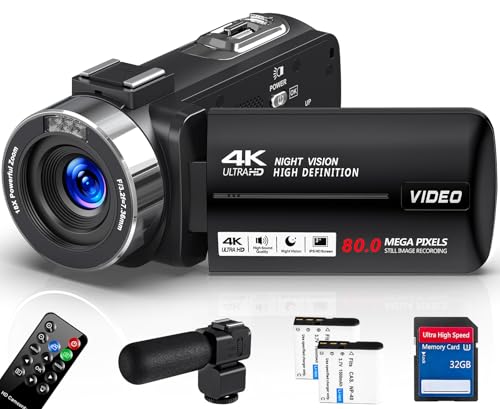


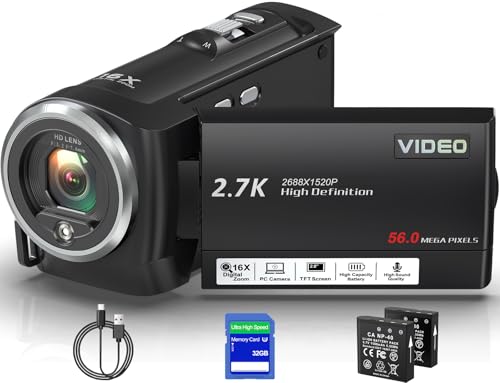
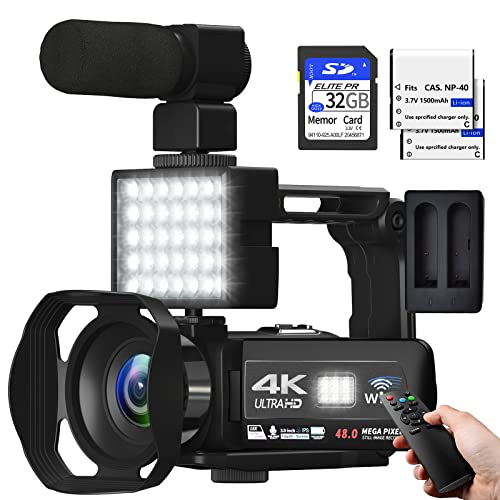

Who Should Buy Which Amateur Cameras?
Different users need different strengths. A traveler values size and battery life, while a student may value simple controls and a forgiving price. The groups below are a starting point, not a strict rule, and many people will fit more than one group.
For Travelers and Commuters
Travelers need a camera that fits in a small bag, starts quickly, and survives a long day out. A compact body, a useful zoom range, and a battery that lasts all day matter more than extreme resolution. Look for a comfortable grip, a screen in bright light, and a strap that keeps the camera secure while you move. A camera that is easy to carry will be used far more often than a larger camera with slightly better image quality, and for compact options, see our guide to the best amateur digital cameras.
For Students and Everyday Users
Students and everyday users usually want a dependable camera for family events and weekend outings. Simple automatic modes, reliable autofocus, and good performance in ordinary indoor light are more useful than advanced manual controls you may rarely touch. A sensible price also matters, since money saved can go toward a memory card, spare battery, or protective bag. Choose a camera you can learn gradually, with room to try manual settings when you feel ready, and our guide to the best cameras for amateur photographers explains how automatic modes and manual controls compare.
For Family and Hobby Photographers
Family and hobby photographers often photograph children, pets, sports practice, and gatherings where moments pass quickly. Fast and accurate autofocus, a decent burst rate, and a lens that reaches across a room or a field are practical advantages. Image stabilization helps when you shoot handheld indoors or at dusk. Consider how the camera handles moving subjects and whether its controls stay simple when you are busy watching the scene rather than the settings; if family video matters, our guide to the best amateur video cameras covers frame rates and audio in more detail.
Matching a Camera to a Specific Need
Once you know your main use, a few targeted questions can narrow the field. Ask whether you print large photos, shoot mostly for sharing online, record video often, or work in dim rooms. Each answer points toward a different balance of sensor size, lens choice, and video features, and it can prevent you from paying for strengths you will rarely use.
Best Amateur Cameras to Get: What to Prioritize
When you are ready to choose, prioritize fit over headline specs. First, check that the camera feels comfortable in your hands and that its menus make sense to you. Second, look at the lens options for your subjects, since a versatile zoom or a bright prime lens often matters more than a small sensor upgrade. Third, confirm battery life, storage type, and charging method suit your routine, especially if you travel or shoot away from power outlets.
Key Features to Compare
The features below affect everyday results more than marketing numbers do. Read each one in terms of your own subjects, and remember that a strength in one area often involves a tradeoff in size, price, or simplicity.
Sensor Size and Image Quality
Sensor size affects detail, dynamic range, and low light behavior, but megapixels alone do not tell the whole story. A larger sensor usually captures cleaner images in dim light and gives more control over background blur, while a smaller sensor allows a smaller and lighter camera. For most amateur use, a well designed sensor with good processing will matter more than the highest pixel count. Compare sample images at normal viewing sizes rather than judging by numbers alone.
Size, Weight, and Ergonomics
Size and weight decide whether a camera becomes a daily companion or a shelf item. A compact camera slips into a jacket pocket, while a larger mirrorless body may need a dedicated bag but offers a better grip and more direct controls. Hold the camera if you can, and check button placement, viewfinder comfort, and how the weight balances with the lens attached. If you shoot for hours, comfort matters as much as image quality.
Lens and Zoom Range
The lens shapes what you can photograph. A wide zoom covers landscapes and indoor rooms, a longer zoom reaches distant subjects, and a bright aperture helps in low light and for soft backgrounds. Optical zoom uses the lens itself and preserves detail, while digital zoom crops the image and reduces quality. Think about whether you want one flexible zoom, a set of interchangeable lenses, or a fixed lens camera with a simpler setup, and for interchangeable lens options, see our guide to the best amateur dslr cameras.
Video Capabilities
Many amateur photographers now record video as well as stills, so check video resolution, frame rates, and audio options together. Smooth 4K video is useful for family clips and short projects, but it also needs more storage and battery power. A microphone input helps if you record interviews or narration, and a flip screen makes self recording and low angle shots easier. If video is only occasional, a simpler video mode may be enough.
Low Light Performance
Low light performance matters for indoor events, evening walks, and restaurants. A larger sensor, a brighter lens, and effective stabilization all help, but each comes with a cost in size or price. Higher ISO settings let you shoot in darker rooms, yet very high settings can add noise and soften detail. A camera with clean results at moderate ISO levels and a lens that gathers plenty of light will serve most amateur photographers better than extreme ISO claims.
Common Mistakes to Avoid When Buying Amateur Cameras
- Judging only by price, without checking whether the camera suits your subjects and shooting style.
- Ignoring sensor size and lens choice, and assuming the highest megapixel count means the best pictures.
- Buying a body that is too large or too complex to carry and learn comfortably.
- Forgetting to check warranty terms, return terms, and the cost of memory cards and spare batteries.
- Choosing a camera for rare situations, such as professional sports, instead of your everyday photography.
Care and Maintenance Tips
Simple care keeps an amateur camera working well for years. Use a lens cloth, not your shirt, to clean the front element, and keep a lens cap on when the camera is in a bag. Carry a spare battery for long days, and store the camera in a dry, padded bag away from dust, sand, and sudden temperature changes.
Check the lens mount, battery contacts, and memory card slot occasionally, and update the camera software when the maker releases a fix. If the camera gets wet, dry it gently and let it air out before charging or changing lenses. Good habits protect image quality and reduce repair costs, and they matter more than any single accessory.
Amateur Cameras: Your Questions Answered
What specs matter most for beginners?
For beginners, reliable autofocus, sensible sensor size, and a versatile lens matter most. Autofocus decides whether moving subjects stay sharp, the sensor affects low light results, and the lens decides what you can frame. A clear menu system and a comfortable grip also matter, because a camera you enjoy using will teach you faster than a complex camera you avoid. Battery life and storage costs round out the practical picture.
Which camera type is better for low light?
A camera with a larger sensor and a bright lens usually performs better in low light. The larger sensor gathers more light per pixel, which helps keep noise down, and a bright lens lets in more light without raising ISO as far. Stabilization adds another advantage for still subjects by allowing slower shutter speeds handheld. For moving subjects in dim rooms, however, a bright lens and fast autofocus matter more than stabilization alone.
How much should I spend on my first camera?
Most first time buyers do well with a budget of about $300 to $800 for the camera body and a basic lens, depending on the type chosen. That range usually buys reliable autofocus, good image quality, and useful video without professional level costs. Reserve some money for a memory card, a spare battery, and a bag. Spending more makes sense mainly when you need a larger sensor, weather sealing, or a specialized lens for a regular hobby.
Is a smartphone enough instead of a dedicated camera?
A smartphone is enough for many casual snapshots, especially in good light and for quick sharing. A dedicated camera earns its place when you need optical zoom, better low light results, faster focus on moving subjects, or more control over depth of field. It also offers a larger grip, a viewfinder, and interchangeable lenses on some models. If those advantages match your regular subjects, a dedicated camera is worth the extra bag space.
How do I choose between a compact camera and a mirrorless camera?
Choose a compact camera when simplicity and portability matter most, and choose a mirrorless camera when you want interchangeable lenses and room to grow. Compact models are easier to carry and often cost less, while mirrorless models offer larger sensors, faster autofocus options, and a wider lens range. Consider your bag, your patience for learning controls, and whether you plan to add lenses over time before deciding.
Final Thoughts
The best choice is the camera that fits your subjects, your hands, and your budget at the same time. Sensor size, lens range, video needs, and low light performance should be judged against real shooting days, not against a single headline spec. A comfortable camera that you carry often will produce better memories than a powerful camera left behind.
Review the product table above, shortlist two or three types that match your main use, and compare them on fit, lens options, and total cost including cards and batteries. When you keep those priorities in view, best amateur cameras stops being a confusing label and becomes a practical shortlist for your next step in photography.