
Best Amateur Digital Cameras 2026: Types Compared
Disclosure: We may earn a commission when you buy through links on this page, at no extra cost to you. As an Amazon Associate I earn from qualifying purchases. Learn more

Which type of camera suits a beginner: action, vlogging, compact or mirrorless. The best amateur digital cameras compared by use and price.
Choosing a first real camera feels confusing because the shelves hold several very different designs, each suited to a different kind of shooting. This guide compares the main types side by side so you can match a design to the photos and videos you actually plan to make. The best amateur digital cameras are rarely the ones with the longest spec lists. They are the ones whose strengths fit your subjects and your budget.
The comparison table below gives the short version of each type, with its best use, its strengths, its limits, and its typical price. The sections after it walk through the factors that matter most. By the end you will know which type to buy first.


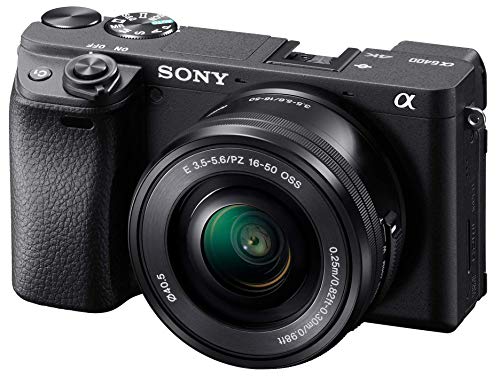


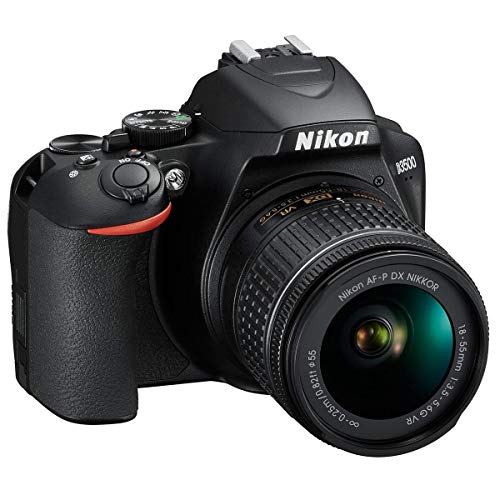

Types of Amateur Digital Cameras Compared
Four designs cover nearly every beginner need, from pocket cameras for family trips to larger bodies that grow with your skills. Readers who want the wider category picture can browse our guide to the best digital cameras first, then return for the breakdown of each type.
| Type | Best For | Strengths | Limits | Typical Price |
|---|---|---|---|---|
| Action | Sports and travel clips | Tiny, rugged, wide view | Small sensor, fixed lens | about $200 to $400 |
| Vlogging | Talking to camera | Flip screen, microphone input | Limited stills control | about $400 to $800 |
| Point and Shoot | Family photos anywhere | Pocket size, simple zoom | Small sensor, basic controls | about $150 to $500 |
| Mirrorless | Growing skills and lenses | Large sensor, changeable lenses | Bigger kit, higher total cost | about $500 to $1,200 |
Action Cameras
An action camera is a small, tough box with a fixed wide lens, built to record movement from the middle of the action. Strong stabilization smooths cycling, skiing, and running footage, and most bodies shrug off water, dust, and hard drops. The trade off is a small sensor that struggles in dim rooms and a lens you cannot change or zoom. Choose this type if your camera will ride on a helmet or handlebar more often than it sits in your hands.
Vlogging Cameras
A vlogging camera is built around filming yourself, with a screen that flips forward so you can check framing while you talk and a microphone input for clear audio instead of the thin sound from the body. Stabilization tuned for walking keeps walk and talk footage steady, and face tracking holds focus as you move. Stills are good but rarely the main event, and depth control is limited next to larger sensor designs. Choose this type if you publish videos of yourself talking, cooking, or building.
Point and Shoot Compacts
A point and shoot compact pairs a small body with a fixed zoom lens that slides from wide scenes to distant details. Automatic modes handle exposure, the camera slips into a jacket pocket, and the price stays friendly. The limits are a small sensor that adds grain in low light and manual controls that feel basic once your skills grow. Shoppers comparing simple models can also read our guide to the best amateur cameras.
Mirrorless Cameras with Changeable Lenses
A mirrorless camera drops the mirror box of older designs, keeping the body smaller while leaving room for a large sensor and a mount that accepts many lenses. Swap one lens for portraits and another for wildlife, and the same body serves both jobs while image quality leads this group. The costs are real, though: lenses add up, the full kit weighs more, and menus ask more of a beginner. New learners often start with our guide to the best starter digital cameras before committing to a full system.
Action Cameras vs Vlogging Cameras: Which Should You Choose?
These two types overlap on video, so compare them on the details that decide daily use. For mounting and toughness the action design wins easily, since it clamps to gear and survives weather without a case. For framing yourself the vlogging design wins, because its flip screen and microphone input exist for that job.
For audio, vlogging cameras accept external microphones while action cameras usually need adapters. For stills, neither type leads, but vlogging models with larger sensors give cleaner frames. If your camera mostly records sports and trips from inside the action, choose the action type. If it mostly records you talking to an audience, choose the vlogging type.
How to Choose the Right Amateur Digital Camera
Once the type feels right, five factors separate a good match from a regret. If you want a shorter shortlist built for new users, see our guide to the best digital cameras beginners start with, then return for the detail behind each factor.
Sensor Size Comes First
Sensor size governs image quality on an amateur camera more than any other single factor. A bigger sensor gathers more light, which means cleaner photos in dim rooms, gentler background blur, and more detail held in shadows. Makers advertise megapixel counts loudly, but that number is mostly a marketing figure once you pass the level every current camera already reaches. Read the sensor class instead: small sensors in compacts, the 1 inch class in premium compacts, then APS C and full frame classes in mirrorless bodies.
Fixed Lens or Changeable Lens
The lens decision splits the types into two camps. Fixed lens designs, which cover compacts, action cameras, and most vlogging models, keep shooting simple: the lens is matched to the body and the kit stays light. Changeable lens designs, meaning mirrorless bodies, let one camera serve portraits, sports, and landscapes by swapping glass for each job. That freedom costs money and weight and rewards readers who enjoy learning, so pick fixed for simplicity and travel, and changeable when you plan to grow into new subjects.
Video and the Flip Screen
Resolution matters, but the rear screen decides how usable video feels, so read the screen as a flip class: screens that swing forward let you frame yourself, screens that only tilt suit filming from behind the camera, and fixed screens limit both jobs. Add a microphone input if you record speech, and prefer in body or lens stabilization if you film while walking. Together these details matter more than a small jump in frame rate.
Battery Life and Charging
Battery ratings tell you how a camera fits your day. Compact and vlogging models often manage about 200 to 300 shots per charge, while larger mirrorless bodies commonly reach about 300 to 500 shots. Video drains any battery far faster than stills, so filmmakers should plan around shorter sessions. Charging over USB C is worth wanting, since a power bank can rescue a long day away from a socket.
Durability and Weather Sealing
Sealing decides where your camera can go, and weather sealed mirrorless bodies and lenses shed light rain and dust, which suits hiking and street work in rough seasons. Sealed gaskets are a protection class, not a promise, so a downpour still calls for cover. Action cameras sit at the far end of this scale, with bodies commonly rated for immersion at around 30 feet without a housing. Match the sealing to your worst planned day, not your average one.
Setup and Care Tips
A few habits protect any type you choose.
- Clean the lens with a soft lens cloth, never your shirt, since grit caught in fabric can scratch coatings.
- Carry a spare battery and a second memory card, because both tend to fail at the worst moment.
- Store the camera in a dry, padded bag so fungus and corrosion stay away from the lens and sensor.
- Format the memory card in the camera after you copy your files, which keeps the card healthy and avoids errors.
Frequently Asked Questions
Which camera type handles low light best?
A mirrorless camera with a large sensor handles low light best, because its sensor gathers more light and keeps noise down at high sensitivity settings. A fast lens helps even more, since a wide aperture admits extra light without slowing the shutter. Compact and action cameras can still record dim scenes, but expect more grain and softer detail. If you shoot evening events often, spend on sensor size and lens speed before anything else.
Is a smartphone enough instead of a dedicated camera?
For casual sharing, a smartphone is often enough, since it is always with you and handles processing automatically. A dedicated camera pulls ahead when you need real optical zoom, stronger low light results, longer battery life, or controls you can set by feel. Prints larger than a photo book page also show the dedicated camera advantage clearly. Many amateurs keep both, using the phone for daily snaps and the camera for trips and events.
How much should a beginner spend on a first digital camera?
Most beginners do well in the about $200 to $500 range, which covers capable compacts, vlogging models, and entry mirrorless kits. Spend toward the top of that band if video matters, and toward the bottom if you only need stills. Keep a small reserve for a card, a bag, and a spare battery. Readers hunting value can check our guide to the best bargain digital cameras for the budget end of the market.
How many megapixels does an amateur camera need?
About 20 megapixels is plenty for an amateur camera, since that level covers large prints and moderate cropping without trouble. More megapixels mainly add cropping room and file size, not automatic quality, because sensor size and lens quality shape the image far more. If you print posters or crop wildlife shots heavily, extra resolution earns its keep. Otherwise, treat the megapixel number as a minor spec and judge sample photos instead.
What does optical zoom mean on a compact camera?
Optical zoom means the lens itself magnifies the scene by moving its glass elements, so detail stays sharp. A 10x optical zoom brings a distant subject ten times closer in the frame without losing resolution. Digital zoom is different: it simply crops and enlarges the middle of the image, which softens detail fast. When you compare compacts, judge the optical figure and ignore the digital one entirely.
The Bottom Line
Match the type to your subjects first, then weigh sensor size and the lens path. Action and vlogging designs serve video led readers, compacts serve simple everyday carrying, and mirrorless bodies serve learners who plan to grow. Whichever route you take, the best amateur digital cameras are the ones you will carry often and understand well. Compare your shortlist against the product table above, and let your subjects, not the spec sheet, make the final call.


