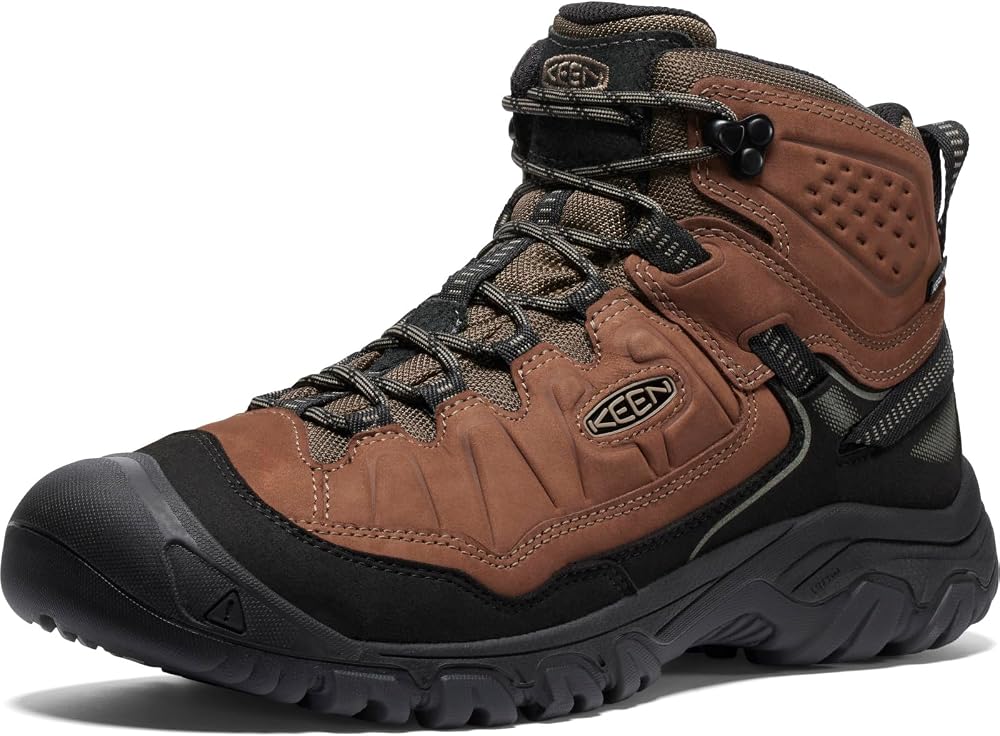
Best Affordable Trail Running Shoes 2026: A Guide
Disclosure: We may earn a commission when you buy through links on this page, at no extra cost to you. As an Amazon Associate I earn from qualifying purchases. Learn more

Find affordable trail running shoes with grip, protection, and comfort for muddy, rocky, and uneven trails, without overspending on racing gear.
Trail running demands grip on mud and rock, protection from roots and stones, and stability on uneven ground, all at a price that allows regular replacement. This guide to best affordable trail running shoes explains how to balance those needs without paying for racing features you will not use. The comparison table below outlines trail shoe types.
Affordable trail shoes can perform very well for most runners, provided fit and outsole suit your local trails. A shoe built for dry rocky paths differs from one built for wet muddy forests, so start from terrain, then fit, then price. That order prevents the most common disappointment.

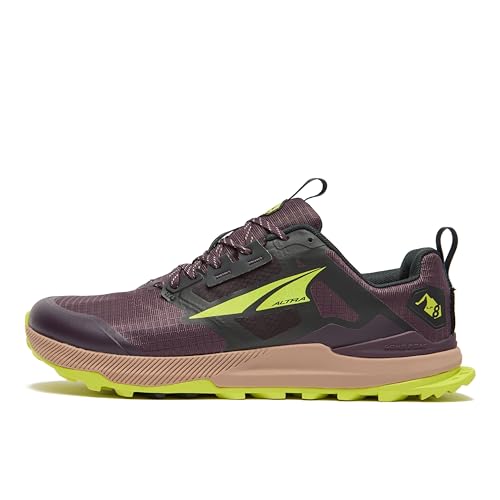

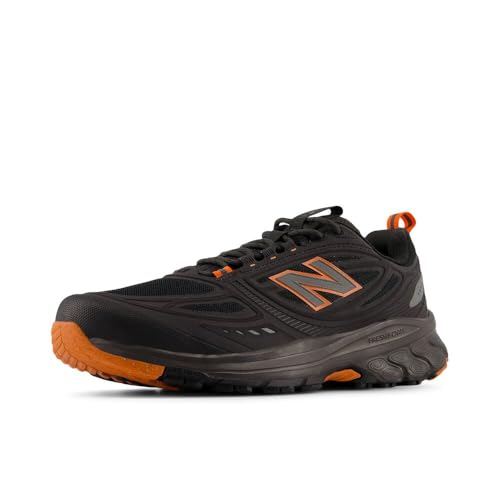
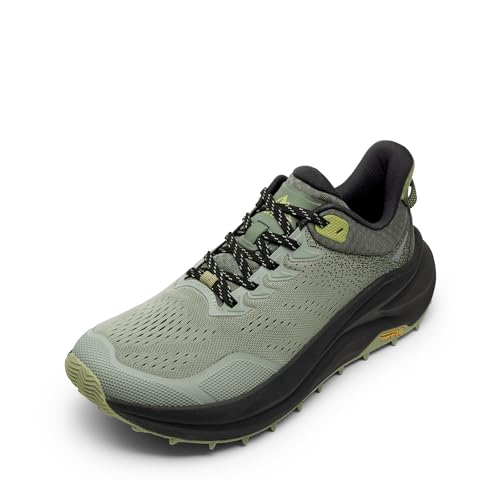
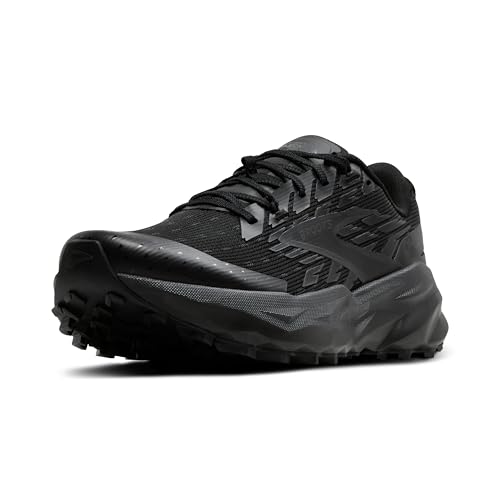
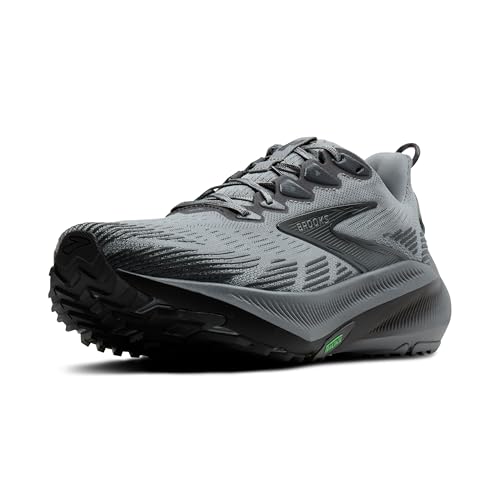

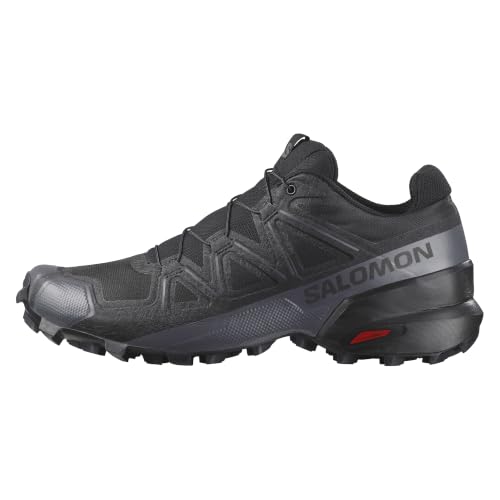

Who Should Buy the Best Affordable Trail Running Shoes
Beginner trail runners, road runners trying trails, and regular trail users who replace shoes often will benefit most. Affordable models suit weekly trail runs, hiking with running sections, and muddy winter training where shoes take heavy wear. Elite racers chasing minimal weight may prefer specialist models, but most runners do not need them.
If you run mostly on smooth fire roads, a road to trail shoe with moderate lugs may suffice. If you run technical singletrack with roots, rocks, and stream crossings, deeper lugs and a protective toe cap matter more. Match the shoe to the roughest terrain you regularly run, not to the easiest.
Grip, Lugs, and Terrain
Outsole lug depth and pattern determine grip. Shallow lugs suit hard packed trails and dry conditions, while deeper, widely spaced lugs shed mud and grip soft ground. Rubber compound also matters: softer rubber grips wet rock better but wears faster, while harder rubber lasts longer on abrasive trails.
Check grip on your local surfaces where possible, since a lug pattern that excels on mud may feel slippery on wet rock. Check heel braking lugs for steep descents, since downhill control prevents slips and toe jams. For general running context, best running shoes covers road priorities that differ from trail needs.
Protection, Stability, and Fit
Toe caps protect against roots and rocks, while rock plates shield the forefoot on sharp terrain. Ankle support in trail shoes comes mainly from a secure midfoot fit and a stable platform, not from high collars alone, which add weight without guaranteeing ankle protection. Lacing systems that lock the midfoot help on side slopes.
Fit should allow toe splay on descents without heel slip on climbs. Leave room ahead of toes, since feet slide forward downhill, and check width for swelling on long runs. Try shoes with trail socks, walk on an incline if possible, and test lateral stability on uneven ground. For budget running options, best affordable running shoes compares road and trail value.
Water, Weight, and Durability
Waterproof membranes keep feet drier in wet grass and shallow crossings, but they also retain sweat and drain slowly once water enters over the collar. Non waterproof shoes with good drainage often suit wet climates better, since they dry faster between runs. Choose based on your climate and how often you cross water.
Weight affects fatigue on long runs, but durability matters for regular trail use. Reinforced uppers resist tears from branches and rocks, while mesh drains and breathes better. Balance weight against protection for your terrain, and expect affordable trail shoes to need replacement after heavy mileage, especially on abrasive rock.
Mistakes Worth Avoiding
Using road shoes on technical trails is a common error, since smooth outsoles slip on mud and offer little toe protection. Another is buying waterproof shoes for hot climates, where heat and sweat outweigh splash protection. A third is ignoring fit on descents, which causes black toenails and blisters.
Replace trail shoes when lugs wear smooth, midsole cushioning flattens, or uppers tear near the toes. Persistent foot, ankle, or knee pain deserves a clinician or podiatrist check, not only new shoes. For style led options, best looking trail running shoes, for men's fits, best men's trail running shoes, and for women's fits, best trail running shoes for women round out comparisons.
Trail Running Through the Seasons
Seasonal trail conditions change shoe needs dramatically, since summer dust, autumn leaves, winter mud, and spring thaw each demand different grip and drainage. Summer hard packed trails suit shallower lugs and breathable uppers, while winter mud demands deeper lugs that shed debris and uppers that resist saturation. Rotate shoes by season where possible, or choose a versatile pair that handles your most common conditions well.
Wet leaves and icy patches deserve special caution, since no trail shoe grips reliably on all slippery surfaces. Slow down on leaf covered descents, shorten strides on icy sections, and consider traction aids for winter running where local conditions warrant them. Confidence should come from technique and caution, not only from outsole marketing claims.
Heat also affects trail running, since warm weather increases sweating, foot swelling, and blister risk. Choose breathable shoes for summer, wear moisture wicking socks, and carry water on longer runs. Check feet after hot runs for hot spots, and address them early with tape or lubrication before they become blisters that interrupt training.
Trail Safety and Navigation Basics
Trail safety starts with telling someone your route and expected return time, especially for remote or unfamiliar trails. Carry a phone with offline maps where coverage is unreliable, plus water, a light snack, and basic first aid for longer runs. A small pack that carries these essentials without bouncing improves safety without burdening the run.
Navigation skills matter even on marked trails, since fog, fallen trees, and faded markers can confuse routes. Learn to read basic trail markers, carry a map for unfamiliar areas, and turn back early if a route becomes unclear rather than pushing onward. A missed turn costs minutes, while a lost runner in poor weather faces far greater risk.
Wildlife, livestock, and other trail users also deserve respect, since dogs, horses, cyclists, and farm animals share many trails. Slow down near other users, announce your presence politely, and give horses wide berth. Leave gates as you find them, take litter home, and follow local access rules so trails remain open for all runners.
A Final Check Before You Order
Before ordering, confirm outsole lug depth and rubber type for your local trails, since mud, wet rock, and hard packed paths each demand different grip. A lug pattern that excels on mud may slip on wet rock, so test on your most common surfaces where possible. Grip for your roughest regular terrain should decide, not grip for ideal conditions.
Also try shoes on inclines where possible, checking toe room on descents and heel hold on climbs with trail socks. Feet slide forward downhill, so a shoe that fits on flat ground may jam toes on steep descents. Downhill fit testing prevents black toenails and blisters that ruin otherwise enjoyable runs.
Finally, check drainage and drying time for your climate, since waterproof shoes that stay wet after crossings can cause blisters on long runs. Non waterproof shoes with good drainage often suit wet climates better, despite sounding less protective. Choose based on how often you cross water and how quickly shoes must dry between runs.
Frequently Asked Questions
How do trail shoes differ from road shoes?
Trail shoes have deeper lugged outsoles for grip, protective toe caps and rock plates, and more stable platforms for uneven ground. Road shoes prioritise smooth forward cushioning and light weight on pavement. Using road shoes on technical trails risks slips and toe injuries, while trail shoes feel firm on long road sections.
Should trail shoes be waterproof?
It depends on climate and water crossings. Waterproof membranes help in wet grass and light rain, but they trap sweat and drain slowly after deep crossings. In warm or very wet climates, non waterproof shoes with good drainage often dry faster and feel more comfortable over long runs. Note your room, usage, and budget before narrowing the shortlist.
How much toe room do trail shoes need?
More than road shoes, because feet slide forward on descents. Leave a thumb width ahead of the longest toe and check that toes do not hit the front on downhill steps. Width matters too, since feet swell on long runs and need room to spread for stability. Ask a professional for help if specifications or safety rules are unclear.
When should trail shoes be replaced?
When lugs wear smooth, cushioning flattens, or uppers tear, grip and protection fall sharply. Heavy trail use wears shoes faster than road use, especially on abrasive rock. Inspect outsoles and midsoles regularly, and replace before grip becomes unsafe on wet descents. Check maker guidance and compare a few models before you decide.
Can I hike in trail running shoes?
Yes, for many day hikes, especially on well maintained trails. Trail running shoes are lighter and more flexible than hiking boots, but offer less ankle support and durability for heavy packs and rough terrain. For long hikes with heavy loads, hiking boots may suit better. Test the option in your own home or routine where return policies allow.
Final Thoughts
Affordable trail shoes serve most runners well when outsole, protection, and fit match local terrain. Prioritise grip for your muddiest trails, toe protection for rocky paths, and fit that holds on descents. The product table above can help you compare trail types, and best affordable trail running shoes reward runners who test on uneven ground before buying. If foot or ankle pain persists despite good shoes, talk with your clinician or a podiatrist.