Best Automatic Gates: Complete Buying Guide for 2026
Disclosure: We may earn a commission when you buy through links on this page, at no extra cost to you. As an Amazon Associate I earn from qualifying purchases. Learn more

Learn how to choose the best automatic gates with this guide to gate types, motors, safety sensors, power options, sizing, and total ownership cost.
An automatic gate should open smoothly on a rainy night, close fully every time, and keep working through heat, dust, and daily family traffic. When a gate drags, stalls, or leaves a gap, the problem usually traces back to a mismatch between the gate weight, the motor, and the site itself. Choosing the best automatic gates for your property starts with measuring honestly and matching the opener to the work it will do each day.
This guide walks you through gate styles, motor ratings, safety gear, power choices, and upkeep so you can compare options with confidence. Use the comparison table below to see how common setups differ, then use the sections that follow to narrow your short list to the setup that fits your driveway, slope, and climate.


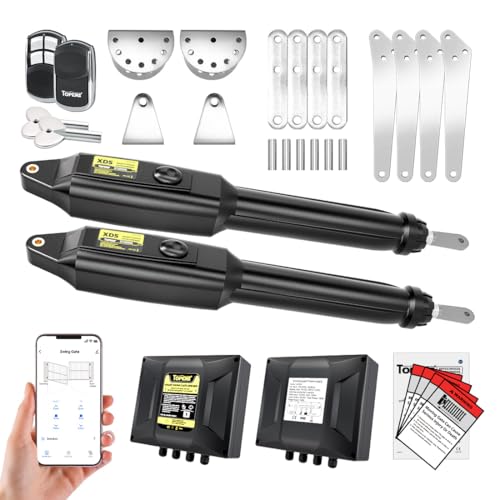


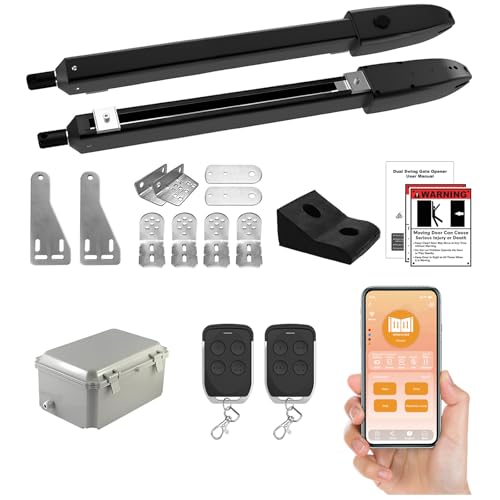
Three Gate Profiles Worth Comparing
Instead of chasing a single winner, compare three broad profiles. Each profile below describes the traits a strong option in that class should show, the buyer it suits, and the trade off you accept. Match the profile to your property first, then compare brands and warranties inside that class.
The Balanced Profile
The overall profile suits most single family driveways with a flat or gently sloped entry. Look for a motor rated well above your actual gate weight, a steel or aluminum frame with a quality finish, and a full safety package with photo eyes and an auto reverse function. Expect smooth starts and stops, a remote range that covers your street approach, and a battery backup that handles several cycles during an outage. The limit is cost, since this balanced package rarely sits in the lowest price tier.
The Value Profile
The value profile fits lighter gates and moderate daily use, such as ten to twenty cycles a day. You still want a motor with headroom above the gate weight, sealed bearings, and at least one pair of safety sensors, but you may accept a simpler remote, a shorter rail, or fewer smart controls. This tier keeps the purchase price down while covering the parts that affect daily reliability. The trade off shows up in heavy wind, very long gates, or sites that need frequent access for deliveries and guests.
The Upgrade Profile
The upgrade profile serves long, heavy, or wind exposed gates and busy households. Prioritize a high duty cycle rating, a robust gearbox, soft start and soft stop control, and options such as keypad entry, intercom support, and app control. Posts, hinges, and tracks should be rated for the extra load, not just the motor. You pay more at purchase and for install, but you gain quieter motion, better cold weather starts, and parts support that tends to last longer.
How to Choose an Automatic Gate: Buying Guide
The right choice blends fit, power, safety, and service. Work through each factor below in order, because a mistake early, such as guessing the gate weight, can make every later upgrade pointless. Write your measurements down and bring them to every quote or product page you review.
Intended Use and Who It Is For
Start with how often the gate will cycle and who will use it. A quiet home with two cars needs far less duty capacity than a shared driveway, a small farm, or a property with frequent deliveries. List every user group, including kids on bikes, guests, and service vehicles, because each group affects the controls and safety gear you need. If large trucks visit, plan for a wider clear opening and a hold open timer so the gate never closes on a long vehicle.
Ease of Use and Setup
Daily ease comes from controls that match your habits. Remotes suit drivers, keypads suit walkers and regular visitors, and app control helps when you need to admit someone while away. Setup difficulty varies widely, so be honest about your skills with concrete, wiring, and alignment. Many sliding systems need a level concrete pad and a straight track run, while swing systems need post work and careful hinge geometry. If that work feels beyond you, budget for a pro install from the start.
Price vs Value
Total cost includes the gate, the opener, posts or track, power work, safety gear, and install labor. Budget tier setups for light gates often land around $800 to $2,000 for equipment, mid range packages commonly run about $2,000 to $4,500, and premium heavy duty systems can reach $5,000 to $10,000 or more before labor. Value means the motor, frame, and safety parts are balanced, not that one part is fancy and the rest are weak. A cheap motor on a heavy gate is the most expensive mistake in this category.
Build Quality and Materials
Steel offers strength and suits large or security focused gates, but it needs a sound finish to resist rust. Aluminum weighs less, resists corrosion well, and eases the load on the motor, though very long aluminum gates can flex in wind. Wood adds privacy and looks warm, yet it is heavy and moves with moisture, so the frame and motor must account for that weight. Check weld quality, hinge size, and finish coverage at corners and joints, since those spots fail first outdoors.
Key Performance Specs
The core specs are gate weight rating, gate length rating, duty cycle, and opening speed. Choose a motor rated at least twenty percent above your true gate weight, and more if your site is sloped or windy. Duty cycle tells you how often the motor can run without overheating, which matters at busy times of day. Opening speed around one foot per second is common for sliding gates, while swing gates are described in seconds per swing. Faster is not always better if it reduces control or safety.
Size, Weight, and Fit for Your Space
Measure the full opening, the space beside it, and the swing or slide path. A sliding gate needs clear room equal to its length plus extra space for the counterbalance section. A swing gate needs an arc that stays clear of parked cars, plants, and snow piles. Weigh the gate if you can, or estimate from material and size and then add a safety margin. Check slope along the path, because even a small rise can add major strain at the start of each cycle.
Types of Automatic Gates
Gate style shapes cost, space needs, and winter behavior. The four groupings below combine style and price position so you can see which direction fits your site before you shop for a motor.
Compact Options
Compact setups serve narrow urban driveways and short openings. A small sliding gate or a single swing leaf keeps the footprint tight and the motor load modest. These systems cost less and install faster, but they limit vehicle width and offer less room for error in alignment. They suit city homes, side entries, and garden access points where a full size system would overwhelm the space.
Premium Options
Premium systems pair heavy frames with high duty motors, refined controls, and strong finishes. Expect quieter gearboxes, better sealing against water and dust, and broader accessory support such as intercoms and cameras. This tier fits estates, shared entries, and anyone who values smooth daily use over a low purchase price. The main drawbacks are cost and the need for skilled install and service.
Budget Options
Budget systems focus on light gates and simple access needs. A basic sliding or swing kit with remotes and one safety sensor set can work well on a flat site with modest traffic. You give up duty capacity, finish depth, and accessory range, and parts support may be thinner. This tier makes sense for a light garden gate or a low traffic second entry, as long as the motor rating still clears your gate weight with room to spare.
Mid Range Options
Mid range systems are the sweet spot for most homes. They bring stronger motors, better hinges or rollers, and fuller safety packages without the price jump of premium lines. Most offer keypad and app add ons, battery backup, and warranties that cover parts for several years. For a typical suburban driveway, this tier delivers the best balance of durability, features, and total cost over the life of the gate.
Picking the Right Gate for Different Uses
Climate and terrain can change the right answer more than brand or price. The snow case below shows how one condition reshapes several choices at once, from gate style to motor margin and daily care.
Best Automatic Gates for Snow
For best automatic gates for snow country, a swing gate that opens inward often beats a sliding gate, because a track at ground level can pack with snow and ice. If you prefer sliding, choose a cantilever design that keeps the gate off the ground with no track to clear. Pick a motor with extra torque for cold starts, sealed electronics, and a battery backup for storm outages. Plan a clear zone for plowed snow so piles never block the swing arc or the sensor path.
Tips to Get the Most From Your Automatic Gate
Small habits protect a large purchase. These steps take little time and prevent the most common early failures, from sensor faults to motor strain.
- Read the manual before first use, and save the parts list and wiring diagram where you can find them during an outage.
- Clean and inspect regularly, wiping sensor lenses, clearing the track or swing path, and checking for loose bolts each season.
- Keep moving parts cared for with the lubricant the maker specifies, and learn which product suits your system in our guide to the best grease for automatic gates.
- Store remotes and spare parts in a dry place, and keep a manual release key where an adult can reach it fast.
- Register the product for warranty coverage right away, and keep proof of purchase with your install records.
- Test the auto reverse and photo eyes monthly by placing a soft object in the path and confirming the gate stops and backs off.
Power planning matters too. If outages are common, a battery backup sized for your gate weight keeps access working, and some owners pair the gate circuit with home backup power such as the systems covered in our guide to the best automatic generators. A camera at the entry helps you confirm who is waiting before you open the gate, and our guide to the best automatic cameras shows what to look for in night vision and motion alerts. Inside the property, review the best safety gates if you need to manage stairs or rooms as well.
FAQs
How much should I spend on an automatic gate?
Most homeowners should plan on about $2,000 to $4,500 for equipment in a balanced mid range setup, plus install. Light gates on flat sites can cost less, while long, heavy, or sloped entries cost more. Spend first on motor headroom, safety sensors, and solid posts or track, because those parts decide reliability. Decorative panels and smart extras can wait or be added later without redoing the core system.
Are expensive automatic gates worth it?
They are worth it when your gate is heavy, your site is windy or sloped, or the gate cycles many times a day. Higher tiers buy duty capacity, quieter motion, better sealing, and longer parts support. For a light gate with gentle use, the premium jump adds polish more than function. Judge by cost per year over a long service life rather than by purchase price alone, and include likely service visits in that math.
What features matter most when buying an automatic gate?
Motor rating above your true gate weight, a full safety package, and the right power plan matter most. After that, look at duty cycle, battery backup, and controls that fit how your household actually arrives and leaves. Finish quality and hinge or roller quality decide how the gate ages outdoors. Smart features are useful, but they rank below safety and load capacity, because no app can fix an overloaded motor.
How do I maintain an automatic gate?
Keep the path clear, clean the sensor lenses, and inspect hinges, rollers, chains, and bolts on a set schedule. Lubricate only the points the manual names, with the product type it names, since excess grease traps grit. Test safety reversal monthly and after any storm or impact. Call a pro if the gate changes speed, makes new grinding sounds, or stops short, because those signs often point to alignment or motor wear.
How long does an automatic gate last?
A well matched system often serves ten to twenty years, with motors commonly lasting around ten years under normal home use. Life drops fast when a motor runs near its limit, the gate sags, or water reaches the control board. Life rises when the install is level, the load has margin, and upkeep stays on schedule. Budget for wear parts such as batteries, rollers, and remotes along the way, rather than expecting a single purchase to cover everything.
The Bottom Line
Measure your opening, weigh your gate honestly, and choose a motor with real headroom for your slope, wind, and traffic. Put safety sensors and a sound power plan ahead of decorative extras, and match the gate style to your space and climate. When those basics are right, the best automatic gates feel almost boring in the best way, opening and closing without drama for years. Look back at the product table above to compare profiles against your measurements before you buy.