
Best Automatic Thermostat 2026 Guide
Disclosure: We may earn a commission when you buy through links on this page, at no extra cost to you. As an Amazon Associate I earn from qualifying purchases. Learn more

Match an automatic thermostat to your heating system: compare scheduling, smart features, wiring and energy saving options for home use.
Choosing the best automatic thermostat means matching automation to your home and your heating system. Automatic thermostats adjust temperature on a schedule, by occupancy, or by mode, so you spend less time fiddling with controls and less energy heating an empty house. The right model depends on your system type and how predictable your routine is.
The comparison table below summarises the main options, and this guide explains schedules, smart features, and compatibility. Read it before buying, so the thermostat you choose works with your system from day one.
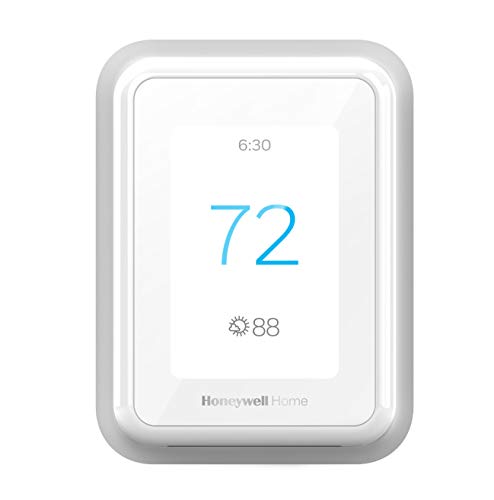
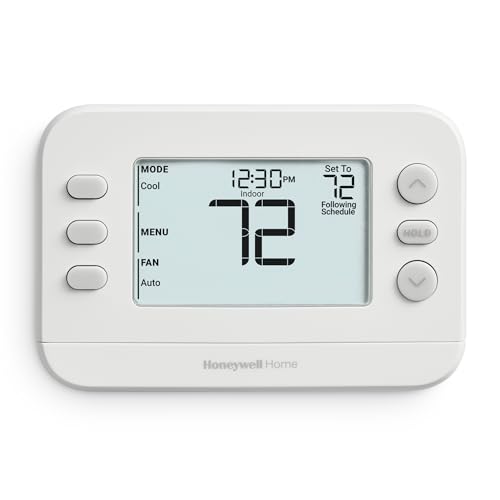


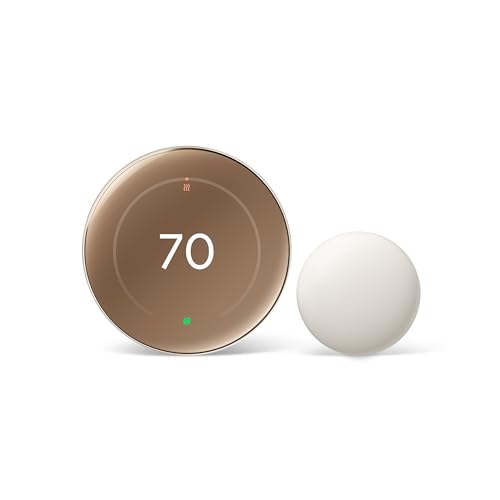
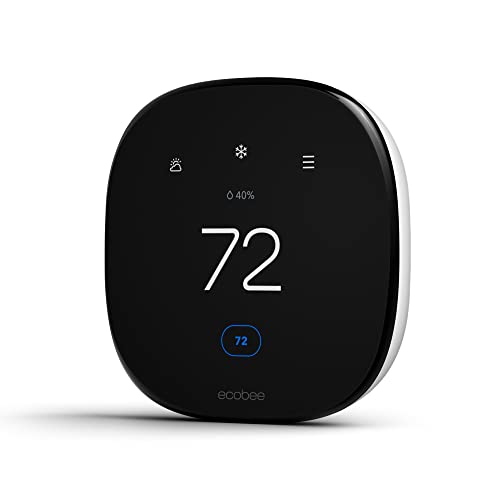
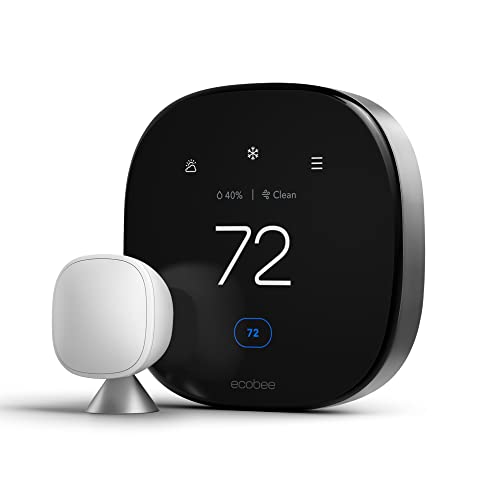
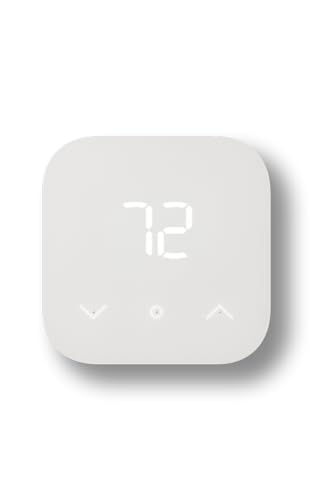

Schedule Based Automation
The best automatic thermostat for a regular routine is often a simple schedule based model. Schedule based thermostats follow times you set: warm before waking, cooler during work hours, comfortable in the evening. This simple automation saves energy reliably when your routine is regular. Set realistic temperatures and times, and review the schedule when seasons change.
A schedule only saves energy if it is followed, so choose a thermostat with easy editing. If changing the schedule feels like a chore, you will leave it on a wasteful default. Look for a clear display and simple buttons or app controls that the whole household can use.
Smart and Learning Features
Smart thermostats add occupancy sensing, phone location, and learning algorithms that adjust to your habits. These features help when routines vary, since the thermostat adapts instead of following a rigid timetable. Energy reports show when heating runs and where savings appear.
Smart features need a stable wifi connection and, for many models, a C wire for power. If your wifi is unreliable, a smart thermostat may lose remote features while still holding its schedule. Weigh the extra cost against real benefits for your household, not just the appeal of an app.
Compatibility and Wiring Safety
Confirm your system type before buying: furnace, boiler, heat pump, or dual fuel. Count wires, note labels, and check for a C wire. Heat pumps need specific support for reversing valves and auxiliary heat, so verify that support explicitly rather than assuming it.
Switch off power at the breaker before touching wiring, and photograph the existing setup first. If wiring is unclear or damaged, call a qualified technician. Incorrect wiring can damage the system, and a professional visit costs far less than a repair.
Sensors and Room Comfort
A single thermostat sensor reads only its own wall, which may not reflect the rooms you use most. Remote sensors let the thermostat prioritise a bedroom at night or a living room in the evening. Some systems average several sensors for balanced comfort across the house.
Place the main thermostat on an interior wall away from drafts, sunlight, and heat sources. A sensor near a draughty door or a sunny window misleads the system and causes cycling. Good placement matters more than extra features, so get the location right first.
Energy Saving Habits
Setback temperatures deliver the largest savings: let the house cool a few degrees overnight or while empty, then warm it before return. Avoid extreme settings, which waste energy without adding comfort. Regular filter changes and draught sealing multiply thermostat savings.
Review energy reports monthly and adjust schedules for holidays, guests, and seasonal changes. A thermostat left on a winter schedule through spring wastes energy quietly. Small seasonal reviews keep automation working for you all year.
Before You Order
Before ordering, list your system type, wire count, C wire status, and daily routine pattern. Compare that list with the product table above, and choose automation you will maintain. A simple schedule followed well beats a smart system ignored.
If wiring or compatibility is uncertain, get professional advice before buying. The right automatic thermostat should hold comfort quietly in the background, saving energy without demanding attention. That is the real promise of automation.
For smart thermostat options, see our guides to best snart thermostat and best intelligent thermostat, covering smart controls and intelligent models.
Automatic Thermostats and Home Automation
An automatic thermostat often becomes the centre of a wider smart home, linking with lights, locks, and voice assistants. Integration lets you set scenes, such as lowering temperature and dimming lights at bedtime, but it also adds complexity. Start with thermostat automation alone, and add integrations only when they genuinely simplify daily life.
Voice control suits quick adjustments, such as raising temperature when hands are busy, but it should not replace a clear schedule. Household members who dislike voice control still need simple manual controls, so keep the wall unit accessible and easy to use. A smart home that only one person understands creates friction rather than comfort.
Privacy matters with connected thermostats, since they collect occupancy and schedule data. Review privacy settings, use strong passwords, and enable two factor authentication where available. A thermostat should improve comfort without becoming a window into your household routine for third parties.
Saving Energy Without Sacrificing Comfort
The most effective saving is a setback that nobody notices: a degree or two lower overnight, with warm bedding compensating, or a few degrees lower while the house is empty. Comfort depends on bedding, clothing, and activity as much as air temperature, so small setbacks often pass unnoticed while saving energy steadily.
Zoning, where available, heats only occupied rooms rather than the whole house. Closing vents in unused rooms helps in some systems but can strain others, so check system guidance before closing vents. Remote sensors that prioritise occupied rooms achieve similar savings more safely in many homes.
Track energy use monthly and compare similar months, adjusting for weather where possible. A thermostat report that shows falling runtime after a schedule change confirms the change worked. If runtime rises unexpectedly, check for draughts, filter condition, or a schedule that no longer matches occupancy.
Thermostat placement mistakes are common in older homes, where the thermostat may sit in a hallway that does not reflect living room or bedroom temperatures. A hallway near an exterior door reads cold drafts in winter and warm air in summer, causing the system to overheat or overcool the rooms you actually occupy. Remote sensors solve this elegantly by letting the thermostat respond to a bedroom or living room instead, and many users find one sensor transforms comfort without any other change.
Compatibility with future heating upgrades is worth considering if you plan to replace a boiler or add a heat pump within a few years. A thermostat that supports both conventional and heat pump systems avoids a second purchase and rewiring when the upgrade happens. Check the specification for multi system support and ask your installer whether the model will transfer cleanly, since a little foresight now saves cost and disruption later.
Test thermostat schedules after any power outage, since some models revert to defaults or lose clock settings when power returns. A quick check of time, schedule, and mode after an outage prevents days of incorrect heating or cooling going unnoticed.
Frequently Asked Questions
What does an automatic thermostat actually do?
An automatic thermostat adjusts heating and cooling without manual input, following a schedule, occupancy, or mode logic. It can lower temperature while you sleep or are out, then restore comfort before you return. The goal is steady comfort with less energy waste and less daily fiddling.
Do smart thermostats need wifi?
Smart features such as remote control, learning, and energy reports need wifi, but basic scheduling usually continues without it. If your wifi drops often, a smart thermostat still holds its last schedule. Choose a model whose core functions work offline if your connection is unreliable.
Will an automatic thermostat work with a boiler?
Yes, if the thermostat supports your boiler type and wiring, including combi and system boilers. Check compatibility in the specifications and count your wires before buying. Some boilers use specific controls, so confirm support rather than assuming a standard thermostat fits.
How do remote sensors help?
Remote sensors let the thermostat respond to the room you actually use, rather than the hallway where it is mounted. A bedroom sensor at night or a living room sensor in the evening improves comfort noticeably. Multiple sensors can average temperatures for balanced heating across the house.
Can I install an automatic thermostat myself?
Many homeowners can, if wiring is clearly labelled and power is switched off first. Photograph existing wiring, follow the manual step by step, and test heating and cooling afterwards. If wiring is unclear, damaged, or high voltage, call a qualified technician instead of guessing.
Final Thoughts
The best automatic thermostat for your home fits your system, suits your routine, and installs safely. Use the product table above to compare schedules and smart features, and seek help with wiring if needed. Quiet, steady comfort is the sign you chose well.

