
Best Alpine Ski Boots: A First Time Buyer's Guide for 2026
Disclosure: We may earn a commission when you buy through links on this page, at no extra cost to you. As an Amazon Associate I earn from qualifying purchases. Learn more

A first time buyer guide to the best alpine ski boots: flex, shell fit, liners, sizing, and common mistakes.
Boots are the one piece of ski gear that decides whether your day feels controlled or miserable, yet first time buyers often shop for them last and rush the choice. This guide walks you from the basic terms to a confident shortlist of the best alpine ski boots for your feet and your skiing, with no jargon left unexplained. The comparison table below sets out the main choices side by side.
Alpine boots, also called downhill boots, are built for lift served pistes with a fixed heel binding. They are a different family from touring boots made for walking uphill, so this guide stays with the downhill kind and points you elsewhere only where the distinction matters.


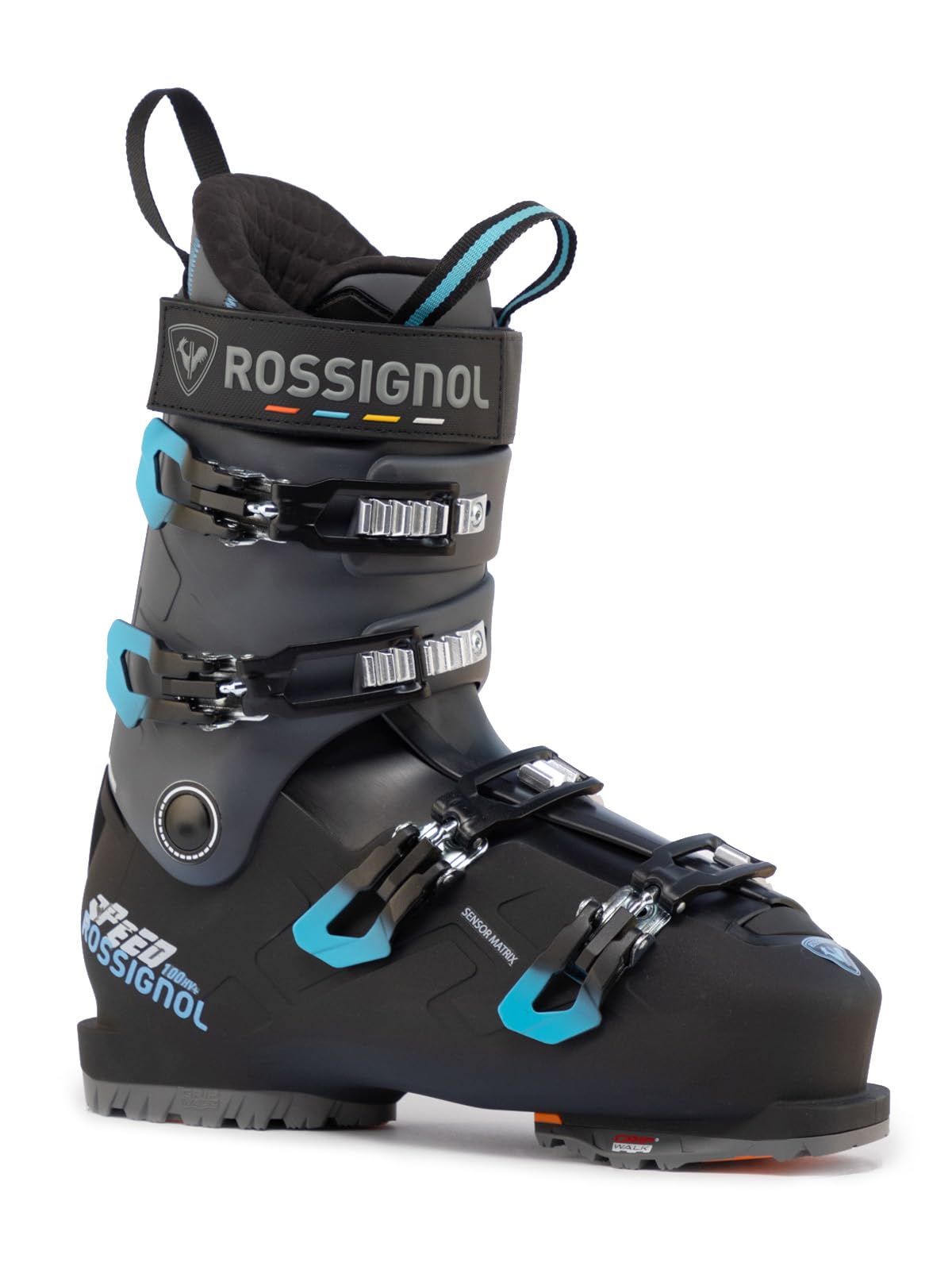


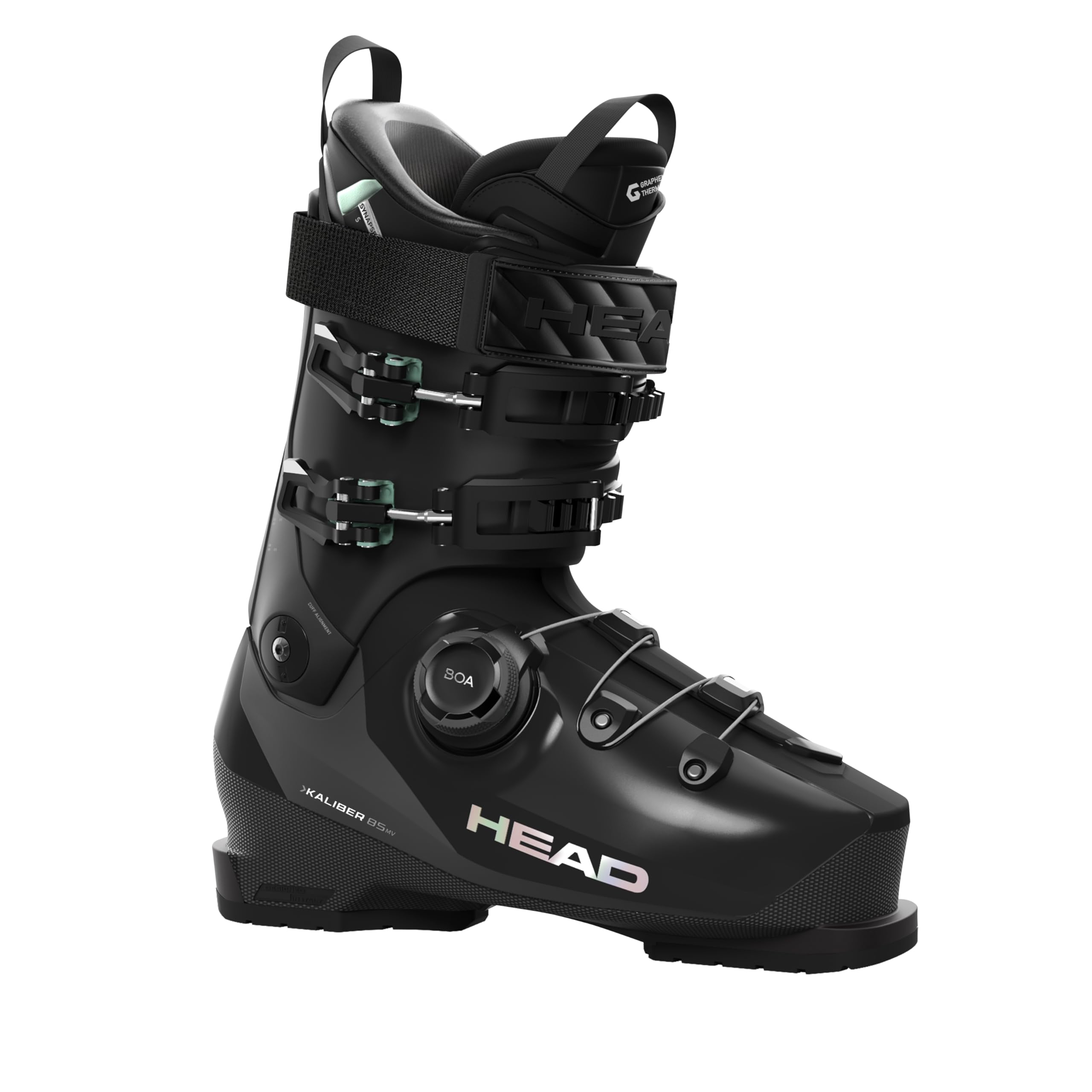
Alpine Ski Boots 101: The Basics
An alpine boot is a rigid plastic shell lined with a padded inner boot, closed by three or four buckles and a wide strap at the top. The shell transfers every movement of your leg to the ski through the binding, which is why boots steer the ski far more directly than their size suggests. The parts to know are the shell, the liner inside it, the cuff around your lower leg, and the sole that clicks into the binding.
One number governs how the whole boot behaves: flex. Flex describes how hard the boot resists bending forward as you press your shins into the cuff, and it decides how forgiving or how demanding a boot feels. As a rough class guide, about 70 to 90 reads as soft, about 90 to 110 as medium, and about 110 to 130 as stiff.
Treat those numbers as a guide only, because flex is not standardized across makers, and one maker rates a boot by feel rather than by any shared scale. Our wider overview of the best ski boots shows where the alpine family sits among the other boot types.
Key Specs Explained in Plain English
Flex and Skill Level
Beginners should start soft, because a forgiving flex lets you steer at slow speeds and absorbs the small balance errors every new skier makes. A stiff boot punishes those errors by reacting to every twitch, and it can ache against your shins all day. Stronger or heavier skiers bend a boot more easily, so an athletic beginner may settle happily in the medium class. If you rent first, note the flex of the rental boot you liked, then shop near that class rather than jumping two classes stiffer.
Shell Fit and Last Width
Fit is a shell question before it is a comfort question. Boot width is quoted as the last, the width across the forefoot in millimeters: about 98 mm reads as narrow, about 100 mm as medium, and about 102 mm or more as wide. A shell check tells the truth liners hide: with the liner removed and your toes lightly touching the front, about 10 to 20 mm of space behind your heel suits a comfort fit, while less space suits a close performance fit.
Many women specific lasts pair a narrower heel with a lower, shaped cuff, as the range in our guide to the best women's alpine ski boots shows. Pain, numbness, or toes that stay cold are fit problems, so take them to a professional boot fitter rather than skiing through them. Get the shell right and the rest of the best alpine ski boots decision gets much easier.
Liners and Heat Molding
The liner is the padded inner boot, and its key trait is that most modern liners are a heat mold class product: a shop warms the liner and shapes it to your foot, ankle bones, and shin in about fifteen minutes. Even without shop molding, a liner gradually takes your shape over the first several days of skiing, which is why a boot that feels snug in the store often feels right on the snow. Liners also pack out over seasons of use, so a boot that fit perfectly when new slowly gains room, and a thicker sock is not the fix for a worn liner.
Mondo Sizing and Fit Checks
Ski boots use mondo point sizing, which is simply your foot length in centimeters measured from heel to longest toe. Measure both feet standing, later in the day when feet sit at their largest, and size to the longer foot. In a correctly sized boot your toes brush the front when you stand straight, then pull clear as you bend your knees into a ski stance. Wear one pair of thin ski socks for fitting and skiing alike, because thick socks add padding that fools the fit check and then compresses unevenly.
Buckles, Straps, and Sole Compatibility
Buckles fine tune the shell around your foot and leg, and they work best buckled from the top down, snug rather than crushing. The wide power strap at the top of the cuff holds your shin against the tongue, which is where steering pressure travels. Before you buy, confirm the boot sole type matches the bindings on the skis you will use, since sole and binding standards must pair correctly to release as designed.
Grip patterned soles make lodge floors and icy car parks less treacherous, a small detail you appreciate on day one. Boots built for uphill travel belong to a separate family covered by our guide to the best alpine touring ski boots, and women specific versions of that family appear in our guide to the best women's alpine touring ski boots. Shops often shorten the downhill name itself, as our guide to the best alpine boots explains.
Rookie Mistakes to Avoid
- Buying for street shoe comfort. A boot that feels roomy like a trainer in the shop becomes sloppy on snow, and your heel lifts on every turn.
- Wearing thick cotton socks. Cotton holds sweat against the skin, so your feet chill fast and blister sooner than in a thin ski sock.
- Choosing stiffness for looks. A race stiff boot makes slow, learning speed skiing harder and can leave your shins bruised by lunch.
- Skipping the fitter. Small shell punches and a heat mold fix pressure points cheaply, while skiing in pain teaches you to avoid the sport.
- Judging fit in the first minute. A new boot needs several minutes of standing and flexing before the liner settles and the real fit shows itself.
Getting Started: Setup and First Use
At home, wear your new boots indoors for twenty minutes at a time on the first evenings, flexing forward gently so the liner starts its break in before you reach the snow. Practice the buckle order, bottom buckles light and top buckles firm, until it feels automatic with gloves on. On the mountain, recheck buckles after the first run, because liners settle and straps loosen as you warm up.
After each day, pull the liners out or open every buckle fully so the boots dry overnight, and store them buckled loosely out of direct sun and away from radiators, since heat warps shells and ages plastic. Check buckles, straps, and sole wear before each trip, and replace a cracked buckle early rather than at the lift.
Alpine Ski Boot FAQs
What size alpine ski boots should I get?
Start from your mondo point measurement, not your street shoe size, because shoe sizes vary by maker while a centimeter measurement does not. Most skiers end up in a boot one to two sizes below their trainer size, which feels wrong in the shop and right on the snow. If your two feet differ, fit the longer foot and let a fitter take up the small amount of extra room in the other boot with an insole or a liner adjustment.
Should a beginner choose soft or stiff alpine ski boots?
Choose soft to medium, because control at learning speeds comes from a boot that bends with you rather than one you must force. The main exception is the heavy or very athletic beginner, whose weight and strength flex a soft boot too far and wash out its support, so that skier often settles better one class up. When in doubt between two classes, take the softer one; you can outgrow a boot, but you cannot soften one that is beating up your shins.
How long do alpine ski boots last?
Expect roughly 100 to 200 days of skiing from a shell, which for a holiday skier can mean many seasons, while the liner usually tires first and may need replacing around the halfway point. Plastic also ages on the shelf, so a little used boot that sat in a hot garage for a decade can crack without warning. Store boots cool, dry, and loosely buckled, and retire a shell that shows deep whitening or cracks around the buckles.
Is a premium alpine ski boot worth it for a beginner?
Only after fit is funded, because premium prices mostly buy stiffer shells, lighter materials, and finer buckles that a beginner cannot yet use. A mid priced boot at about $250 to $400 plus a proper fitting session returns more comfort than a flagship boot bought off the shelf. If budget remains after the fitting, spend it on a heat mold and a supportive footbed rather than on a higher price band of boot.
Should alpine ski boots feel tight at first?
They should feel snug everywhere with no single painful spot, more like a firm handshake than a shoe. Toes brushing the front while standing straight is normal and clears once you flex forward into a ski stance. Sharp pressure on one ankle bone, numb toes, or pain that grows over ten minutes in the shop are not break in symptoms; they are signs the shell shape is wrong for your foot and needs a fitter or a different last.
Wrapping Up
For a first purchase, three checks carry the decision: a flex class soft enough to learn in, a shell matched to your foot width with a proper shell check, and a liner that can be heat molded to finish the fit. Take those checks to a good shop, use the product table above as your shortlist, and you will choose the best alpine ski boots for your first seasons with confidence.


