Best American Made Kettlebells: Our 2026 Checklist and Buying Guide
Disclosure: We may earn a commission when you buy through links on this page, at no extra cost to you. As an Amazon Associate I earn from qualifying purchases. Learn more

Learn how to choose the best american made kettlebells with a clear checklist on handle design, weight options, finish, sizing, and value for home training.
A kettlebell looks like the simplest purchase in fitness, a ball of iron with a handle, yet small design choices change how it feels in your hand, on your forearm, and across years of swings. Handle texture, window size, weight accuracy, and finish quality separate a bell you love from one that tears skin or rusts in a season. This checklist explains how to judge the best american made kettlebells before you spend a dollar.
You will get clear pass and fail thresholds for each criterion, tier guidance instead of hype, and a quick self check to run against any listing. Start with the comparison table below to see how weights and styles line up, then work through the checklist in order.


Our Evaluation Checklist for American Made Kettlebells
Treat each criterion below as a gate. A bell that fails on handle comfort or weight accuracy will annoy you on every session, no matter how attractive its price looks.
Space and Storage at Home
A single fixed bell needs almost no space, roughly one square foot of floor, but a growing set needs a plan. A run of bells from light to heavy can stretch four to six feet along a wall, and total stored weight adds up fast on upper floors. Adjustable models store several weights in one footprint, which suits apartments and shared rooms. Measure your training area too: you need clear space front and back for swings, plus ceiling height for presses and snatches without lamps or fans in the arc.
Handle Window, Grip, and Range of Motion
The window is the opening between handle and bell, and it decides comfort for your hand size and for rack position work. Most adults do well with a handle diameter of about 33 to 35 mm, thick enough for a secure grip but slim enough to hold during long sets. The handle should feel smooth with no casting seams or sharp edges along the grip, since seams shred skin during high repetition swings. A window height near 55 to 65 mm fits most hands for two handed swings, while competition style bells keep one uniform size across weights, which makes technique consistent as you progress.
Weight Markings and Tracking Your Progress
Kettlebells need no console, screen, or subscription, and that simplicity is a genuine advantage. What you do need is clear, permanent weight markings in both kilograms and pounds, ideally cast into the bell rather than printed, so they survive years of chalk and sweat. Color bands that follow common competition color coding help you grab the right bell at a glance. Track progress in a simple notebook or phone note instead: record weight, sets, and reps, and progress becomes visible without any app fee.
Build Quality and Weight Accuracy
The strongest construction is a single piece cast from iron or steel, with no welded handle that could fail under load. Quality bells land within about two percent of their stated weight, while cheap castings can drift far enough to unbalance two handed and double bell work. A flat, machined base lets the bell sit steady for renegade rows and storage. Powder coat finishes grip well with chalk and resist rust, bare steel feels superb but needs oil in humid garages, and enamel can chip and turn slick when sweaty.
Warranty and Support
A solid iron bell rarely breaks, so warranty value lies in coverage for casting defects, cracked handles, and finish failures in the first years. Look for at least a one to two year warranty from a maker who answers support questions and sells in consistent batches, since matching a pair later matters for double bell training. American casting often means easier communication and returns if a bell arrives damaged or wildly off weight. Keep your order records and weigh a new bell on a bathroom scale as a rough accuracy check during the return window.
Noise and Floor Protection at Home
Kettlebells themselves are silent, but dropped or parked bells transmit impact through floors, which apartment neighbors notice. Train on a thick rubber mat or a pair of horse stall mats over plywood to spread load and soften sound. Avoid setting a heavy bell down hard between sets; a controlled lower protects both the floor and the bell finish. If you train early or late, choose movements with quiet finishes and skip ballistic drops entirely, and talk with downstairs neighbors before heavy deadlift style work.
Kettlebell Tiers and Who They Suit
Use these tiers to match construction style to your training stage. Each tier below passes the checklist when the specific listing meets the thresholds above.
The Cast Iron Tier
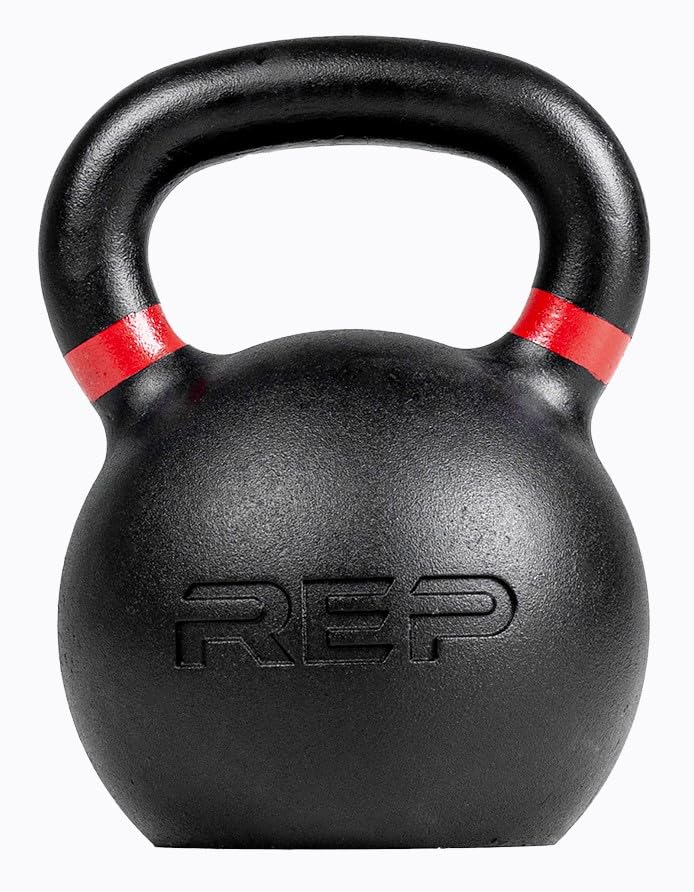
The cast iron tier for most home trainees is a single piece cast iron bell with a powder coat finish, in the classic step sizes. Expect to pay about $2 to $3 per pound for quality American casting. This tier suits swings, goblet squats, presses, and carries for years, with a handle feel that works with or without chalk. Its limit is collection cost: building a full set takes real money and floor space, so buy the two or three weights you will use weekly first, not a complete rack on day one.
The Adjustable Tier
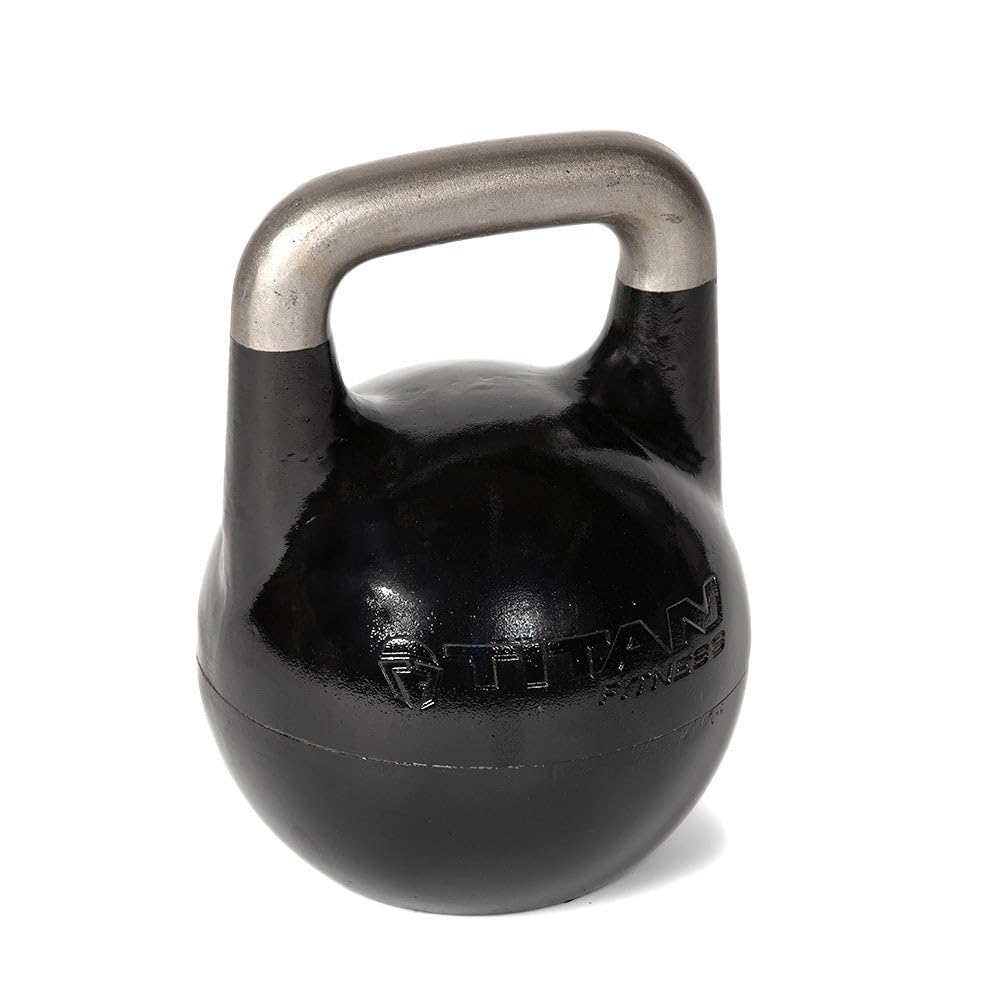
The adjustable tier centers on an adjustable kettlebell that replaces five to seven fixed weights for about $250 to $400. It passes our checklist if the handle is a true kettlebell shape, the weight changes lock securely with no rattle, and the bell body stays compact at light settings. This tier suits beginners whose strength will climb quickly and anyone short on space. The trade off is feel: adjustable bells rarely match the balance and window shape of a fixed bell during rack and overhead work.
The Competition Steel Tier
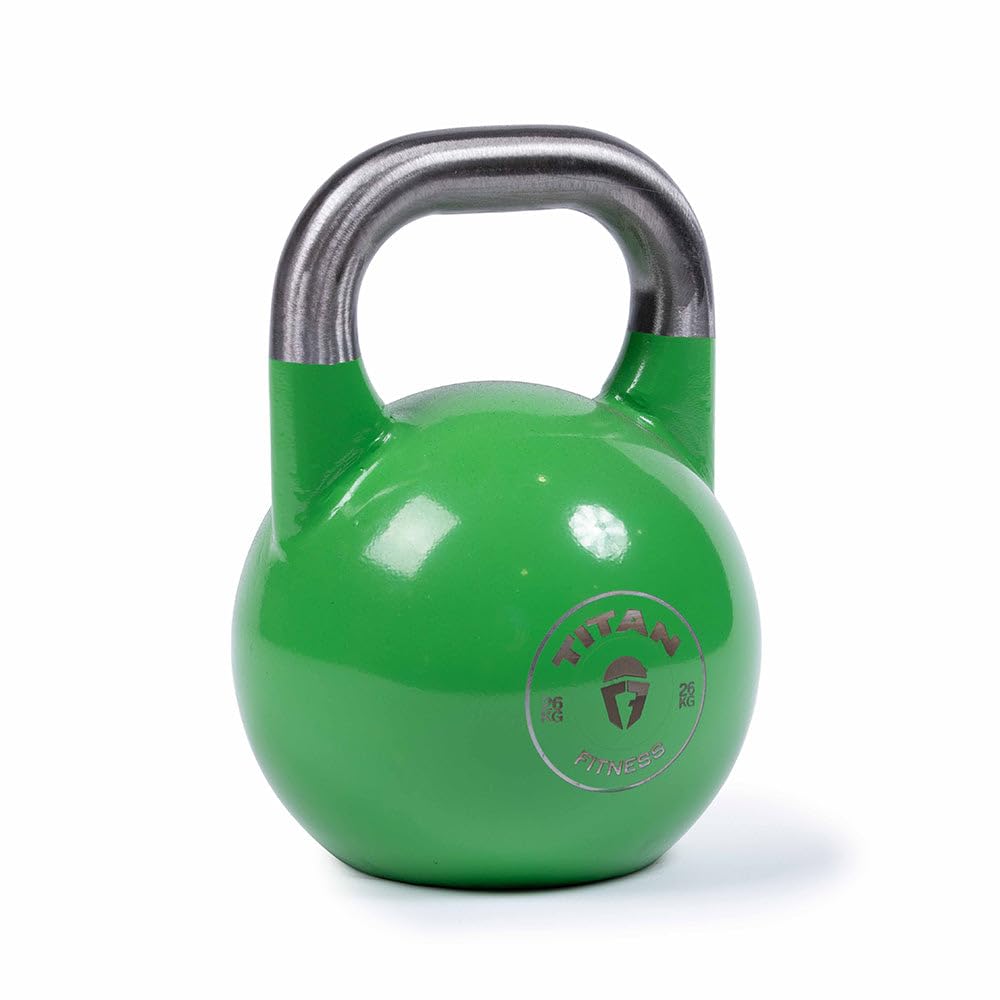
For heavy and high volume training, competition style steel bells earn their price, often about $150 to $300 per bell at common working weights. Every weight shares the same shell size and a 35 mm handle, so your technique stays identical as loads rise, and the machined steel handle treats skin kindly across long sets. They suit experienced lifters training several days a week and coaches equipping a gym. Casual users will not notice enough benefit to justify the premium over cast iron.
Quick Buyer Checklist
Answer these questions against any listing before you buy. A no on the first four is a reason to walk away.
- Is the bell cast or machined as a single piece, with no welded handle joint?
- Are weight markings cast in and shown in both kilograms and pounds?
- Is the handle diameter listed, and does it fall near 33 to 35 mm for adult hands?
- Is the stated weight tolerance given, or does the maker promise accuracy within about two percent?
- Does the window size suit two handed swings for your hand size?
- Do you have a mat and clear swing space, including ceiling clearance for overhead work?
- Is your chosen starting weight based on your current strength, not your goal weight?
- Can you buy the next size up from the same maker later so your set matches?
Red Flags to Watch For
Walk away from listings with vague casting claims and no stated weight tolerance, since accuracy is the core promise of a premium bell. Be wary of thick vinyl or plastic coatings on heavy bells, which can peel, feel slick with sweat, and hide thin handles. Extremely low prices per pound usually mean sand filled shells or light, oversized castings with poor balance. A warranty of only a few months on a product pitched as lifetime equipment signals low maker confidence. Finally, avoid novelty shapes with windows too small for two hands, which limit the most useful beginner movements.
Care and Maintenance Tips
Kettlebell care is refreshingly brief. Use a mat to protect floors and reduce noise, and wipe the handle down after each workout to slow rust, especially on bare steel. A drop of light oil on a cloth keeps steel handles bright in humid spaces. Inspect the handle monthly for rust spots or finish chips and smooth small rough patches with fine sandpaper before they irritate skin. Store bells dry and off concrete if possible, since concrete draws moisture against the base.
American Made Kettlebells: Your Questions Answered
Is a kettlebell quiet enough for an apartment?
Yes, a kettlebell is quiet enough for most apartments when you train on thick mats and lower the bell under control. The risk is impact through the floor during deadlifts and missed lifts, not noise from the bell itself. Choose a ground floor room or a corner over a support wall when you can, and keep heavy sessions to reasonable hours as a courtesy to neighbors.
How much space do I need for kettlebell training?
You need a clear area of about six by six feet for most training, plus ceiling height that clears your raised arm and the bell with room to spare. Swings travel forward and back, so furniture and walls should sit well outside the bell path. Storage space is small for one or two bells, but plan a sturdy rack or floor strip before your collection passes four bells.
Which kettlebell weight is better for beginners?
Most women starting out do well with about 8 to 12 kg for swings and 6 to 8 kg for presses, while most men start near 16 kg for swings and 12 kg for presses. These are starting points, not rules, and your training history matters more than any chart. If you are new to exercise, have joint issues, or are returning after injury, talk with a coach or clinician and begin lighter with coached technique.
How long does an american made kettlebell last?
A single piece iron or steel kettlebell can last for decades, effectively a lifetime of home training. The finish wears first, and surface rust is cosmetic if you clean and oil it. There are no bearings, welds under cyclic load, or electronics to fail. In practical terms, you will outgrow a weight long before you wear out the bell, which is why resale value stays strong.
Do I need an adjustable kettlebell or fixed weights?
Choose an adjustable model if space is tight, your strength is changing fast, or your budget must cover many weights at once. Choose fixed bells if you train often, do rack and overhead work, or plan to use pairs, since their shape and balance feel better under load. Many lifters start adjustable for the first year, then invest in fixed bells at their most used weights.
Wrapping Up
Judge any bell by single piece construction, honest weight accuracy, and a seam free handle near 33 to 35 mm, and you will avoid nearly every buying regret in this category. Match the tier to your space and training frequency, start with a sensible weight, and learn technique from a qualified coach if swings feel awkward or cause pain. Compare the options in the product table above, and you will choose among the best american made kettlebells with confidence.