Best American Made Hunting Boots of 2026: Complete Buying Guide
Disclosure: We may earn a commission when you buy through links on this page, at no extra cost to you. As an Amazon Associate I earn from qualifying purchases. Learn more

Compare american made hunting boots by fit, waterproofing, traction and insulation, with guidance on types, sizing and care for long days in the field.
A hunting boot has to carry you over mud, rock and frozen ground for hours, often with a pack on your back. The best american made hunting boots match your season, terrain and socks, and they can often be repaired instead of replaced. Use the comparison table below to check height, insulation and weight.
Domestic production matters most when it brings stitched construction, consistent sizing and access to resoling or repair. This guide covers builds for early season walking and cold sits, and what to check before you spend about $200 to $400.



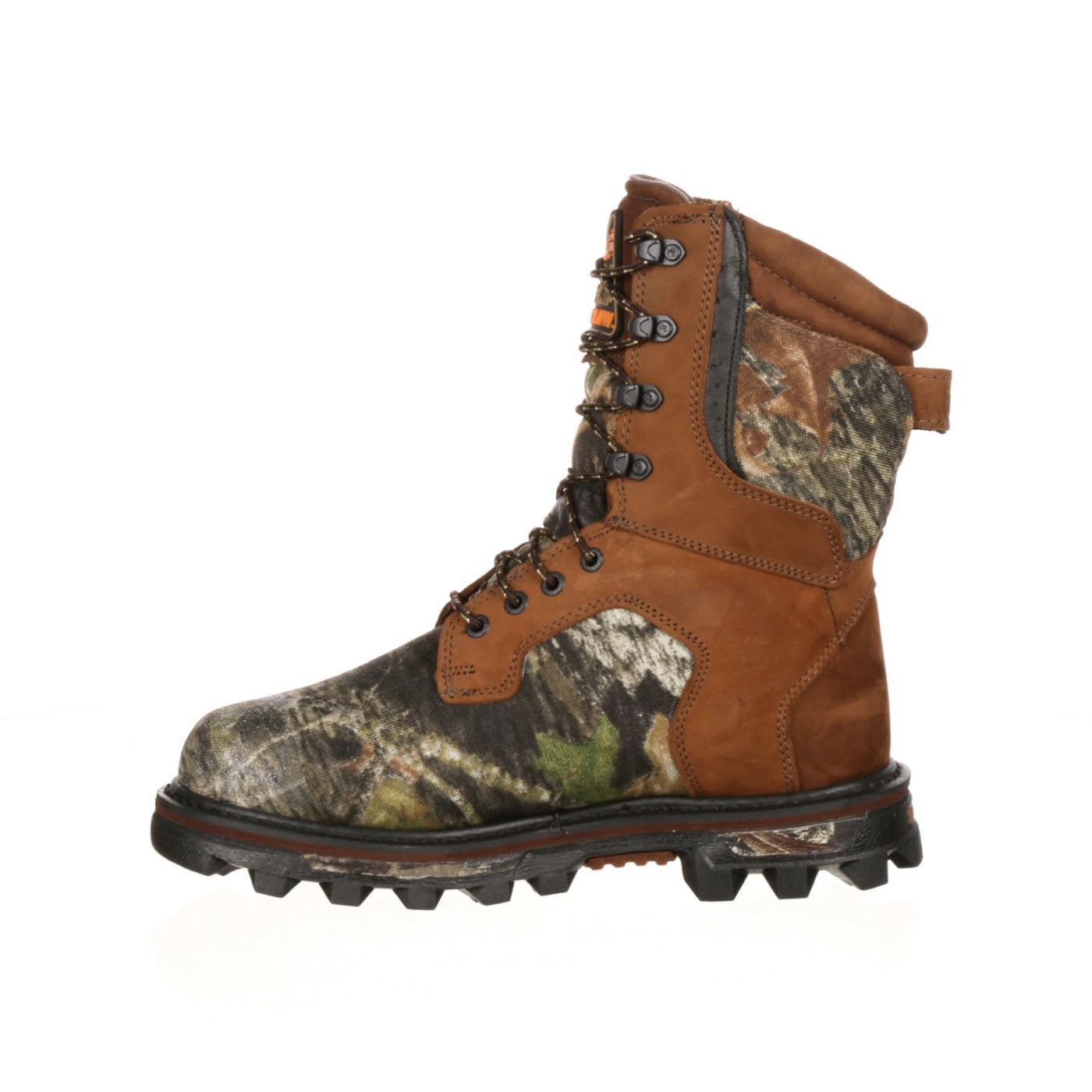
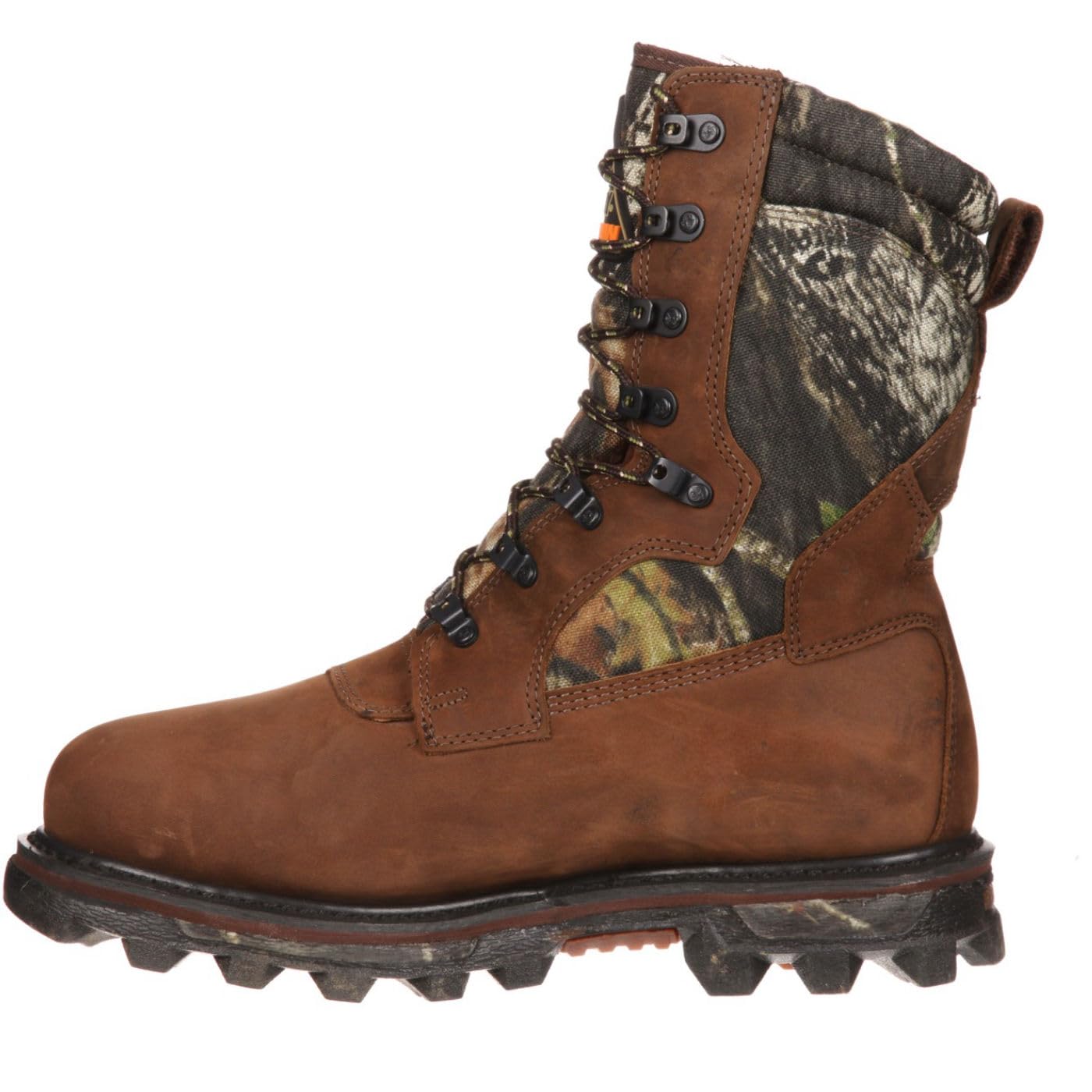

Who Should Buy American Made Hunting Boots?
Start with the hunt you repeat most often, because weather, distance and pack weight matter more than brand reputation.
Early Season Deer Hunters in Mild Weather
You walk to a stand before dawn and sit as temperatures rise by midday. Choose a mid height, uninsulated or lightly insulated boot with a breathable upper so sweat can escape. A moderate outsole suits packed trails and field edges, and a roomy fit helps because feet swell during a long sit.
Late Season Hunters Who Sit in Cold Wind
You stay still in cold air, so your feet lose heat faster than they would while walking. Choose a taller boot with insulation of about 400 to 800 grams and a waterproof membrane for snow and wet grass. A wider toe box leaves room for a heavy sock and a small air gap, which aids warmth.
Mountain and Upland Hunters Who Walk All Day
You climb, sidehill and cross loose rock with a pack, so stability and traction decide how fresh your legs feel at dusk. Choose a firm heel counter, deep lugs and a last that holds your midfoot without squeezing your toes. If you also work outdoors, see our guide to the best american made work boots for boots built around labor rather than long walks.
Key Features to Compare
Compare each pair against your season and ground, not against a label or a price tier. The factors below matter in roughly the order most hunters feel them.
Sizing for Thick Hunting Socks and Long Sits
Measure both feet in the afternoon, when they are largest, and try boots on with the socks you hunt in. Your longest toe should clear the front by about half an inch, and your heel should stay seated on a downhill ramp. A toe box that tapers sharply pushes toes together on descents, while a loose midfoot lets your heel lift and blister. Many domestic makers hold sizing steady across years, so your last size is only a starting point.
Keeping Feet Dry on Wet American Hunting Ground
A waterproof membrane such as Gore Tex blocks outside water while letting some vapor escape, and it suits wet grass, shallow crossings and snow. Waterproof boots still breathe less than unlined boots, so socks may feel damp from sweat on warm, dry days. Seams, tongue gussets and liner height decide real protection as much as the membrane name does. Choose a taller, gusseted design for marshy ground and an uninsulated model for early season use.
Insulation Level and Season Match
Insulation is usually listed in grams, and more grams hold more heat but add bulk. Roughly 200 grams suits active hunting in cool weather, about 400 grams suits mixed walking and sitting in late fall, and 800 grams or more suits very cold sits with little movement. Active hunters often prefer less insulation, because overheating makes feet sweat, and wet feet chill quickly once you stop.
Upper Materials, Breathability and Durability
Full grain leather resists abrasion from rock and brush, molds to your foot and accepts waterproofing treatments, but it weighs more and dries slowly once soaked. Synthetic panels and mesh cut weight and improve breathable airflow, yet they can wear faster where the boot flexes or rubs stone. A wrapped rand, the rubber strip around the base, often signals a boot built for repair.
Outsole Traction, Stability and Heel to Toe Drop
Lug depth and spacing decide grip more than tread pattern alone. Deep, widely spaced lugs shed mud and bite on soft ground, while closer lugs feel steadier on hard rock and packed trails. A firm midsole and a moderate heel to toe drop, often about 8 to 12 mm, can steady your stride under a pack. A boot that rolls easily on an uneven edge at home will feel worse on a sidehill under a pack.
Arch Support, Ankle Height and Boot Weight
Arch support should match your foot shape rather than push hard against it. Flat feet usually do better with a stable midsole and a removable insole you can swap, while high arches often need more cushion under the heel. Taller shafts, about 8 to 10 inches, support your ankle on uneven ground. Weight adds up over miles; a pair near 3 pounds feels very different after ten miles than a pair near 5 pounds.
Types of American Made Hunting Boots
Construction and purpose separate these types more than brand does, and the best american made hunting boots in each type tend to share stitched seams and repair options.
Waterproof Boots for Wet Ground and Shallow Crossings
These boots pair a membrane with sealed seams and a gusseted tongue, and they suit deer and waterfowl hunters who cross wet fields at dawn. They keep outside water out, but they dry slowly once water enters over the top. Choose a height above your usual mud line.
High Stability Boots for Steep and Uneven Terrain
These boots use a stiff midsole, a tall shaft and secure lacing to hold your foot on sidehills and under pack loads. They protect ankles and toes on rock, but they need a longer break in period. For domestic styles beyond hunting, see our guide to the best american made boots.
Lightweight Boots for Fast, Long Distance Hunts
These boots trim shaft height and upper weight for turkey, upland and early season hunts where you cover ground quickly. They feel agile and dry faster, but they offer less ankle support and less insulation. Choose them when distance matters more than cold sits or heavy pack outs.
Common Mistakes to Avoid
Most returns and sore feet come from a short list of avoidable errors.
- Buying your street shoe size without trying boots in thick socks leaves toes hitting the front on downhill walks.
- Choosing heavy insulation for an active hunt makes feet sweat early and then feel colder once you stop.
- Skipping the break in period and starting with a long hunt invites blisters on the first day.
- Ignoring lug spacing for your ground lets mud pack into the outsole and grip fade on wet slopes.
- Drying leather boots beside a heater cracks the leather and can damage membranes.
- Treating a low, lightly built boot as a mountain boot risks a rolled ankle under a heavy pack.
Care and Maintenance for American Made Hunting Boots
Brush mud off after each hunt and let the boots air dry at room temperature, away from direct heat. Remove the insoles so moisture can leave the inside. A boot stored still damp will smell, and its lining can break down before the outer leather wears out.
Condition full grain leather when it looks dry, using a product the maker allows for waterproof models, because some waxes reduce breathability. Check laces, eyelets and the rand each season, and ask a cobbler about resoling before the midsole wears through. That repair path is a central reason many hunters pay more for domestic boots.
FAQ
Are expensive american made hunting boots worth the higher price?
Expensive american made hunting boots are worth it when you hunt many days each season and value repair over replacement. Higher prices often buy stitched construction, better leather and resoling options. A hunter who goes out twice a year may never recover that cost. Resoling a worn outsole also costs far less than buying another premium pair.
How often should I replace american made hunting boots?
Replace american made hunting boots when the midsole feels flat, the outsole lugs are worn smooth, or the upper leaks after proper care. Time alone is a poor guide, because a stored pair can last many seasons. Watch for a new ache under your heel, which signals packed out cushioning.
Can I wear american made hunting boots all day in the field?
Yes, you can wear american made hunting boots all day if the fit is right and the pair is fully broken in. Carry spare socks and swap them at midday, because dry socks restore warmth and reduce friction. If your feet swell late, loosen the lower laces while keeping the ankle laces snug.
Do I need waterproof hunting boots for dry terrain?
No, you do not need waterproof hunting boots for dry terrain, and an unlined boot will usually feel cooler there. Morning dew is the exception, because two hours in wet grass can soak an unlined upper. If hunts start in dew and end in dry heat, a lightly lined boot is the better compromise.
How should american made hunting boots fit with thick hunting socks?
American made hunting boots should feel snug through the heel and midfoot, with clear space before your longest toe, when you wear thick hunting socks. Your toes should spread naturally when you stand, and no toe should press the side wall. Avoid solving a loose fit with two pairs of socks, because layered socks bunch and cause friction.
How long is the break in period for american made hunting boots?
The break in period for american made hunting boots usually runs from about 10 to 20 hours of walking, spread over several outings. Stiff leather and firm midsoles soften gradually, so start with short walks and add distance as hot spots fade. Tighten the top hooks more than the lower eyelets to hold your heel back.
Final Thoughts
Match the boot to your season first, then to your terrain, then to your foot shape. Insulation, membrane, lug pattern and shaft height all follow from those three choices, and price only makes sense after they are settled. Check height, insulation and weight in the product table above before you order.
Chosen that way, the best american made hunting boots become the pair you stop thinking about once the hunt starts.