Best All Terrain Shoes 2026: A Practical Buying Guide
Disclosure: We may earn a commission when you buy through links on this page, at no extra cost to you. As an Amazon Associate I earn from qualifying purchases. Learn more

The best all terrain shoes bridge trail, town and travel. See how grip, protection and comfort differ on mixed ground.
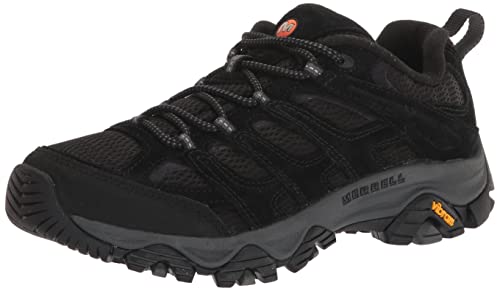
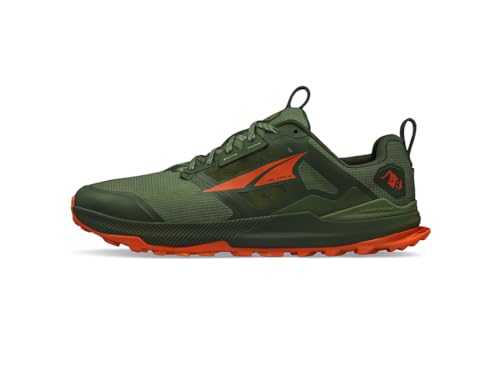
Some days mix pavement, gravel, grass, and a muddy path before lunch, and a specialist shoe feels wrong on at least one of those surfaces. The best all terrain shoes are made for that kind of mixed day, blending trail grip with everyday comfort so one pair can cover walking, light hiking, and travel. The product table below lists pairs that balance grip, weight and support, so you can narrow the field before you try them on.
This guide explains the key choices in plain language and helps you avoid common mistakes.

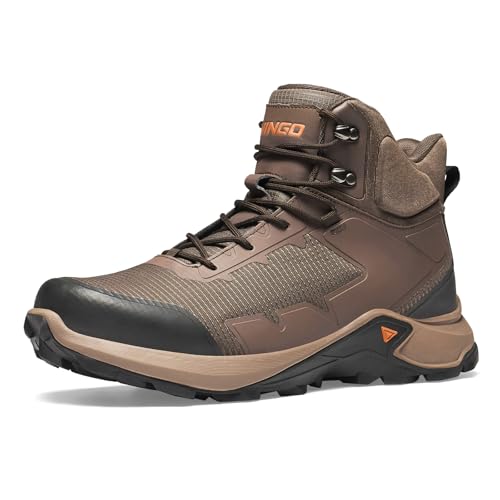
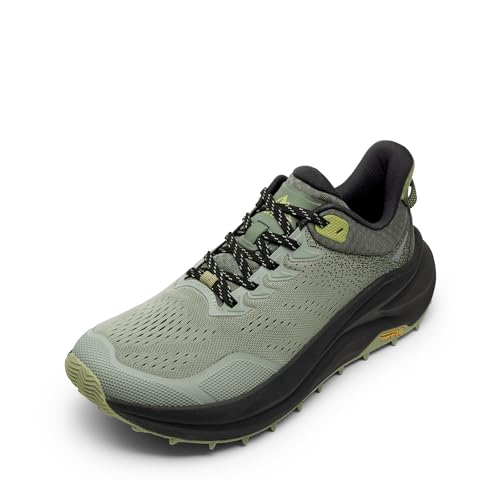

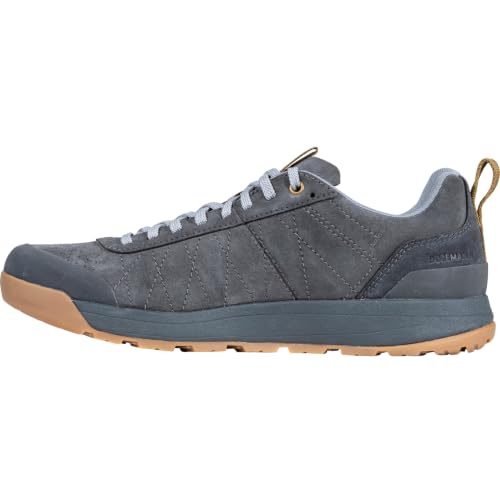

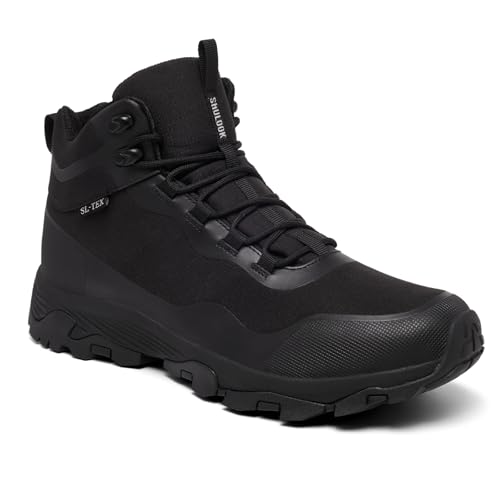

The Basics
All terrain shoes sit between road shoes, hiking boots, and sandals. They will not climb like a stiff boot or race like a road shoe, but they save you from packing three pairs for one trip. The best choice depends on how much walking you do, how rough the ground gets, and whether you need water resistance or quick drying. Judge the shoe on your hardest regular surface, not your easiest.
Key Features to Compare
Grip Across Surfaces
Outsole rubber and lug pattern decide whether a shoe feels sure on wet pavement, gravel, and muddy grass. Medium lugs with a sticky compound usually offer the best compromise, while deep trail lugs can feel clumsy on hard floors. Look for a pattern that channels water away rather than a flat, smooth sole. If you walk on polished indoor floors, check that the sole grips there too, since some trail rubbers feel slippery indoors.
Toe and Foot Protection
Mixed terrain brings roots, rocks, and curbs, so a reinforced toe cap and sturdy sidewalls matter. Protection should shield without making the shoe feel like a boot. A firm toe bumper helps on trails, while a flexible forefoot keeps the shoe comfortable for town walking. If you often stub toes on uneven paths, prioritize protection over a minimal, feather light feel.
Support and Cushion for Long Days
All terrain shoes should support the arch and cushion the heel for hours, not just for a short walk. A stable midsole with moderate cushion suits most walkers better than a very soft, tall stack that wobbles on uneven ground. Check that the shoe holds your heel level and does not roll inward or outward as you step. Removable insoles are useful if you wear custom inserts or want to adjust fit.
Water Handling and Drying Time
Rain, puddles, and stream crossings are part of all terrain use. Water resistant uppers shed light rain, while quick drying mesh suits warm weather and water crossings. Fully waterproof shoes keep water out but dry slowly once it enters over the collar. Choose based on your climate: wet and cold favors resistance, while warm and humid favors drainage and breathability.
Weight, Packability, and Everyday Wear
A shoe you wear all day should feel light enough to forget, yet tough enough for rough ground. Very light shoes often sacrifice protection and lifespan, while heavy shoes tire your legs on long walks. For travel, consider how the shoe packs and whether it still looks acceptable in town. A versatile color and clean design help one pair serve trail, travel, and daily errands.
Fit for Varied Movement
All terrain shoes face side slopes, stairs, and sudden stops, so fit matters more than in a pure walking shoe. The midfoot should lock down firmly, the heel should stay put, and the toes should have room to spread. Try the shoes on a slope and a staircase if possible, and wear the socks you will use most. A shoe that fits on flat ground can still slip badly on a side hill.
Who Should Buy the Best All Terrain Shoes
All terrain shoes suit walkers, travelers, and outdoor workers who cross mixed surfaces daily. They suit holiday makers who want one pair for town and trail, and dog walkers who cover parks, fields, and pavements in all weather. They are less suited to technical climbing, heavy backpacking, or serious running, where specialist footwear is safer. If your days are mostly one surface, a specialist shoe will usually feel better.
Mistakes to Avoid
- Choosing a trail boot level of stiffness for mostly town walking.
- Buying waterproof shoes for a hot climate where drainage matters more.
- Sizing for a shop floor walk instead of a slope, stairs, and a longer stride.
- Ignoring toe protection because the shoe looks sleek and light.
- Expecting one pair to replace a running shoe, a hiking boot, and a sandal perfectly.
Care and Upkeep Over Time
Brush mud from the outsole after rough walks and let the shoes dry naturally away from radiators. Wash removable insoles separately and check laces and stitching monthly. Rotate pairs when possible so foam and mesh recover between wears. Store the shoes where air circulates, and avoid leaving them in a hot car, which can warp soles and weaken adhesives.
Related Buying Guides
For a related comparison, see our guides to best all terrain running shoes, best all terrain hiking shoes, best all terrain walking shoes and best all terrain sandals.
Frequently Asked Questions
Are all terrain shoes good for hiking?
All terrain shoes suit easy to moderate trails, gravel paths, and day walks, but they are not a substitute for stiff hiking boots on steep, rocky, or heavy load routes. For gentle terrain and lighter packs, their comfort and grip are often better than a boot. Judge by trail steepness, load weight, and ankle support needs before choosing.
Can I wear all terrain shoes every day?
Yes, if the pair fits well and suits your daily surfaces. Many walkers wear them for commuting, errands, and weekend walks because one pair covers varied ground. Keep a second pair for wet days so each pair dries fully between wears. If you stand all day on hard floors, check cushion and arch support carefully.
Do I need waterproof all terrain shoes?
Waterproof shoes help in cold, wet weather and muddy conditions, but they run hotter and dry slowly once water enters over the top. In warm climates, quick drying mesh is usually more comfortable. Choose waterproof only when your routes stay wet and cold for long stretches.
How do all terrain shoes differ from trail running shoes?
Trail running shoes prioritize light weight and speed on trails, while all terrain shoes balance trail grip with walking comfort and everyday looks. All terrain shoes often have tougher uppers and more durable outsoles for daily wear. Trail runners suit faster, longer trail efforts, while all terrain shoes suit mixed days at walking pace.
How long should all terrain shoes last?
Lifespan depends on mileage, surface roughness, and body weight, but most pairs last many months of regular mixed use. Watch for worn lugs, flattened cushion, and upper tears near flex points. Replace the pair when grip fades on wet ground or support feels uneven, even if the shoes still look presentable.
Final Thoughts
Pick the pair that handles your hardest regular surface without punishing you on the easiest one. Use the product table above to shortlist grip and weight, then check fit on slopes and stairs. Comfort over a full day matters more than a single impressive feature. The best all terrain shoes prove their worth when you stop thinking about your feet and simply enjoy the route.