
Best All Terrain Sandals at Every Price: What Your Money Really Gets You for 2026
Disclosure: We may earn a commission when you buy through links on this page, at no extra cost to you. As an Amazon Associate I earn from qualifying purchases. Learn more

The best all terrain sandals depend on your budget. See price tiers, traction, fit, waterproofing and the features worth paying for.
Prices for trail ready sandals range from under $40 to well over $150, and the gap is not just about a logo. Cheaper pairs often cut corners on outsole rubber, strap padding, and arch support, while pricier pairs add grip and comfort that matter on long days. This guide to the best all terrain sandals shows you where extra money actually helps and where it does not.
Use the comparison table below to compare prices and basic specs first. Then read the tier breakdowns so you can match a pair to the trails, river crossings, and travel days you actually plan.


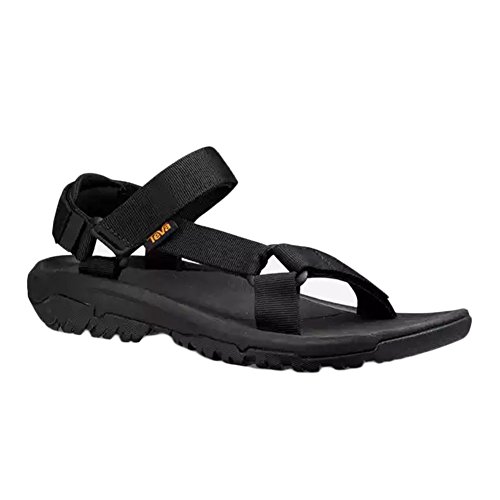


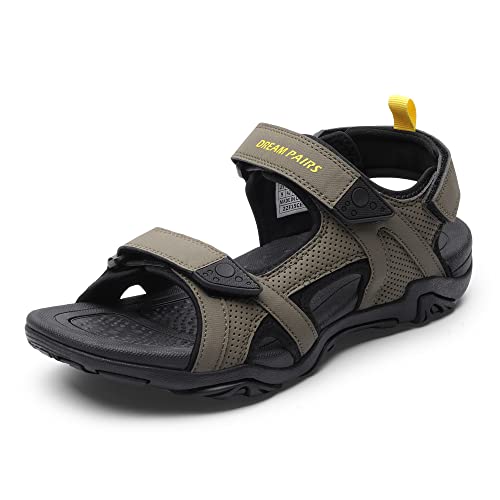

Price Tiers for the Best All Terrain Sandals
Instead of chasing a single winner, think in tiers. Each tier below describes what you can reasonably expect for the money, who it suits, and the main trade off you accept.
Budget Pairs, About $40 to $70
A budget tier pair, usually around $40 to $70, suits short hikes, beach walks, and travel days where you want one sandal for town and light trail use. Expect a simple strap system, a molded footbed with basic arch support, and an outsole that grips dry dirt and pavement well. The trade off is durability. Thinner straps can stretch when wet, and softer rubber wears faster on rocky ground, so plan on fewer seasons of hard use.
Midrange Pairs, About $70 to $110
The midrange tier, around $70 to $110, is where most hikers should shop. You typically get a contoured footbed that supports the arch for hours, adjustable straps that hold the heel firmly, and a lugged outsole with stickier rubber for wet rock. Many pairs in this range also add a closed toe option or a toe post free design for sensitive feet. The limitation is weight and bulk compared with premium pairs, but for weekend trails the value is hard to beat.
Premium Pairs, About $110 to $160
Premium pairs, around $110 to $160, earn their price on rough terrain and long mileage. Look for a rugged outsole with deep multidirectional lugs, a cushioned yet stable midsole, and straps that dry fast and resist stretching. Fit is usually more refined, with more adjustment points and a shaped toe box. You pay more up front, but if you hike weekly or travel with only one pair of footwear, the longer lifespan and fewer blisters can justify the cost.
What Your Money Gets You at Each Price Tier
Budget Tier: What to Expect
At the budget end, materials are the main compromise. Footbeds are often flat foam that packs down after a season, and outsoles use harder rubber that can feel slick on wet stone. Strap webbing may fray sooner, especially with sand and salt water. Still, a careful buyer can find honest value here by checking for a real heel cup, at least two adjustment points, and lugs you can feel with a thumbnail. For camp shoes and easy trails, that is enough.
Midrange Tier: The Sweet Spot for Most Buyers
Midrange money buys better rubber compounds, and that is the upgrade you feel most. Traction improves on creek crossings, and the footbed keeps its shape through a full summer. If you are comparing options in this range, our roundup of the best rated sandals shows how owner ratings line up with these features. You also start to see antimicrobial footbed treatments and recycled webbing. For most people shopping for the best all terrain sandals for regular trail use, this tier balances cost, grip, and comfort best.
Premium Tier: When Spending More Pays Off
Premium pricing pays for design details that only show up after miles. Expect a midsole that cushions without feeling unstable, a rocker shape that helps on long descents, and hardware that does not slip mid hike. Brands also tend to offer better warranties and resoling or repair guidance at this level. Spend here if you backpack in sandals, hike in wet climates often, or have foot issues that punish poor support. Casual users will rarely notice enough difference to justify the jump.
Features Worth Paying For (and Ones to Skip)
Fit, Sizing, and Toe Box
Measure your feet in the afternoon, when they are slightly swollen, and compare the length in centimeters with the brand size chart. Your toes should have about a thumb width of space in front, and the toe box should let your forefoot spread on descents. If you fall between sizes, choose based on strap adjustability rather than length alone. A sandal that fits well in the shop but slides on a slope will cause blisters, so try them on an incline if the store allows it.
Waterproofing (Gore Tex and Membranes)
Most terrain sandals are not waterproof in the boot sense, and that is a good thing, because open designs drain and dry quickly. Membrane liners matter more in closed toe hiking shoes and waterproof boots than in sandals. For sandals, prioritize quick drying webbing and a footbed that does not get slick when wet. If you expect cold rain and deep puddles on every trip, a closed waterproof shoe may serve you better than any sandal, no matter the price tier.
Upper Materials and Breathability
Polyester webbing dries fastest and holds up well to chlorine and salt. Leather straps look good in town but absorb water, stretch, and need conditioning, so they suit dry climates and travel more than creek hikes. Breathability in a sandal comes from openness, not fabric technology, so focus on how much of your foot the straps cover and whether padded sections trap heat. If you hike in humid weather, simpler strap layouts with less padding usually feel cooler and dry overnight.
Outsole Traction and Terrain
Lug depth of about 3 to 5 mm handles dirt trails, gravel, and wet pavement for most walkers. Deeper, widely spaced lugs shed mud better, while tighter lug patterns feel smoother on hard surfaces. Press the outsole with your fingernail. Softer rubber usually grips wet rock better but wears faster, and firmer rubber lasts longer on pavement. Match the pattern to your main terrain rather than buying the most aggressive tread you can find, because tall lugs can feel wobbly on boardwalks and gym style floors.
Cushioning and Support
Good support matters more than maximum softness. A shaped footbed with a firm arch and a defined heel cup keeps your foot centered, which reduces fatigue on uneven ground. Heel to toe drop in sandals is usually low, and that suits most walkers, but people with tight calves may prefer a slightly raised heel. If you have plantar fascia pain, ask a clinician about support, look for firmer foam rather than plush foam, and see our guide to the best sandals for plantar for more detail. Neutral cushioning works for most feet, while extra stability features help if your ankles roll inward on trails.
Picking the Right Terrain Sandals for Different Uses
Best Men's All Terrain Sandals: Where Your Money Goes
For best men's all terrain sandals, the money should go to strap strength, a wider size range, and an outsole built for heavier loads. Men often need longer strap travel for high volume feet and a footbed that does not bottom out under more weight. Our guide to the best sandals for guys covers fit notes in more depth. Prioritize a secure heel strap and firm midsole foam over extra padding.
Best Mens All Terrain Sandals for Wide Feet
Shoppers looking for best mens all terrain sandals for wide feet should start with models sold in a true wide width, not just a larger size. Check that the forefoot straps adjust without digging in and that the footbed is wide enough that your foot does not spill over the edge. A roomy toe box and a strap layout that avoids the bunion area make the biggest difference. Order late in the day and walk indoors first so you can exchange sizes easily if the forefoot still feels pinched.
Long Term Costs to Factor In
The purchase price is only part of the cost. Replacement straps are rarely sold for sandals, so a torn strap often means a new pair, which makes strap quality a value issue. Budget for a small brush and mild soap to keep footbeds from building up odor, and expect to replace heavily used pairs every one to three seasons depending on mileage. Premium pairs with longer warranties can cost less per year if you hike often. Also consider socks for cold or buggy conditions, plus a lightweight repair strap for travel, both small costs that extend how often you can use the sandals.
Terrain Sandals: Your Questions Answered
How often should I replace my terrain sandals?
Replace them when the lugs are visibly worn smooth, the midsole feels flat, or straps no longer hold adjustment. For many walkers that is after about 300 to 500 miles of trail use. A useful check is to place the pair on a flat surface and look for uneven tilt, which signals worn foam. Replacing on time protects your knees and ankles on descents.
How should terrain sandals fit?
They should fit snugly at the heel and midfoot with room for your toes to spread and move. Your foot should not slide forward on a slope or hang over the footbed edges. Adjust the heel strap first, then the forefoot straps, and walk for several minutes indoors. Slight looseness is fine for flat ground, but any heel lift on steps means you should try another size or model.
Are expensive terrain sandals worth it?
They can be worth it if you hike often, carry a pack, or need strong support for sensitive feet. The gains are better rubber, longer lasting foam, and straps that stay put when wet. If you only walk easy paths a few times each summer, a midrange pair gives you most of the benefit for less money. Spend on fit first, because an expensive sandal that fits poorly is never a good value.
Can I wear them all day?
Yes, if the footbed supports your arch and the straps do not create hot spots. Build up wear time over a week before a long hike or travel day. Carry a small piece of moleskin or tape for the first long outing, since new strap edges can rub. People who stand all day on concrete may still prefer a shoe with more cushioning, but for mixed trail and town days a good sandal works well.
How long is the break in period?
Most modern sandals need only a few short walks, often two to five outings, before straps soften and the footbed shapes to your foot. Leather models take longer, sometimes two weeks of regular wear. Wear them around the house first and tighten straps gradually. If a strap still cuts in after a week, that is a fit problem, not a break in issue, and exchanging the pair is the smarter move.
Do I need waterproof shoes?
No, most sandal users are better served by a pair that drains and dries fast than by a waterproof membrane. Water will enter an open sandal no matter what the straps are made of. Choose quick drying materials and avoid cotton socks with sandals in wet weather. Save waterproof footwear for cold rain, snow, or trails where your feet stay submerged and warmth matters more than drainage.
The Bottom Line
Choose by terrain, fit, and how often you will hike. The midrange tier gives most buyers the grip and support they need, while premium pairs pay off for frequent and rough trail use. Whichever tier you choose, the best all terrain sandals are the ones that hold your heel, grip your usual ground, and feel good after an hour of walking. Compare your shortlist in the product table above before you buy.


