
Best All Terrain Running Shoes 2026: A Smart Buying Guide
Disclosure: We may earn a commission when you buy through links on this page, at no extra cost to you. As an Amazon Associate I earn from qualifying purchases. Learn more

The best all terrain running shoes grip mud, rock and pavement without feeling clumsy. See how lugs, cushion and fit work together.
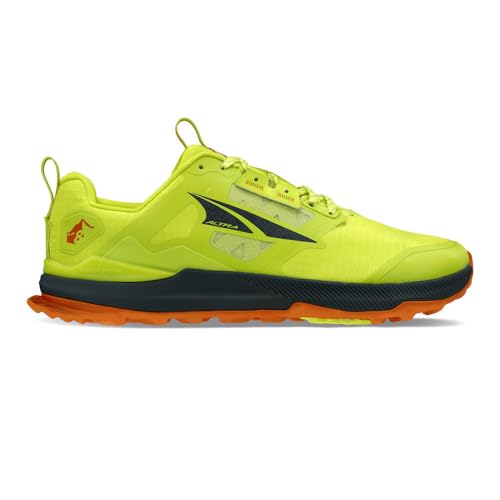
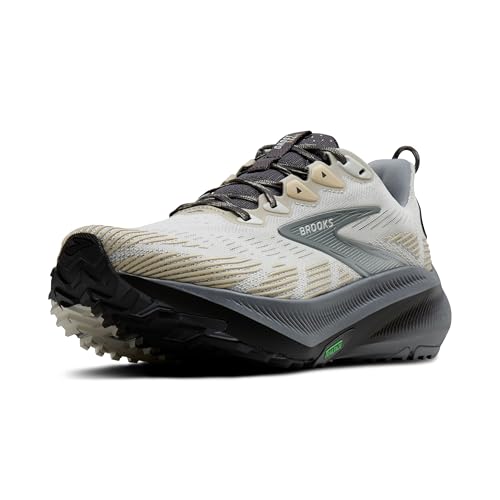
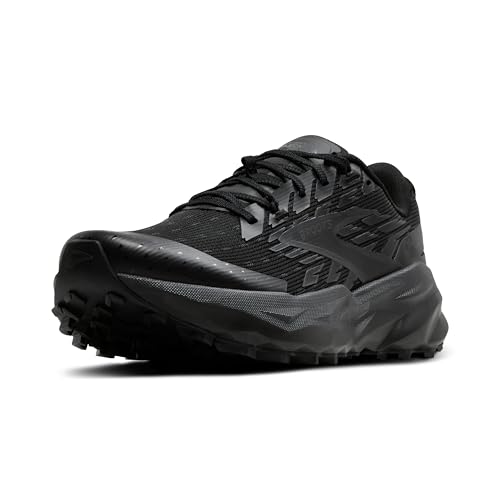
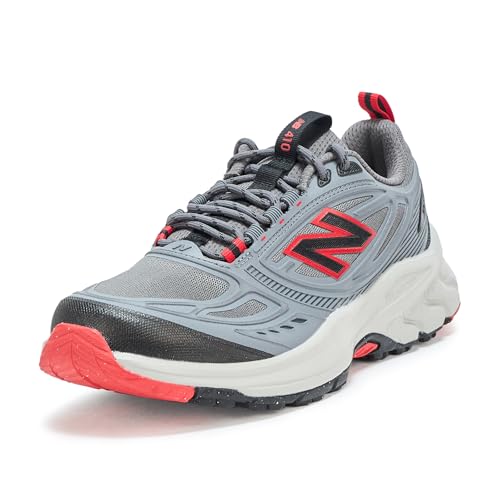
Road shoes feel fast on pavement and trail shoes feel sure on dirt, but mixed routes ask for both qualities at once. The best all terrain running shoes are built for that middle ground, with grip that bites on loose ground and cushion that stays comfortable on hard surfaces. The product table below lists pairs that balance outsole, cushion and weight for mixed routes.
This guide explains the key choices in plain language and helps you avoid common mistakes.




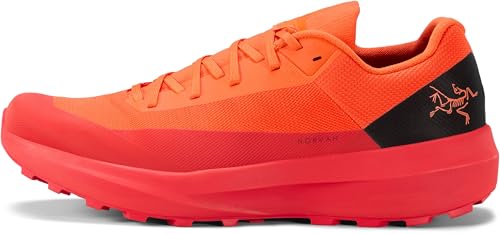

The Basics
All terrain does not mean perfect everywhere. A shoe that grips mud well may feel stiff on pavement, and a soft road shoe may slip on wet rock. The right choice depends on the surfaces you actually run most, the distance you cover, and how your feet handle uneven ground. Start from your usual route mix, then judge grip, protection, and comfort in that order.
Key Features to Compare
Outsole Lugs and Grip
Lugs are the raised blocks on the outsole, and their depth and spacing decide grip. Deeper, widely spaced lugs shed mud and bite into loose dirt, while shallow, dense lugs grip pavement and dry rock better. For mixed routes, look for medium depth lugs with a sticky rubber compound. Try the shoe on wet pavement and a gravel path if possible, and notice whether the heel slips on turns.
Rock Plates and Underfoot Protection
A rock plate is a thin layer that shields the sole from sharp stones and roots. It adds a little stiffness but saves your feet on rough trails. Full length plates protect more, while forefoot only plates keep the shoe flexible for road sections. If your routes include rocky descents, protection matters more than a soft feel. If you mostly run parks and paths, a lighter plate is enough.
Cushion and Ride on Mixed Surfaces
Cushion should absorb impact on pavement without feeling unstable on uneven ground. A medium stack with a stable base usually works better than a very tall, soft stack for all terrain use. Pay attention to heel to toe drop, since a lower drop can feel more grounded on trails while a higher drop can ease calf load on roads. Run a short mixed loop before deciding, not just a shop floor walk.
Upper Durability and Drainage
Uppers on all terrain shoes face mud, branches, and stream crossings. Look for reinforced toe areas, strong mesh that resists tearing, and overlays that protect without stiffening the whole shoe. Drainage matters if you cross water, since a shoe that holds water feels heavy for miles. Quick drying mesh and drainage holes help, but they also let in fine grit, so balance drainage against debris protection.
Fit, Lockdown, and Ankle Support
A secure midfoot lockdown stops the foot sliding inside the shoe on side slopes and sharp turns. Lacing should let you tighten the midfoot without pinching the toes, and the heel cup should hold without rubbing. All terrain shoes rarely need high ankle collars, but a padded collar helps on rough ground. Try the shoes with your usual running socks and leave a thumb width of room ahead of your longest toe.
Weight and Expected Lifespan
All terrain shoes carry extra rubber and protection, so they often weigh more than pure road shoes. Accept a small weight penalty for durability, but avoid a shoe that feels like a boot. Most running shoes last about 300 to 500 miles, and rough terrain wears outsoles faster. Track your mileage and retire the pair when grip fades or cushion feels flat, even if the upper still looks fine.
Who Should Buy the Best All Terrain Running Shoes
All terrain running shoes suit runners who mix road, gravel, park trails, and light mountain paths in a single week. They suit trail race beginners who want one pair for training and racing, and road runners who regularly cut across grass or dirt. They are less suited to pure road marathon training or technical mountain running, where a specialist shoe performs better. If your routes are mostly one surface, a specialist shoe is usually the smarter buy.
Mistakes to Avoid
- Buying the deepest lugs available even though most of your miles are on pavement.
- Choosing a soft, tall stack that feels unstable on uneven ground.
- Ignoring toe protection on rocky routes and paying for it with bruised toes.
- Sizing too tight, leaving no room for foot swelling on longer runs.
- Keeping a worn pair because the upper looks fine while grip and cushion are gone.
Care and Upkeep Over Time
Clean mud from lugs after trail runs so grip stays effective, and let the shoes dry at room temperature away from direct heat. Rotate two pairs if you run most days, since foam recovers better with rest between runs. Replace laces when they fray, and check the outsole regularly for worn patches. Store the shoes in a dry, ventilated place rather than a sealed bag, which traps moisture and odor.
Related Buying Guides
For a related comparison, see our guides to best running shoes, best tennis shoes for running, best male running shoes, best ladies running shoes and best trail running shoes for rocky terrain.
Frequently Asked Questions
Can one pair handle road and trail equally well?
One pair can handle both reasonably well, but it will not match a specialist shoe on either surface. All terrain shoes aim for a useful compromise, with grip for dirt and cushion for pavement. If your week splits evenly between road and trail, that compromise is worth it. If one surface dominates your training, choose a shoe built mainly for that surface.
Do I need waterproof all terrain shoes?
Waterproof shoes keep feet drier in rain and shallow puddles, but they also trap heat and dry slowly once water gets in over the collar. For most runners, a quick drying non waterproof shoe is more comfortable across seasons. Choose a waterproof version only if you often run in cold, wet conditions where staying dry matters more than breathability.
How should all terrain shoes fit?
Fit should feel snug at the midfoot and heel with room for toes to spread. Try them late in the day, when feet are slightly swollen, and wear your usual running socks. Run a short loop that includes a turn and a slope if the shop allows it. Any heel slip or toe pinching on that loop will only grow worse over longer distances.
How long do all terrain shoes last?
Most pairs last about 300 to 500 miles, with rough terrain shortening life at the outsole and foam. Grip loss, flattened cushion, and uneven wear are better retirement signals than looks alone. Keep a simple mileage log, and inspect the shoes monthly if you run on rocky ground. Rotating pairs can extend the life of each pair.
What about ankle support on rough trails?
Most all terrain shoes use a low collar with a secure fit rather than a high boot style collar. That design keeps the shoe light and agile while the lacing and heel cup control movement. If you have weak ankles or a history of sprains, talk with your clinician about support needs, and consider routes and strengthening work alongside shoe choice.
Final Thoughts
Match the shoe to your real route mix, not to the roughest trail you might run once a year. The product table above is a useful shortlist, but your feet should make the final call after a short mixed surface run. Prioritize grip, protection, and a secure fit, and accept a small weight penalty for durability. The best all terrain running shoes earn their place when one pair carries you comfortably from pavement to trail and back again.


