
Best Aluminum Full Suspension Mountain Bike 2026
Disclosure: We may earn a commission when you buy through links on this page, at no extra cost to you. As an Amazon Associate I earn from qualifying purchases. Learn more
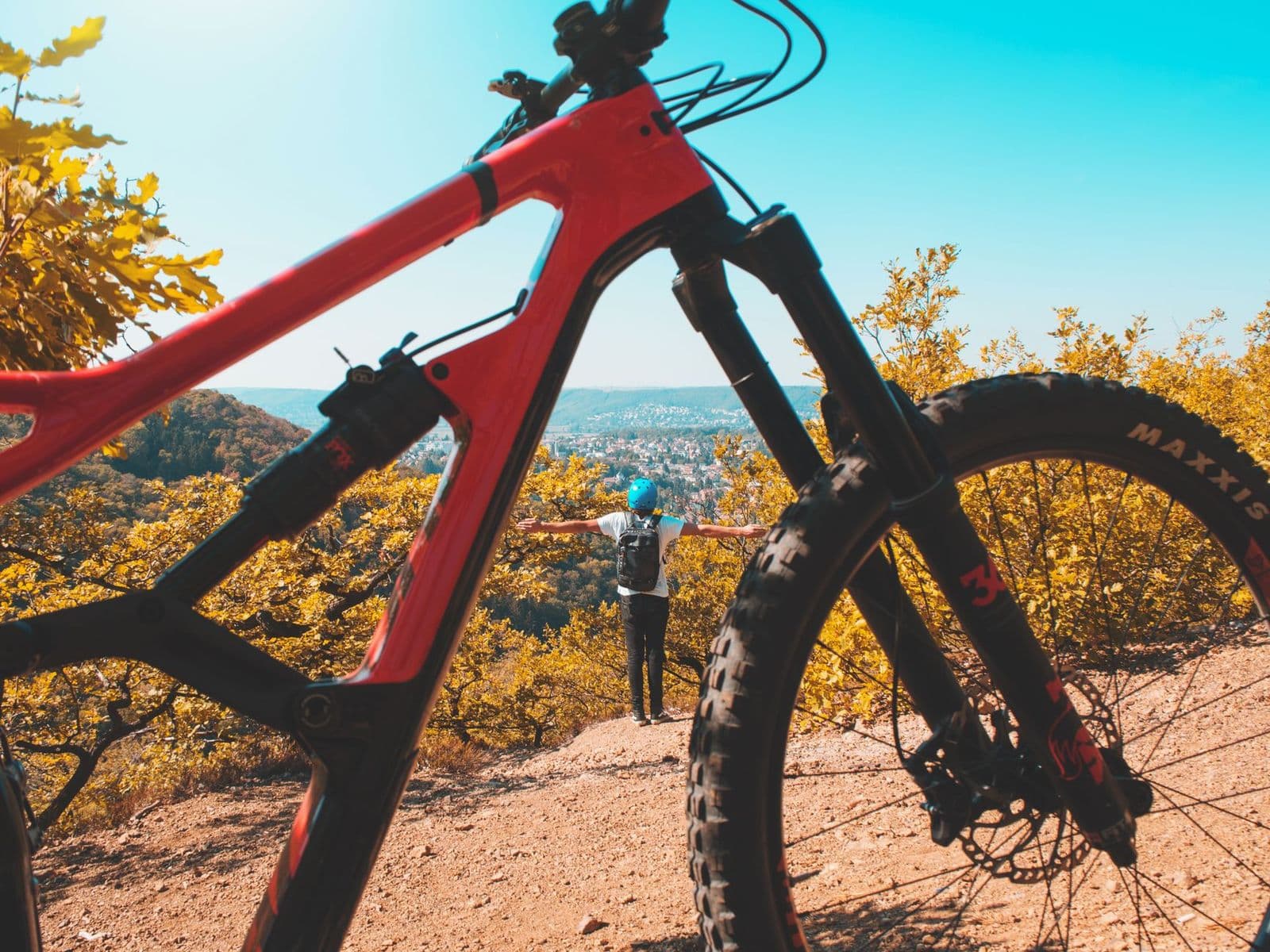
How to choose the best aluminum full suspension mountain bike: travel, geometry, brakes, sizing and setup for the trails you ride.
There is no single bike that suits every rider. A short travel bike that feels lively on smooth local trails can feel nervous on steep rocky descents, while a long travel bike that loves rough ground can feel slow and heavy on an easy evening loop.
This guide helps you find the best aluminum full suspension mountain bike for the way you actually ride, by starting with your routine, your terrain, and your storage space. Aluminum keeps cost and durability in a sensible balance for most riders.
Who Should Buy Which Aluminum Full Suspension Mountain Bikes?
For Frequent or Serious Users
If you ride several times a week or train for events, prioritize suspension quality, a stiff frame, and parts you can service locally. A better shock and fork give you tuning options such as rebound and compression control, which help the bike stay calm at speed. Look for a strong warranty and easy access to bearings and small parts, because frequent riders wear through consumables quickly. A dropper post, four piston brakes, and tubeless tires are worth your money at this level.
For Small Spaces and Easy Storage
If you store the bike in an apartment, a small garage, or a car, size and weight shape your shortlist first. Aluminum full suspension bikes do not fold, so measure your storage spot and your vehicle before you buy. A removable front wheel, a compact stand, and a wall mount can make a normal trail bike fit a tight space. Choose a slightly shorter travel model if space is tight, since long and slack bikes have longer wheelbases that are harder to maneuver through doors and hallways.
For Bad Weather and Tough Conditions
If you ride through wet seasons and rocky terrain, prioritize sealed bearings, generous mud clearance, and brakes that keep working in the rain. Aluminum handles knocks and wet storage better than many riders expect, and it will not rust, though you should still dry the drivetrain after wet rides. Choose tires with deeper tread and a softer compound for grip, and check that the frame protects the shock from spray. Bright mounts for lights also help on dark winter rides to and from the trail.
For Weekend Beginners
If you ride once a week on mixed local trails, you need a bike that feels stable, forgiving, and simple to maintain. A mid travel trail setup with a simple single ring drivetrain and hydraulic brakes is the easiest place to start, and our guide to the best beginner full suspension mountain bike goes deeper on starter friendly geometry. Avoid extreme downhill geometry at first, because a balanced bike builds confidence on climbs as well as descents.
Key Features to Compare
Frame Material and Geometry
Aluminum offers a strong, affordable frame that makers can shape for stiffness where it matters, and it costs far less than carbon while weighing a little more. Geometry decides how the bike feels: a slacker head angle adds calm on descents, a steeper seat angle helps climbing, and reach should let you move your weight without feeling stretched. Compare bikes in your size using reach and stack figures rather than frame labels alone, since sizing names vary between brands. Finish and color are personal, and riders who care about appearance can also browse our guide to the best looking full suspension mountain bike for style ideas.
Suspension and Travel
Travel is the amount the wheels can move to absorb impacts, and it should match your terrain. Around 100 to 120 mm suits cross country riding and smooth fast trails. Around 130 to 150 mm is the trail sweet spot for most riders, handling roots, rocks, and small drops with ease. Around 160 mm and above suits enduro and bike park use, at the cost of climbing efficiency. A hardtail has no rear suspension at all, so if your trails are smooth and your budget is tight, compare honestly before paying for rear travel you may not need.
Bike Type and Riding Style
Name your main riding style before you shop. Cross country bikes reward fitness and speed on climbs. Trail bikes balance climbing and descending and suit the widest range of riders. Enduro bikes favor descending and need stronger brakes, tires, and rims. If most of your week is commuting or gravel paths with one trail day a month, a trail bike with faster rolling tires may serve you better than a heavy duty setup. Be honest about the split, because the bike you enjoy on your common ride is the bike you will keep riding.
Brakes: Hydraulic vs Mechanical Disc
Hydraulic disc brakes give stronger stopping power with lighter finger effort, and they adjust themselves as pads wear, which is why most trail bikes use them. Mechanical disc brakes cost less and are simple to fix with basic tools, but they need more hand force and more frequent adjustment. Rotor size matters too: larger rotors control heat and power better on long descents. Whatever you choose, bed in new pads with a series of gentle stops before your first steep trail, and always ride with a helmet that fits well.
Common Mistakes to Avoid When Buying Aluminum Full Suspension Mountain Bikes
- Choosing by price alone. A cheap bike with a poor fork can cost more later in upgrades. Riders watching value should also read our guide to the best inexpensive full suspension mountain bike for where savings are safe and where they are not.
- Ignoring geometry. Travel numbers mean little if reach and head angle do not suit your terrain and body.
- Buying the wrong size. A bike that is too large feels vague in corners, and one that is too small cramps climbing.
- Skipping the warranty check. Frame and suspension coverage differ a lot, and frequent riders rely on it.
- Forgetting the extras budget. A helmet, pump, multi tool, and tire sealant are part of the real purchase price.
Setup and Care Tips
Good setup makes a mid priced bike feel like a more expensive one. Check tire pressure before every ride, since a few pounds too high reduces grip and a few too low risks rim damage. Set shock and fork sag with your riding gear on, following the maker guide, and write the numbers down. Clean and lube the chain every 100 to 200 miles, or sooner after wet rides. Book a professional tune up once a year to check bearings, brake pads, and suspension service intervals, and store the bike dry and out of strong sunlight.
Frequently Asked Questions
How much should I spend on my first aluminum full suspension bike?
Spend enough to get hydraulic brakes, a single ring drivetrain, and an air sprung fork, which many riders find in the lower mid price range. Below that level, coil forks and weak brakes limit confidence on real trails. A useful extra check is resale demand in your area: popular sizes and trail travel ranges sell faster later, which lowers your true cost if you upgrade in a few years.
What size aluminum full suspension bike do I need?
Start with the maker size chart using your height and inside leg measurement, then confirm with reach figures and a test ride if possible. Between sizes, shorter riders often prefer the smaller option for control, while taller riders may prefer the larger one for stability. A simple stand over check helps too: you should clear the top tube comfortably when standing flat footed over the bike in your riding shoes.
How often should I service the suspension?
Most makers suggest a fork lower leg service and a shock air can service every 50 to 100 hours of riding, and a full service about once a year. Muddy or dusty riding shortens the interval, so follow the maker guidance for your model.
Hardtail or full suspension for beginners?
Full suspension is usually kinder for beginners on rocky or rooty trails, because the rear wheel tracks the ground and the bike forgives poor line choices. A hardtail is lighter and cheaper and teaches smooth technique on gentle trails. The deciding factor is your local ground: ride a borrowed or rented bike on your home trails for a day, and the right answer usually becomes obvious from how your back and hands feel.
Our Verdict
Match travel to terrain, geometry to your body, and parts quality to how often you ride, and the shortlist shrinks fast. Most riders are happiest on a balanced trail bike with hydraulic brakes and a dropper post, bought in the correct size and set up carefully. Choose the best aluminum full suspension mountain bike that fits your routine week after week, not just your biggest planned ride.


