
Best All Terrain Hiking Shoes 2026
Disclosure: We may earn a commission when you buy through links on this page, at no extra cost to you. As an Amazon Associate I earn from qualifying purchases. Learn more

The best all terrain hiking shoes for rocky, muddy and mixed trails balance grip, ankle support, waterproofing, weight and comfort.
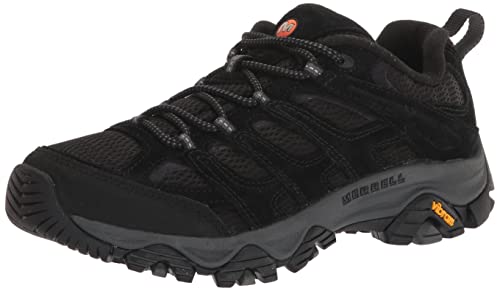
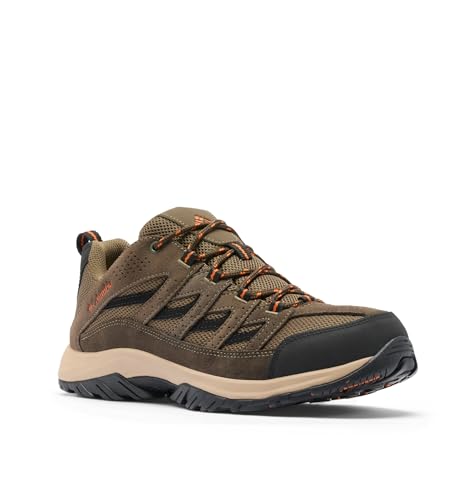
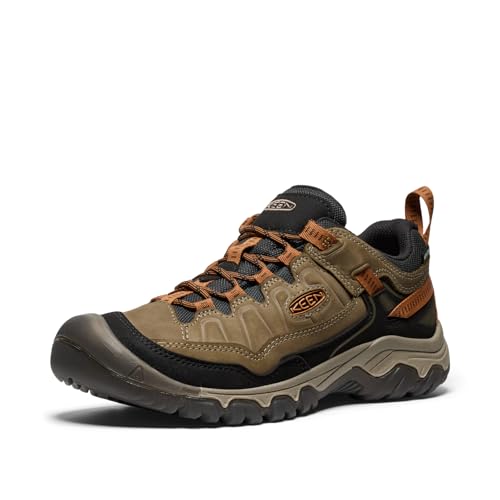
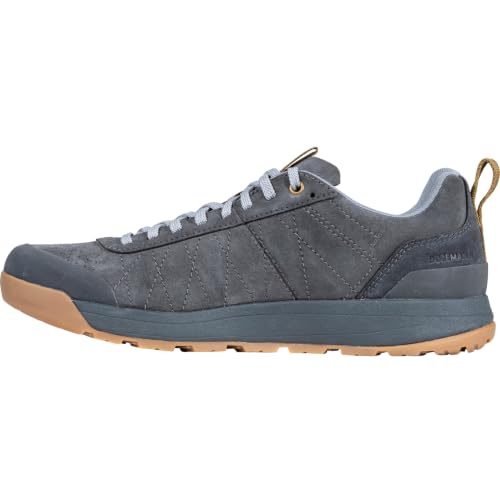
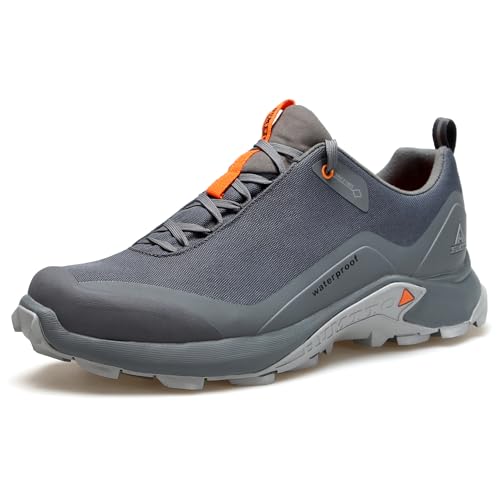
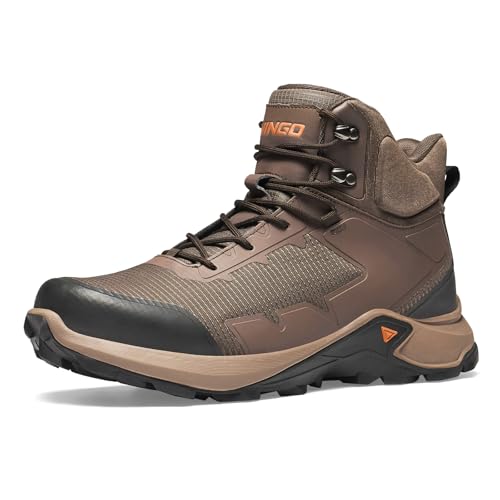
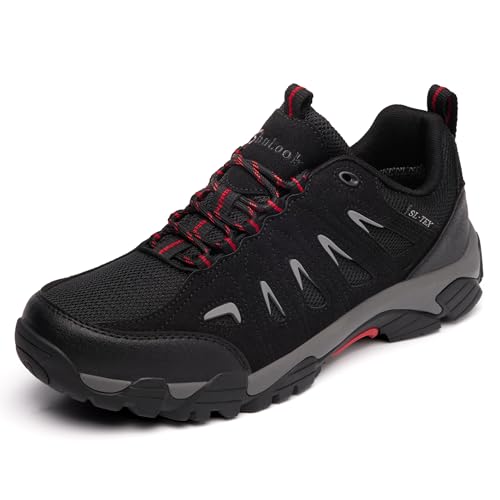
best all terrain hiking shoes must handle rock, mud, roots and loose gravel in a single outing. Grip, protection and ankle support matter more than light weight alone when terrain changes underfoot. The product table below lists pairs that suit mixed ground.
Mixed terrain punishes shoes built for one surface, since a road shoe slips on mud and a heavy boot tires on flat sections. This guide covers shoe cuts, grip, waterproofing, protection and fit, so you can pick a pair for trails that mix everything.



Who Should Buy the Best All Terrain Hiking Shoes
Hikers who walk mixed trails with rock, mud and roots gain the most. Day hikers, trail walkers and travellers who explore varied paths benefit from one versatile pair. People who hike in changing weather also need a shoe that copes with wet and dry ground.
Dedicated mountaineers and long distance backpackers may need heavier boots for load and rough ground. Casual park walkers can use lighter trail shoes. For mixed day hikes with a light pack, an all terrain shoe is the practical choice.
Shoe Cuts and Styles Compared
Low cut shoes feel light and agile on easier trails but give less ankle support on rough ground. Mid cut shoes add ankle coverage and suit rocky or uneven paths. Trail running style shoes are lightest and fastest but offer less protection from rocks and roots.
Waterproof models keep feet dry in mud and streams but run warmer in summer. Non waterproof models breathe better and dry faster after wet crossings. Choose cut and waterproofing by your roughest regular terrain, not your easiest walk.
Grip, Protection and Stability
Outsole lugs should be deep and spaced to shed mud, since shallow lugs clog and slip. Sticky rubber grips rock better, while harder rubber lasts longer on abrasive ground. A rock plate under the forefoot protects against sharp stones and roots.
Toe caps shield feet from rocks and roots, and a firm heel counter steadies the foot on slopes. Torsional stability matters on side slopes, since a shoe that twists too easily strains ankles. Check grip on wet rock before trusting a pair on exposed trails.
Waterproofing, Weight and Comfort
Waterproof membranes keep rain and shallow puddles out but trap sweat on warm days. Gaiters add splash protection for muddy trails without full waterproofing. Weight affects fatigue on long hikes, so balance protection against ounces, especially on hilly routes.
Cushioning should absorb rocky ground without feeling vague on uneven steps. Break in new shoes on short walks before a long hike, since blisters appear faster on rough terrain. Carry blister care on first outings with any new pair.
Fit, Socks and Foot Safety
Fit should allow toe room on downhills, since toes slide forward and bruise in tight shoes. Try shoes with hiking socks and test on a slope if possible. Lacing should hold the heel without cutting circulation, and a heel lock lacing pattern helps on descents.
Persistent ankle pain, swelling or numbness after hikes are warning signs to discuss with a clinician or podiatrist. Sharp pain, a twisted ankle that swells fast, or numbness needs prompt care. Good shoes reduce risk but do not replace careful footing and rest.
Common Mistakes to Avoid
Choosing road running shoes for rocky trails is a common error, since shallow grip slips on mud and rock. Buying waterproof shoes for hot dry hikes is another, because trapped sweat causes blisters. Skipping break in before a long hike invites blisters on rough ground.
Do not buy a size that fits only with thin socks if you hike in thick socks. Avoid very heavy boots for easy mixed trails, since extra weight tires legs needlessly. Try shoes on uneven ground, not only shop floors, before a big outing.
Breaking In and Caring for Your Pair
Trail confidence grows from practice rather than gear alone, so use your first outings in new shoes on familiar paths before tackling exposed or technical terrain. Try grip on wet rock, loose gravel and muddy descents in short sessions, and note where footing feels uncertain.
Brush off mud after each hike and let the shoes dry away from direct heat, which can crack leather and weaken glue. Pair them with gaiters when scree or debris is likely, and carry spare laces on longer walks. Replace shoes once the lugs wear smooth or the midsole feels flat.
Match the pair to your most common outing. Wet climates reward waterproof uppers and deeper lugs, dry rocky regions reward sticky rubber and a protective toe cap, and hot summer trails reward breathable mesh. Keeping one pair for rough ground and another for easy walks makes both last longer. Wide feet or high arches may need a different last, so compare widths before buying and keep the return window in mind while you break the pair in. A second insole can also fine tune volume without changing the shoe itself.
Related Guides Worth Reading
For rocky ground specifically, best hiking shoes for rocky terrain goes deeper on grip and protection. General hiking choices are in best hiking shoes, while rough ground boots are covered in best hiking boots for rough terrain. Men can compare best hiking boots for men all terrain, and versatile trail footwear is in best all terrain shoes.
Frequently Asked Questions
Are hiking shoes or boots better for all terrain use?
Shoes suit lighter loads and easier mixed trails, while mid cut boots add ankle support for rough, rocky or loaded hikes. Choose shoes for agility and boots for protection. Your roughest regular terrain and pack weight should decide, not marketing labels.
Do I need waterproof hiking shoes?
Waterproof shoes help in mud, rain and stream crossings but run warmer and dry slower once water gets inside. Non waterproof shoes breathe better and dry faster in warm weather. Gaiters offer a middle path for muddy trails without full waterproofing.
How should hiking shoes fit on downhills?
Toes need room so they do not slam the front on descents, while the heel must stay locked to avoid blisters. Try shoes with hiking socks and test on a slope. A heel lock lacing pattern helps hold the foot back on steep downhills.
What outsole grip works best on mixed terrain?
Deep, spaced lugs shed mud and grip loose ground, while sticky rubber holds on rock. Harder rubber lasts longer on abrasive trails but grips less on wet rock. A balance of lug depth and rubber stickiness suits mixed terrain best.
How do I break in hiking shoes safely?
Wear them on short walks first, then gradually longer and rougher routes, carrying blister care on early outings. Check for hot spots after each walk and adjust lacing. Do not start a long hike in brand new shoes, since rough terrain exposes fit problems fast.
Final Thoughts
Match cut and waterproofing to your roughest regular terrain, prioritise deep lugged grip and toe protection, and fit with hiking socks on a slope. Break in gradually before long hikes. The product table above lists pairs for mixed ground, and a short walk on uneven ground will confirm the fit.
For best all terrain hiking shoes, deep grip and toe protection matter more than light weight alone.


