Best All Terrain Walking Shoes: A Complete Buying Guide for 2026
Disclosure: We may earn a commission when you buy through links on this page, at no extra cost to you. As an Amazon Associate I earn from qualifying purchases. Learn more

Compare the best all terrain walking shoes by traction, fit, waterproofing and support for trails, travel and daily walks.
A shoe that feels fine on the sidewalk can slide on wet gravel, soak through on grass, and pinch your toes on the first downhill. All terrain walking shoes exist to handle that mix of pavement, dirt, roots, and rain in one pair. This guide to the best all terrain walking shoes explains the features that actually change grip, comfort, and lifespan.
You will learn how to judge fit, tread, waterproofing, and support for your own feet and routes, plus what each price tier generally delivers. Use the product table below to compare pairs, then work through the buying guide before you order.

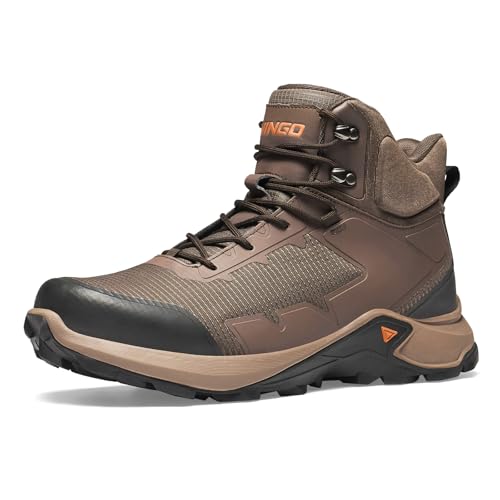
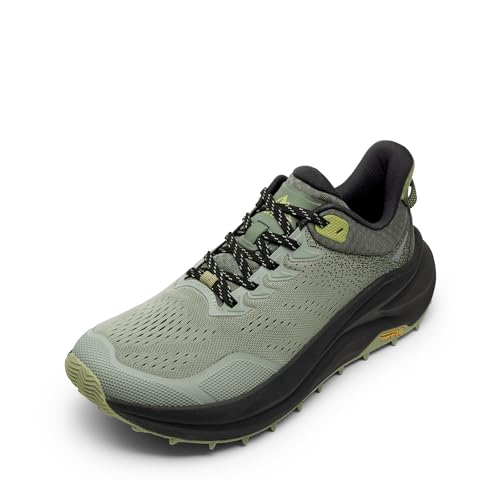
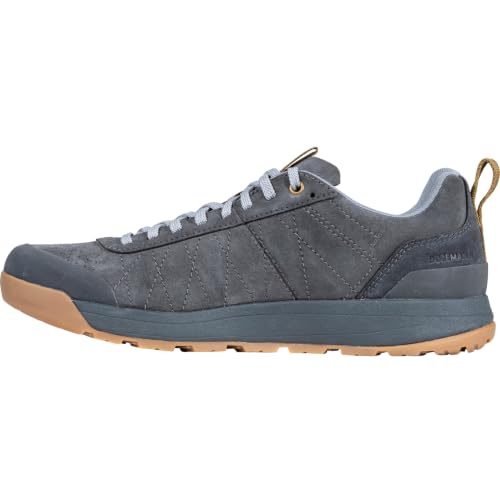
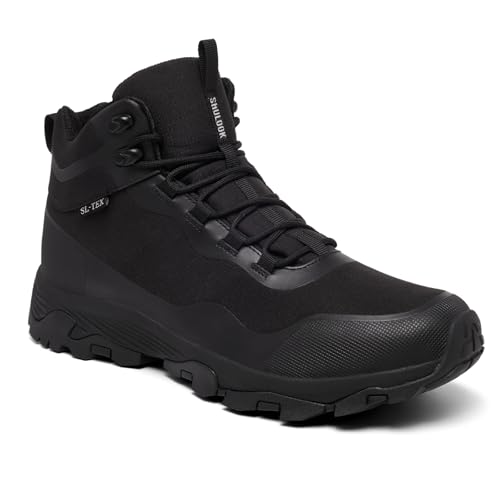


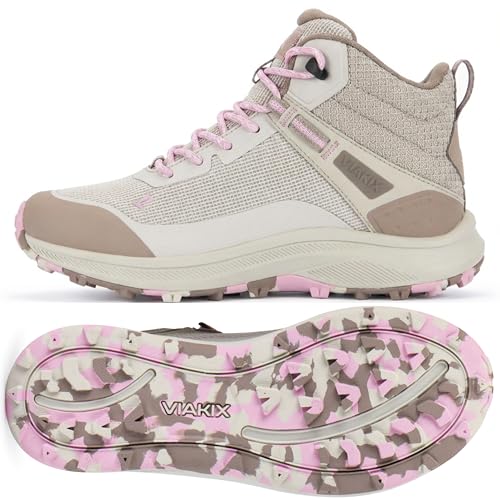
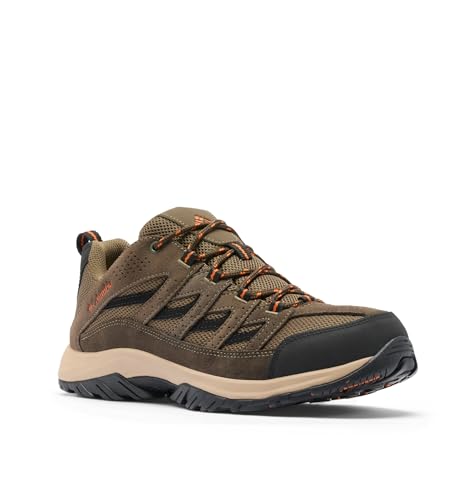
Choosing by Price Tier: What Each Level Should Deliver
Balanced All Rounders
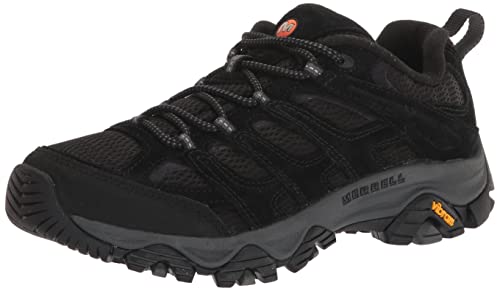
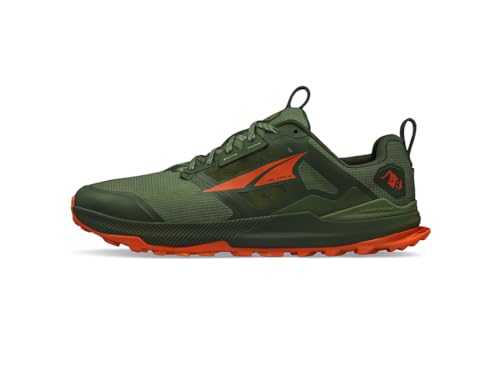
The middle tier is where most walkers should shop, roughly about $90 to $140. At this level you should expect a grippy rubber outsole with shaped lugs, a cushioned but stable midsole, a breathable upper with some reinforcement, and a fit range that includes wide sizes. This tier covers trails, travel, and daily walks without paying for extreme features.
Judge this tier by traction and fit, not by looks. A good all rounder grips wet pavement, stays comfortable at mile six, and shows even outsole wear after a season. If a shoe at this price skimps on lug depth or uses a slick outsole compound, it is not a bargain at any discount.
Value Tier
Value models, roughly under $90, can serve light trails and daily walking well if you choose carefully. Expect simpler cushioning, a thinner upper, and faster outsole wear. What you should not accept, even here, is a narrow toe box that cramps your feet or a flat outsole with no real lugs, because both problems appear on the first real walk.
This tier suits walkers building a habit, families who replace shoes often, and anyone who walks mostly dry, gentle routes. Rotate a value pair with another shoe and you will extend its life noticeably, since the foam recovers between wears.
Upgrade Tier
Upgrade models, roughly about $140 to $200, buy durability and refinement rather than a different category of comfort. Expect premium outsole rubber that grips wet rock better, a waterproof membrane option, stronger uppers that hold their shape, and replaceable insoles over better stock cushioning. Long distance walkers and travelers who pack one pair feel this difference most.
Pay for this tier if you walk daily, carry a pack, or have feet that punish weak shoes. Skip it if your routes are short and dry, because the extra grip compounds and membranes will not earn their cost on gentle pavement alone.
How to Choose the Best All Terrain Walking Shoes
This is the heart of the decision. Work through each feature below against your own routes and feet, and the shortlist of the best all terrain walking shoes for you will narrow quickly. Walkers new to trail footwear can also start with our general guide to the best walking shoes for baseline comfort terms.
Fit, Sizing, and Toe Box
Measure and try shoes in the afternoon, when your feet are at their largest, and wear the socks you walk in. You want about a thumb width of space in front of your longest toe and a heel that stays put without tight lacing. Feet swell on long walks and lengthen slightly on downhills, so a snug morning fit becomes a painful fit by mile five.
A wide toe box lets your toes spread for balance on uneven ground. If you often get black toenails or forefoot soreness, size up half a size or choose a wide option. Between sizes, pick the larger one for walking, since you can adjust volume with lacing and insoles more easily than you can add length.
Break In Period and Comfort Out of the Box
Modern walking shoes need only a short break in, usually a few walks of increasing length over a week. Stiff boots and leather models take longer. Never debut a new pair on your longest walk: wear them around the house, then on a short route, and check for hot spots that warn of blisters.
Comfort out of the box should still be real. A shoe that hurts in the store rarely fixes itself, because fit problems are structural, not just stiffness. Pressure on top of the foot, heel rubbing, or toe contact when you press downhill on a store ramp are all reasons to try another size or model.
Outsole Traction and Terrain
Traction comes from lug depth, lug shape, and rubber softness. Lugs about 3 to 5 mm deep bite into dirt and gravel, while shallower, broader lugs suit mixed pavement and path use. Soft, sticky rubber grips wet rock and roots better but wears faster on concrete, so match the compound to where most of your miles happen.
Look for lugs that point in several directions, since you push off, brake downhill, and step sideways on slopes. Wide spacing sheds mud instead of packing smooth. Premium outsoles from specialist rubber makers earn their reputation here, but tread design matters as much as the rubber name on the sidewall.
Waterproofing: Gore Tex and Membranes
A waterproof membrane such as Gore Tex keeps rain and puddle water out and is worth it for wet climates, dewy morning grass, and winter slush. The trade off is breathability: waterproof shoes run warmer and dry slowly once water comes over the top, which happens easily in a deep puddle because most walking shoes are low cut.
For dry climates and summer walking, a breathable non waterproof upper is usually the smarter choice, since it dries fast after stream crossings and keeps feet cooler. Decide by your wettest regular route, not your wettest imaginable one, and remember that waterproofing only helps while the membrane stays intact and the shoe stays below ankle depth.
Weight and Flexibility
Lighter shoes reduce leg fatigue over distance, and every extra ounce on your feet costs more energy than the same weight on your back. Most good all terrain walkers land in a moderate range that balances protection with pace. Very light shoes flex easily and feel quick but transmit sharp rocks to your soles.
Stiffer shoes protect on rocky ground and support tired feet late in a long walk. Test flexibility by bending the shoe: it should flex at the ball of the foot, not fold in the middle. That bend point tells you the shoe will roll naturally with your stride instead of fighting it.
Arch Support and Foot Type
Match support to your arch and gait. Flat feet that roll inward, called overpronation, do better with a firmer heel counter, gentle stability features, and an insole with real arch shape. High arches need more cushioning, because the foot absorbs shock poorly on its own. Neutral feet have the widest choice and can focus on fit and traction first.
If you use custom orthotics, bring them when you shop and confirm the shoe volume fits them without lifting your heel out of the cup. Persistent foot, knee, or heel pain is a medical question, not a shopping one, so see a doctor or podiatrist if pain keeps returning despite well fitting shoes.
Types of Terrain Walking Shoes
Stability and Support Shoes
Stability shoes use firmer foam and shaped support to guide feet that roll inward. They suit flat feet, heavier walkers, and anyone whose old shoes wear unevenly on the inner heel. The downside is a slightly firmer ride. Walkers comparing daily options can see how these overlap with our guide to the best shoes for walking all day, since support matters most over long hours.
Waterproof Boots
Waterproof boots add ankle coverage, stiffer soles, and better protection for rough, muddy, or cold routes. They shine in winter and on rocky trails where a low shoe feels exposed. They are heavier and warmer, so they suit slow, rough walking better than fast summer miles. Choose them when terrain, not distance, is your main challenge.
Lightweight Shoes
Lightweight shoes prioritize breathable uppers, flexible soles, and low weight for travel and fast daily walking. They pack small, dry quickly, and feel easy all day on moderate ground. Their thinner soles and softer uppers wear sooner on sharp rock. Choose them for mixed travel days that blend city streets with easy trails.
Sandals and Recovery Footwear
Trail sandals and recovery footwear are companions, not replacements, for closed shoes. Open sandals suit water crossings and camp wear, while cushioned recovery shoes soothe feet after long walks. Neither protects toes or grips like a real walking shoe on rough ground. Pack them as a second pair, especially on trips where evenings involve more walking.
Tips to Get the Most From Your Terrain Walking Shoe
- Replace walking shoes every 300 to 500 miles. Worn midsoles keep their looks while losing cushion, so track miles rather than appearance.
- Air dry wet shoes away from direct heat. Stuff them loosely with newspaper and let them dry at room temperature to protect glues and foam.
- Rotate two pairs for daily wear. Alternating lets foam recover and can extend the useful life of both pairs.
- Lace properly to prevent heel slip. Use the extra top eyelet for a heel lock loop on hilly routes, and loosen the forefoot lacing if your toes feel pinched.
- Match socks to the shoe. A cushioned walking sock reduces friction, manages sweat, and changes fit enough to matter on long days.
Sizing advice differs a little by fit preference, so women and men comparing lasts can cross check our guides to the best walking shoes for women and the best walking shoes for men, and trail focused readers can see the broader category in our guide to the best all terrain shoes.
Frequently Asked Questions
How often should I replace my terrain walking shoes?
Replace them every 300 to 500 miles, or sooner if the outsole lugs wear smooth, the midsole feels flat, or new aches appear after normal walks. Trail use on rock wears lugs faster than pavement use wears foam, so inspect both. Keeping one pair only for walking, rather than all daily wear, helps the mileage estimate stay honest.
Do I need waterproof shoes?
You need waterproof shoes only if wet ground is a regular part of your walking, such as rainy climates, wet grass, or winter slush. Occasional rain can be handled with quick drying shoes and wool blend socks, which stay tolerable when damp. Remember that a low waterproof shoe still floods over the top in deep water, so height matters as much as the membrane.
Are expensive terrain walking shoes worth it?
They are worth it if you walk often, because the upgrade buys grippier rubber, tougher uppers, and cushioning that lasts more miles, which lowers cost per mile. They are not worth it for occasional gentle walks, where a sound value pair performs the same. Judged per mile rather than per purchase, frequent walkers often spend less in the upgrade tier.
How long is the break in period?
Most modern walking shoes need about a week of gradually longer walks, while stiff boots can take two to three weeks. Any sharp pain, numbness, or heel blistering during that time signals a fit problem rather than a break in stage. A useful test is a one hour walk: if hot spots appear, adjust lacing or socks once, then exchange sizes if they return.
Can I wear them all day?
Yes, a well fitting all terrain pair can be worn all day, and many people use one pair for travel days that mix transit, streets, and trails. All day comfort depends on insole support and toe room more than on trail features. If your feet swell a lot by evening, choose the size that fits your afternoon feet and use thinner socks in the morning.
How should terrain walking shoes fit?
They should fit snug at the heel and midfoot, with about a thumb width in front of your longest toe and no pressure across the top of the foot. Your toes should spread naturally when you stand on a slope or press down as if descending. Fit both feet and size to the larger one, because most people have one foot slightly bigger.
The Bottom Line
Put fit first, traction second, and waterproofing third, and decide that third point from your real climate rather than hope. Those priorities protect your feet on the walks you actually take. The right pair among the best all terrain walking shoes is the one you forget you are wearing at mile six. Compare your finalists in the product table above before you order.