
Best All Terrain Mountain Bike Tire for Every Need: How to Pick the Right One for 2026
Disclosure: We may earn a commission when you buy through links on this page, at no extra cost to you. As an Amazon Associate I earn from qualifying purchases. Learn more

Learn how to choose the best all terrain mountain bike tire by tread, width, casing and tubeless setup, with clear guidance for mud, rock, sand and hardpack.
Tires are the only part of your bike that touches the ground, so they decide grip, comfort, and puncture risk on every surface. A tread that hooks up on loose gravel can feel vague on wet rock, while a fast rolling tread can wash out in mud. This guide helps you choose a best all terrain mountain bike tire by matching tread, width, and casing to the ground you ride most.
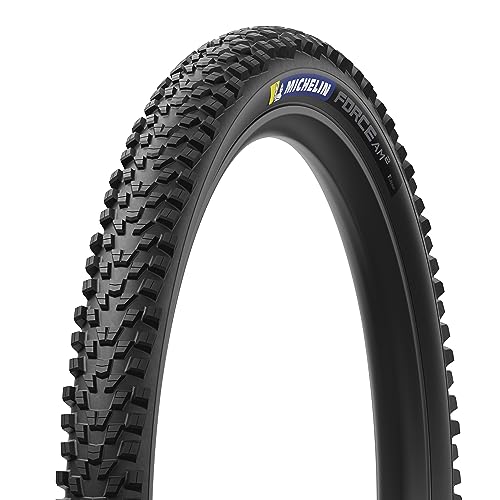
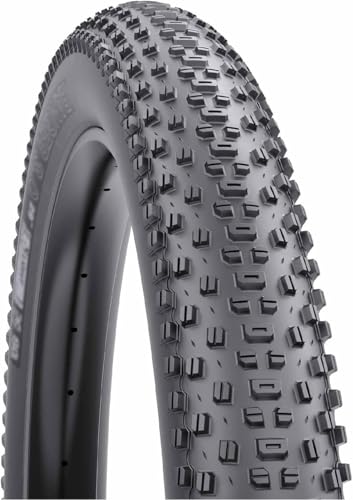
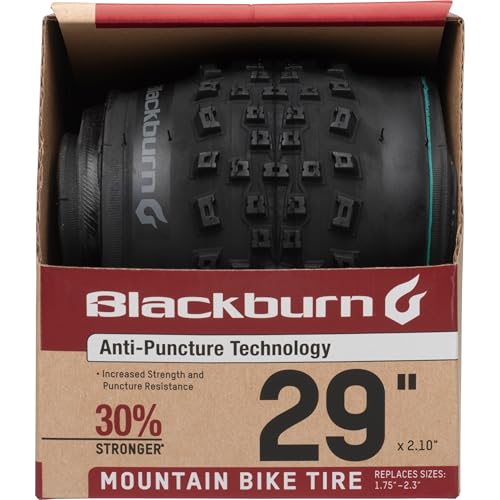
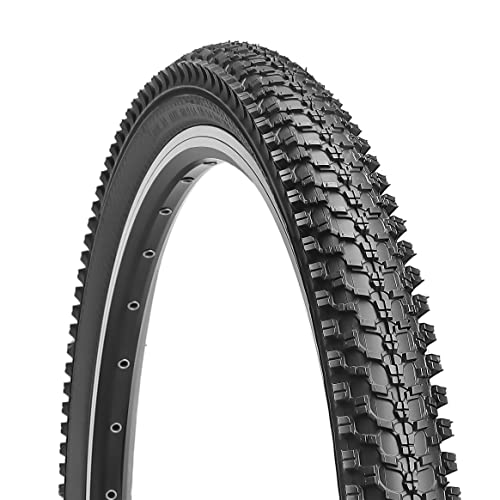
Use the comparison table below to compare widths, tread patterns, and tubeless readiness side by side. Then use the sections that follow to set front and rear priorities, choose a casing that survives your sharpest trails, and set pressure with confidence.





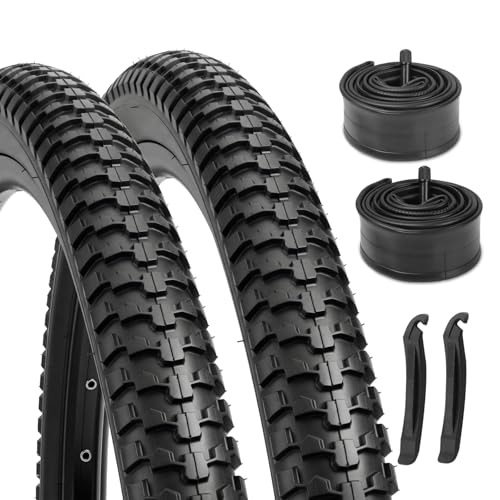
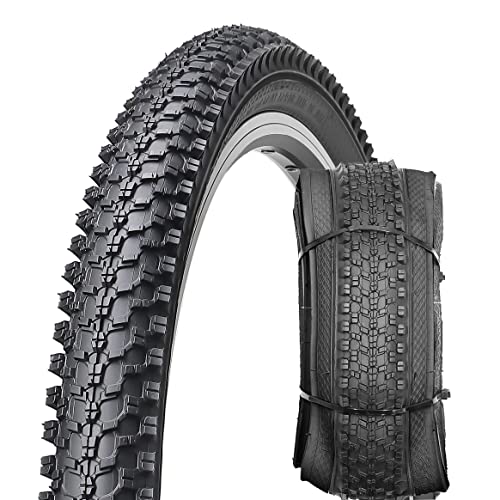
Who Needs the Best All Terrain Mountain Bike Tire?
For Small Spaces and Easy Storage
If you store your bike in a flat or carry it in a car, folding bead tires are easier to live with than stiff wire bead tires. A folding spare takes little room in a closet or trunk, and lighter casings make the bike easier to lift onto racks and hooks. Keep a spare tube and a small bottle of sealant with the spare tire so a cut tire never ends a trip.
Storage also affects sealant. Tubeless sealant dries over time, so a bike stored for months may need fresh sealant before the first ride. Spin each wheel and listen for liquid moving inside; silence usually means the sealant has dried.
For Bad Weather and Tough Conditions
If you ride in rain, mud, and loose winter ground, you need tall knobs with wide spacing that dig in and then shed mud cleanly. A softer rubber compound grips wet rock and roots better than a hard compound, though it wears faster. Stronger casings matter here too, because wet trails hide sharp edges that cut sidewalls.
Drop pressure a little on wet days to enlarge the contact patch, but stay above the point where the rim strikes the ground on square hits. A tire insert can protect the rim if you regularly ride low pressure on rough wet ground.
For Frequent or Serious Users
If you ride several times a week on mixed ground, durability and predictable cornering matter more than the lowest weight. Choose a reinforced casing at least on the rear tire, where most cuts and impacts happen, and a tread with supported side knobs that do not fold in hard corners. Dual compound rubber, soft on the edges and firmer in the center, balances grip with wear life.
Frequent riders should track wear with a simple rule: when center knobs round off and braking starts to slide on loose ground, move the front tire to the rear and fit a fresh tire up front. Steering grip is the safety priority.
Key Features to Compare
Bike Type and Riding Style
Your bike type sets the tire range that makes sense. Cross country bikes suit narrower tires around 2.2 to 2.4 inches with low center knobs for speed, while trail and enduro bikes suit 2.4 to 2.6 inch tires with taller knobs for braking and cornering on rough ground. Fat tire bikes use far wider rubber for sand and snow, which is a different category entirely.
Riding style refines the choice further. If your routes link gravel roads with singletrack, a tire with a firm, closely spaced center tread rolls fast on hard surfaces and still bites when you lean it over. If your routes are mostly natural trails with roots and loose climbs, prioritize knob height and casing strength over rolling speed.
Tread Pattern and Rubber Compound
Tread pattern is the core decision for a tire. Center knobs control braking and climbing traction, transition knobs support the lean into a corner, and side knobs hold the line at full lean. Tall, widely spaced knobs suit mud and loose ground, while low, tight knobs suit hardpack and rock.
Compound decides how the rubber grips. Soft compounds conform to wet rock and roots and inspire confidence, but they wear faster and roll slower. Harder compounds last longer on abrasive ground. Many riders pair a softer front tire for steering grip with a harder, faster rear tire for wear and speed, since the rear tire carries drive and braking loads.
Tubeless Setup, Casing and Puncture Protection
A tubeless ready tire and rim let you drop the inner tube, add liquid sealant, and run lower pressure for better grip without pinch flats. Sealant closes small thorn and wire holes as you ride, which is a major advantage on trails with sharp brush. You still need a plug kit and a spare tube for sidewall cuts that sealant cannot close.
Casing strength is described by thread count and by added protection layers under the tread or bead to bead. Light casings feel supple and fast but cut more easily on rock. Reinforced casings weigh more and feel calmer at speed because the tire deforms less. On rocky ground, casing choice matters as much as tread, as our guide to the best mountain bike tires for rocky terrain explains in detail.
Size, Width and Rim Fit
Tire size must match your wheel diameter, most often 29 or 27.5 inches, and the width must suit your rim inner width. A tire that is too wide for a narrow rim folds in corners, while a tire that is too narrow on a wide rim takes a squared shape that handles poorly. Maker charts pair rim widths with tire widths, so check yours before you buy.
Also confirm frame and fork clearance at full width, with room left for mud. A 2.6 inch tire that clears the frame by a few millimeters on a dry day can rub once mud builds up. If you ride one bike on every surface, a width near 2.4 to 2.5 inches is the most forgiving middle ground for clearance, grip, and speed.
The product table above is the fastest way to compare these sizes and casings together. For a wider view of widths by discipline, see our guide to the best mountain bike tires, and for race focused rubber see our guide to the best xc mountain bike tires.
Common Mistakes to Avoid When Buying Terrain Mountain Bike Tires
- Matching front and rear by habit. The front tire needs cornering grip above all, while the rear needs braking, drive traction, and cut resistance.
- Ignoring casing strength. A light casing on sharp rock will cost more in ruined tires than a reinforced casing costs upfront.
- Running pressure by feel alone. A few psi changes grip and protection a lot, so use a gauge and record what works.
- Buying width without checking clearance. Mud plus a tight frame gap means rubbing, noise, and worn paint or worse.
- Keeping worn tires too long. Rounded side knobs slide without warning in corners, which is how many avoidable crashes happen.
Trail riders face a slightly different balance, with more emphasis on cornering support at speed. Our guide to the best trail mountain bike tires is a good cross check if most of your miles are singletrack rather than mixed surfaces.
How to Make Your Terrain Mountain Bike Tire Last Longer
Check tire pressure before every ride with a gauge, because tubeless setups lose air slowly and low pressure is the main cause of rim damage and burping in corners. Top up sealant every two to three months in warm conditions, and shake the bottle well before you add it so the particles that plug holes are evenly mixed.
Wash grit off the tread after muddy rides and inspect the sidewalls for cuts while the tire is clean. Small cuts found early can be monitored or patched from inside, while cuts found on the trail often end the ride. Store the bike away from direct sun and heat sources, since ultraviolet light and heat age rubber and shorten tread life even when mileage is low.
Terrain Mountain Bike Tires: Your Questions Answered
What tread suits mixed terrain best?
A mid height, closely spaced center tread with supported side knobs rolls fast on hardpack and still hooks up on loose corners. Taller knobs suit mud and loose ground, while low tight knobs suit rock and hard surfaces. For the best all terrain mountain bike tire on a first setup, pick a forgiving all round tread with clear cornering support over a fast race tread that demands precise technique.
What tire size do I need?
Match the wheel diameter printed on your current tire, most often 29 or 27.5 inches, and choose a width your rim and frame support. Confirm rim inner width and measure frame and fork clearance before moving up a width. A tire that rubs or folds in corners is worse than a narrower tire that fits correctly and holds air well.
Should the front and rear tire match?
Not always. The front tire needs cornering grip above all, so many riders run a softer, grippier compound or taller knobs there. The rear carries drive and braking loads, so a firmer, faster rolling and more cut resistant tire often lasts longer.
How much should I spend on a mountain bike tire?
Expect about $50 to $90 per tire for a quality tubeless ready model with a reinforced casing option. Cheaper tires often use wire beads, hard compounds and thin casings that grip poorly in the wet and cut easily. Tires decide safety on every descent, so they are a poor place to save money on a build or upgrade.
Do I need tubeless tires?
Tubeless is not required, but it lets you run lower pressure for more grip without pinch flats, and sealant closes small thorn holes as you ride. It needs tubeless ready tires and rims, fresh sealant every few months and a plug kit for sidewall cuts. Riders on mild trails can stay with tubes and a spare in the pack.
Final Thoughts
Choose tread for your loosest common surface, casing for your sharpest common trail, and width for your rim and frame clearance. That order keeps grip predictable when weather and ground change mid ride, which is the whole point of an all terrain setup. Review the comparison table above with those three checks in mind, and pair your choice with the frame guidance in our guide to the best mountain bike for all terrain.
Set pressure carefully, keep sealant fresh, and replace tires before the side knobs round off. Done well, the right best all terrain mountain bike tire makes one bike feel calm on gravel, sure on wet roots, and steady on rock, ride after ride.


