Best 26in Mountain Bike Tires: Budget, Midrange, and Premium Picks for 2026
Disclosure: We may earn a commission when you buy through links on this page, at no extra cost to you. As an Amazon Associate I earn from qualifying purchases. Learn more

The best 26in mountain bike tires at every price point, and where spending more actually improves grip, durability, and ride feel.
Prices for 26 inch tires stretch from under $30 for a basic pair to well over $100, and the listings rarely explain what the extra money actually buys you. This guide walks through the best 26in mountain bike tires by budget so you can see where spending more improves grip, durability, and ride feel, and where it does not.
You will learn how tread, casing, and rubber compound change at each price level, plus how to match a tire to your trails. Use the product table to check widths and prices side by side once you know which tier fits your riding.






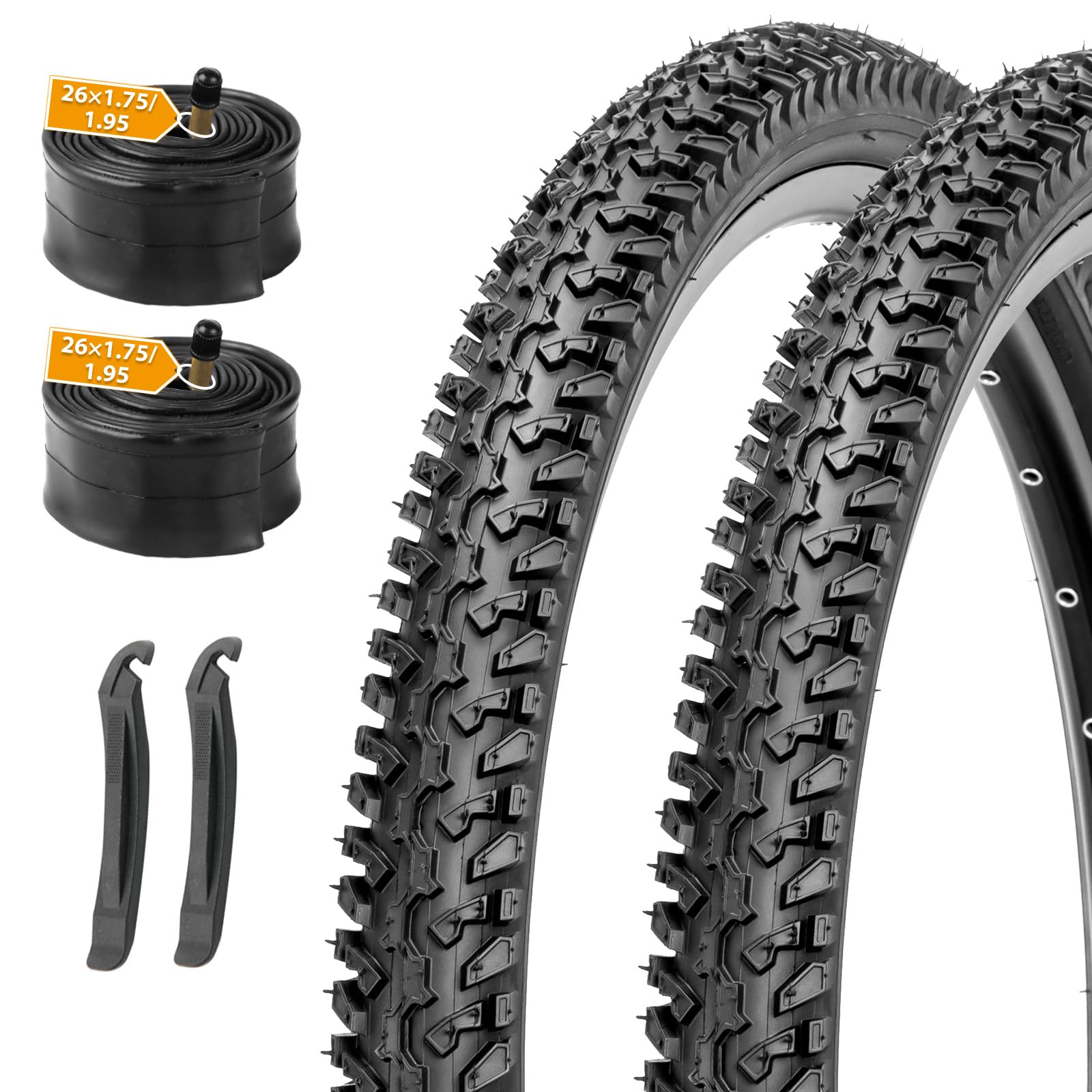

How to Choose by Budget
Budget is a useful starting point because tire construction follows price in fairly predictable steps. The sections below describe what to prioritize in each tier, so you can judge any listing in the product table against the same checklist.
Budget Tier Priorities
At around $25 to $45 per tire or pair, focus on getting the correct size and a tread pattern that suits your usual trails. Expect a wire bead, a single rubber compound, and a basic casing that handles everyday trail use well. Weight will be higher and the ride feel firmer, but a well chosen budget tire still corners and climbs reliably for casual riding.
Check that the bead seats easily on your rims and that the sidewalls have no thin spots or uneven molding. A budget tire with sound construction beats a discounted premium design with visible defects every time.
Midrange Tier Priorities
At around $45 to $75, you gain a folding bead, lighter casing, and rubber that grips better on wet roots and rocks. This is where puncture protection layers under the tread become common, cutting flats on rocky or thorny trails. Most riders feel the biggest jump in confidence moving from budget to this tier.
Look for a tubeless ready bead if your rims support it, because sealing small punctures as you ride saves walks home. Dual compound tread, with firmer rubber in the center and softer rubber on the side knobs, is another worthwhile midrange feature.
Premium Tier Priorities
At the top of the range, the gains become more specific: lighter casings that conform to the ground, advanced compounds that grip without wearing quickly, and stronger sidewalls for low pressure riding. Racers and riders on demanding terrain benefit most from these refinements. Casual riders may not notice enough difference to justify the cost.
Premium tires also tend to offer more size and casing options for the same tread design. That choice lets you run a lighter casing up front and a reinforced casing in back, matching protection to where damage usually happens.
What Your Money Gets You at Each Price Tier
Budget Tier: What to Expect
Budget 26 inch tires use durable but heavier rubber and simple tread layouts copied from proven designs. They roll a little slower and feel less supple over roots, yet they wear slowly and suit riders who value longevity over speed. For a spare bike, a kids bike moving up to full size wheels, or gentle local trails, this tier makes solid financial sense.
The main trade off is flat protection and wet weather grip. Plan to carry a tube and a pump, and ride loose corners with a bit more care in the rain.
Midrange Tier: The Sweet Spot for Most Buyers
Midrange tires balance weight, grip, and protection in a way that suits the majority of trail riders. You typically get a folding bead that saves rotating weight, a casing around 60 threads per inch that feels noticeably smoother, and tread patterns designed for mixed conditions. For regular weekend riding, this tier delivers the most performance per dollar.
Many midrange tires also convert to tubeless use with sealant, which lowers rolling resistance slightly and reduces pinch flats. If your current tires are older budget models, upgrading to this tier transforms how the bike feels.
Premium Tier: When Spending More Pays Off
Premium spending pays off when you ride technical terrain often, race, or run low pressures for traction. Lighter casings accelerate faster and conform to rocks, while top compounds maintain grip as temperatures drop. Stronger sidewall inserts also protect expensive rims from impacts on sharp edges.
If your trails are smooth and your pace is relaxed, premium tires wear out at the same rate as midrange ones without giving you a clear benefit. Spend the difference on sealant, a good pump, and brake pads instead.
Features Worth Paying For (and Ones to Skip)
Tread Pattern and Rubber Compound
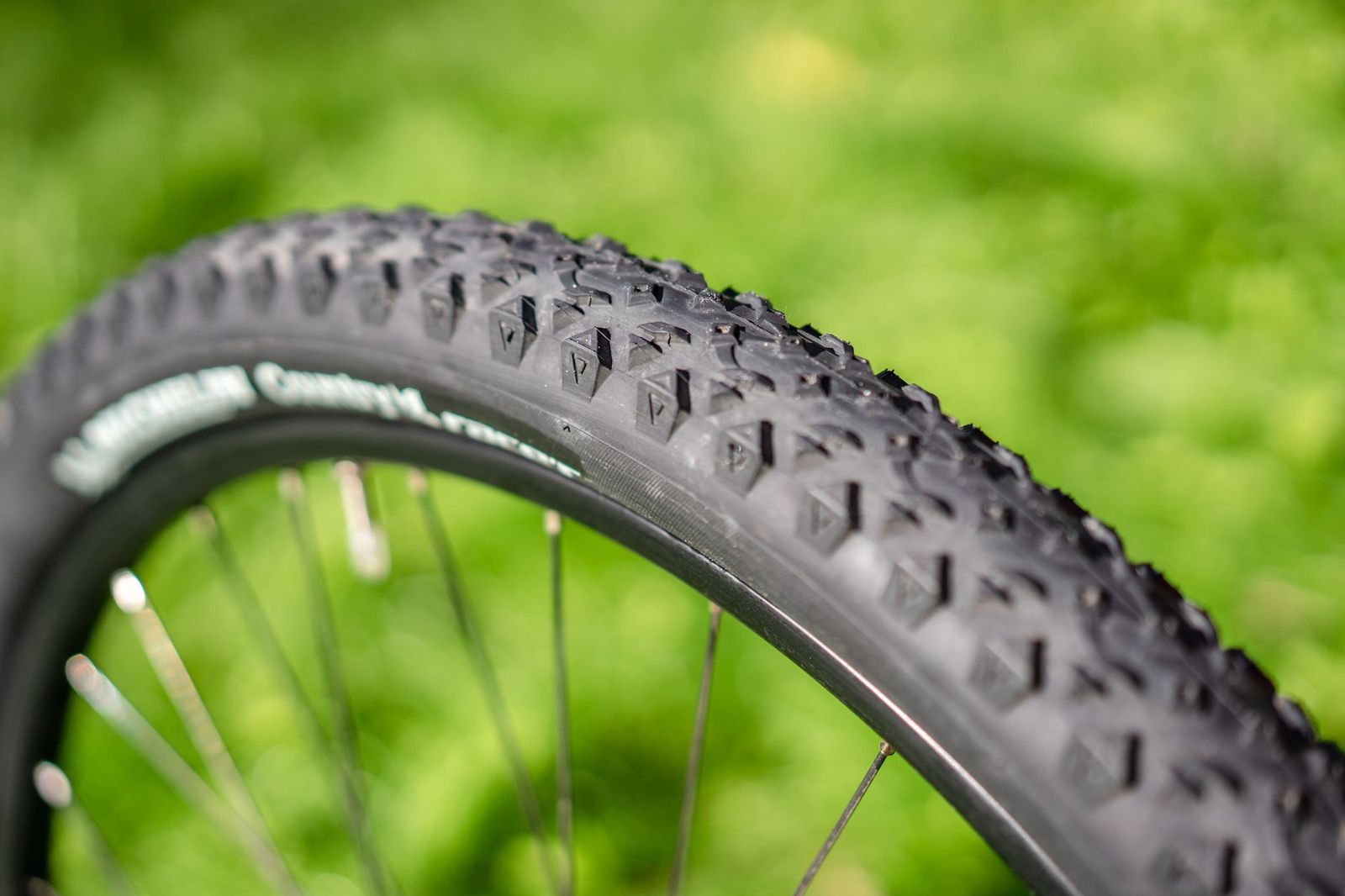
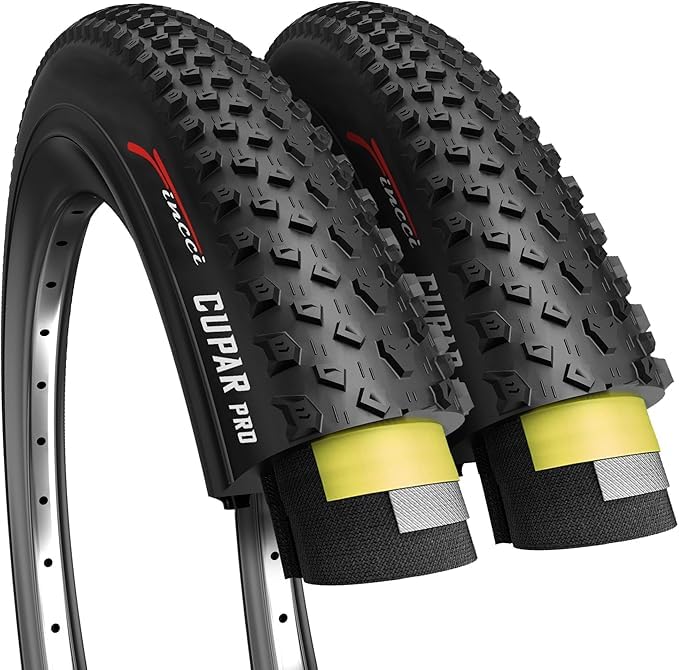
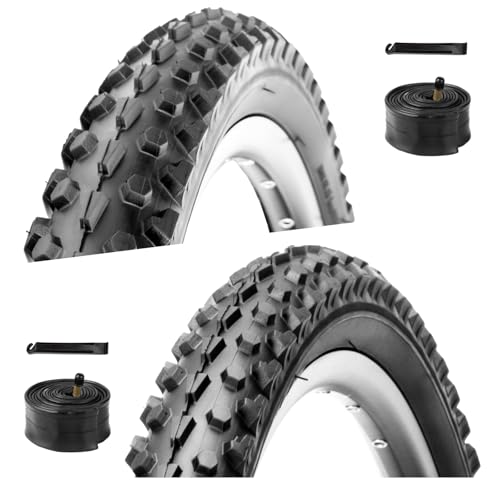
Tread choice matters more than price. Tall, widely spaced knobs clear mud and bite into loose soil, while lower, tightly packed knobs roll faster on hardpack and pavement. Softer side knobs improve cornering grip but wear faster, so match compound to how many miles you ride each month.
A practical approach is a more aggressive tread up front for steering grip and a faster rolling tread in back for efficiency. This mixed setup suits most trail bikes and costs no more than a matched pair.
Casing and Puncture Protection
Casing thread count shapes ride feel: higher counts feel supple and fast, lower counts feel tougher and more damped. A protection layer under the tread helps everywhere, while full sidewall reinforcement suits rocky terrain and heavier riders. If you rarely flat, skip the heaviest casing options and enjoy the livelier feel.
To keep sealant working, our guide to the best mountain bike tire sealant explains refresh intervals and amounts per tire. Fresh sealant matters as much as casing choice for avoiding trailside repairs.
Tubeless Setup and Bead Type
Tubeless ready tires have a precise bead that seals against the rim without a tube, letting you run lower pressure for grip. Folding beads save weight and pack small as a spare, while wire beads cost less and seat very securely. Either bead works well when the tire and rim standards match.
Correct air pressure changes grip more than most upgrades, so read our guide to the best pressure for mountain bike tires before your next ride. Small pressure changes of two or three psi are easy to feel on the trail.
Width and Rim Fit
Most 26 inch trail tires range from about 2.1 to 2.4 inches wide. Wider tires float over loose surfaces and allow lower pressure, but they need rim width and frame clearance to keep their shape. A tire that is too wide for a narrow rim will feel vague in corners no matter what it cost.
Measure your rim inner width and check frame clearance at the chainstays and fork before ordering. Leave several millimeters of space for mud and for slight wheel flex under load.
Best 26in Mountain Bike Tires for Specific Needs
Front Tires
For the front wheel, steering grip comes first because it washes out before the rear in a slide. Choose taller side knobs, a softer compound, and a tread with a clear channel between center and shoulder knobs. A slightly wider front tire than rear also helps the bike track through loose corners with confidence.
Gravel and Road Use: Where Your Money Goes
For gravel and road use, look for a smooth or lightly textured center strip that rolls quietly on pavement, with modest side knobs for unpaved turns. Spending more here buys lighter weight and better flat protection rather than extra tread. A midrange option usually covers commuting and gravel exploring perfectly well.
If you also ride full trail days, consider how these choices compare with the broader advice in our guide to the best mountain bike tires across all wheel sizes. Riders focused on speed over distance may prefer the patterns covered in our guide to the best xc mountain bike tires, while riders on rougher descents should look at the guidance in our article on the best trail mountain bike tires.
Long Term Costs to Factor In
A pair of tires is not a one time cost. Budget for sealant refills every few months if you run tubeless, replacement valves and rim tape over time, and a new rear tire sooner than the front because drive forces wear it faster. Rotating a lightly worn front tire to the rear is not recommended, since front grip matters most for safety.
Expect roughly 1,000 to 3,000 miles from a rear tire depending on compound and terrain, with softer compounds at the low end. Storing the bike away from sunlight and ozone sources such as furnaces slows rubber aging and stretches your money further.
FAQs
Will 26 inch mountain bike tires fit my bike?
Yes, if your bike has 26 inch wheels and enough frame clearance for the tire width you want. Check the size printed on your current sidewall, which reads like 26 by 2.1, and match the first number exactly. Then confirm the new width clears your fork and chainstays with room for mud.
Do I need professional installation for 26 inch mountain bike tires?
No, most riders can install these tires at home with tire levers, a pump, and soapy water for stubborn beads. Tubeless setups may need a compressor or a high volume pump to seat the bead the first time. A shop visit is worthwhile if the bead will not seat or the rim tape looks damaged.
What specs matter most for 26 inch mountain bike tires?
Width, tread pattern, and casing matter most, in that order for most riders. Width must fit your rims and frame, tread must match your soil and weather, and casing decides flat protection and ride feel. Compound and weight refine the result, but they cannot fix a tire chosen in the wrong width or tread style.
How long do 26 inch mountain bike tires last?
Most last about 1,000 to 3,000 miles, with rear tires wearing faster than fronts. Replace a tire when the center knobs look rounded and low, the sidewalls show cuts or fabric, or sealant starts weeping through the casing. Riding mostly on pavement shortens knobby tire life noticeably, so a smoother spare set can save money.
The Bottom Line
Choose width and tread for your trails first, then buy the highest tier your budget allows without overspending. Midrange tires suit most riders, budget tires serve gentle trails well, and premium tires reward technical riding. When you are ready, compare the best 26in mountain bike tires in the product table and pick the tier that matches your terrain.