Best Alloy Full Suspension Mountain Bike: Buying Guide for 2026
Disclosure: We may earn a commission when you buy through links on this page, at no extra cost to you. As an Amazon Associate I earn from qualifying purchases. Learn more

Choose the best alloy full suspension mountain bike by travel, fit, and service needs, with advice for beginners and serious riders.
Full suspension transforms rough trails, but the right amount of travel, the right size, and the right parts depend entirely on how and where you ride. Too much travel feels slow and heavy on smooth climbs, while too little travel leaves you tense on rocky descents. This guide to the best alloy full suspension mountain bike matches setups to real rider routines.
Alloy frames keep full suspension within reach for many riders by costing less than carbon while taking trail abuse well. Use the comparison table below to see current options, then use the groups and features here to judge fit and value.

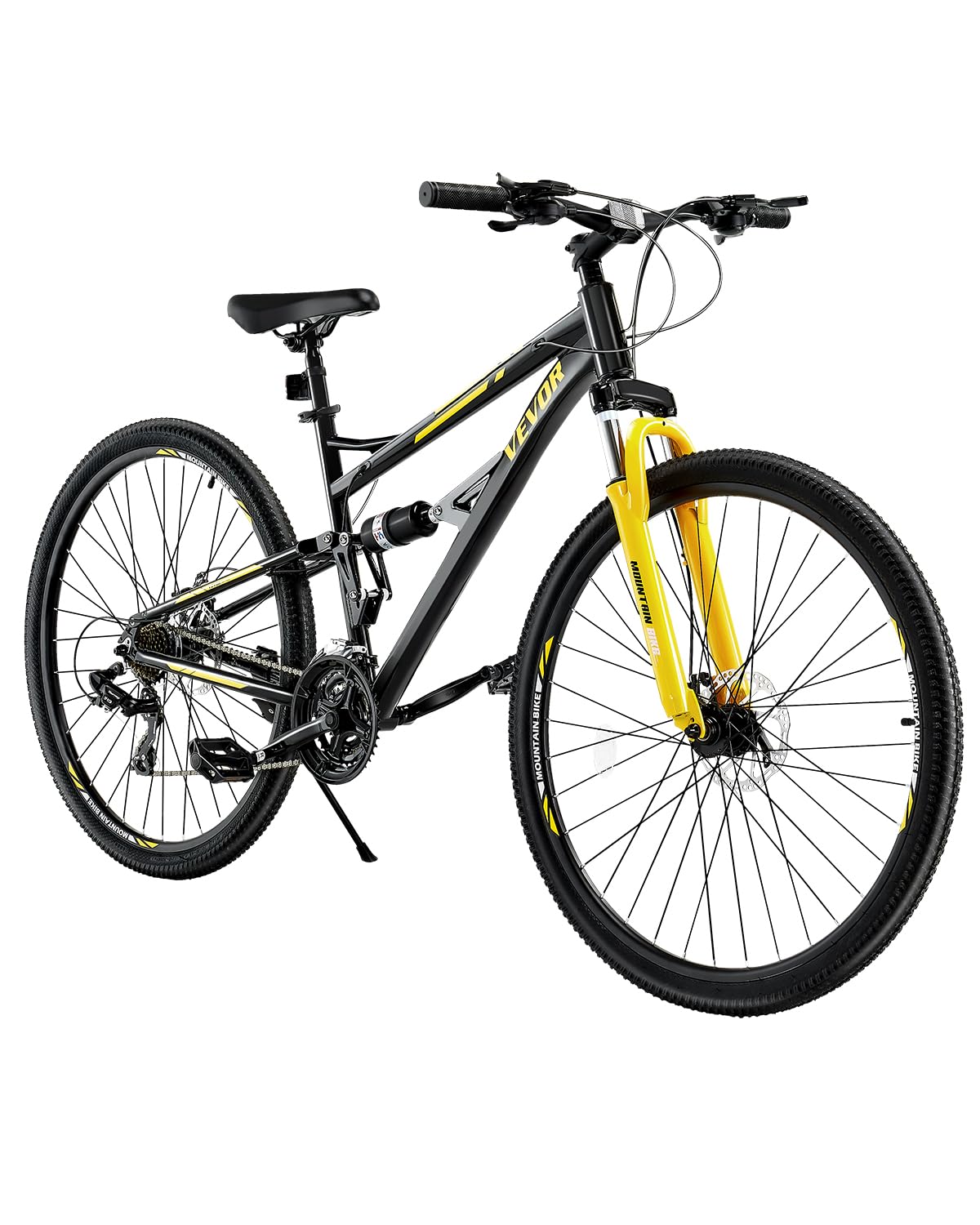

Who Should Buy Which Alloy Full Suspension Mountain Bikes?
Your weekly terrain should set travel and tire choice before anything else. The groups below show which features protect each type of rider from the most common buying regret in that group.
For Frequent or Serious Users
Riders who ride hard several times a week should prioritize linkage quality, bearing durability, and shock service support. Look for a frame with replaceable bearings, a shock from a major maker with local service, and thru axles at both wheels for consistent stiffness. Warranty coverage for the frame and linkage matters more than small weight savings at this level. You should also confirm that replacement hangers and bearing kits are easy to order, since downtime in peak season is the real cost of obscure parts.
For Bad Weather and Tough Conditions
Wet climate riders need brakes that stay strong in rain, tires that clear mud, and cables and hoses routed to shed water and grit. Alloy frames tolerate this use well and clean up easily, but linkage bearings and shock seals still suffer in grit, so rinse the bike gently after muddy rides and dry it before storage. Choose a drivetrain with a clutch to keep the chain steady on rough wet descents. Budget for more frequent pad, chain, and bearing checks than a dry climate rider needs.
For Small Spaces and Easy Storage
Full suspension bikes store less easily than hardtails because the linkage and shock add bulk and the frame does not split or fold. Measure your storage space and doorways before buying, and favor a wall rack that holds the bike by the front wheel to save floor room. Lighter alloy builds help when you carry the bike up stairs, but expect even a light full suspension bike to feel heavier than a hardtail. If storage is truly tight, weigh whether your trails need rear suspension at all.
For Weekend Beginners
New riders on rough trails can benefit from rear suspension, but the setup must stay simple and correctly set. Choose a trail bike with moderate travel, a single chainring drivetrain, and clear sag guidance from the maker. Spend first on fit, tires, and a shock pump so you can set the suspension for your weight. Our guide to the best beginner full suspension mountain bike choices covers starter friendly geometry, and our guide to the best inexpensive full suspension mountain bike options explains where budget models cut corners.
Key Features to Compare
Compare these features in order, because fit and travel shape every ride, while gearing and wheels can be adjusted or upgraded later. A well matched frame with modest parts beats a mismatched frame with costly parts.
Sizing and Fit
Use your height as a starting point, then check reach, stack, and standover on the actual frame. Full suspension bikes feel longer than hardtails, so a size that looks right on paper can feel stretched on the trail. You should reach the bars with a slight elbow bend and move fore and aft on the saddle without feeling trapped. If you fall between sizes, the smaller size usually feels easier to handle on tight trails, while the larger size feels calmer at speed.
Practical tip: set the sag before any test ride judgment, with help from the shop if needed. A shock set far too firm or too soft makes any frame feel wrong, and many riders reject a good bike because the demo setup was wrong for their weight. Correct sag reveals the real handling.
Wheel Size and Tires
Wheels of 29 inch diameter roll over obstacles smoothly and suit trail and enduro riding for most adults. Wheels of 27.5 inch diameter feel quicker to turn and can suit shorter riders or very tight trails. Some bikes mix sizes, with a larger front wheel for rollover and a smaller rear wheel for agility. Tire tread and casing matter as much as size, and a tubeless setup allows lower pressure for grip on wet roots and rocks without pinch flats.
Bike Type and Riding Style
Short travel bikes near 120 mm pedal efficiently and suit flowing trails with moderate rocks. Trail bikes near 130 to 150 mm balance climbing and descending for the widest range of riders. Enduro bikes with longer travel favor steep descents and need patience on climbs. If you are also considering motor assistance, our guide to the best full suspension e mountain bike models and our guide to the best electric full suspension mountain bike models explain how weight and power change the choice.
Drivetrain and Gearing
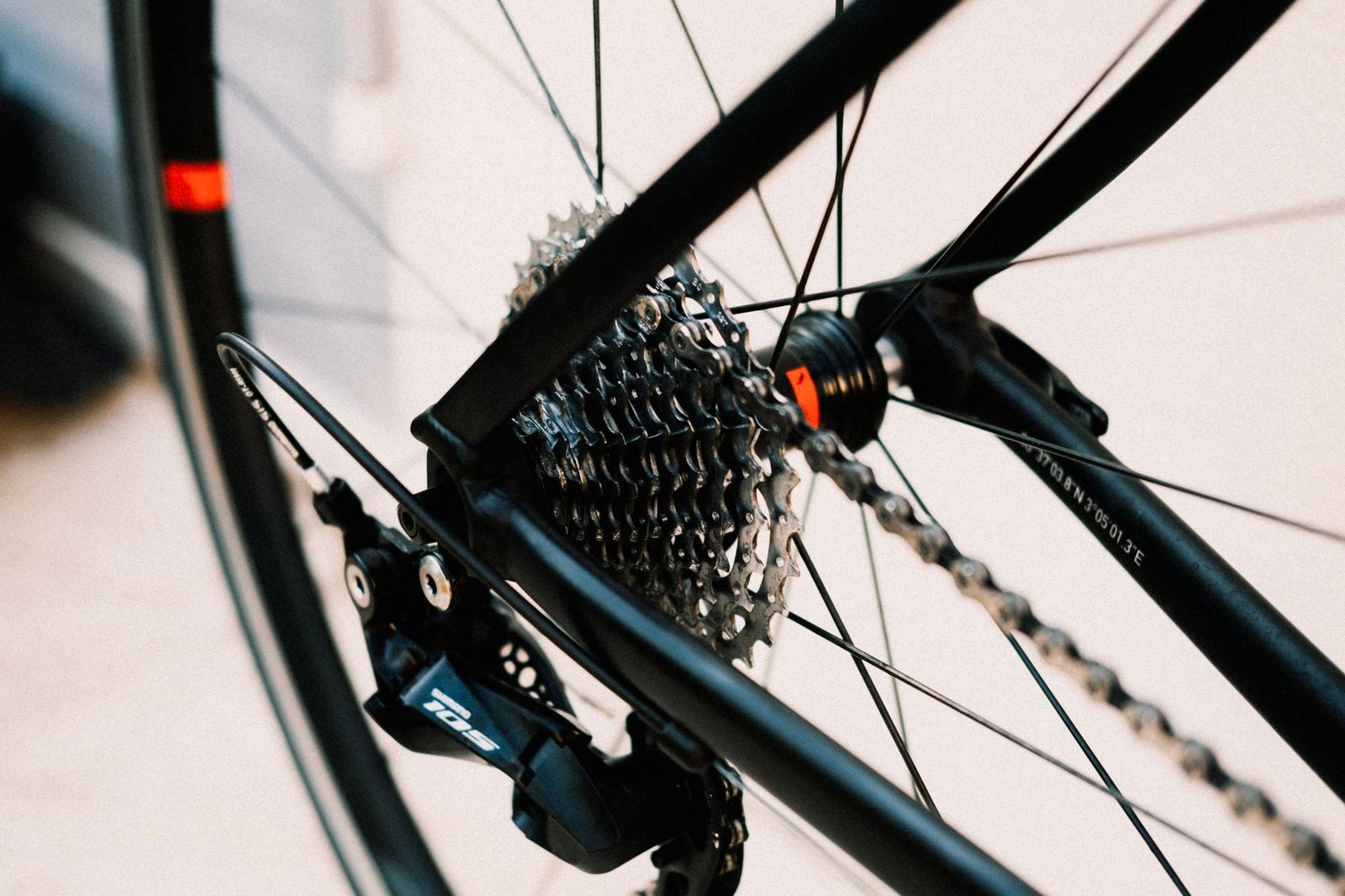
Most current trail bikes use a single front chainring with a wide range cassette, which simplifies shifting and reduces chain drops on rough ground. Look for low gears easy enough for your steepest regular climb with a loaded pack, since rear suspension bikes often weigh more than hardtails. Shifting quality under power, clutch strength, and chain guide fit all matter on descents. Higher groupsets shift a little faster and weigh a little less, but range and reliability should come before those refinements.
Common Mistakes to Avoid When Buying Alloy Full Suspension Mountain Bikes
- Choosing by travel number alone and ignoring sizing and fit, which decide control on every descent.
- Buying far more travel than your trails need, then fighting the weight and slow climbing all season.
- Skipping a shock pump and sag setup, so the suspension never works as designed.
- Judging a bike by looks alone, when geometry and bearing quality matter far more on the trail.
- Ignoring service costs for shocks and bearings, which are part of owning rear suspension.
Style has its place once fit and function are settled, and riders who care about appearance can browse our guide to the best looking full suspension mountain bike designs for color and finish ideas. Just keep that step last, after travel, size, and service checks pass.
Care and Maintenance Tips
Check tire pressure before every ride, and check shock pressure every few weeks since air springs lose pressure slowly. Clean and lube the chain every 100 to 200 miles, and keep grit away from linkage pivots and shock seals when you wash the bike. Use a gentle rinse rather than a hard jet near bearings.
Have a professional tune up yearly, with shock and fork service at the intervals the maker states, often after about 100 hours of riding. Keep a simple log of service dates and bearing changes. Regular care keeps small play in pivots from becoming costly frame wear, and it keeps the suspension feeling smooth and quiet.
Alloy Full Suspension Mountain Bikes: Your Questions Answered
Is an alloy frame good enough for full suspension?
Yes for most riders. Aluminum frames handle trail abuse well, cost less than carbon, and are easy to repair or replace under warranty. The extra weight over carbon matters mostly to racers, while linkage quality and shock support matter more to everyday riders.
Hardtail or full suspension for beginners?
Full suspension suits beginners whose local trails are rocky, rooty, or steep enough that rear traction builds confidence. On smooth trails, a hardtail teaches the same skills for less money and with less upkeep. The deciding factor is terrain, not ambition, so walk or ride your main trails first if you can. If you mostly ride smooth paths, save the difference for tires, fit, and protective gear.
How often does the rear shock need service?
Follow the maker interval, often after about 100 hours of riding, and sooner in wet or dusty conditions. Check air pressure every few weeks and watch for oil leaks or a harsh, noisy feel, which signal that a service is due.
How much should I spend on my first alloy full suspension mountain bike?
Plan around $1,800 to $3,000 for a first full suspension alloy bike with reliable brakes, a clutch drivetrain, and serviceable suspension. Below that range, heavy parts and basic dampers often limit control on real descents. Above it, you gain lighter wheels, finer damping, and better bearings. Reserve money for a shock pump, a helmet, and the first suspension service so the total cost holds no surprises.
What size alloy full suspension mountain bike do I need?
Start with the maker size chart for your height, then verify reach and standover in person with the suspension set to your weight. Your elbows should keep a bend, your knees should clear the bars in turns, and you should be able to drop your heels and move on the bike freely. Between sizes, pick smaller for tight trails and larger for open fast terrain. A short demo on real ground settles doubts better than any chart.
The Bottom Line
Let your terrain set the travel, confirm the size with proper sag, and budget for the service that rear suspension needs. Beginners on rough trails and serious riders alike gain from that order of decisions. Look back at the product table above and choose your best alloy full suspension mountain bike with fit, travel, and upkeep in clear view.