Best Affordable Trail Mountain Bike: Buying Guide for 2026
Disclosure: We may earn a commission when you buy through links on this page, at no extra cost to you. As an Amazon Associate I earn from qualifying purchases. Learn more

Learn how to choose the best affordable trail mountain bike with clear guidance on fit, brakes, suspension, wheel size, and what to prioritize on a budget.
Trail riding asks a lot from one bike. You climb on loose dirt, roll over roots and rocks, brake hard into corners, and then descend with enough control to stay relaxed. A tight budget makes each trade off matter more.
This guide shows you how to find a best affordable trail mountain bike that fits your trails and your body without wasting money on parts you will replace in a month. Use the comparison table below to spot the key specs, then work through the checklists that follow.
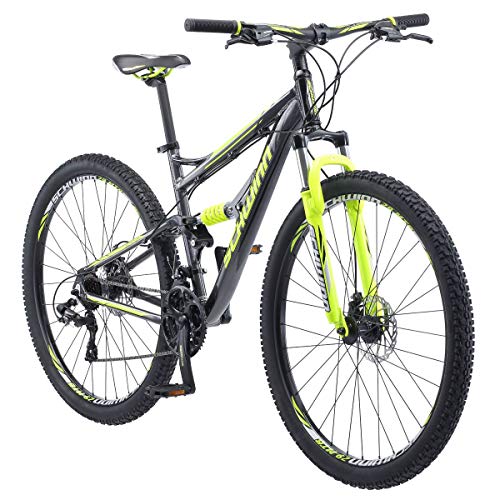


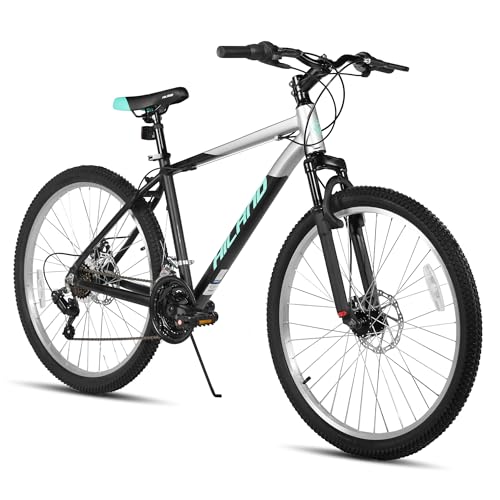

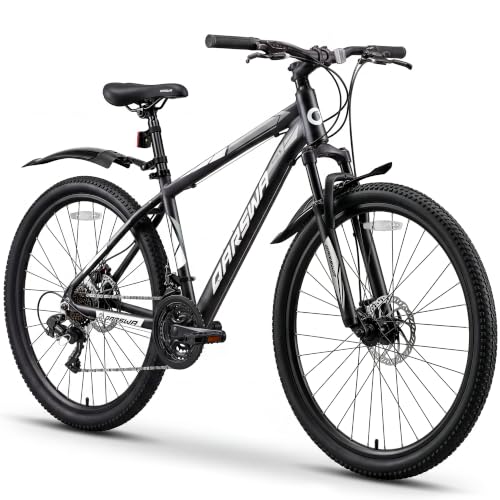
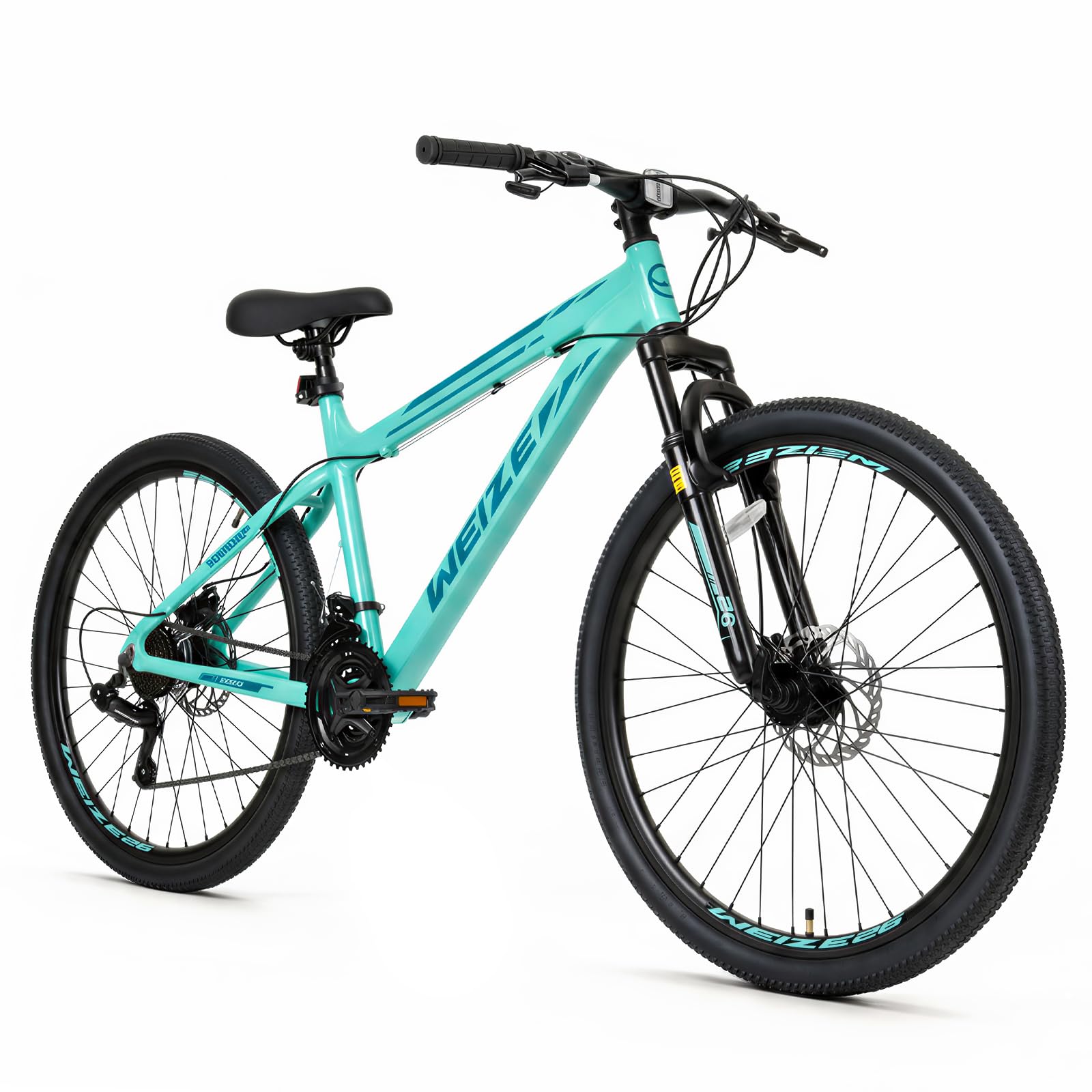
Three Buyer Profiles at a Glance
Instead of chasing a single winner, match the bike to the rider you are right now. These three profiles cover most budget shoppers, and each one points to a different place to spend and a different place to save.
The Balanced Profile
A strong overall choice pairs a modern aluminum frame with hydraulic disc brakes, a wide range drivetrain with a single front chainring, and a fork with around 120 to 140 mm of travel. It suits riders who ride varied trails two or three times a week. The main limit at this price is weight, because the frame and wheels stay sturdy rather than light. Choose this profile if you want one bike that handles climbs, flow trails, and moderate descents without feeling out of its depth.
The Value Profile
The value profile is usually a hardtail with a capable fork, strong brakes, and tires with real tread. Skipping rear suspension saves money that can go toward better brakes and a smoother shifting drivetrain, and it also keeps maintenance simple. This profile suits riders on smoother trails who still want confidence on rocks and roots. Its limit shows on long, rough descents, where your legs do the work that a rear shock would do. If most of your rides are under two hours, the trade off often makes sense.
The Beginner Profile
A beginner friendly profile puts fit and control first. Look for a low standover height, a relaxed riding position, brakes that feel easy to modulate with one or two fingers, and gearing low enough for steep climbs at a slow pace. Wide tires run at sensible pressure add grip and forgive small line choices. The limit is usually the fork, which may feel harsh on repeated hits. Choose this profile if simple controls and a comfortable fit will help you ride more often while your skills grow.
How to Choose the Best Trail Mountain Bikes: Buying Guide
This is the heart of the decision. Work through each spec in order, because fit comes before components, and brakes and tires matter more than a flashy rear derailleur. When you compare the best affordable trail mountain bike options in the product table above, use these points as your filter.
What You Can Realistically Get on a Budget
Around $500 to $800 usually buys a hardtail with mechanical or basic hydraulic brakes, a coil fork, and tires that are fine for dry trails. Around $800 to $1,500 is the sweet spot for hydraulic brakes, an air fork, a single chainring drivetrain, and tubeless ready wheels. Full suspension at the low end often means heavier parts and a basic rear shock. Never cut corners on brakes or fit to pay for extra gears you do not need.
Bike Type and Riding Style
Cross country bikes favor light weight and fast climbing, with shorter travel and steeper geometry that can feel nervous on steep descents. Trail bikes sit in the middle, with balanced geometry and enough travel for most riders, which is why they suit this budget best. Enduro bikes add travel and strength for aggressive descending but climb slowly and cost more. If your local riding mixes climbing and descending in equal measure, a trail bike is the honest match. Riders who mostly ride gravel paths may not need trail geometry at all.
For broader background on value frames and parts, see our guide to the best affordable mountain bike before you narrow your shortlist.
Sizing and Fit
Start with the maker size chart for your height, then check standover clearance and reach. You should be able to stand over the top tube with a small gap, sit with a slight bend in the knee at the bottom of the pedal stroke, and reach the bars without locked elbows. Frame size matters more than wheel size for comfort. If you fall between sizes, the smaller frame usually feels easier to handle on tight trails, while the larger frame feels calmer at speed. A short test ride reveals more than any chart.
Brakes (Hydraulic vs Mechanical Disc)
Hydraulic disc brakes give stronger stopping power with lighter finger effort, and they self adjust as pads wear. That control matters on long descents, in wet weather, and when your hands get tired. Mechanical disc brakes cost less and use a cable, so they feel less smooth and need more frequent adjustment. At this budget, hydraulic brakes are worth prioritizing over almost any other upgrade. Check rotor size too, because larger rotors around 180 mm handle heat better for heavier riders and steeper trails.
Wheel Size and Tires
Wheels around 29 inches roll over roots and rocks more easily and hold speed well, which helps taller riders and anyone on rough, open trails. Wheels around 27.5 inches accelerate faster and feel nimble in tight corners, which many shorter riders prefer. Tire width around 2.3 to 2.6 inches gives a good mix of grip and rolling speed for trail use. Tubeless setups let you run lower pressure for grip and reduce flats from small thorns, but they need sealant checks every few months. Match tread to your soil, because aggressive knobs drag on hard packed dirt.
Weight and Components Upgrade Path
Budget trail bikes often weigh around 30 to 36 lb, and that is acceptable if the weight sits in durable wheels and tires. Avoid frames with outdated standards that block future upgrades, such as very narrow rear spacing or a straight steerer tube when you may want a better fork later. The smartest early upgrades are usually tires, brake pads, a comfortable saddle, and pedals that suit your shoes. Contact points change how a bike feels more than a small drop in weight. Keep the original parts list so you can check compatibility before ordering.
If you ride more demanding terrain and want to know how trail geometry differs from a broader category, read about the best all mountain trail bike for context on travel and frame strength.
Suspension (Hardtail vs Full Suspension) and Travel
A hardtail has a suspension fork up front and a rigid rear end. It climbs efficiently, costs less, and teaches you to pick smooth lines. A full suspension bike adds a rear shock that improves traction and comfort on rough descents, but it adds weight, cost, and pivot maintenance. Travel around 100 to 120 mm suits smooth trails and cross country riding. Travel around 120 to 150 mm suits most trail riding, while 150 to 160 mm points toward enduro use. More travel is not better if your trails are flat.
Types of Trail Mountain Bikes
Full Suspension Mountain Bikes
Full suspension mountain bikes use a fork and a rear shock to keep both wheels in contact with rough ground. They shine on rocky descents and long rides where comfort protects your back and hands. The downsides are higher cost, more servicing, and extra weight at budget prices. They suit riders whose local trails are consistently rough and who plan to keep the bike for several seasons.
Kids Bikes
Kids bikes for trails need light weight above all, because a heavy bike is hard for a small rider to climb with or lift over obstacles. Look for simple gearing, brakes sized for small hands, and tires with modest tread for dirt paths. Avoid adult small frames that still weigh too much. These bikes suit family rides on gentle trails, and a good fit matters more than suspension. Always pair a young rider with a proper helmet and adult supervision on shared trails.
Hardtail Mountain Bikes
Hardtail mountain bikes keep things simple and efficient. They climb well, respond quickly when you pedal hard, and cost less to maintain because there are no rear pivots or shock seals to service. The trade off is a rougher ride over roots and rock gardens, managed by wider tires and lower pressure. They suit budget buyers, newer riders, and anyone whose trails are mostly smooth with short rough sections.
Planning routes is part of the fun, and our guide to the best app for mountain bike trails can help you find legal trails with distance and elevation details before you go.
Care and Maintenance Tips
- Check tire pressure before every ride. Pressure that is too high reduces grip, and pressure that is too low risks rim damage on square edged rocks.
- Clean and lube the chain every 100 to 200 miles. A clean chain shifts better and lasts longer, and it keeps the drivetrain quiet on climbs.
- Have a professional tune up yearly. A shop can check brake pads, wheel trueness, headset play, and suspension seals that are easy to miss at home.
- Inspect brake pads monthly. Worn pads lose power and can damage rotors, which costs far more than a fresh set of pads.
- Wash mud off after wet rides. Dried grit works into seals and bearings, so a gentle rinse and dry protects the frame and fork.
Tires deserve their own check, because tread and casing decide grip more than almost anything else. If you want to dig into tread patterns and widths, see our guide to the best trail mountain bike tyres when your stock tires wear out.
Trail Mountain Bikes: Your Questions Answered
How much should I spend on my first trail bike?
Budget bikes under about $500 can handle gentle trails, but expect basic brakes and forks. Around $800 to $1,500 is a sensible budget for a bike you will keep for years, since it usually adds hydraulic brakes and a better fork.
Hardtail or full suspension for beginners?
A hardtail is usually the better first choice on a budget. It costs less, weighs less, and needs less maintenance, so more of your money goes to brakes and fit. Full suspension helps on very rough trails, but cheap rear shocks add weight and little control.
What size bike do I need?
Use your height and inseam against the maker chart, then confirm standover and reach. Most riders around 5 ft 6 in to 5 ft 10 in land on a medium frame, but leg and torso proportions change the answer.
Are cheap mountain bikes safe on real trails?
Entry-level bikes from department-style brands suit gentle paths and light trail use. For steeper descents, look for hydraulic disc brakes, a proper suspension fork and a frame designed for trail riding, and have a shop check assembly.
Should I buy a bike online?
Online bikes are cheaper, but they arrive partly assembled. Have a bike shop check the brakes, gears and bolts before your first ride, and read the return terms.
Our Verdict
Fit, brakes, and tires decide whether a budget trail bike feels fun or frustrating. Get those three right and most other specs fall into place. When you are ready, compare the best affordable trail mountain bike options in the product table above against your local terrain, your height, and your total budget including safety gear. A bike that fits well and stops well will get ridden, and a bike that gets ridden is always the best value.