
Best All Purpose Mountain Bike Tire: The Buyer Checklist We Use for 2026
Disclosure: We may earn a commission when you buy through links on this page, at no extra cost to you. As an Amazon Associate I earn from qualifying purchases. Learn more

Use this checklist for the best all purpose mountain bike tire: tread, casing, size, compound, and tubeless setup checks before you buy for your next ride.
One tire has to climb loose dirt, brake on wet roots, roll on hardpack, and still feel lively on the ride back to the trailhead. That balance is exactly what a best all purpose mountain bike tire should deliver, and it is also why vague tread photos and big grip claims can mislead you. This guide gives you a simple checklist to score any tire before you pay for it.
You will learn which tread shapes suit mixed terrain, how casing and compound change the ride, and how to match width to your rims and frame. Use the comparison table below to note sizes and weights, then work through the criteria in order.


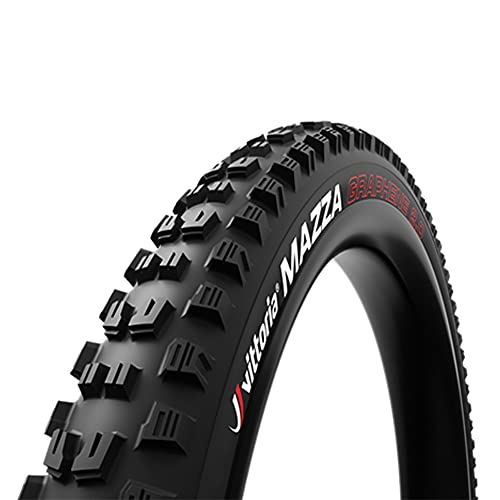

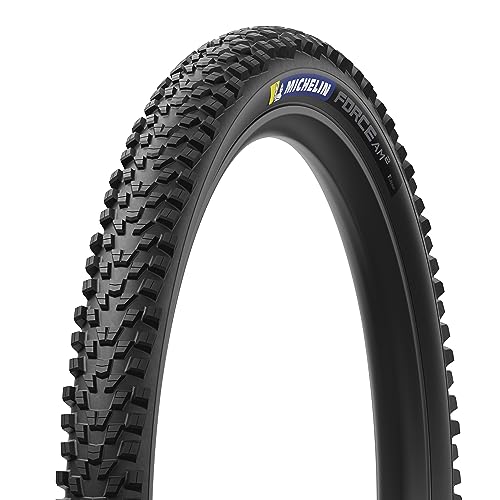
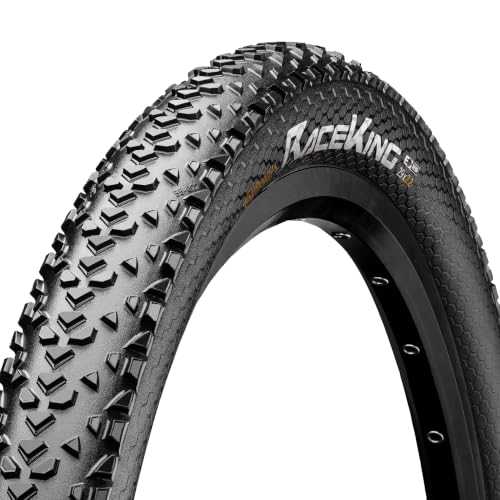


How We Evaluate All Purpose Mountain Bike Tires
Think of evaluation as six separate questions rather than one overall impression. A tire can grip well yet feel slow, or roll fast yet fold in corners if the casing is too light for your weight. Scoring each area on its own helps you spot the trade off that matters most for your trails.
Riding Style and Terrain Mix
Start with an honest split of your riding, such as mostly dry hardpack with some loose climbs, or equal parts wet forest and rocky descents. Cross country riders usually favor lower, tighter knobs that roll quickly, while trail riders accept more drag for stronger cornering support. If your routes include pavement to reach the trail, a continuous center tread reduces buzz and wear. Write your mix down before shopping, because it decides every later choice.
Tread Pattern and Knob Layout
Center knobs control rolling speed and braking in a straight line, transition knobs support you as you lean, and tall side knobs hold the line in corners. Look for a smooth ramp on the leading edge of center knobs, which helps the tire roll, and a sturdy base on side knobs so they do not squirm. Wide open channels clear mud, but they can feel vague on hard surfaces. For mixed use, moderate spacing with linked transition knobs is the safest pattern.
Casing, Sidewalls, and Flat Protection
The casing is the fabric body under the tread, and it shapes both comfort and durability. Light casings feel supple and fast but need higher pressure to avoid rim strikes on sharp rocks. Reinforced casings add a protection layer under the tread or across the sidewalls, which suits heavier riders and rocky terrain. If you ride where thorns or sharp stone are common, choose stronger sidewall support even if it adds some weight, because one cut sidewall usually ends the tire.
Tubeless Setup and Sealant
Most modern options are tubeless ready, meaning the bead seats tightly on a tubeless rim so you can run sealant instead of an inner tube. Lower pressure without tubes improves grip and lets sealant plug small punctures as you ride. Check that your rims are tubeless ready too, and plan to refresh sealant every few months as it dries. To compare sealant choices and refresh intervals, see our guide to the best mountain bike tire sealant before you set up a new pair.
Size, Width, and Clearance
Match the diameter first, either 27.5 inch or 29 inch, to your wheels, then choose width for your terrain and rim. Widths around 2.3 to 2.5 inches suit most trail riding, while narrower options roll faster on smooth cross country courses. Check frame and fork clearance at the closest point, and leave room for mud. Also check the rim maker guidance, because a very wide tire on a narrow rim can feel unstable and a narrow tire on a wide rim can expose the rim edge.
Compound and Grip
Rubber compound decides how the knobs grip and how fast they wear. Softer rubber bites better on wet rock and roots but wears sooner, especially on the rear tire under pedaling load. Firmer rubber lasts longer and rolls a bit faster, which many riders prefer at the back. A common mixed terrain setup pairs a softer front tire for steering confidence with a slightly firmer rear tire for durability, as long as both share a similar tread family.
Once you understand these six areas, browsing the wider category gets easier. Our overview of the best mountain bike tires shows how all purpose options sit between race day tires and aggressive downhill tires, which helps you avoid buying more tire than your trails require.
Price Tiers and What Each Tier Delivers
Price mostly buys casing quality, compound choice, and weight savings, not a completely different tread idea. The tiers below describe what you generally get for your money, so you can decide where your budget does the most work.
Entry Tier: Simple and Affordable
Entry tires often cost around $40 to $60 each and usually use a single firmer compound with a basic casing. They suit smooth trails, gravel connectors, and spare tire duty, and they wear slowly under new riders who are still building skills. Expect more weight and less wet grip than pricier options. A wire bead version may not fold for travel and may not seal tubeless, so read the bead description carefully if tubeless setup matters to you.
Middle Tier: The Balance Most Riders Need
Middle tier tires, often around $60 to $85 each, usually add tubeless ready folding beads, better flat protection, and dual compound tread. This is where most all purpose riders get the best value, because grip, weight, and durability all improve at once. If you ride two or three times a week on varied trails, this tier usually delivers the fewest compromises. It is also the tier where front and rear specific tread options become common.
Premium Tier: Lighter Casings and Softer Compounds
Premium tires can cost around $85 to $110 each and focus on supple casings, sticky compounds, and carefully shaped knobs. The gains show up as calmer handling on rough ground and stronger grip at the edge of a corner. The trade off is wear, since soft rubber and light casings rarely last as long under heavy use. Choose this tier when your terrain is steep or wet, or when small handling gains matter more to you than tire lifespan.
Quick Buyer Checklist
Run through these questions for any tire you are considering, and treat a no answer as a reason to keep looking.
- Does the diameter match my wheels, and does the width clear my frame and fork with room for mud?
- Is the bead folding and tubeless ready, and are my rims tubeless ready as well?
- Does the tread mix suit my real terrain split rather than the hardest trail I ride once a year?
- Is the casing strong enough for my weight, speed, and the sharpness of my local rock?
- Does the compound balance grip and wear for the front or rear position where I will mount it?
- Can I buy the same tire again later, so my front and rear pair stays matched?
- Does the total cost for a pair still leave room in my budget for sealant, valves, and rim tape?
Red Flags to Watch For
Some warning signs are easy to spot once you know them. Listings that hide the casing type, compound, or true weight make fair comparison almost impossible. Avoid tires with no stated maximum pressure or no rim width guidance, since fit and safety depend on both. Be wary of very low prices paired with heavy wire beads sold as trail tires, because weight and tubeless limits may disappoint you. Short or unclear warranty terms on casing defects are another concern. Finally, treat near perfect review patterns with no mention of any trade off as a reason to look for independent owner feedback elsewhere.
Picking the Right Tire for Different Uses
Smooth cross country loops reward a lighter tire with lower center knobs and a supple casing, since climbing speed and quick direction changes dominate. Riders focused on that end of the sport can compare narrower, faster options in our guide to the best xc mountain bike tires. Rocky trail riding rewards the opposite balance, with stronger sidewalls and taller side knobs, and our guide to the best trail mountain bike tires covers that end of the range. Most riders sit between those poles, which is why the all purpose category exists.
Best Dual Purpose Mountain Bike Tire: What to Check
A best dual purpose mountain bike tire has to work on pavement connectors and dirt in the same ride, so the center tread matters even more. Look for a tight, almost continuous center strip for calm road manners, side knobs tall enough for loose corners, and a casing that resists cuts from road debris. Expect a little more rolling drag than a pure road tire and a little less bite than a pure trail tire on steep mud.
Tips to Get the Most From Your Tire
- Check pressure before every ride. A small drop changes grip and rim protection, so use the same gauge each time and record what works for your weight and terrain.
- Inspect the tread weekly. Remove embedded glass, thorns, and small stones with a blunt tool so they do not work deeper into the casing.
- Top up sealant on schedule. Shake the wheel and listen, or check through the valve, and add sealant before it dries out completely.
- Rotate with care. Moving a worn rear tire to the front reduces steering grip, so most riders replace the pair or move the front tire to the rear and fit the new tire up front.
- Store tires out of sunlight. Heat and ultraviolet light age rubber, so keep spares in a cool, dark place away from electric motors that produce ozone.
Pressure is the cheapest tuning tool you own. Lowering pressure by a small step adds grip and comfort, while raising it slightly protects the rim on rocky days, so change one step at a time and note the result. If you are also choosing a complete bike to match this kind of mixed riding, our guide to the best all purpose mountain bike explains the frame and wheel choices that pair well with these tires.
Frequently Asked Questions
How much should I spend on a pair of all purpose mountain bike tires?
Most riders do well spending around $120 to $170 for a pair in the middle tier. That level usually buys tubeless ready casings, useful flat protection, and compounds that grip in the wet without wearing out in a single season. Spending less can work for smooth trails, while spending more mainly buys lighter weight and softer rubber rather than a basic jump in safety or fit.
What tire size do I need for my mountain bike?
Your wheel diameter decides the first number, and your frame clearance and rim width decide the second. Read the size printed on your current sidewall, then confirm the new width leaves visible clearance at the fork and rear stays. If you are between widths, the narrower option usually steers more predictably on narrow rims, while the wider option adds comfort and flotation on loose ground.
Should beginners run tubeless tires or inner tubes?
Tubeless is usually the better choice once the setup is done, because lower pressure improves grip and sealant closes many small punctures. The setup itself can be messy the first time, so a shop can seat the beads and add sealant while you watch and learn. Inner tubes remain a fine backup to carry on the trail, since a large sidewall cut can defeat sealant and still needs a tube to get you home.
How long should an all purpose mountain bike tire last?
Lifespan depends on compound, terrain, and how much pavement you ride, but many riders get a full season or more from a pair. Replace a tire when side knobs tear at the base, the center tread wears smooth, or the casing shows threads or repeated leaks. A rear tire under a powerful rider on abrasive rock can wear twice as fast as the front, so inspect them separately.
Can I use one all purpose tire for racing and daily trail rides?
Yes, as long as the race course matches the tire strengths. A middle weight all purpose tire handles most local cross country and short trail events without drama, and using one familiar setup removes guesswork on race day. For a muddy or very rocky event, a dedicated tire may still be faster or safer, so weigh the entry fee and travel cost against the price of a second set.
The Bottom Line
Start with your terrain mix, then score casing, compound, and size before you compare prices. The product table above and the comparison table above will help you line up weights and widths while this checklist keeps the decision honest. Chosen well, a best all purpose mountain bike tire disappears under you, gripping when you lean, rolling when you pedal, and lasting long enough to feel like money well spent.


