
Best All Purpose Mountain Bike in 2026: Which Type Is Right for You?
Disclosure: We may earn a commission when you buy through links on this page, at no extra cost to you. As an Amazon Associate I earn from qualifying purchases. Learn more

Compare hardtail and full suspension types of all purpose mountain bike, their ideal riders and price ranges, to pick the right style.
Walk into any bike shop and the floor splits into tribes: lean hardtails, plush full suspension rigs, and drop bar bikes that claim dirt road talent. If you want one bike for trails, paths, and weekend exploring, the tribes blur fast and the advice conflicts. This guide compares each type plainly, with its honest strengths, limits, ideal rider, and typical price, so you can pick the best all purpose mountain bike for the riding you truly do.
The comparison table below lines up current models across the types with weights, travel, and prices in one view. Read the type sections first to learn which row style fits your life, then use the table to compare specific builds inside that style.
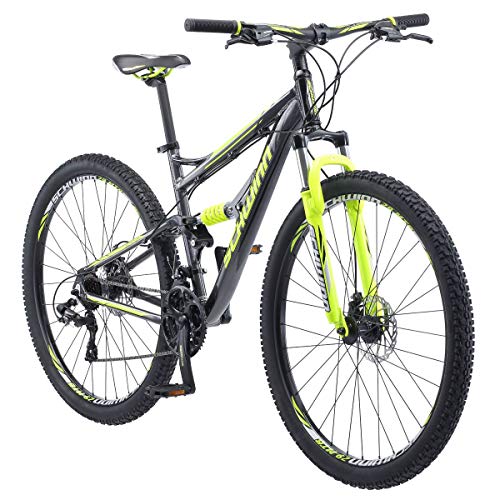
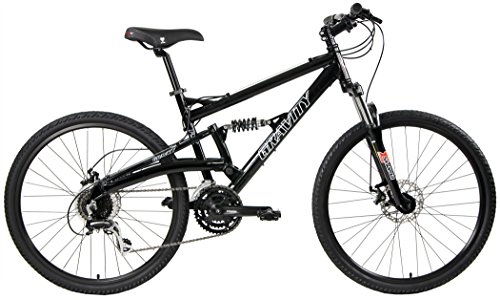

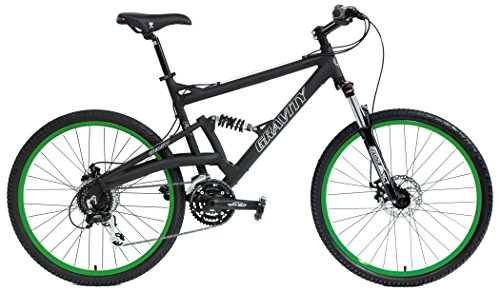
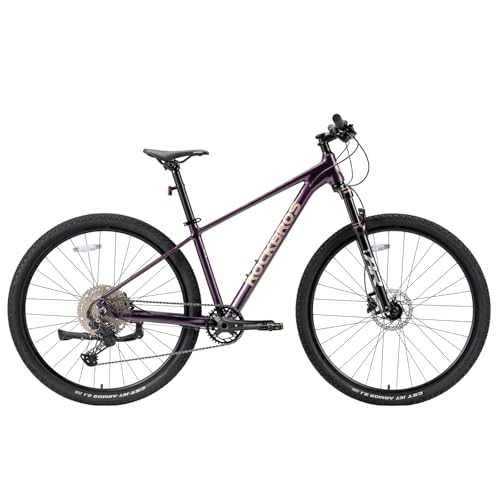
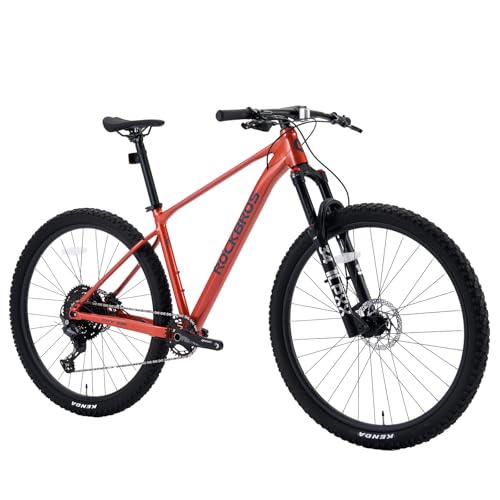

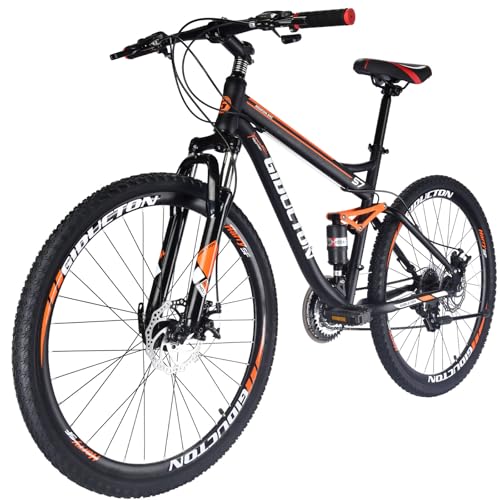

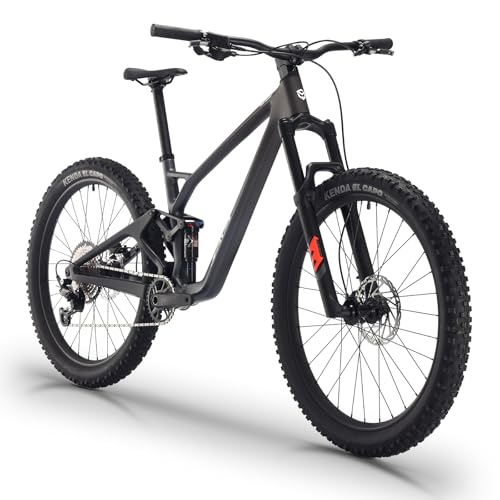
Types of All Purpose Mountain Bikes Compared
Hardtail Mountain Bikes
A hardtail suspends only the front wheel with a fork and keeps the rear of the frame rigid. That simple layout makes it the lightest and cheapest true trail bike, commonly around $600 to $1800, and the easiest to maintain because there are no rear pivots or shock to service. Pedaling feels direct and lively, and smooth trails, gravel connectors, and fitness riding suit it perfectly. The limits show up on rough ground: your legs become the rear suspension, rocky descents demand slower lines, and long days on broken trails tire your back and hands. Choose a hardtail if your trails are mild to moderate, your budget is firm, and you value simplicity. Riders comparing naming styles across shops can also browse our guide to the best mtb mountain bike for how the same category is labeled elsewhere.
Full Suspension Mountain Bikes
A full suspension bike cushions both wheels, adding a rear shock and pivots to the fork up front. Traction improves everywhere: climbing loose slopes, cornering on roots, and descending rock gardens all feel calmer, and your body finishes long rides fresher. Typical prices run about $1800 to $4500 for capable all purpose builds. The trade offs are weight around 30 to 35 lb, higher cost, and extra service for shock and bearings. Modern designs pedal efficiently, with lockout levers and smart geometry closing most of the old climbing gap. Choose full suspension if your trails are rough, your rides are long, or your joints ask for mercy. Riders leaning this way may also want the focused trail discussion in our guide to the best all mountain mountain bike.
Hardtail vs Full Suspension: Which Should You Choose?
These two types overlap in price at the upper end of budget bikes, so compare them on the ground you ride most. On rough terrain with rocks, roots or drops, full suspension wins by a wide margin. On smooth dirt and gentle trails, the hardtail climbs more efficiently and feels livelier. On comfort, the rear shock saves your back and hands on long rough rides. On maintenance, the hardtail wins because it has no rear shock or pivots to service.
The verdict follows your route map. If your week mixes neighborhood streets with light park trails, a hardtail covers most surprises for less money. If your weekends bring rocky climbs and long descents, full suspension is the honest pick. Our broader guide to the best bike for mountain biking explains where more specialized bikes take over.
How to Choose the Right All Purpose Mountain Bike
Bike Type and Riding Style
Start by naming your terrain honestly. Cross country style riding on smooth, flowing trails suits a hardtail or a short travel build. Mixed trail riding with rocks and roots points to full suspension with about 120 to 150 mm of travel. Enduro style descending wants even more travel and stronger parts, and it sacrifices all purpose manners to get them. Hybrid and commuter e bike styles belong to pavement and errands, not trails. The all purpose sweet spot for most households is a trail hardtail or a mid travel full suspension bike, because both handle a dirt path on Friday and a mountain loop on Sunday without complaint.
Brakes (Hydraulic vs Mechanical Disc)
Every type in this guide stops best with hydraulic disc brakes. Fluid systems deliver strong power with light lever effort, self adjust as pads wear, and stay consistent in rain, which matters on long descents and wet trails alike. Mechanical disc brakes cost less and appear on the cheapest hardtails; they work, but they need cable adjustments and a firmer squeeze. Rotor size around 160 to 180 mm suits all purpose use, with the larger end better for heavier riders and longer hills. One check helps: squeeze each lever before a test ride. A lever that pulls close to the bar signals air in the line or worn pads, and either one should be fixed before money changes hands.
Drivetrain and Gearing
A 1x drivetrain, one front chainring with a wide range rear cassette, is the all purpose standard because it is simple, quiet, and covers climbing to cruising with one shifter. Look for a low gear near 30 teeth in front and 51 in back if your area is hilly. Parts from the major groupset families shift reliably at mid level and above, and replacement chains and cassettes are cheap and universal. Avoid very old 3x systems on used bikes; they add weight, noise, and dropped chains without giving useful range in return.
Weight and Components Upgrade Path
Weight shapes how a versatile bike feels day to day. Hardtails near 26 to 30 lb lift easily onto car racks and climb willingly, while full suspension builds near 32 lb make up for it with control. Upgrade in the order you feel: tires first, because tread and casing change grip and speed at once; contact points next, meaning saddle, grips, and pedals; wheels later, when the budget allows. Check that any frame you buy uses current standards, such as thru axles and boost hub spacing, so parts stay available. Shoppers who prefer classic wording while comparing listings can cross check our guide to the best bicycle mountain bike, which covers the same ground under a different name.
Care and Maintenance Tips
All purpose bikes collect mixed grime, so simple habits pay off across every type. Check tire pressure before every ride, since trail tires like lower pressure for grip. Clean and lube the chain every 100 to 200 miles, sooner after mud or dusty roads, and wipe the excess so it does not paste grit onto the gears. Hardtail and full suspension forks and shocks need maker scheduled service, and full suspension pivots deserve a yearly check for play. Have a professional tune up yearly to catch worn brake pads, stretched cables, and tired bearings while they are still cheap to fix.
FAQs
Hardtail or full suspension for beginners?
Beginners on smooth and moderate trails do great on a hardtail, which costs less, weighs less, and teaches clean line choice because the bike gives honest feedback. Beginners whose local trails are rocky or rooty should choose full suspension, since rear traction forgives mistakes and builds confidence faster. Budget decides many real cases: a quality hardtail beats a bargain full suspension bike with a weak fork and brakes. Start with the bike your trails demand, not the one with the most moving parts.
What size bike do I need?
Use your height and inseam on the brand chart, then confirm standover clearance and a reach that keeps your elbows softly bent. Size labels vary between brands, so compare reach and stack numbers in millimeters when cross shopping types. Between sizes, trail riders who value agility pick smaller, and distance riders who value calm handling pick larger. A ten minute ride around the block, including one hill, reveals more than an hour of chart reading.
How much should I spend on my first bike?
Plan about $800 to $1500 for a hardtail with hydraulic brakes and a 1x drivetrain, or about $2000 to $3500 for a full suspension bike with the same quality of parts. Below those ranges, brakes and forks become parts you will replace soon. Keep about $150 to $250 back for a helmet, a pump, lights if you ride roads, and a spare tube or tubeless plug kit.
The Bottom Line
Decide by terrain first and type second. Smooth trails and tight budgets point to a hardtail, and rough trails and long days point to full suspension. Within your type, insist on hydraulic brakes, a wide range 1x drivetrain, and a frame size you verified twice. Compare your finalists in the product table above, and let your most common Saturday route break any tie. Chosen that way, the best all purpose mountain bike stops being a category debate and becomes the bike that quietly handles everything your week contains.

