
Best All Season Hunting Boots in 2026: Which Type Is Right for You?
Disclosure: We may earn a commission when you buy through links on this page, at no extra cost to you. As an Amazon Associate I earn from qualifying purchases. Learn more

Compare the best all season hunting boots by type, insulation, waterproofing, fit and traction to choose the right style for your hunts.
One pair of boots rarely feels perfect in September heat and in November frost, so choosing best all season hunting boots is about choosing the smartest compromise for your ground and season dates. This guide compares the main types and uses the comparison table below to help you match insulation, height and grip to the way you hunt.
Start with the coldest morning and the warmest afternoon you expect in the same pair. Then note your terrain, walking distance and water crossings. Those answers narrow the field fast.
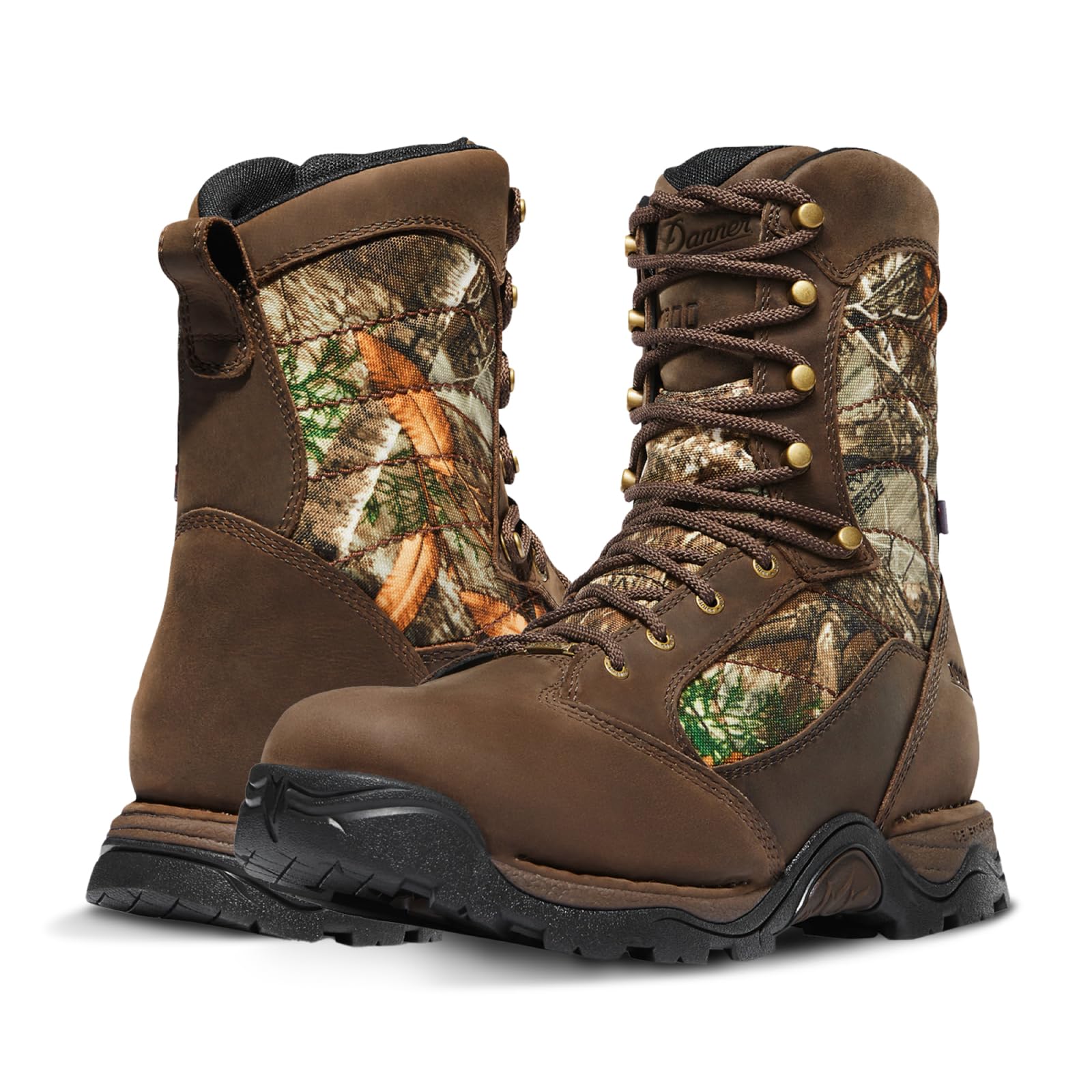


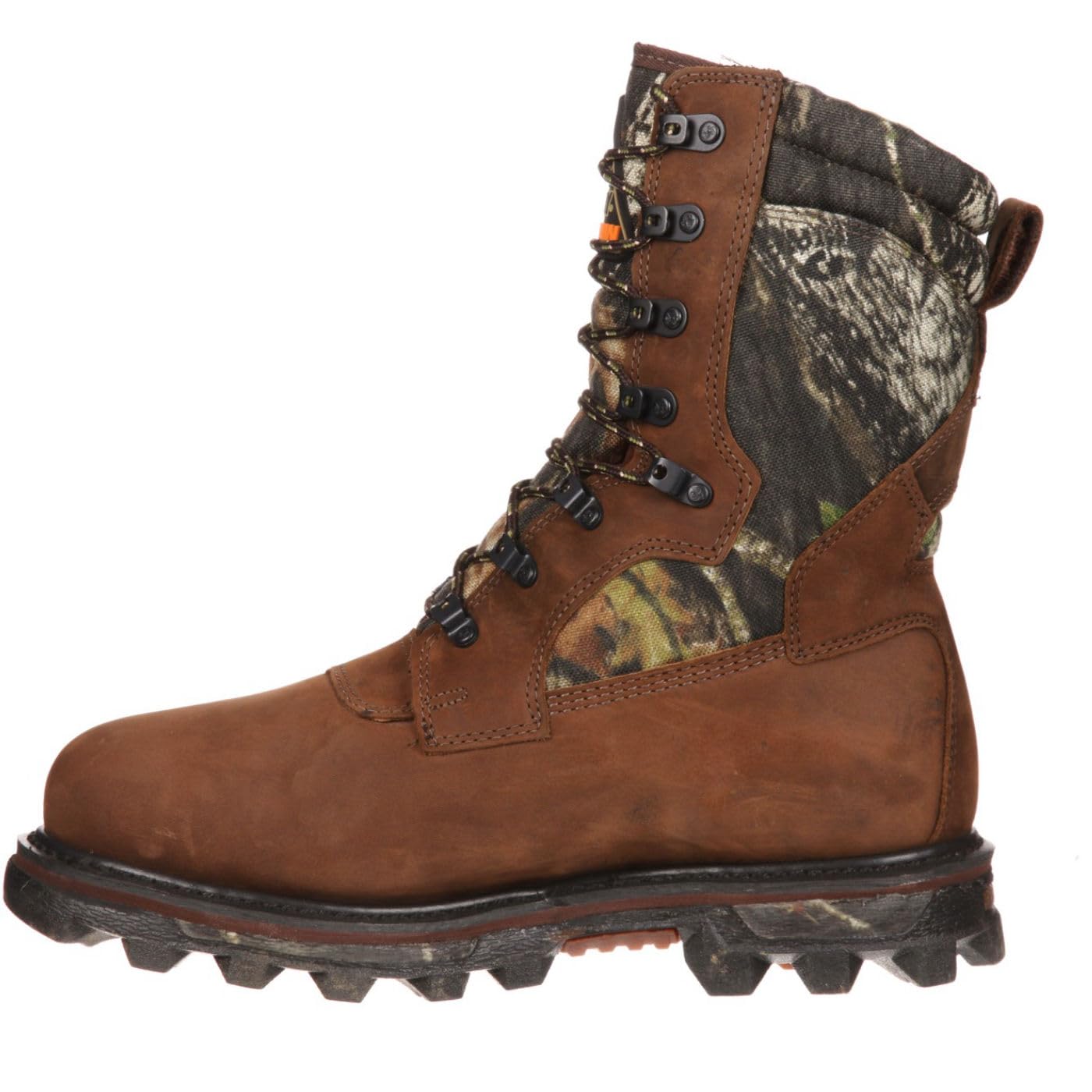

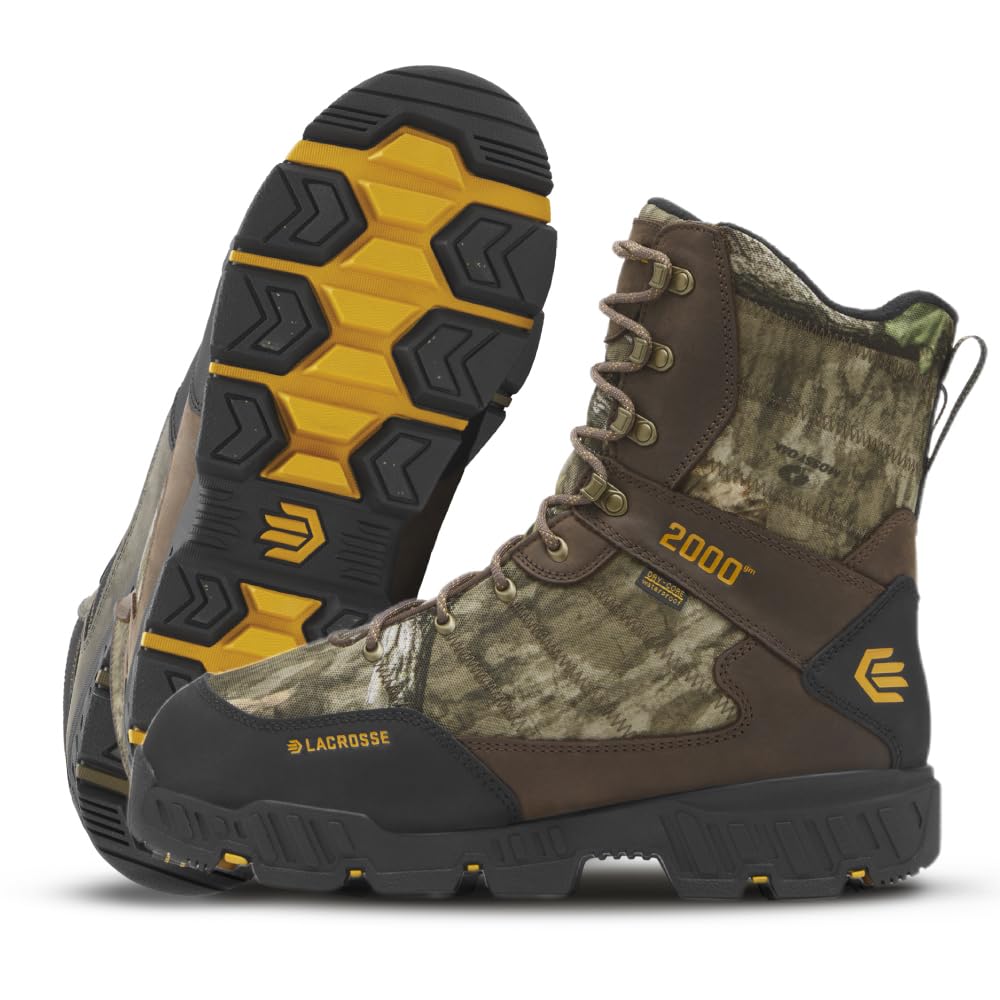
Who Should Buy All Season Hunting Boots?
All season boots suit hunters who want one dependable pair instead of a separate pair for every month. They work best when temperatures stay in a middle band and terrain changes weekly.
Hunters With a Long Season in One Region
You may hunt warm early days, rainy weekends and a few cold late mornings in the same woods. A versatile pair saves you from buying and breaking in two pairs. Choose moderate insulation and a waterproof membrane, and adjust warmth with sock thickness rather than expecting the boot alone to handle every extreme.
Mobile Hunters Who Walk Mixed Terrain
You cover ridges, field edges and creek bottoms in one outing, often on uneven ground with a pack. You need ankle support, a grippy outsole and cushioning that stays comfortable after hours on foot. A mid height or tall boot usually serves you better than a soft, low boot for flat ground.
Hunters Who Face Wet Ground Most Weeks
You cross wet grass, shallow streams and muddy tracks often, but you still walk enough that heavy rubber boots would tire you. Look for a waterproof hiking style boot with sealed seams and a gusseted tongue. If you mostly stand in flooded fields, a tall rubber type below may suit you better.
Types of All Season Hunting Boots Compared
Each type below trades warmth, breathability, weight and support in a different way. Read the tradeoffs honestly, because the best all season hunting boots for one hunter can be wrong for another.
Uninsulated Waterproof Leather Boots
Full leather uppers resist brush and abrasion and hold their shape well. With no insulation, these boots breathe best in this group and pair well with thicker socks as days cool. They weigh more and need the longest break in time. Expect to pay about $180 to $320, and choose this type if durability matters more than low weight.
Lightly Insulated Boots for the Widest Range
Boots with about 200 to 400 grams of insulation are the classic all season choice. They feel warm enough for frosty mornings with a midweight sock, yet they are less likely to overheat on a mild afternoon than heavily insulated pairs. Expect to pay about $200 to $350, and choose this type if your season truly spans warm and cold weeks.
Lightweight Synthetic Boots for Long Walks
Synthetic uppers with mesh panels cut weight, dry faster and usually feel comfortable sooner. They suit spot and stalk hunting and long approaches in mild weather. The tradeoff is lower abrasion resistance in sharp rock and brush, and a shorter working life. Expect to pay about $140 to $260.
Tall Rubber and Neoprene Boots for Wet Ground
Tall rubber and neoprene boots keep water and mud out completely and rinse clean in seconds, which makes them ideal for flooded fields and muddy farm tracks. Most offer little ankle structure and modest cushioning, so long walks on steep ground can feel tiring. They also trap heat on warm days. Expect to pay about $100 to $200, and choose them only if wet ground is your main problem.
Key Features to Compare
Compare these factors in order, starting with fit. A boot that fits poorly will fail you no matter how strong its membrane looks on paper.
Fit, Sizing, and Toe Box for All Season Hunting Boots
Try boots late in the day, when your feet are at their largest, and wear the thickest sock you plan to hunt in. You want firm heel hold with no lifting, plus about a thumb width of space in front of your longest toe for downhill steps. A roomy toe box lets toes spread and helps circulation on cold sits, while a narrow box can cause numb toes. Check arch support too, because a supportive footbed reduces fatigue on long walks.
Insulation, Waterproofing, and Breathability
Insulation weight controls warmth, but activity matters just as much, because a walking hunter generates far more heat than a hunter sitting still. A Gore Tex or similar membrane blocks outside water while letting some sweat vapor escape, yet no membrane feels truly breathable once you work hard in warm weather. For mostly mild use, favor ventilation and use socks to add warmth. If deep cold is your norm, see our guide to the best late season hunting boots for heavier options.
Outsole Traction and Lug Depth for Mixed Terrain
Lug depth and pattern decide how a boot grips mud, wet leaves, loose gravel and slick rock. Deeper, widely spaced lugs shed mud and bite into soft ground, while shallower, closer lugs feel steadier on hard trails. A defined heel breast helps you brake on steep descents. Very soft rubber grips well but wears faster, and very hard rubber can feel slippery on wet stone, so most all season boots use a middle hardness.
Shaft Height, Ankle Support, and Stability
Shaft height is the height of the upper above your ankle. Taller shafts, often about 8 to 10 inches, support the ankle on side slopes and keep out debris, but they feel warmer and stiffer. Shorter shafts, around 6 inches, feel cooler and lighter for flat ground. A firm heel counter and a stable midsole matter as much as height, because they limit rolling when you step on hidden roots or rocks.
Break In Period and Expected Durability
Leather boots often need about 10 to 20 miles of gradual walking before the upper softens around your ankle, while synthetic boots often feel ready much sooner. Plan short walks first and never start a season in a brand new pair. Leather usually outlasts light synthetic panels, and care at home extends the life of either. A worn smooth outsole is a safety issue on wet slopes, not just a cosmetic one.
Common Mistakes to Avoid
Most regrets come from buying for one extreme day instead of your typical week.
- Buying heavy insulation for a mostly mild season leaves your feet sweating, blistered and sore on warm walks.
- Sizing boots with thin everyday socks leaves no room for hunting socks and causes cold, cramped toes.
- Choosing a smooth outsole for muddy ground leads to slips on wet leaves, clay and creek banks.
- Hunting a long day in brand new boots causes hot spots and blisters that can end a trip early.
- Assuming waterproof means maintenance free leads to cracked leather and wet feet later in the season.
- Picking tall rubber boots for steep, rocky ground leaves your ankles unsupported on side slopes.
Care and Maintenance for All Season Hunting Boots
After each outing, knock off mud, open the laces and pull out the insoles so the inside can dry at room temperature. Keep boots away from direct heat, because high heat can crack leather and damage membrane bonds. For a milder start to the season, see our guide to the best early season hunting boots for lighter choices.
Clean leather with a soft brush and plain water, then apply conditioner once the leather looks dry and pale. Check stitching each month, and repair small separations early. Store boots upright in a dry place out of direct sun. For a broader view of styles, see our guide to the best hunting boots.
Frequently Asked Questions
How much insulation do all season hunting boots need?
Most all season hunting boots work best with about 200 to 400 grams of insulation. That range suits active hunters across mild and cold days when sock choice is adjusted. If you sit still for hours in freezing weather, you will likely need more insulation than an all season pair offers, even with heavy socks.
Can all season hunting boots handle snow and deep cold?
All season hunting boots can handle light snow and short cold spells, but they are not deep winter boots. Snow above the shaft will enter from the top, and thin insulation loses warmth fast during long, still sits. Add gaiters for snow depth, and treat repeated below freezing sits as a sign you need a dedicated cold weather pair.
How should all season hunting boots fit with hunting socks?
All season hunting boots should fit snugly at the heel and midfoot, with clear space at the toes, when worn with your hunting socks. Fit them in the afternoon and walk downhill on a ramp if the shop allows it. Your toes should not strike the front. A useful extra check is to stand on the removed insole, because your foot should sit within its outline.
Are all season hunting boots truly waterproof all day?
No all season hunting boot stays dry in every condition, even with a quality membrane. Water can enter over the top in deep crossings, and sweat alone can dampen socks during a long climb. Change socks at midday on very wet hunts, because dry socks restore warmth and reduce blister risk even when the boot interior still feels damp.
How long do all season hunting boots usually last?
All season hunting boots often last about three to five seasons of regular use, depending on mileage, terrain and care. Abrasive rock wears outsoles fastest, while brush and water test uppers and seams. Check lug depth at the heel, because once lugs there are nearly smooth, grip on wet ground drops sharply even if the upper still looks sound.
Wrapping Up
Choose your type first, then test fit with real hunting socks, then check insulation and traction against your coldest and muddiest typical days. That order prevents buying warmth you rarely need while missing a fit problem you will feel every mile.
Compare your shortlist in the product table above, and pick the best all season hunting boots that match your region, walking distance and wet ground honestly. One well chosen pair, broken in early and cared for well, will serve you through most of your season.


