
Best All Purpose Athletic Shoes 2026
Disclosure: We may earn a commission when you buy through links on this page, at no extra cost to you. As an Amazon Associate I earn from qualifying purchases. Learn more

Choosing the best all purpose athletic shoes for gym, walking and light sport: support, cushioning, outsole grip and fit explained.
If your week includes a gym class, a few miles of walking and an occasional pickup game, one versatile pair can do the work of three. The best all purpose athletic shoes balance lateral support, moderate cushioning and a tough outsole, so they feel right whether you are lifting, jumping or just covering ground.
This guide explains the shoe types, what support and cushioning really mean, and how to check fit. Use the product table above to compare current options once you know which kind of shoe suits your routine.


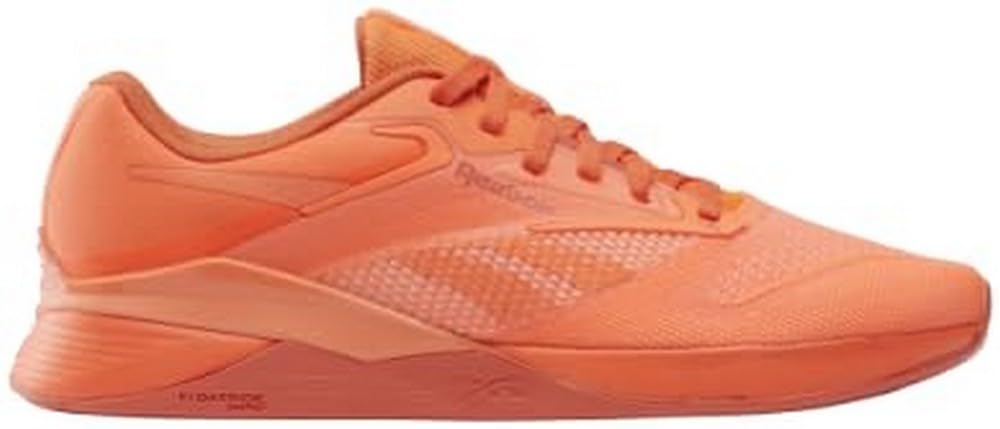


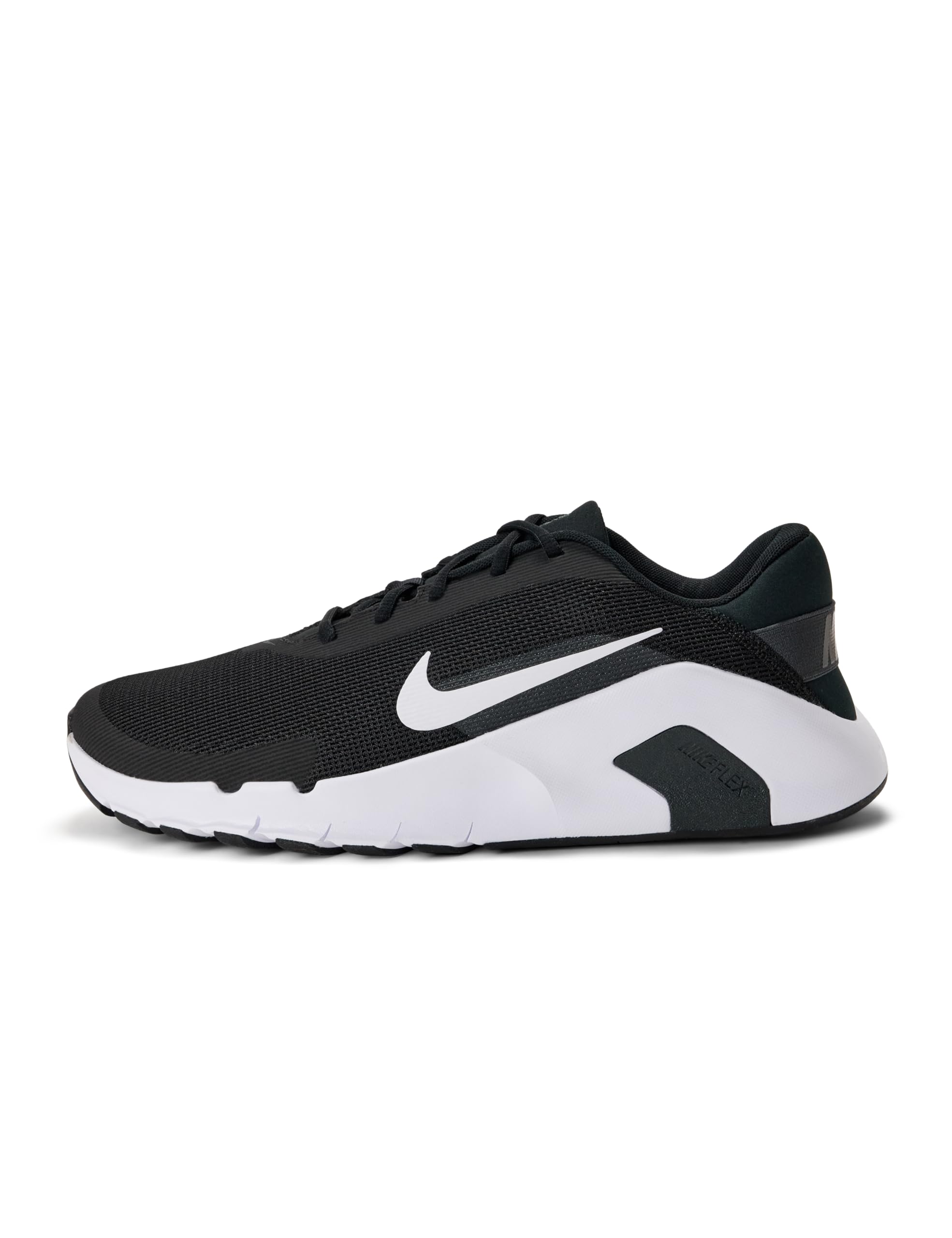
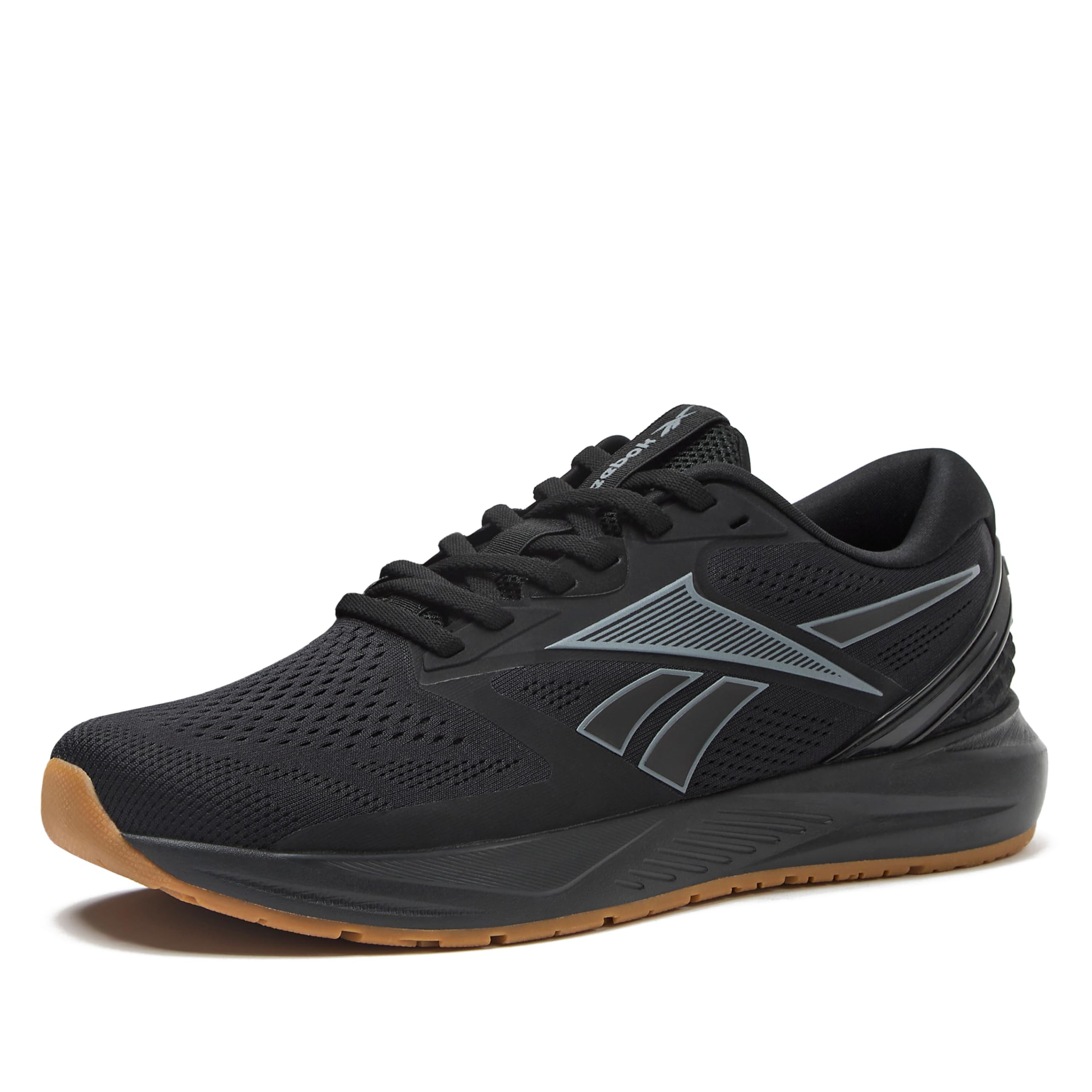


Who Should Buy All Purpose Athletic Shoes
Gym goers who mix cardio, weights and classes gain the most, since a single pair covers varied sessions. Walkers who also play casual sport benefit too, as do people starting a fitness routine who want one dependable pair before investing in specialized shoes.
Serious distance runners, court players and competitive lifters still need sport specific shoes for performance and safety. If you run long distances every week, a running shoe protects your legs better. For mixed activity a few times a week, an all purpose shoe is the sensible choice.
Athletic Shoe Types Compared
Cross Trainers
Cross trainers combine a flat, stable base with lateral support for side to side movement. They suit classes, circuits and weights, and handle short runs. They are the closest thing to a true all purpose shoe.
Running Style Shoes
Running style shoes cushion forward motion best and weigh less, but their soft midsoles can feel unstable during lateral drills and heavy lifts. They suit people whose week leans toward cardio.
Court Style Shoes
Court shoes add reinforced sides and grippy outsoles for quick stops and cuts in tennis or basketball style play. They feel firm and heavy for long walks.
Walking Style Shoes
Walking shoes prioritize comfort and cushioning for long hours on your feet. They suit walkers with light gym work. See our guide to the best athletic shoes for walking if walking leads your week.
Support, Cushioning and Stability
Lateral support matters for gym classes and side steps, because a soft running shoe can roll on quick direction changes. A firm heel counter and a stable midsole help control that roll. Cushioning should absorb impact without feeling mushy during weight work.
Arch support should match your foot. Structured options help people whose feet roll inward, as covered in our guides to the best athletic shoes for pronation and the best athletic shoes for overpronation, while neutral shoes suit a normal gait. Removable insoles let you add custom support. A stable base matters for lifting, so very soft thick soles can feel unsteady under weights.
Outsole, Weight and Durability
The outsole should grip gym floors without marking them and cover high wear areas at the heel and forefoot. A durable outsole outlasts a racing style sole built for lightness. Weight affects fatigue, so lighter shoes suit long sessions better.
Mesh uppers breathe well in a hot gym, while synthetic overlays add support at the sides. Check stitching and sole bonding, since gym shoes flex hard at the forefoot. Replace shoes when the cushioning flattens or the outsole wears smooth, because grip and support fade together.
Choosing by Activity Mix
List your weekly activities and put rough percentages on them. If more than half is gym work, classes and short cardio, a cross trainer is the right base. If more than half is walking, a cushioned walking style shoe with a firm heel will feel better by the end of the day. If you play a court sport once or twice a week, add a pair of court shoes rather than forcing a single shoe to do everything.
Budget also shapes the choice. Mid priced cross trainers often last longer than bargain pairs because the foam and outsole rubber hold up better under daily use. Spending a little more on the shoe you wear most often usually costs less per month than replacing cheap pairs twice a year.
Trying Shoes On
Try shoes on in the afternoon with the socks you train in. Walk, step sideways, squat and rise onto your toes in the store or at home. Your heel should stay put, your toes should not hit the front, and the sides should not squeeze your foot. If the shoe feels perfect only while standing still, keep looking.
Fit and Foot Health
Fit should give toe wiggle room with a secure heel, tried on with your workout socks. Feet swell during exercise, so a slightly roomy fit beats a tight one. Laces should adjust evenly without pressure points across the top of the foot.
Persistent pain, swelling or numbness during exercise are warning signs to discuss with a clinician or podiatrist. A shoe supports activity but does not treat an injury.
Care and Replacement
Let shoes dry fully between sessions and rotate two pairs if you train most days, since foam recovers its cushioning when rested. Wipe mud and dust off the outsole so it keeps its grip, and avoid machine drying, which can weaken glue. When the midsole shows deep wrinkles or the tread is smooth at the heel, it is time for a new pair.
Common Mistakes to Avoid
- Wearing running shoes for lateral gym classes, where soft midsoles roll on side movements.
- Choosing a shoe for looks rather than your most frequent activity.
- Using worn out shoes past their cushioning life, which changes gait.
- Picking a very thick soft sole for weight training, which makes the stance unstable.
- Sizing down for a snug sport feel, which cramps toes and causes blisters.
Related Guides Worth Reading
For a wider range, see the best athletic shoes. Brand focused buyers may like the best nike athletic shoes.
Frequently Asked Questions
Are all purpose athletic shoes good for running?
They handle short, easy runs well, but long or frequent running deserves a dedicated running shoe with better forward cushioning. All purpose shoes trade some running comfort for lateral support.
What is the difference between cross trainers and running shoes?
Cross trainers add lateral support and a flatter, firmer base for gym work, while running shoes focus on forward cushioning and lighter weight. Cross trainers feel more stable for classes and weights, and running shoes feel softer and faster in a straight line.
How do I know if I overpronate?
Overpronation means the foot rolls inward excessively, often shown by wear on the inner heel and a collapsing arch. A gait check at a running shop or a visit to a podiatrist gives a reliable answer. Structured support shoes suit overpronators.
How long do all purpose athletic shoes last?
Most last six to twelve months of regular mixed use, depending on weight, surfaces and how often you train. Replace them when the cushioning flattens, the outsole wears smooth or new aches appear. Rotating two pairs extends life.
Can I lift weights in all purpose athletic shoes?
Yes for general gym weights, though very heavy lifting suits a flatter, firmer shoe. Thick soft soles can feel unsteady under heavy loads, so choose a stable cross trainer for mixed sessions.
Final Thoughts
Choose a cross trainer if your week mixes gym, classes and walking, and match arch support to your gait. Prioritize lateral stability and a durable outsole over racing lightness, and try shoes on with gym style movement, not only walking. Compare options in the product table above, and the best all purpose athletic shoes for you will be the pair you forget you are wearing.


