
Best Automotive Work Boots in 2026: Which Type Is Right for You?
Disclosure: We may earn a commission when you buy through links on this page, at no extra cost to you. As an Amazon Associate I earn from qualifying purchases. Learn more

Compare automotive work boots by type, safety toe, grip on oily floors, cushioning and fit, with clear guidance on price and care for shop work.
Shop floors ask a lot from footwear. You stand on concrete for hours, kneel by brakes and suspensions, and step around oil and coolant. The best automotive work boots protect your feet without slowing that work, and the comparison table below helps you match each type to your daily tasks.
Start with your real hazards and posture. A technician under a lift needs different support than a mobile mechanic who drives, climbs, and kneels at the roadside. The sections below sort those needs first.


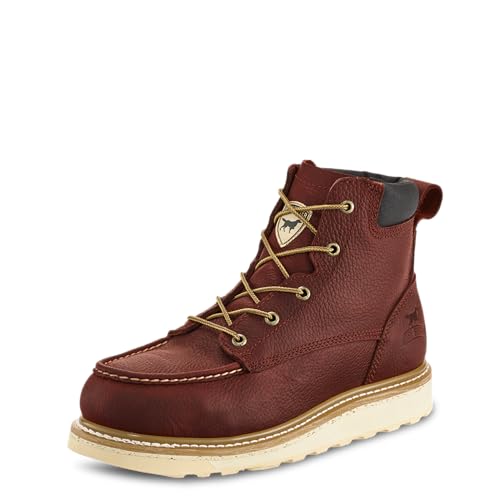


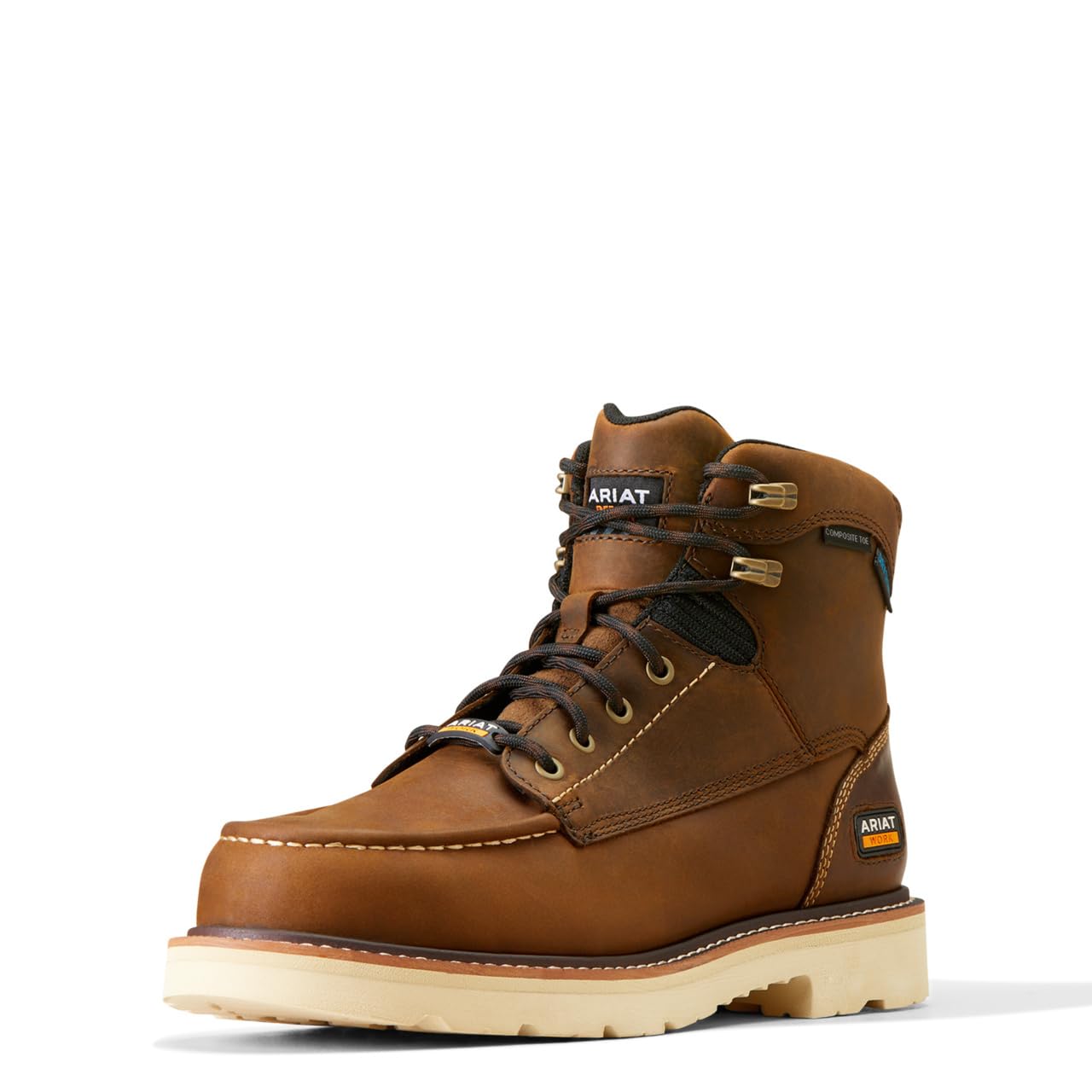


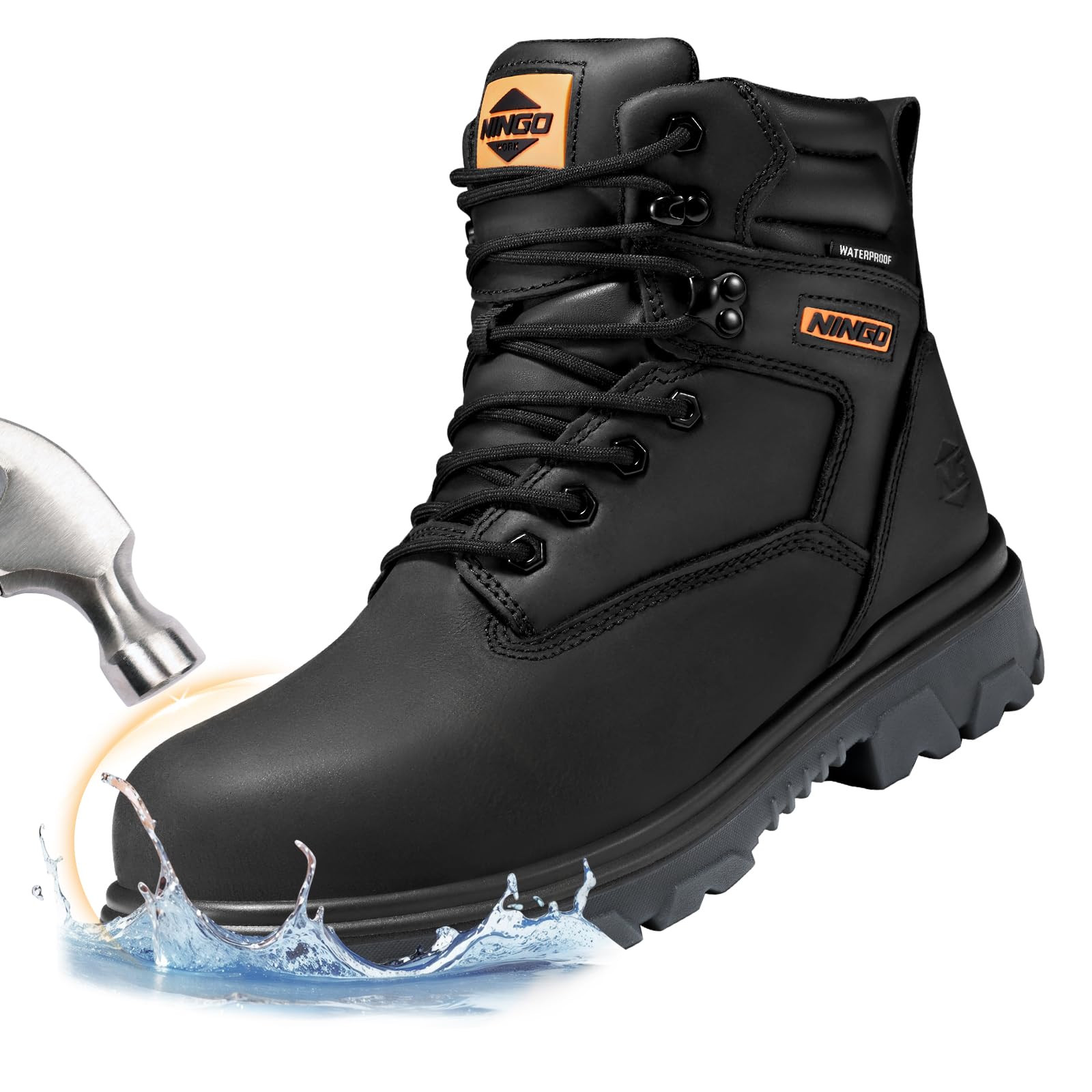
Who Should Buy Which Automotive Work Boots?
Pick by the job you repeat most often, because protection, weight, and flexibility trade against each other.
Full Time Technicians on Concrete All Shift
You need strong cushioning, steady arch support, and a safety toe if tools or parts can fall. Choose a mid height boot with a firm heel counter, since for dedicated shop roles you can also see our guide to the best work boots for automotive technicians. A heavier boot is often worth it here, because you stand more than you walk.
Mobile and Roadside Mechanics Who Drive and Kneel
You need a flexible sole that bends when you kneel, a toe box that does not pinch during long drives, and tread that grips wet pavement and shop concrete. A soft toe or composite toe low cut style feels easier when you climb in and out of a truck often. Prioritize light weight over maximum protection if you rarely lift heavy parts.
Apprentices and Home Garage Users With Mixed Tasks
You need one versatile pair for oil changes, brake work, and general repairs without a high price. A leather soft toe boot with an oil resistant outsole usually covers that mix, and our guide to the best work boots shows the baseline features to expect. Move up to a safety toe if you handle wheels or engine parts that could drop.
Types of Automotive Work Boots Compared
These three types cover most shop work. Read them by task and hazard, not by looks.
Safety Toe Boots for Falling Parts and Tools
Safety toe boots use steel, alloy, or composite caps to guard against dropped tools and rolling parts. Steel feels heaviest and costs least, alloy trims weight, and composite avoids metal. Typical prices run about $110 to $220. Choose this type around lifts, tire machines, or heavy components.
Soft Toe Low Cut Boots for Speed and Pedal Feel
Soft toe low cut boots drop the rigid cap and extra height, so they flex more easily and feel closer to a sturdy shoe. That freedom helps when you test drive cars or kneel often. Typical prices run about $80 to $160. Choose this type only where falling hazards are low, because the toe offers far less protection if a wheel lands on your foot.
Slip On Boots for Quick Changes and Easy Cleaning
Slip on boots have no laces to soak up oil or catch on pedals, and their smooth leather sides wipe clean quickly after a spill. Elastic panels make them fast to put on. Typical prices run about $90 to $180. Choose this type if you move between clean areas and dirty bays often, but check heel fit closely.
Protective Boots vs Light Low Cut Boots: Which Should You Choose?
For protection, a safety toe mid height boot wins when heavy parts are in play. For grip, both can work if the outsole is made for oil, so judge the sole rather than the height. For kneeling and driving, the low cut style bends with less effort. For long standing, the protective boot gives firmer stability. If hazards change by day, use each pair for the work it suits best.
Key Features of the Best Automotive Work Boots
Choosing the best automotive work boots for your own feet comes down to the sole, the upper, and the support inside.
Outsole Grip and Resistance to Oil and Fluids
The outsole is your contact with concrete that may carry oil, coolant, or soapy water. Look for rubber described as oil resistant and slip resistant, with shallow, closely spaced lugs that keep more rubber on a smooth floor. Deep hiking style lugs can feel less stable on flat concrete and can pack with grit.
Safety Toe Choice and Extra Electrical Protection
Match the toe to the hazard, not just the label. Steel suits heavy impact at a lower price, alloy saves weight for long shifts, and composite will not set off metal detectors. Some boots also carry an electrical hazard rating for dry surfaces around shop equipment. That rating does not replace safe habits around live circuits, so follow your shop safety rules for electrical tasks.
Upper Materials and Protection From Fluids
Full grain leather resists scuffs from metal edges and wipes clean after oil splashes, so it suits most shop work. Suede and fabric panels breathe better, but they absorb fluids faster and stain more easily. A water resistant treatment helps in wet bays, yet it will not keep feet dry if fluid runs over the top. Sealed seams and a gusseted tongue slow that entry.
Cushioning and Arch Support for Concrete Floors
Concrete returns almost no energy, so cushioning and arch support decide how your legs feel by the last hour. A firm midsole with a softer top layer supports flat feet and high arches better than a very soft sole that collapses under weight. Removable insoles matter if arches tire early, and you can see our guide to the best inserts for work boots for that choice. Midfoot stability also helps when you push a heavy cart.
Fit, Sizing, and Toe Box Room
Try boots late in the day, when feet are at their largest, with your usual work socks. Toes should move without touching the safety cap, the heel should stay seated, and there should be no hard pressure across the widest part of your foot. A wide toe box helps when you kneel and toes spread under load. Walk and kneel before you decide, because length alone is not enough.
Weight, Flexibility, and Ankle Support
Weight adds up across thousands of steps, yet cutting weight often cuts protection or sole thickness. A flexible forefoot helps you kneel and feel pedals while driving, while a stiffer shank helps on a ladder. Mid height uppers support the ankle on uneven lots, and low cut styles suit flat floors. For a broader mens range, see our guide to the best men's work boots.
Common Mistakes to Avoid
These errors are common in shops and easy to prevent before you buy.
- Choosing a deep lug hiking sole for smooth concrete makes slips on oil more likely.
- Buying a safety toe that is too narrow pinches toes when you kneel and can cause blisters.
- Wearing cotton socks that stay wet raises the chance of hot spots and odor.
- Judging fit in the morning leads to a boot that feels painfully tight by shift end.
- Ignoring a worn smooth outsole leaves you with a sole that cannot grip oily floors.
- Picking style over fluid resistance leaves uppers soaked with oil that is hard to clean.
Care and Maintenance for Automotive Work Boots
Wipe oil and road salt from leather each week with a damp cloth, then let boots air dry away from direct heat, since hot air can crack leather and weaken glue. Brush grit from the outsole grooves, and loosen laces fully before you pull boots off to protect the heel counter.
Rotate two pairs if you work full time, because a rest day lets cushioning recover and moisture leave the lining. Replace insoles when they stay flat after a day off, and inspect stitching and sole edges each month. Retire a pair when tread is smooth, the upper splits, or a safety toe has taken a heavy impact.
FAQ
How long is the break in period for automotive work boots?
Most automotive work boots need about one to two weeks of regular shop wear to break in. Leather softens at the ankle and forefoot first, while stiff safety toe styles can take longer. Start with shorter shifts if you can. Sharp pain that stays in one spot usually signals a fit problem rather than normal break in.
Do automotive work boots need to be waterproof?
No, automotive work boots do not need to be fully waterproof for most indoor shop work. Water resistance is enough for wash bays, wet lots, and light rain, and it breathes better during warm shifts. Choose a fully waterproof lining only if you work in standing water often, because it can feel warm and takes longer to dry.
How often should you replace automotive work boots?
You should replace automotive work boots when grip, cushioning, or toe protection fails, which for full time use often falls between twelve and eighteen months. Part time users may get longer if tread stays deep and the midsole feels supportive. Press the heel cushion each month, because gradual wear is easy to miss in a daily pair.
How should automotive work boots fit in the toe and heel?
Automotive work boots should fit with wiggle room for toes, a heel that stays down as you walk, and no pinching across the forefoot. Leave about a thumb width in front of your longest toe while standing. Try both feet and fit to the larger one. If your heel lifts a lot, try a narrower width before you size down.
Can you wear automotive work boots all day on concrete?
Yes, you can wear automotive work boots all day on concrete if cushioning, arch support, and fit suit your feet. Padded socks help during long standing, and shifting your weight between jobs also helps. Sit when you can during breaks. If you develop numbness, sharp heel pain, or pain that lasts into the next morning, talk with a clinician about your personal needs.
Final Thoughts
Match the type to your hazards first, then check outsole grip on oily floors, then fit the toe box and heel with work socks on. Use the product table above to compare weight, toe type, and price.
When you shop for best automotive work boots with those checks in mind, you are choosing for the floor you stand on and the parts you handle, not for a label. Pick the simplest pair that protects you well.


