Best All in One Washer Dryer Combo (2026): Size, Features and Buying Tips
Disclosure: We may earn a commission when you buy through links on this page, at no extra cost to you. As an Amazon Associate I earn from qualifying purchases. Learn more

What matters when choosing the best all in one washer dryer combo: size, features, budget and the mistakes to avoid.
A washer dryer combo washes and dries in a single drum, so you never move a wet load from one machine to another. That single drum design suits apartments, condos, and homes where a separate pair will not fit or where venting a dryer outdoors is not an option. The trade off is time and load size, because one drum must do both jobs in sequence.
This guide helps you find the best all in one washer dryer combo for your space by comparing three types side by side in the comparison table below. We weigh capacity, drying performance, and ease of use for each type. If you are still deciding between a combo and a matched pair, see our guide to the best washer dryer combo options first.
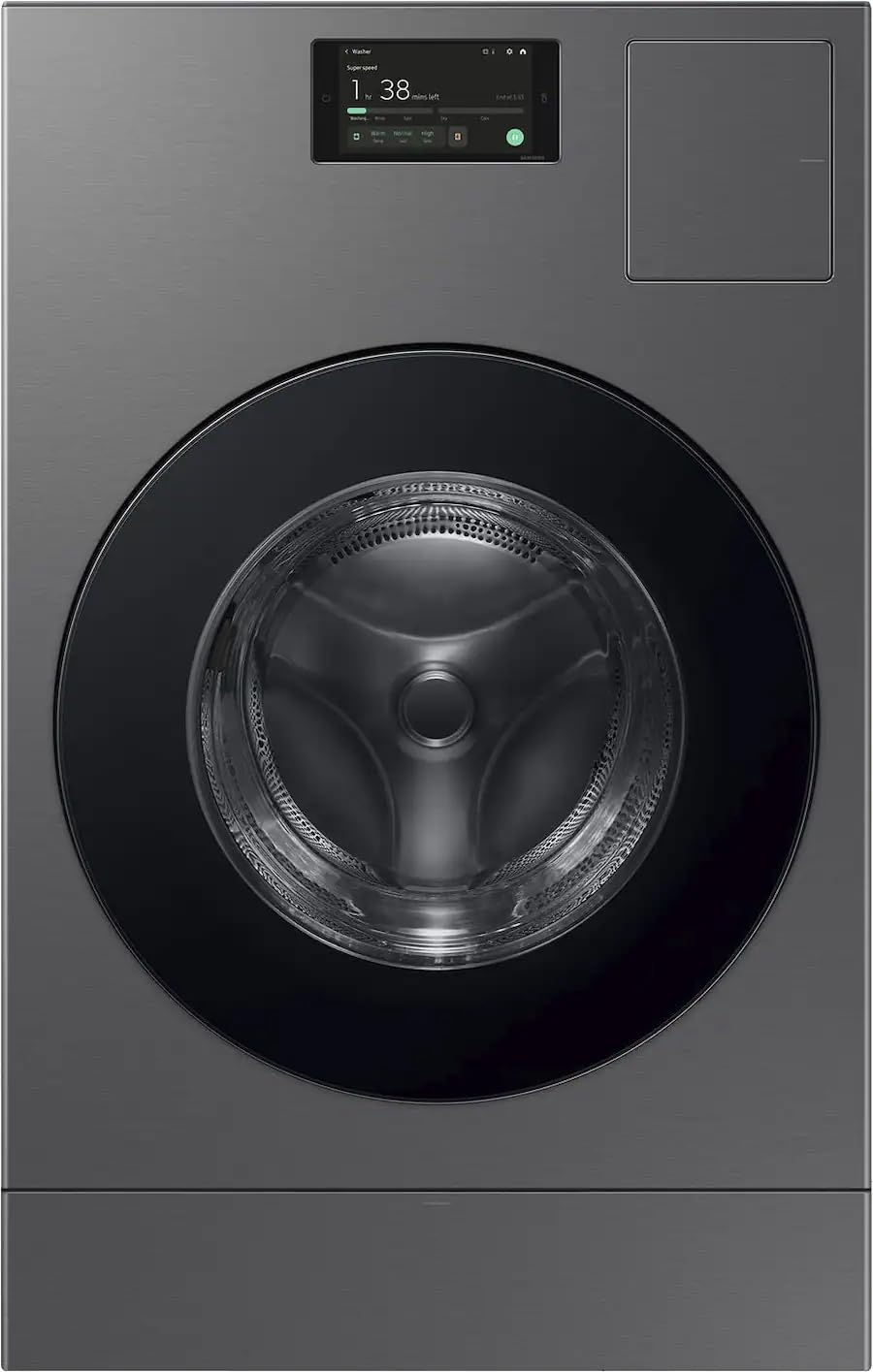


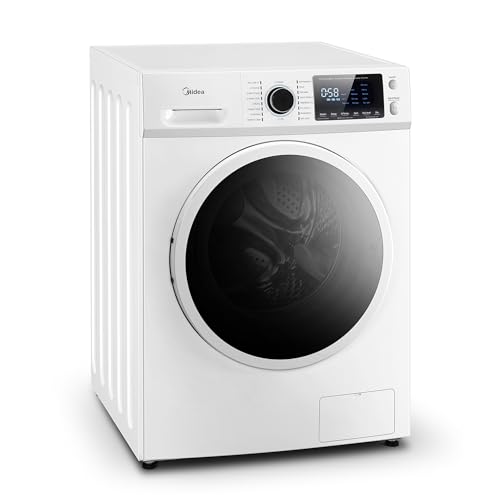
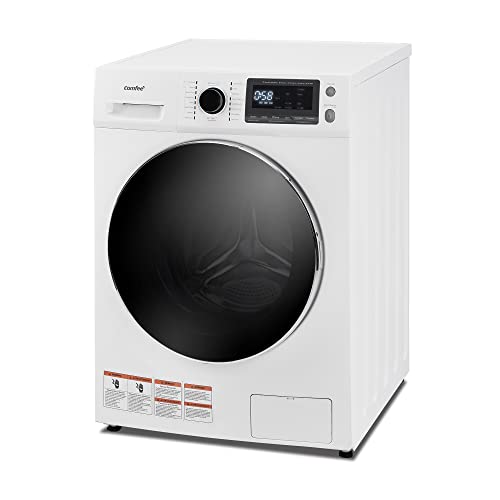

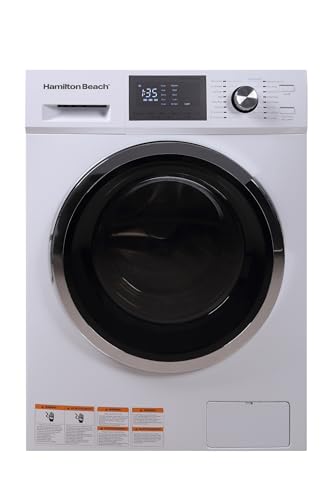
Three Types at a Glance
This guide compares the three types of combo you will actually shop between. Each type suits a different home, budget, and laundry habit, and the right choice depends on your space and your typical load size.
- Full size heat pump models suit most households, with roomy drums, gentle drying, and no venting needed.
- Compact condenser models suit tight spaces and smaller budgets, with narrower cabinets and simpler controls.
- Large capacity smart models suit bigger households that want app control, auto dosing, and the largest drums available in a combo.
Three Types of All in One Combos to Consider
Full Size Heat Pump Models: The Balanced Choice
A full size heat pump combo is about 27 inches wide and offers the largest wash capacity you can get without moving up to the premium smart type. It dries by recycling warm air inside a closed loop, which treats fabrics gently and uses less energy than a condenser model of similar size. For a household of three or four people, this type handles daily laundry, towels, and most bedding without constant splitting of loads.
The main trade off is cycle length. A full wash and dry program can run for several hours, so this type rewards people who start a load and get on with their day. Highlights include strong cleaning, low running costs for a combo, and a standard footprint that fits a laundry closet or a kitchen run designed for full size appliances.
Compact Condenser Models: The Lower Cost Choice
A compact condenser combo is usually about 24 inches wide and fits under a standard kitchen counter or inside a small closet. It dries by condensing moisture from the air into water that drains away or collects in a tank you empty by hand. Capacity is smaller, often around half of what a full size drum holds, so it suits one or two people who wash little and often.
This is the type to choose when space matters more than speed or load size. Controls tend to be simple dials and a few program buttons, which many buyers prefer. The trade off is that condenser drying runs hotter and can use more energy per load than heat pump drying, and small drums mean bulky items like a thick comforter may need a laundromat trip instead.
Large Capacity Smart Models: The Upgrade Choice
The largest smart combos pair a generous drum with connected features such as app scheduling, cycle downloads, and detergent dispensers that dose each load for you. Some can sense load weight and adjust water and time to match. For larger households, the bigger drum is the real draw, because fewer split loads means the long combo cycle matters less in daily life.
Expect to pay the most for this type, and expect the extra electronics to add things that can fail over time. Highlights include the best drying results in the combo category, quiet operation for a large machine, and helpful alerts when a cycle ends or a filter needs attention. Choose it when you want one machine to replace a full size pair as closely as possible.
How We Chose These Types
We grouped current all in one combos by type using the factors that change ownership the most: capacity, drying performance, ease of use, cleaning access, noise, safety features, and warranty cover. Our sources are manufacturer specifications and manuals, plus patterns in verified buyer reviews, such as repeated comments about cycle length, vibration, and lint build up.
How to Choose the Right Washer Dryer Combo
The sections below walk through the decisions in the order that matters, starting with the space you have and ending with what to spend.
Size and Form Factor
Combos come in three broad footprints. Compact models at about 24 inches wide fit apartments, RVs, and closets, and some portable versions connect to a faucet and roll away after use. Full size models at about 27 inches wide match the footprint of a standard washer and suit family laundry. Measure your space before anything else, including the path the machine takes through doorways and halls on delivery day. A unit that fits the closet but cannot turn the corner into the room is a costly mistake, so compare the cabinet depth and the packaged dimensions against your narrowest doorway.
Type and Drying Method
Nearly every all in one combo sold for home use is front load and ventless, and the drying method is what separates them. Condenser models pass hot air over the load and condense the moisture into water. Heat pump models reuse that heat in a loop, drying at lower temperatures with less energy. A small number of vented combos exist, but they need an outside vent and give up the main reason most people buy this format. If vent free running is your top priority, our guide to the best ventless washer dryer combo explains the options in more depth. Smart features, found on pricier types, add scheduling and alerts but never change how the drum itself washes or dries.
Power and Energy Use
Many compact combos plug into a standard 120 volt outlet, which makes them easy to place where no laundry wiring exists. Most full size models need a 240 volt circuit, so check your panel and outlet before you order. Heat pump types use the least electricity per load, while condenser types use more, and both use far less water than older top load washers. Look for Energy Star certification when you compare running costs, and remember that a longer cycle at low power can still use less energy overall than a short hot one.
Safety Features and Certifications
Choose a combo that carries a UL or ETL listing, which shows an independent safety body has checked its electrical and fire safety. A door lock that stays engaged while the drum is hot protects children and pets, and leak sensors with an automatic water shutoff limit damage if a hose fails. Load sensing that pauses a badly unbalanced spin is worth having in an upstairs install, where vibration travels through the floor. Place the machine on a level, solid surface, and keep the area around it clear so the door can open fully and air can move around the cabinet.
Placement Space and Dimensions
Leave a little clearance behind the unit for the water hoses, the drain hose, and the power cord, and check that the drain point sits within reach of the hose supplied. The door needs room to swing wide open so you can load bulky items without fighting it. Ground floor and concrete slab installs handle spin vibration best. On wood floors, a firm, level base reduces noise and movement, and anti vibration pads can help.
How Much Should You Spend?
Most combos fall under $3000, and each step up buys capacity, a better drying method, or smarter controls rather than faster cycles.
- Under $700: small portable and compact condenser models for one or two people, with basic programs and manual lint care.
- Under $1000: larger compact models with more programs, better displays, and delay start timers.
- Under $1500: full size condenser and entry heat pump models that suit small families.
- Under $2000: full size heat pump models with stronger drying, quieter spins, and longer warranties.
- Under $3000: the largest smart models with auto dosing, app control, and premium finishes.
All in One Combos Compared With Other Setups
An all in one combo gives you laundry in a single footprint, with no vent to cut and no load to transfer between machines. You can start a load before work and come home to clothes that are washed and dried. Against that, a combo washes or dries only one load at a time, total cycle times are longer, and the drying capacity is lower than the washing capacity, so a full wash load often needs splitting before it will dry well.
A separate pair or a stacked unit runs a wash and a dry load at the same time, which suits large families with constant laundry. If floor space is your only constraint and you can vent or stack, our roundup of the best stacked washer dryer combo models covers that route. For a fuller side by side comparison of the two formats, read washer dryer combo vs stackable before you commit. The combo wins on space and simplicity, and loses on throughput.
FAQ
What is the best all in one washer dryer combo?
For most homes it is a full size heat pump model, because it balances capacity, gentle drying, and running cost in a standard footprint. One point buyers often miss is that wash capacity and dry capacity are rated separately, and the dry rating is always the smaller number. Match the dry rating to your typical load, not the wash rating, and the machine will feel far less slow in daily use.
Are all in one washer dryer combos worth it?
They are worth it when space or venting rules out a separate pair, or when you value an unattended load over raw speed. The habit that makes ownership pleasant is running smaller loads more often, ideally on a schedule you set and forget. Our walkthrough of how to use a washer dryer combo shows how load size and program choice change results far more than any single feature does.
How long does a washer dryer combo last?
Lifespan depends on load size, water hardness, and how well the lint path and seals are maintained, and one machine doing two jobs wears its parts on every cycle. A useful planning signal is the warranty: brands that cover the motor for much longer than the rest of the machine are telling you which part they expect to outlast the others. Register the warranty when the unit arrives, because proof of purchase is often required for later claims.
How do you clean a washer dryer combo?
Clean the lint filter or condenser area on the schedule in your manual, wipe the door seal dry after the last load of the day, and run the tub clean program with no laundry in the drum. Combos move a lot of lint into places a separate dryer would catch in its filter, so this routine matters more here. The step by step version, including descaling in hard water areas, is in our guide to how to clean a washer dryer combo.
What is the most reliable washer dryer combo brand?
No single brand is most reliable for every home, because reliability in practice depends on the local service network and parts supply near you. Before you buy, check which brands have authorized repairers in your area and how long common parts such as pumps and control boards stay available. A model with a slightly weaker spec sheet but fast local service will usually cost you less downtime over its life than a feature rich model with no nearby support.
Final Thoughts
Start with your space, then pick the type: compact condenser for tight spots and small budgets, full size heat pump for most households, and large smart models when you want the closest match to a separate pair. Check the product table above against your measurements and your dry load size before you order. Chosen that way, the best all in one washer dryer combo is simply the one whose drum, drying method, and cycle length fit the way you already do laundry.