
Best All-Clad Saute Pan in 2026: Buying Guide by Size and Build
Disclosure: We may earn a commission when you buy through links on this page, at no extra cost to you. As an Amazon Associate I earn from qualifying purchases. Learn more

The best all-clad saute pan fits your household and storage. Compare stainless, copper core and nonstick builds.
Picture a weeknight dinner in a real home kitchen. Chicken thighs are browning in one pan, a sauce will go into the same pan, and the cabinet that has to store that pan is already full. That is where the best all-clad saute pan for your home becomes a question of fit, not specs. The right choice depends on how many people you feed, how much storage you have, and how you actually cook.
This guide walks through the lineup by household size, kitchen space, daily routine, and total cost of ownership. It compares construction types instead of pushing specific models, so you can match a pan to your home with confidence. Start with the product table, then use the checklist that follows to narrow your size and type.


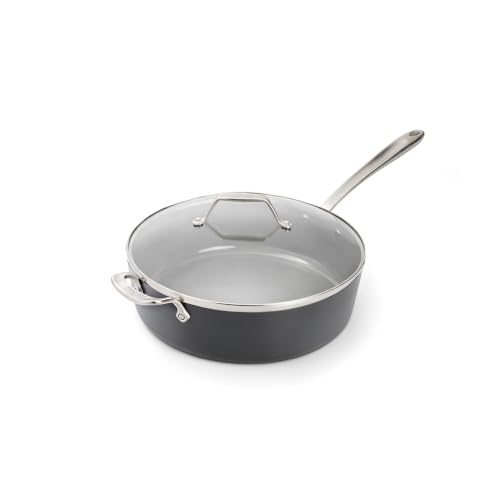
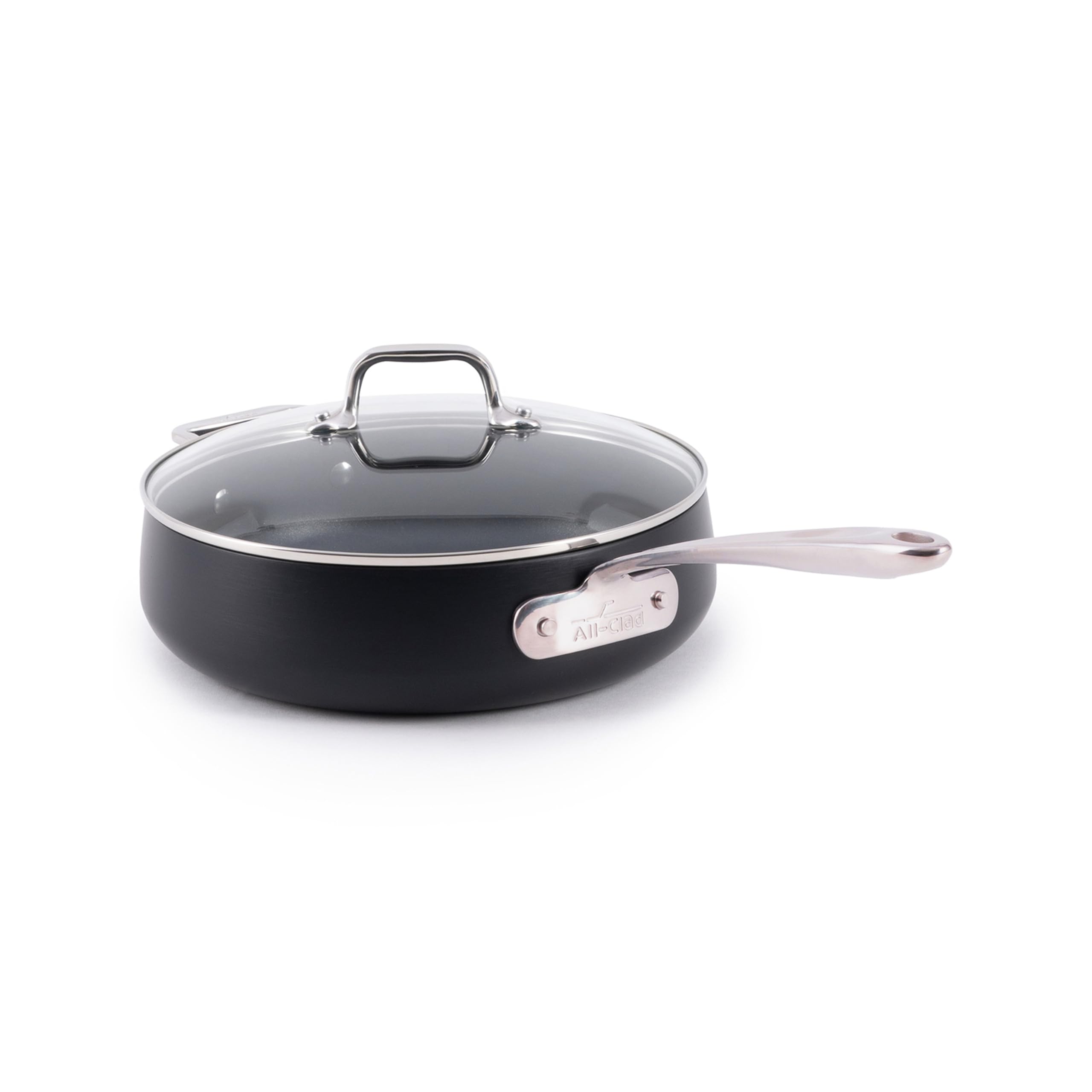

Quick Answer: The Short Version
If you want one pan that handles most family dinners, a mid size fully clad stainless steel saute pan in the 4 quart range is the safest default. Smaller households usually live happier with a 3 quart pan that heats fast and stores easily. If you cook eggs or fish most mornings, treat a nonstick clad pan as a second, gentler tool rather than your main pan.
Before You Buy: A Quick Checklist for Choosing a Saute Pan
Size: Match It to Your Space
Capacity drives everything else. A 3 quart pan suits one or two people, side dishes, and reheating with room to stir. A 4 quart pan is the family workhorse for four servings, one pan pasta, or chicken pieces plus sauce. At 5 to 6 quarts you gain batch cooking room, but the pan gets heavy when full and demands a wide burner and a deep cabinet.
Diameter matters as much as volume. A family size pan often spans about 12 inches, so check that your largest burner supports the base and that the long handle clears your counter and cabinet doors. Readers comparing diameters can see our guide to the best 12 inch saute pan. If you are torn between two sizes, our explainer on what size saute pan do i need walks through serving counts in more detail.
Which Type Fits Your Routine
Fully clad stainless steel is the core of this lineup. Layers of metal run from base to rim, so the sides cook as evenly as the bottom, and the bare steel surface builds the browned fond that makes pan sauces taste rich. It rewards cooks who preheat the pan and manage heat actively. Nonstick versions trade that searing power for easy release, and they make sense for eggs, delicate fish, and low fat cooking where food would otherwise cling.
Other materials set a useful contrast. A best ceramic saute pan offers a slick surface without a traditional nonstick coating, though the coating tends to lose its release sooner. A best cast iron saute pan holds heat like a bank vault and costs less, but it is far heavier and needs seasoning care.
Features Worth Paying For, and Ones to Skip
A fitted lid earns its keep because saute pans do so much covered simmering, and a steel lid tolerates oven heat better than most glass. A helper handle opposite the long handle is close to essential on 4 quart and larger pans, since a full load of stew is a two hand lift. Skip paying extra for decorative finishes or bundled extras you will never use.
Is It Non Toxic?
The cooking surface question is simple here. Bare stainless steel contains no applied coating, so there is nothing to flake, peel, or wear into your food, and it stays that way for the life of the pan. The nonstick models in the lineup do use a PTFE based coating, which is a PFAS family material. If your goal is to avoid that category entirely, choose the stainless versions, or look at ceramic coated and cast iron pans, which take different approaches to release.
Induction, Gas, and Glass Top Compatibility
Most current stainless pans from this brand carry a magnetic exterior layer, which makes them work on induction as well as gas and electric glass tops. Still, confirm the listing for the exact size you want, because older and specialty pieces vary. On gas, match the flame to the base so heat does not lick up the sides and discolor the walls. On a glass top, lift the pan instead of sliding it, since a heavy clad base dragged across the surface can leave marks.
Oven Safe Temperature and Handles
Oven limits differ by construction, so treat the number printed for your specific pan as the rule. Stainless versions generally tolerate higher oven and broiler heat than nonstick versions, whose coatings degrade faster at high temperatures. Lids can carry a lower limit than the pan body. The long handle will get hot during stovetop cooking, so keep a dry towel or mitt by the stove and build the habit of grabbing the handle with it every time.
Realistic Budget Ranges
Set expectations before you shop, because this brand sits in the premium tier. Full size stainless models commonly land at about $100 to $250, and copper core or extra large pieces can go over $250. You will rarely find a new full size pan from this brand under $50, so a listing far below that range deserves a careful authenticity check. Nonstick versions often cost a little less up front, but budget for eventual replacement, since no coating lasts as long as bare steel.
The Lineup Explained: Three Construction Types Compared
Model names change, but the lineup really divides into three construction families. Understanding what each family does in a home kitchen matters more than memorizing a model number, because the best all-clad saute pan for you is the family that matches your habits, with the size picked from the checklist above.
Fully Clad Stainless: The Default for Most Homes
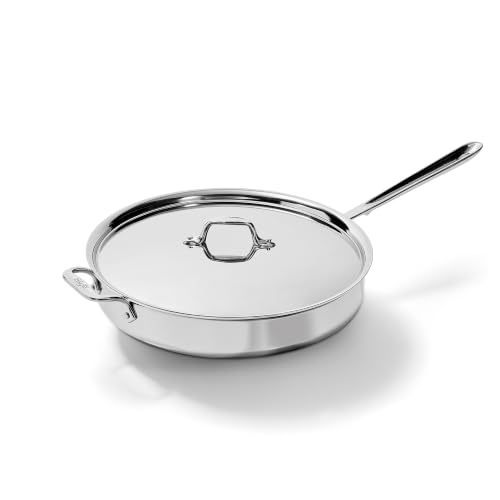
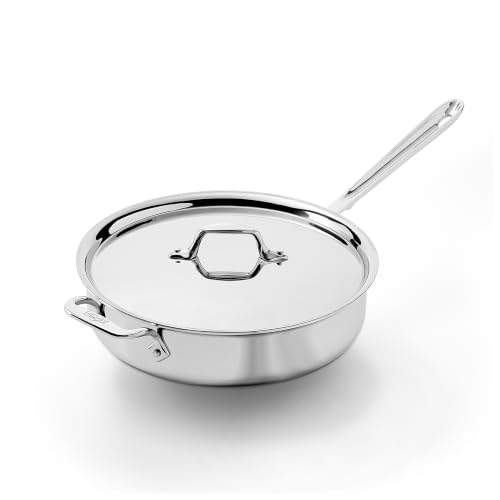
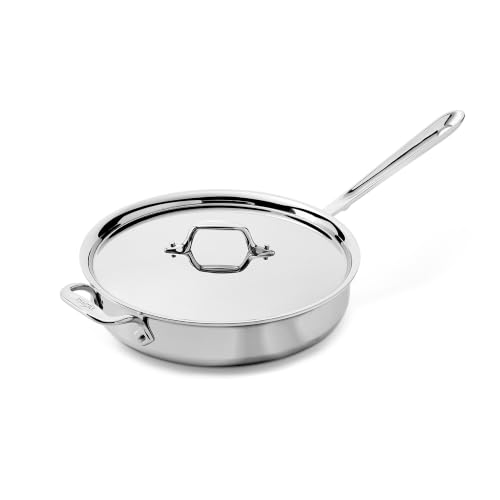
This is the classic three layer build, with an aluminum core bonded between stainless steel inside and out. It heats evenly, responds well when you lower the flame, and handles acidic sauces like tomato without reacting. The honest trade off is food sticking when the pan is too cold or crowded, which is a technique issue more than a defect. For a household buying one pan to keep, this family is where to start.
Extra Layers and Copper Core: The Upgrade Path
Higher tier versions add more bonded layers or swap in a copper core. Copper moves heat faster than aluminum, so the pan reacts almost immediately when you adjust the burner, which confident cooks love for sauces and seafood. The costs are real, though. These pans weigh more, cost more, and the speed advantage barely shows in slow braises or covered simmering. Buy this family because you enjoy responsive cooking, not because weeknight soup demands it.
Nonstick Clad: For Gentle, Low Heat Cooking
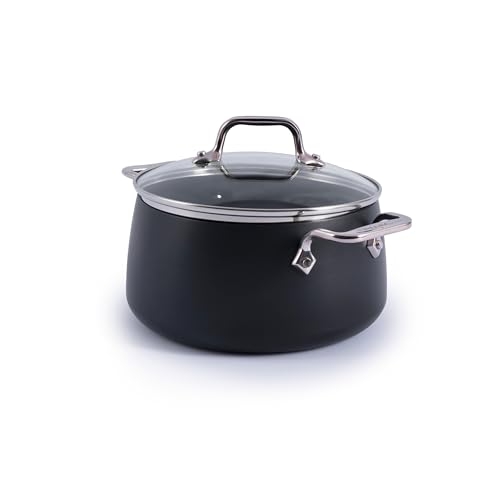
Nonstick versions keep the same clad body but add a coated cooking surface. Eggs slide out, fish releases without tearing, and cleanup takes seconds, which is why busy households keep reaching for them on weekday mornings. The limits shape how you should own one. Keep heat at low to medium, skip the broiler, and expect the coating to fade after years of steady use even with careful handling. Think of this family as a comfort purchase with a service life, while stainless remains the permanent resident of your stove.
Common Buying Mistakes to Avoid
- Buying a 6 quart pan for a two person home, then avoiding it because the full weight hurts your wrist and it will not fit your cabinet.
- Ignoring handle length, so the pan fits the burner but the handle blocks a drawer or hangs over a walkway in a small kitchen.
- Paying for copper core speed when nearly all your cooking is covered simmering, where response time makes no difference.
- Choosing nonstick as your only pan, then searing steaks at high heat and shortening the coating life within the first year.
- Assuming dishwasher safe means dishwasher wise, and letting harsh detergents dull the finish and bake residue onto the exterior.
Cost of Ownership and Care
A stainless clad pan asks for almost nothing beyond washing, which keeps its lifetime cost close to its purchase price. Wash it in warm soapy water, dry it to prevent water spots, and lift white mineral film or rainbow tint with a splash of vinegar on a cloth. Avoid pouring cold water into a screaming hot pan, since the sudden temperature shock can warp even a thick base over time. Store pans with a cloth or paper towel between stacked pieces to protect the cooking surface.
Nonstick ownership carries a different ledger. You save effort at the sink but should plan on replacement once release fades, and you will want soft utensils and storage that keeps other pans from scraping the coating. Across both types, there are no filters, pads, or liners to buy, and warranty coverage for defects in materials is a genuine part of the value at this price level.
Your Questions, Answered
Which All-Clad saute pan should I buy?
Start with the one dish you cook every week. If it is a saucy skillet dinner for four, the 4 quart stainless model fits. If it is eggs for one, a smaller nonstick pan serves you better. Let that single recurring meal pick your size and surface, then let your budget choose the layer count. This approach beats comparing spec sheets, because it ties the purchase to a meal you already know you will cook.
Is All-Clad a good saute pan brand?
Yes, for buyers who value consistency across a whole cookware set. Handles, lids, and wall heights feel familiar from piece to piece, so a pan you add later still matches what you own. Replacement lids and matching pieces stay available for years, which protects your earlier spending.
How long does a saute pan last?
A stainless clad pan can stay in daily service for decades, because the cooking surface is solid metal rather than a coating. The realistic early end for such a pan is warping caused by repeated thermal shock, not wear. Nonstick versions live on a shorter clock set by the coating, so judge them by years of easy release rather than permanence. Handles and rivets rarely limit lifespan on well made clad pans.
How do you clean a saute pan?
While the pan is still warm but not hot, add a cup of water and let it sit for a few minutes. The water loosens the browned layer on the bottom, a step cooks call deglazing, so most residue wipes away without hard scrubbing. Then wash normally and dry right away. This warm soak is gentler than scouring and keeps the surface smooth.
Is a saute pan worth it if I already own a skillet?
It depends on how you cook. A skillet has sloped sides that shed volume, so sauces and braises sit shallow and spill more easily. A saute pan has straight sides and a lid, which hold a full batch of stew or curry at a steady simmer. If your weekly cooking is mostly dry searing, your skillet plus a saucepan may cover you. If one pan saucy meals are your routine, the saute pan earns its storage space quickly.
Final Thoughts
Choosing the best all-clad saute pan comes down to fit: the size your household eats, the surface your routine needs, and the storage your kitchen can spare. For most homes that means a 4 quart fully clad stainless pan, with nonstick as an optional second piece. Compare your shortlist against the product table above before you order. If you want to weigh this brand against every material on the market, our roundup of the best saute pan options is the natural next read.


