
Best All Around Boots in 2026: What Actually Matters Before You Buy
Disclosure: We may earn a commission when you buy through links on this page, at no extra cost to you. As an Amazon Associate I earn from qualifying purchases. Learn more

Choose all around boots by comparing support, waterproofing, sole grip and comfort for work, trails and everyday wear in all seasons. Read this guide first.
The best all around boots keep your feet dry, supported and comfortable across work, walks and everyday wear. No single boot is perfect for every job, so the aim is a balanced pair that handles mud, wet pavement, uneven ground and a full day on your feet without a break-in ordeal.
This guide explains which features matter, how work, hiking and casual boots differ, and how to check fit. Use the product table to compare current options.


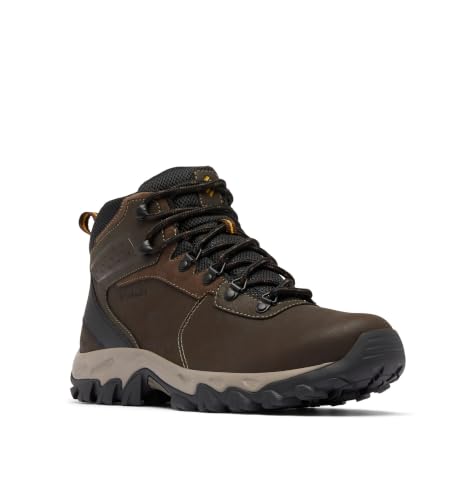


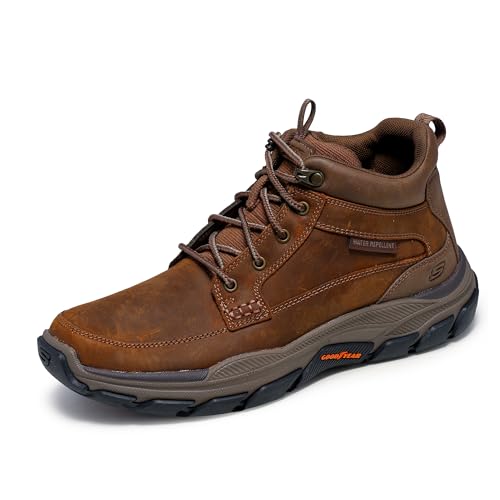
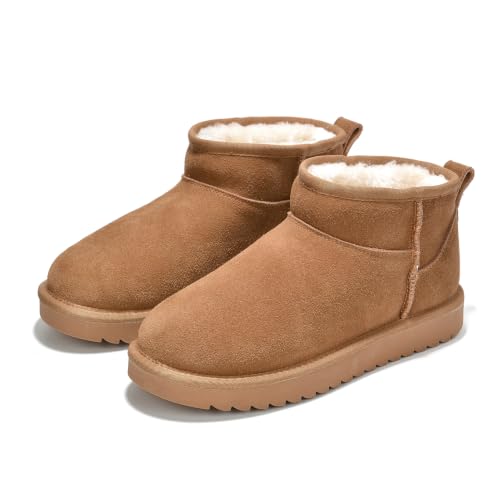
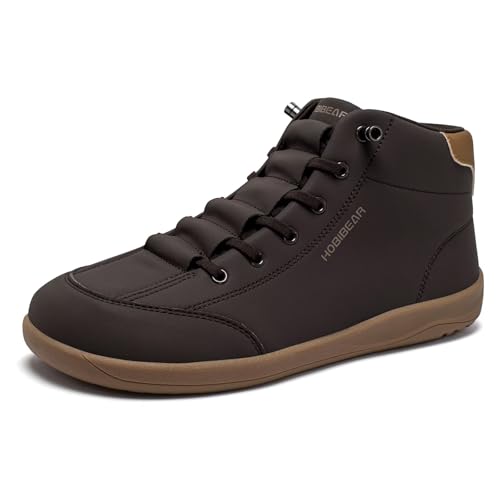
Who Should Buy All Around Boots
These boots suit people who want one pair for yard work, commuting in bad weather, light trails and weekend errands. They also suit anyone who dislikes owning separate boots for each activity.
If your work needs safety toes or electrical hazard ratings, or if you hike long distances with a heavy pack, choose a boot built for that job. See our guides to best all around work boots and best all around hiking boots.
Key Features to Compare
Waterproofing
A waterproof membrane and sealed seams keep feet dry in puddles and wet grass. Membranes breathe less than plain leather, so very hot climates may call for a vented boot.
Support and stability
A firm midsole and a supportive heel counter protect the arch and ankle on uneven ground. The boot should flex at the ball of the foot and resist twisting through the middle.
Traction
Deep, multidirectional lugs grip mud and wet surfaces. Softer rubber grips better on smooth surfaces, while harder rubber lasts longer on rough ground.
Upper materials
Full-grain leather is durable and can be repaired, while suede and synthetic uppers are lighter and break in faster. Check stitching and the bond between the upper and the sole.
Cushioning and weight
Comfortable cushioning matters on concrete and long days. Heavier boots tend to be sturdier, but extra weight tires the legs over distance.
Types of All Around Boots
Work boots
Work boots offer sturdy construction, strong soles and often a protective toe. They suit heavy use but can feel stiff and heavy for casual wear.
Hiking boots
Hiking boots balance cushioning, traction and support for walking and outdoor trips. They are among the most versatile boots for mixed use.
Casual boots
Casual boots suit everyday wear, with a lighter build and a more refined look. They are less suited to mud and rough ground.
Fit and Break-In
Try boots in the afternoon with the socks you will wear. Your heel should stay put when you walk, and your toes should have room to move when walking downhill. Wear new boots for short periods at first, and fit them with your insoles if you use them. Leather boots may take a few weeks to soften.
Care and Value
Brush off dirt, let wet boots dry away from direct heat, and condition leather regularly. Replace laces when frayed, and resole good leather boots when the tread wears down rather than discarding them. A well-made pair that you maintain often costs less per year than cheap boots replaced each season.
Common Mistakes to Avoid
- Choosing a size by your sneaker size without trying the boot.
- Buying waterproof boots for hot, dry climates.
- Ignoring sock thickness when checking fit.
- Drying wet boots next to a heater, which can crack leather.
- Skipping the return policy on footwear.
Stop wearing a boot that causes sharp pain, numbness or blisters that do not settle, and talk with your clinician or podiatrist about foot pain that returns. This guide offers general fit and comfort information only.
Frequently Asked Questions
Are waterproof boots worth it?
For wet climates and outdoor work, yes. In hot weather, a breathable boot may be more comfortable.
How should boots fit?
Snug at the heel and midfoot, with room for the toes. A heel that lifts or toes that hit the front mean the size or shape is wrong.
How long do boots last?
Good boots last several years with care, and leather boots can be resoled. Replace boots when the midsole feels flat or the upper splits.
How much should I spend?
Solid boots often cost between $80 and $200. Pay more for durability and repairability if you wear them daily.
Can I wear hiking boots every day?
Yes, many people do. They are comfortable and grippy, though heavier than casual boots.
Final Thoughts
The best all around boots combine dry feet, stable support and reliable grip in a fit you can wear all day. Compare your shortlist in the product table and check the return terms before you order.
Match the boot to the work and weather you face most, and it will repay you for years.


