
Best All Around Work Boots in 2026: Matching the Right Model to Your Routine
Disclosure: We may earn a commission when you buy through links on this page, at no extra cost to you. As an Amazon Associate I earn from qualifying purchases. Learn more

One pair for many jobs: how to choose the best all around work boots by safety toe, outsole grip, cushioning and waterproofing for long shifts.
A job site, a warehouse floor and a muddy yard ask very different things from a boot, yet many people want one pair that handles all three. The best all around work boots balance protection, grip, comfort and durability, so you can wear them from the first shift of the week to the last. Use the product table above to compare options, then work through the points below.
This guide explains the features that matter on long shifts, how to choose between steel, composite and soft toe styles, and how to avoid the mistakes that leave new boots in the closet after a week.
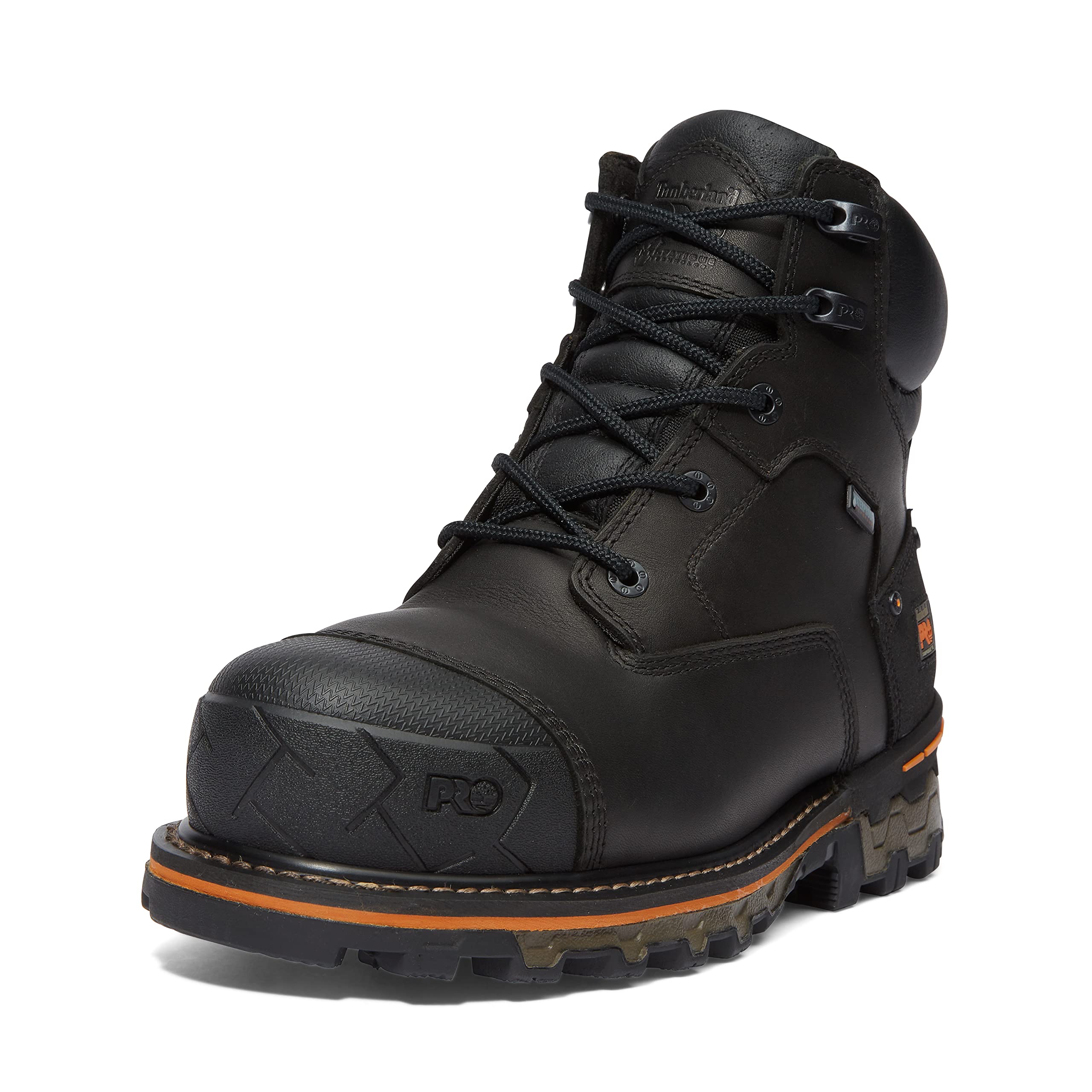


Who Should Buy All Around Work Boots
These boots suit people whose work changes from day to day: general contractors, maintenance staff, landscapers, warehouse workers and tradespeople who move between indoor and outdoor tasks. They also suit weekend project builders who want one reliable pair for the garage, the yard and the occasional job.
If your job needs a specialty rating, such as electrical hazard protection or metatarsal guards, check your employer requirements first. A generalist boot can meet many of them, but the label on the boot must state the rating you need.
Key Features of the Best All Around Work Boots
Safety Toe Type
Steel toe caps are the classic choice for heavy impact protection and usually cost less. Composite toes use fiber or plastic materials, weigh less, do not conduct cold and do not trigger metal detectors. Alloy toes sit in between. Soft toe boots suit lighter duty and offer comfort without a protective cap. Confirm the safety standard on the label if your site requires one.
Outsole Grip
Look for an oil and slip resistant rubber outsole with a tread that clears mud and water. Deep lugs help outdoors, while flatter, wider tread patterns grip better on smooth concrete. An all around boot usually sits between the two with a moderate lug depth.
Upper Material and Waterproofing
Full grain leather resists abrasion and molds to your foot. Synthetic and mesh panels weigh less and dry faster. Waterproof membranes keep socks dry in rain but feel warmer in summer. Choose waterproofing if you work outside in wet weather, and a breathable upper if you work mostly indoors.
Cushioning and Support
Concrete floors punish feet by the end of a shift. Look for a cushioned midsole, a supportive footbed with a shaped arch and a firm heel counter. A removable insole lets you fit your own orthotics.
Weight and Flexibility
Extra weight adds fatigue over thousands of steps. A single boot usually weighs between 1.5 and 3 pounds. Composite toe and lightweight midsoles cut weight, while heavy leather and thick soles add protection and durability.
Types of Work Boots Compared
Steel Toe Boots
Best for heavy industry and construction where falling objects are a concern. They are tough and affordable, but heavier and colder in winter.
Composite Toe Boots
Lighter and warmer, a good fit for sites with metal detectors, cold weather or long walking days.
Soft Toe Boots
Comfortable and flexible, suited to warehouses, trades without impact risk and light outdoor work.
Matching Boots to Your Work Environment
Construction and Heavy Industry
Choose a tall shaft for ankle support, a protective toe, a puncture resistant sole and a rugged lug pattern. Weight matters less here than protection, and leather uppers shrug off sparks and scrapes. Check whether your site requires an electrical hazard rating.
Warehouses and Distribution
Hours on concrete reward cushioning and a flexible forefoot. A lighter composite or soft toe boot with a slip resistant sole usually works better than a heavy steel toe model, and a removable insole lets you adjust support as the shift wears on.
Outdoor Trades and Landscaping
Mud, gravel and wet grass call for deeper lugs, a waterproof membrane and a self cleaning tread. Pick a taller shaft to keep debris out, and choose leather that can be conditioned each season.
Mixed Indoor and Outdoor Work
This is where a true all rounder earns its place. Look for a moderate lug depth, a breathable waterproof lining and a mid height shaft. That combination grips on a wet ramp and still feels comfortable on a polished floor.
Fit and Break In
Shop in the afternoon when feet are larger, and wear the socks you use at work. Leave a thumb width ahead of your longest toe and check that your heel stays put when you walk up a slope. Leather boots need a break in period of one to three weeks, so wear them for a few hours at a time before a full shift.
Care and Lifespan
Brush off dirt after each shift, wipe mud away before it dries and let wet boots air dry away from heaters. Condition leather when it looks pale or stiff. A well kept pair typically lasts one to three years of daily wear, and boots with a stitched welt can often be resoled. Replace boots when the tread is smooth, the midsole feels flat or the upper cracks through.
Price Guide
Basic boots start around $60 to $100 and suit light or occasional use. Between $120 and $200 you get better leather, stronger stitching and more comfortable footbeds. Premium American made boots can cost $250 or more, and many can be resoled, which lowers the cost per year.
Common Mistakes to Avoid
- Buying a safety rating below what your employer requires.
- Choosing a boot that fits in the store but pinches after a few hours on concrete.
- Picking deep lugs for smooth indoor floors, which reduces grip.
- Wearing worn soles on slick floors, where grip loss causes falls.
Foot pain, numbness or swelling that does not settle after rest deserves attention from a doctor or podiatrist, not a bigger insole.
Related Guides
For a wider view, see our guides to the best work boots, the best men's work boots and the best inserts for work boots.
Frequently Asked Questions
Are steel toe or composite toe boots better?
Steel is stronger for its thickness and usually cheaper. Composite is lighter and does not conduct heat or cold. Both can meet the same safety standards, so choose by weight, climate and site rules.
How should work boots fit?
Snug at the heel and midfoot, with room for your toes to spread and about a thumb width in front of the longest toe.
How long do work boots last?
Most last one to three years of daily wear, depending on the surface, the upper material and how well you care for them.
Do I need waterproof work boots?
Only if you work in wet conditions. A waterproof membrane keeps feet dry but slows drying and feels warmer in heat.
Can I use my own insoles?
Yes, if the boot has a removable footbed. Fit the boot with the insole in place, because a thicker insole can make the toe box tight.
Final Thoughts
Match the toe type and tread to your real tasks, make sure the fit is right and check the safety rating before you order. Done that way, the best all around work boots become the pair you reach for every morning. Compare your shortlist in the product table above and give the new boots a patient break in.


