
Best All Around Hiking Boots 2026 Buying Guide for Trails
Disclosure: We may earn a commission when you buy through links on this page, at no extra cost to you. As an Amazon Associate I earn from qualifying purchases. Learn more

Find all around hiking boots for mixed trails with guidance on fit, ankle support, waterproofing, grip, break in time, and weight for comfortable days outdoors.
An all round hiking boot has a harder job than a specialist boot, because it must handle mud, rock, dust, and stream crossings in the same week. The best all around hiking boots therefore balance ankle support, grip, weather protection, and weight, without leaning so far toward one terrain that they fail on another. The comparison table below shows the range, and this guide explains how to judge each pair.
Fit matters more than brand or price for hiking boots. A boot that pinches your toes on a descent or slips at the heel on a climb will ruin a walk no matter how good its materials are. Try boots in the afternoon when feet are slightly swollen, wear your hiking socks, and walk on an incline if the shop offers one.
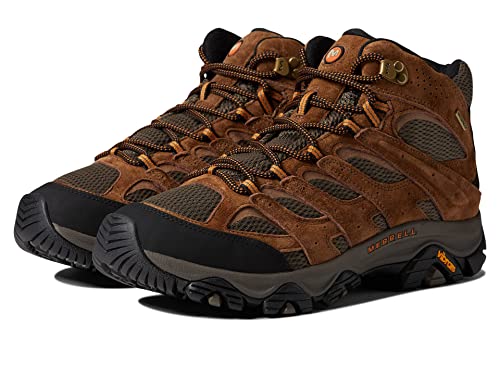

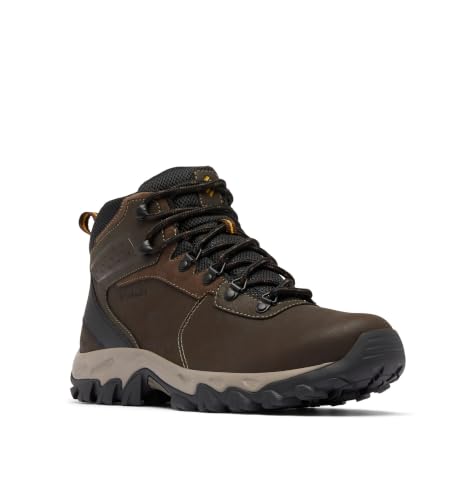


Who Should Buy All Around Hiking Boots
For Weekend Walkers
Weekend walkers on marked trails need comfort, reliable grip, and weather protection more than extreme durability. A mid cut boot with a cushioned midsole and a grippy outsole covers most day walks well. Break them in with a few short walks before a long day, and pay attention to heel slip and toe room on descents.
For Multi Day Hikers
Multi day hikers carrying a pack need stiffer support and a more durable upper, because tired feet and heavier loads punish soft boots. Look for a supportive midsole, a protective toe cap, and a last that matches your foot shape. Test the boots with a loaded pack on varied ground before committing to a long trip.
For Mixed Terrain Explorers
If your routes mix forest paths, rocky ridges, and wet ground, prioritise versatile grip and a waterproof membrane you can trust. Deep lugs shed mud, while a slightly softer rubber compound grips rock better. Accept that no single outsole is perfect everywhere, and choose the compound that matches the terrain you meet most often.
Key Features to Compare
Fit, Sizing, and Toe Box
Measure both feet in the afternoon and fit to the larger foot. Your toes should not touch the front on a downhill slope, and your heel should stay put without the laces strangling your foot. A roomy toe box lets toes spread on long descents, which reduces blisters and black toenails. If you use insoles or orthotics, fit the boots with them in place.
Ankle Support and Cut Height
Mid cut boots support the ankle on uneven ground without the stiffness of a full mountaineering boot. Low cut shoes suit smooth trails and fast walkers, but they leave ankles exposed on rocky terrain. Consider your ankle history honestly: if you have twisted an ankle before, the extra support of a mid cut boot is worth its weight.
Waterproofing and Breathability
Waterproof membranes keep rain and stream splashes out, but they also trap heat on warm days. In wet climates and on boggy trails, waterproofing is usually worth the trade off. In hot, dry conditions, a breathable non waterproof boot with quick drying socks may keep feet more comfortable. Treat waterproof boots as water resistant in practice, since water can still enter over the collar.
Outsole Grip and Midsole Cushioning
Lug depth and pattern decide grip on mud and loose gravel, while rubber softness decides grip on rock. A cushioned midsole absorbs impact on long descents, but very soft foam can feel unstable on side slopes. Look for a midsole that still feels supportive after an hour of walking, not just in the first five minutes in a shop.
Mistakes to Avoid
Buying Boots Too Small
Hiking boots that fit like street shoes usually prove too small on the trail, because feet swell and slide forward on descents. Leave about a thumb width of space in front of your longest toe when standing, and test on a slope. Tight boots cause blisters, lost toenails, and numb toes, all of which are avoidable with careful fitting.
Skipping the Break In
Even comfortable boots need a few shorter walks to soften the upper and reveal pressure points. A brand new pair on a long hike is a common cause of blisters, especially around the heel and ankle bones. Wear them around the house, then on short local walks, before trusting them on a full day out.
A Final Check Before You Order
Walk Before You Commit
Wear your hiking socks and any insoles, lace the boots properly, and walk up and down stairs or a slope. Check for heel lift, toe contact, and pressure over the ankle bones. If anything pinches or rubs in the shop, it will almost certainly hurt more after ten miles. The product table above helps you compare, but your feet should make the final decision.
Making the Most of Your Choice
Foot Care on Long Walks
Tape known hot spots before they blister, and carry a small blister kit even on day walks, since early treatment prevents a minor rub from ending a walk. Change socks at lunch on long days, because dry socks reduce friction and keep feet warmer in cold weather. At the end of a walk, air your boots fully before storing them, and remove insoles to speed drying and reduce odour.
Cleaning and Reproofing
Brush mud off boots after every walk, since dried mud stiffens leather and fabric and hides damage. Wash with lukewarm water and a soft brush, then dry naturally away from radiators, which crack leather and weaken adhesives. Reproof waterproof boots when water stops beading on the surface, following the proofing product instructions for your boot material, and test on a short wet walk before trusting them on a long one.
Resoling and Retirement
A good pair of boots can often be resoled when the tread wears thin, provided the upper and midsole remain sound, which extends life and saves money. Ask a cobbler whether your boots suit resoling, since cemented lightweight boots may not. Retire boots when the midsole collapses, the upper splits at flex points, or waterproofing fails despite cleaning and reproofing, because worn boots change your gait and invite injury.
Before You Buy: A Quick Recap
Choosing Socks and Insoles
Socks and insoles change boot fit as much as the boots themselves, so finalise them before judging a pair. Merino or synthetic hiking socks wick moisture and cushion heels, while cotton socks stay damp and invite blisters. Aftermarket insoles can improve arch support and heel cushioning, but they also change internal volume, so fit boots with the exact socks and insoles you will hike in.
Seasonal Boot Care
Winter salt and summer dust both damage boots if left uncleaned, so wash boots after harsh conditions and dry them naturally before storage. Store boots in a cool, dry place with shoe trees or crumpled paper holding their shape, away from direct heat that cracks leather. A little seasonal care keeps waterproofing effective and extends the life of a good pair noticeably.
For a related option, our guide to best hiking shoes looks at how that choice compares for everyday use and value.
You may also find our guide to best all around boots helpful, since it covers a closely related option with different strengths.
If you want to compare a neighbouring option, see our guide to best hiking boots for men for practical differences worth knowing.
A related choice worth a look is covered in our guide to best ladies hiking boots, which explains where it fits best.
For more on a similar option, our guide to best waterproofing for hiking boots sets out the key trade offs in plain terms.
Frequently Asked Questions
Should hiking boots be waterproof?
Waterproof boots suit wet climates, boggy trails, and stream crossings, where keeping water out matters most. In hot and dry conditions, waterproof membranes trap heat and sweat, so a breathable boot may feel better. Remember that no boot stays dry if water flows in over the collar, so pair waterproof boots with gaiters in deep mud or snow.
How much break in time do hiking boots need?
Modern fabric and leather boots usually need a few short walks rather than weeks of suffering. Wear them around the house first, then on walks of increasing length, watching for heel rub and pressure points. Stiffer leather boots take longer to soften, so start earlier and carry blister care on the first longer outings.
Are mid cut boots better than low cut shoes?
Mid cut boots give more ankle support and debris protection on rough and uneven ground, which suits most all round hikers. Low cut shoes are lighter and cooler and suit smooth trails and fast walkers with strong ankles. If you carry a heavy pack or have a history of ankle twists, the support of a mid cut boot is usually worth the extra weight.
What socks should I wear with hiking boots?
Moisture wicking hiking socks in merino wool or synthetic blends reduce blisters far better than cotton, which stays damp. Choose a cushion level that matches your boot fit, since thick socks change the fit significantly. Always fit and break in boots wearing the socks you will hike in, and carry a spare pair on longer walks.
When should I replace hiking boots?
Replace boots when the outsole tread is worn smooth, the midsole feels collapsed, or the waterproofing no longer works despite cleaning and reproofing. Creaking, persistent leaks, and uneven wear that changes your gait are also warning signs. Most regular hikers get a few seasons from a good pair, depending on mileage and terrain.
Final Thoughts
The best all around hiking boots are the ones that fit your feet, suit your usual terrain, and stay comfortable from the first mile to the last. Use the product table above to compare candidates, then judge fit on a slope, grip on varied ground, and comfort after a proper break in. Boots chosen this way will carry you happily across far more trails than boots chosen on looks or brand alone.


