
Best All Purpose Boots: A Full Buying Guide for 2026
Disclosure: We may earn a commission when you buy through links on this page, at no extra cost to you. As an Amazon Associate I earn from qualifying purchases. Learn more

Learn how to choose the best all purpose boots for work, trails and daily wear, with clear tips on fit, traction, waterproofing and all day comfort.
One pair of boots rarely does everything perfectly, but a well chosen pair can cover far more of your week than most people expect. The best all purpose boots handle job sites, muddy trails, wet sidewalks and long days on your feet without forcing you to own three pairs. The trick is matching the boot to your actual mix of tasks.
This guide walks through fit, waterproofing, traction and cushioning in plain terms, so you can judge any pair with confidence. Start with the comparison table below, then narrow your choice by surface, weather and hours of wear.


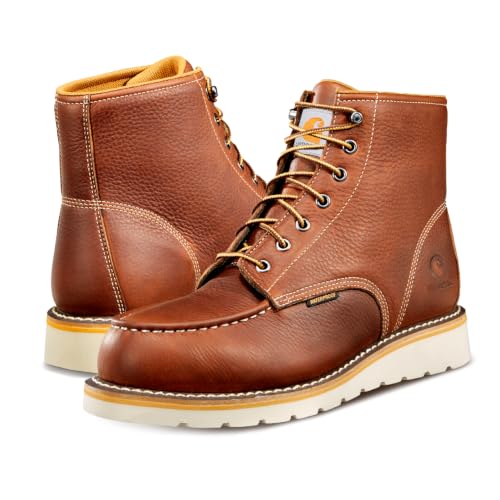
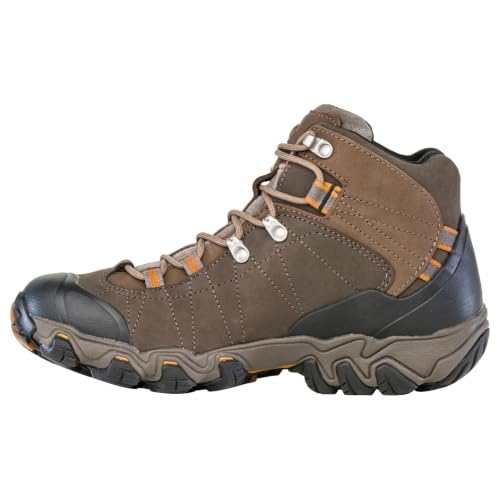


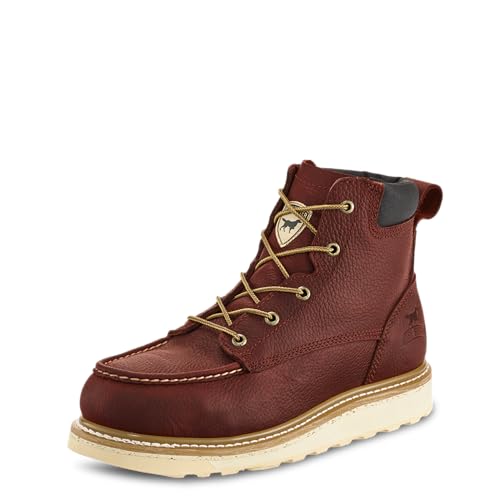
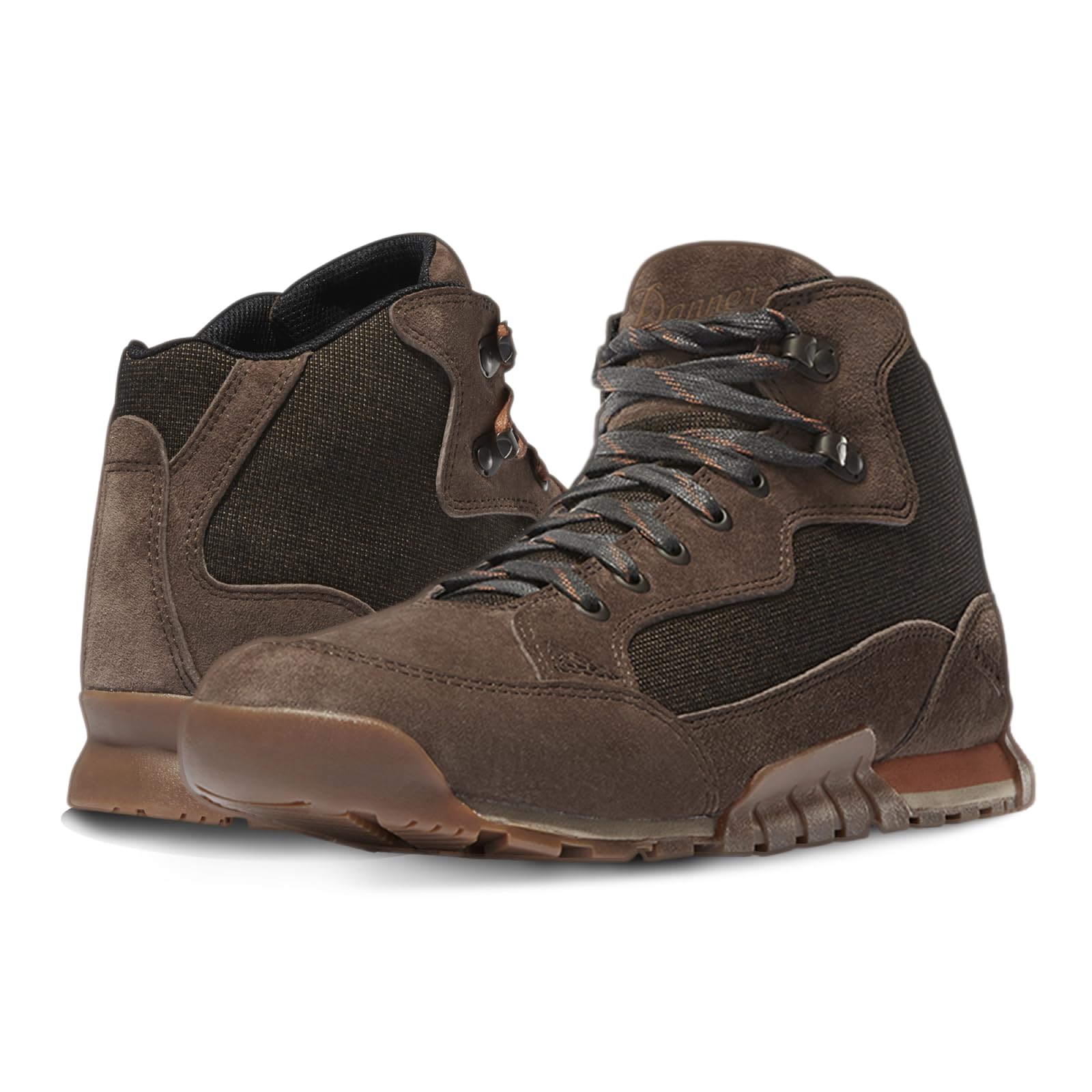

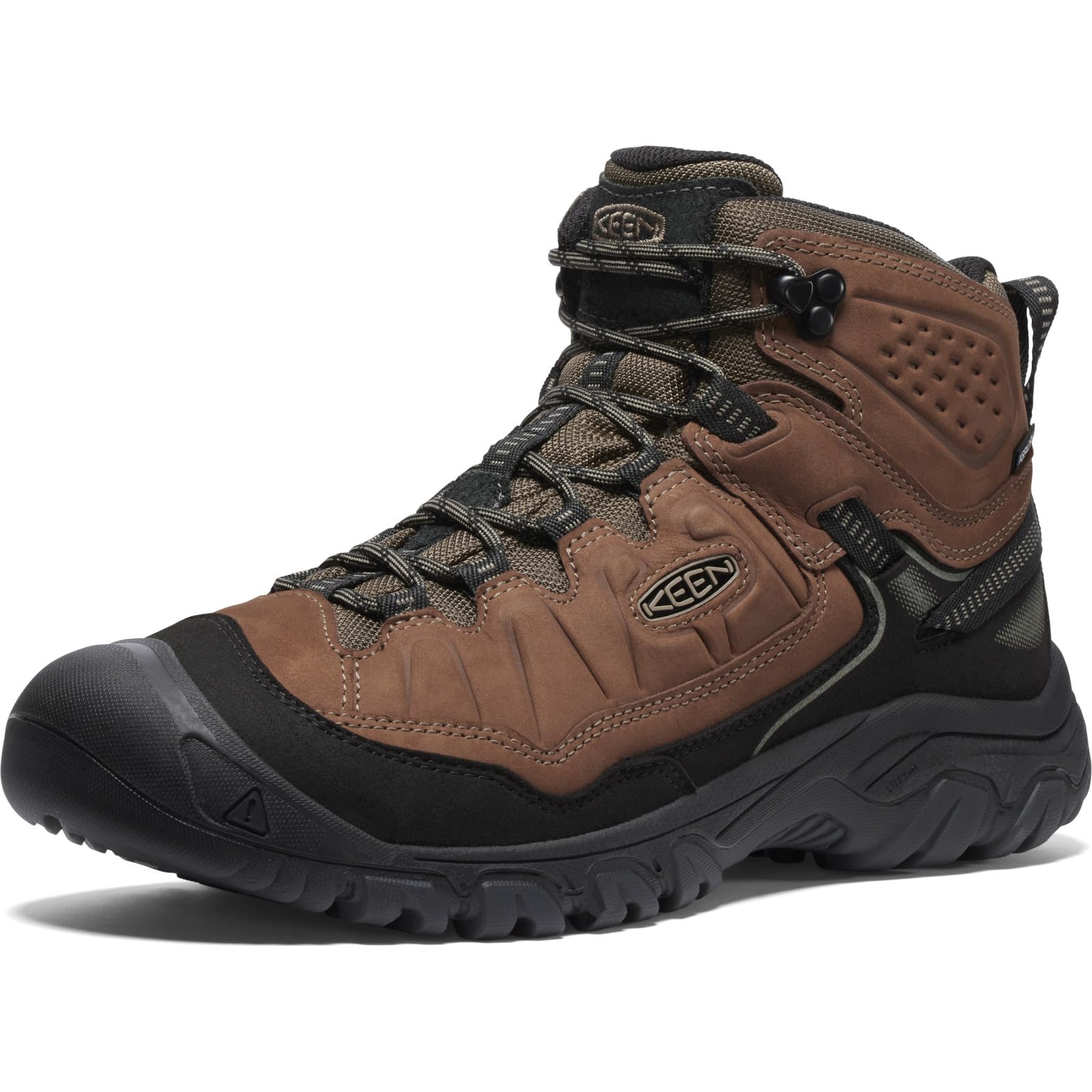
Who Should Buy Which All Purpose Boots?
Start by placing yourself in one of the three groups below. Your group points you toward the shaft height, sole pattern and protection that will feel right most days.
Workers Who Split Time Between Indoors and Outdoors
If your day moves between a warehouse floor, a loading area and outdoor deliveries, you need a boot that grips smooth concrete yet still sheds mud outside. Look for a mid height shaft, a cushioned midsole and mixed lug shapes. A leather or coated upper resists scuffs from pallets and tools. Choose a safety toe only if your employer requires one, since it adds weight you will feel by shift end.
Hikers Who Want One Pair for Trails and Travel
If most of your miles are on maintained trails, gravel paths and town streets, a lighter boot will serve you better than a stiff mountain model. Prioritize a flexible sole, a roomy fit for swelling on descents and an upper that dries fast after rain. Try boots with the socks planned for trips, since small fit issues grow over a full day.
Homeowners Tackling Yard, Barn and Weekend Jobs
For mowing, splitting wood, clearing brush and hauling materials, you need durability more than trail speed. A taller shaft protects your ankles in ruts or brush, and a thicker outsole resists punctures from nails and thorns. Waterproofing earns its keep here because wet grass and mud are part of the routine. Pick an upper you can rinse off after muddy jobs.
Key Features to Compare
Read each factor below against your own routine, since the best all purpose boots for a delivery driver and a weekend hiker differ mainly in these details.
Fit, Sizing and Toe Box Shape
Fit decides everything else, so measure both feet late in the day when they are at their largest and shop with your usual socks. Your toes need room to spread on descents, which means a toe box that is wide at the front without letting your heel lift. Aim for about a thumb width of space ahead of the longest toe. If one foot is larger, fit that foot and use lacing to fine tune the smaller side.
Waterproofing, Gore Tex and Breathability
A waterproof membrane such as Gore Tex keeps rain and puddle water out, and it suits boots that face wet grass, snow melt or muddy yards most weeks. The trade off is airflow, because the same layer also slows the escape of sweat vapor. In hot and dry regions, a breathable mesh or unlined leather upper often feels better and dries faster. If wet conditions show up only a few times a year, treat a non waterproof pair with a spray instead.
Outsole Traction and Terrain Grip
The outsole is your contact with the ground, and lug depth drives grip more than brand names do. Lugs of about 4 to 5 mm bite into soil and loose trail surfaces, while shallower patterns feel steadier on concrete and shop floors. Softer rubber grips wet rock better but wears faster on pavement, and harder rubber lasts longer with less bite. For a mixed week, choose lugs at the edges and a flatter center.
Underfoot Cushioning for Mixed Work and Trail Days
Cushioning absorbs impact on hard ground, and its value grows with every hour you spend standing on concrete. Arch support matters most when your arches ache by evening, since a shaped insole can spread pressure across the whole foot. Heel to toe drop, the height difference between heel and forefoot, usually runs about 8 to 12 mm in this category. People used to flat shoes may prefer the lower end of that range.
Weight, Flexibility and Ankle Stability
Every extra ounce on your foot costs energy, and heavy boots tire your legs on long walks even when they feel fine standing still. Flexible soles roll naturally on roads and packed trails, while stiffer soles protect your feet on sharp rock and ladder rungs. Shaft height adds stability by limiting ankle roll, yet a tall stiff collar can chafe until it breaks in. Match the build to your roughest regular surface.
Upper Materials and Long Term Durability
Full grain leather uppers resist abrasion, mold to your foot over time and can be conditioned for years, at the cost of more weight and a longer break in period. Synthetic and mesh uppers weigh less and dry faster, but seams wear out sooner under daily scuffing. Check the stitching around the toe and heel, since those zones flex and rub the most. A rubber rand over the toe adds protection in rocky areas.
Types of All Purpose Boots Compared
Most pairs fall into three broad types. Knowing which type fits your climate and surfaces saves you from paying for protection you will never use.
Lightweight Trail Style Boots
These boots borrow their shape from hiking footwear, with flexible soles, padded collars and uppers that mix synthetic panels with suede or leather. They suit day hikes, travel and light duty work where comfort over distance matters most. Their limits show up around sharp debris and deep mud.
Leather Work and Field Boots
Built with thicker leather, taller shafts and firmer soles, this type handles job sites, farms and rough ground where durability leads the list. You trade extra weight and a longer break in period for uppers that shrug off scuffs and soles that resist punctures. For anyone who wears one pair hard all week, this type is usually the most economical.
Waterproof Boots for Wet Climates
These boots pair a sealed membrane with a gusseted tongue that keeps water from entering at the laces. They make sense for rainy regions, wet yards and trails with slush or standing water. In warm weather they run hot, so many owners rotate them with a breathable pair through summer.
Common Mistakes to Avoid
- Buying your regular shoe size without measuring, which leaves toes cramped once feet swell during long days.
- Choosing deep lugs for mostly indoor floors, which makes the boot feel unstable and wears tread down fast.
- Paying for waterproofing in a dry climate, which traps sweat and makes feet hotter on every shift.
- Judging comfort in the first five minutes, which hides pressure points that appear after an hour of walking.
- Ignoring your sock choice, which changes fit enough to cause blisters and heel slip.
- Wearing a new pair on the longest day of your month, which invites soreness before the upper has softened.
Care and Maintenance for All Purpose Boots
A few simple habits keep one pair working across seasons for far longer.
- Brush off dirt after muddy use and let boots air dry away from direct heat, since high heat cracks leather and weakens glues.
- Condition leather uppers every few months, or sooner when the surface looks pale and dry, to keep the material supple.
- Rotate two pairs if you wear boots daily, giving the cushioning a full day to recover between wears.
- On rest days, give your feet a break in lighter footwear such as the best all purpose sandals while your boots dry fully.
- Check laces, eyelets and tread depth each season, and replace worn laces before they snap during a workday.
Frequently Asked Questions
How long is the break in period for all purpose boots?
Most all purpose boots feel settled after about 10 to 20 hours of wear spread over one to two weeks. Start with short errands and half shifts, then add distance as hot spots fade. Leather work styles sit at the longer end of that range, while synthetic trail styles often feel fine within a few outings. Wear new boots at home first, where you can swap them out early.
Can I wear all purpose boots all day?
Yes, all purpose boots are built for full days, provided the fit and cushioning match your feet. Standing on concrete for eight or more hours is the hardest test, and a supportive insole helps most there. Change your socks at midday if your feet sweat heavily, since dry socks cut friction. If you develop sharp heel pain, numbness or swelling that does not ease overnight, talk with a clinician about your personal needs.
Are expensive all purpose boots worth the extra cost?
Higher prices usually buy thicker leather, better stitching and soles that can sometimes be replaced, and those gains matter if you wear boots daily. Occasional users often get the same comfort from a mid priced pair around $100 to $180. Spend first on fit and the right sole. A costly boot in the wrong size is still the wrong boot.
Do I need waterproof all purpose boots?
You need waterproof all purpose boots only if wet ground is a regular part of your week. Occasional rain on pavement can be handled with a treated leather upper and spare dry socks. One factor many buyers miss is dew, since an hour in wet morning grass soaks a non waterproof boot as fully as rain does. If your work starts early outdoors, that detail alone can justify the membrane.
How should all purpose boots fit?
All purpose boots should feel snug at the heel and midfoot, with clear space ahead of your toes and no pinching across the front. Lace firmly from the middle upward to lock the heel, then check that your toes never touch the front on an incline. Try a wide fitting if the forefoot feels squeezed while the heel still moves.
The Bottom Line
Start with honest fit, then match traction and waterproofing to the surfaces and weather you face most weeks. When those points line up, the best all purpose boots disappear on your feet and simply get the day done. Compare your shortlist against the product table above before you decide.


