
Best All Around Binoculars 2026 Buying Guide for Every Use
Disclosure: We may earn a commission when you buy through links on this page, at no extra cost to you. As an Amazon Associate I earn from qualifying purchases. Learn more

Learn how to pick all around binoculars for birding, hiking, sports, and travel, with advice on magnification, brightness, eye relief, and carrying comfort.
There is no single pair that wins for every person, which is why choosing the best all around binoculars means matching the optics to how you will actually use them. A birdwatcher at dawn needs brightness, a hiker needs light weight, and a sports fan needs a wide view that follows fast action. The comparison table below is a useful starting point, and this guide explains the trade offs behind it.
All around binoculars aim for balance: enough magnification to bring distant subjects close, enough brightness for dim light, and a size you will actually carry. Push too far in any one direction and you pay elsewhere, with heavier weight, a narrower view, or a dimmer image. The goal is a pair you reach for often, not one that stays home because it is awkward to carry.


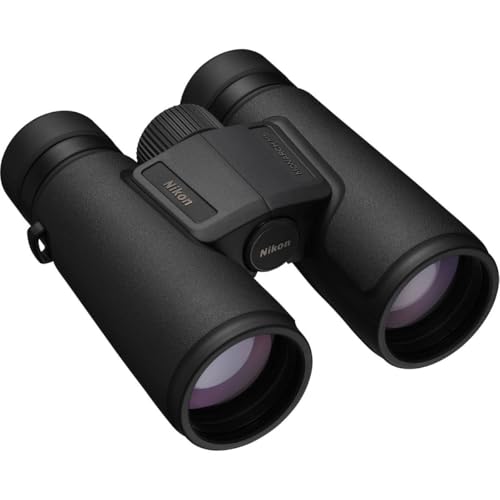

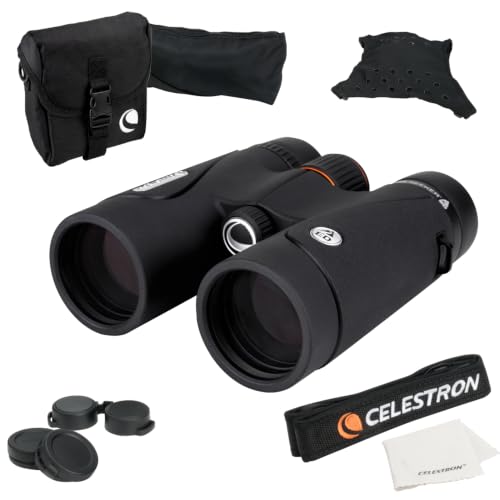


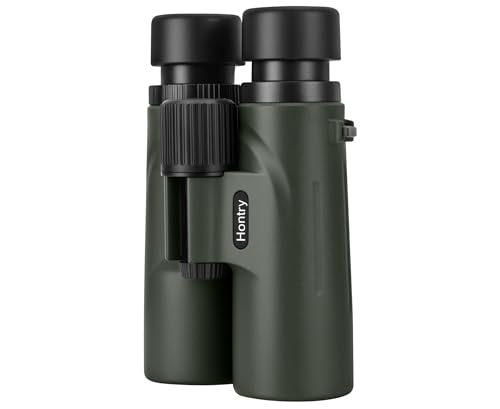

Who Should Buy Which Binoculars
For Birdwatchers and Nature Lovers
Birdwatching rewards brightness, close focus, and a steady image. A magnification around 8 times suits most birders because it gives a bright, stable view with a forgiving field of view. Look for good close focus if you also enjoy butterflies and nearby birds, and for eye relief that works with glasses if you wear them.
For Hikers and Travellers
Hikers need binoculars that disappear into a pack until needed. Compact models save weight and space, but very small models can feel fiddly and dim in forest shade. A mid size pair often strikes the best balance, especially with a comfortable strap and a case that protects the lenses without adding bulk.
For Sports and Events
Sports viewing needs a wide field of view so you can follow play without constantly searching. Lower magnification, around 7 or 8 times, usually tracks action better than high magnification, which narrows the view and shakes more. Water resistance matters for outdoor stadiums, and a robust build survives being passed around.
Key Features to Compare
Magnification and Objective Lens
The two numbers in a model name, such as 8x42, tell you magnification and objective lens diameter. Higher magnification brings subjects closer but narrows the view and magnifies hand shake. A larger objective lens gathers more light, which helps at dawn and dusk, but it also adds size and weight. For all round use, 8x42 is a popular balance of brightness, stability, and carry weight.
Brightness and Low Light Performance
Brightness depends on objective size, glass quality, and coatings, not on magnification alone. The exit pupil, roughly the objective size divided by magnification, gives a rough guide: a larger exit pupil suits dim light better. Fully multi coated lenses reduce glare and improve contrast, which matters more in real use than a small difference in stated magnification.
Eye Relief, Focus, and Comfort
Eye relief is the distance from the eyepiece to your eye at which you see the full image. Glasses wearers need longer eye relief, and twist up eyecups help everyone find a comfortable position. A smooth central focus wheel lets you shift quickly from a near bird to a distant ridge, and a diopter adjustment corrects for differences between your two eyes.
Durability and Weather Sealing
Nitrogen purged, waterproof models resist internal fogging when temperatures change, which matters on cold mornings and wet hikes. Rubber armour protects against knocks and improves grip in rain. Check the warranty and service reputation too, because binoculars are a long term purchase that may need adjustment after years of use.
Mistakes to Avoid
Chasing Maximum Magnification
Ten or twelve times magnification sounds impressive, but it narrows the view, dims the image, and shakes visibly in hand. Unless you plan to use a tripod or rest your elbows, higher magnification often makes viewing harder, not better. Most all round buyers are happier with 8 times magnification and a brighter, steadier image.
Forgetting to Try Them With Glasses
If you wear glasses, eye relief decides whether you see the full field of view or a tunnel. Always test with your glasses on, twist the eyecups to the right position, and check that the focus wheel falls naturally under your finger. A pair that feels perfect without glasses can disappoint the moment you put them on.
A Final Check Before You Order
Test in Real Light
If you can, try binoculars outdoors in dim light as well as bright sun, and focus on both near and distant subjects. Check the weight on a neck strap for a few minutes, not just in the hand, and confirm the case fits your bag. The product table above will help you compare options, but comfort and brightness in your own hands should make the final call.
Making the Most of Your Choice
Carrying Comfort on Long Days
A neck strap distributes weight, but a harness style strap spreads it across shoulders and keeps binoculars from swinging while you walk. Adjust the strap so the binoculars sit at chest height, where they are quick to raise and do not bang against rocks or fences. A rain guard over the eyepieces protects lenses during showers, and a soft case prevents scratches when the binoculars ride in a pack with other gear.
Cleaning Lenses Without Scratching Them
Blow loose dust off lenses before touching them, since grit dragged across glass causes scratches that no coating can repair. Use a soft lens cloth or lens pen with light pressure, and avoid household glass cleaners, which can damage coatings. Keep lens caps on whenever the binoculars are not in use, and store them in a cool, dry place rather than a hot car, where heat and humidity encourage internal fogging.
Practising Steady Viewing
Steady viewing improves with technique as much as with optics: brace your elbows against your body, lean against a tree or fence where possible, and breathe out slowly before studying a distant subject. For prolonged watching, rest the binoculars on a beanbag, a fence post, or a monopod, which removes shake entirely. Regular short practice sessions build the habit of finding subjects quickly, which matters more in the field than any specification.
For a related option, our guide to best binoculars for birdwatching looks at how that choice compares for everyday use and value.
You may also find our guide to best binoculars birding helpful, since it covers a closely related option with different strengths.
Frequently Asked Questions
What magnification is best for all round use?
Eight times magnification suits most all round buyers because it balances closeness, brightness, and stability. Seven times gives an even steadier and brighter view, which helps in low light and for tracking movement. Ten times brings subjects closer but narrows the view and shakes more, so it suits steadier hands or tripod use rather than general carrying.
Are bigger objective lenses always better?
Bigger objective lenses gather more light, which helps at dawn, dusk, and in shade. They also add size and weight, which can discourage you from carrying the binoculars at all. A 42 mm objective is a common all round compromise, while 32 mm suits travellers who prioritise light weight and 50 mm suits dedicated low light use.
Do I need waterproof binoculars?
Waterproof and fogproof binoculars are worth the extra cost if you hike, birdwatch, or attend outdoor events in changeable weather. Sealed, nitrogen purged models resist internal fogging when moving between cold air and warm rooms. If your binoculars live indoors and only see fair weather, water resistance is less important than comfort and optical quality.
How do I choose binoculars if I wear glasses?
Look for long eye relief, usually around 15 mm or more, and twist up eyecups that adjust to your glasses. Test the binoculars while wearing your glasses and check that you can see the full circular field without dark edges. Some models also offer a diopter adjustment that helps if your two eyes need different corrections.
What does fully multi coated mean?
Fully multi coated means every air to glass lens surface carries multiple anti reflection coatings. These coatings reduce glare, improve light transmission, and increase contrast, especially in tricky light. It is one of the most reliable signs of decent optical quality, and it matters more in daily use than many headline specifications.
Final Thoughts
The best all around binoculars are the pair that balances magnification, brightness, and weight for the way you actually spend time outdoors. Use the product table above to narrow the field, then favour comfort, eye relief, and low light performance over headline magnification. A pair you carry happily and see clearly through will serve you far better than a technically impressive pair left at home.


