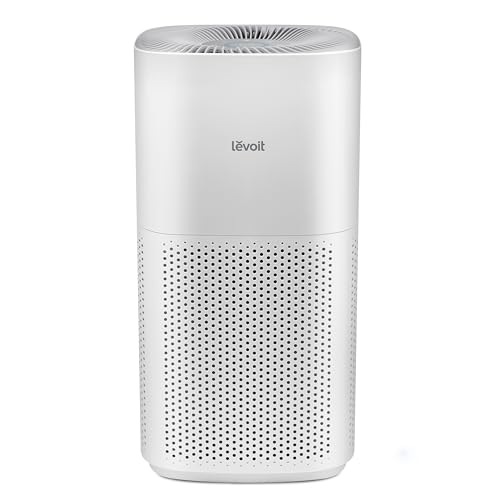
Best Air Purifiers Wildfire Smoke: Buying Guide for 2026
Disclosure: We may earn a commission when you buy through links on this page, at no extra cost to you. As an Amazon Associate I earn from qualifying purchases. Learn more

Compare air purifiers for wildfire smoke by CADR, True HEPA and carbon depth, room size, noise and filter cost to choose the right unit for your home.
Wildfire smoke can drift far, slip under doors, and leave indoor air hazy for days. The best air purifiers wildfire smoke can lower fine particle levels in a closed room, cut the stale smell, and make sleep and work more comfortable. This guide shows you how to judge cleaning speed, filtration, and running cost before you use the comparison table below.
Smoke mixes tiny particles and gases, so a unit built only for dust or pollen may disappoint you. Look for strong particle removal plus a deep bed of activated carbon, and size the unit for the room where you spend the most hours.


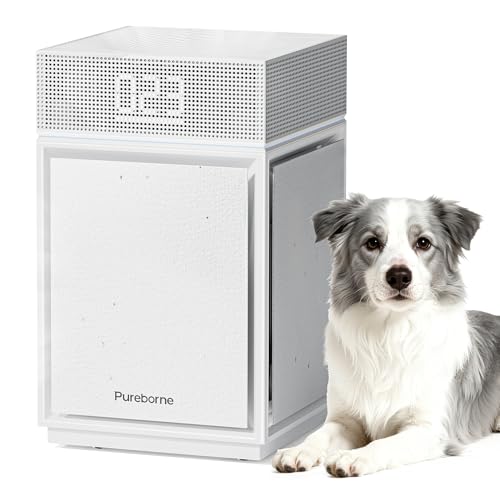


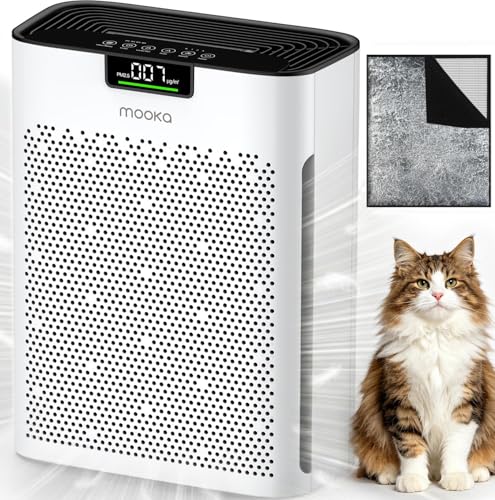
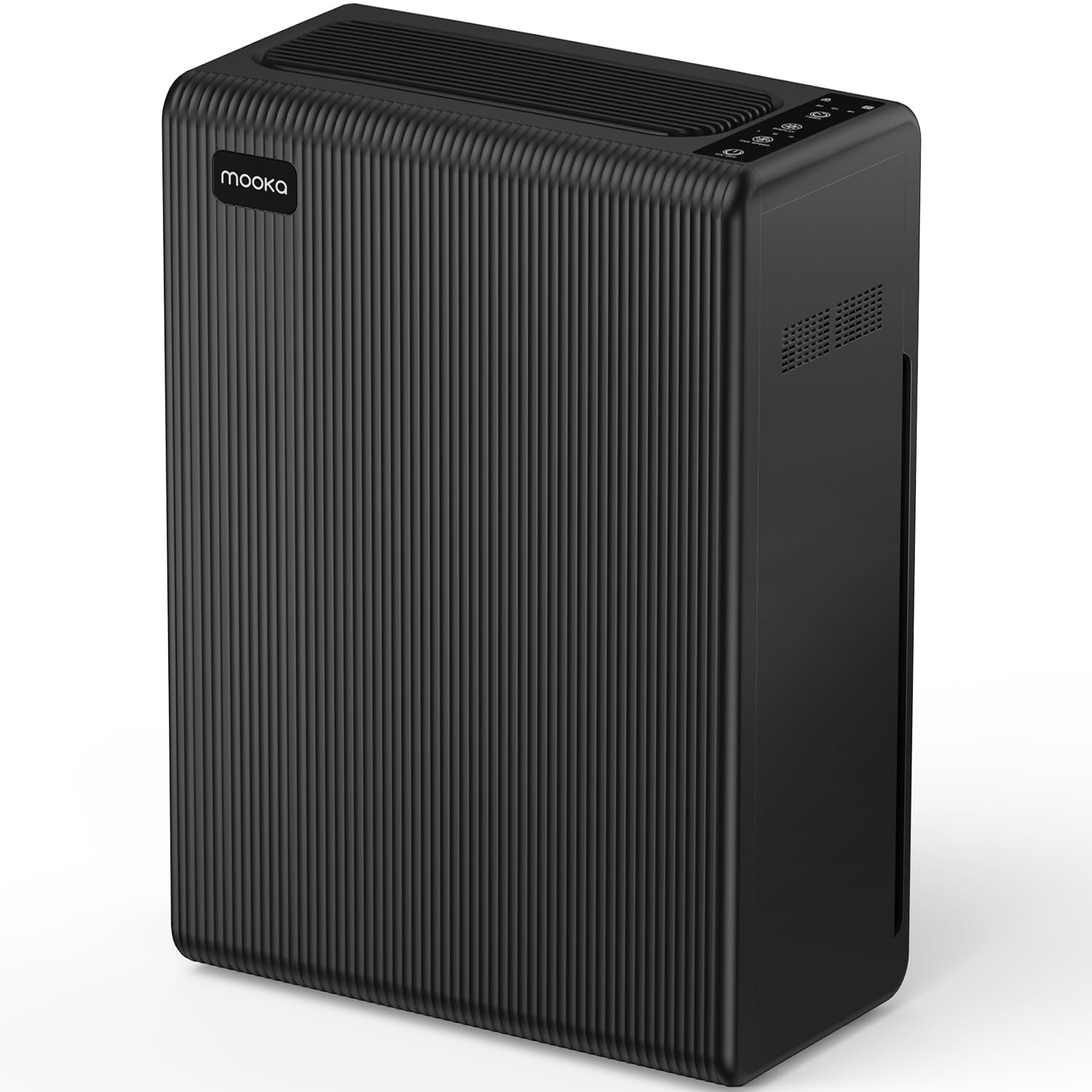

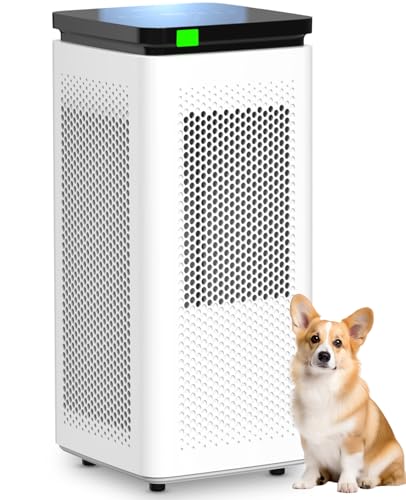

Who Should Buy an Air Purifier for Wildfire Smoke?
Your exposure, home layout, and health concerns decide how much cleaning power you need. Match the groups below to your situation before you compare ratings.
Households in Fire Prone Regions
You may face several smoke events each season, sometimes with little warning. Choose a unit with enough power for your main living room and keep spare filters on hand. A second smaller unit for the bedroom often helps more than one oversized unit you must move each night.
People With Asthma, Allergies, or Breathing Concerns
Fine smoke particles can irritate airways, eyes, and sinuses, and children and older adults can be more sensitive to poor air. Choose True HEPA filtration and run the unit in the bedroom first. If you have chest pain, severe wheezing, lips that look blue, or trouble breathing, seek medical care at once rather than relying on a purifier, and talk with your clinician about personal needs and an action plan for smoke days.
Apartment Renters and People in Smaller Homes
You cannot change the building shell or seal every gap around windows and doors. A compact unit sized for your bedroom, paired with towels or removable seals at the worst gaps, can still create one cleaner room to sleep in. Check the noise rating closely, because the unit will sit close to your bed.
Key Features to Compare
Compare cleaning speed first, then filtration for gases, then cost and noise. When you shop for the best air purifiers wildfire smoke can demand, those checks matter more than extra app features. For broader background, see our guide to the best air cleaners and purifiers for how the main categories differ.
Smoke CADR and Air Changes Per Hour
CADR is the clean air delivery rate, and the smoke rating is the number to use here. A higher smoke CADR cleans a room faster, which matters when outdoor air keeps leaking in. Guidance for smoke often points to about four to five air changes per hour. AHAM publishes verified ratings, so prefer a unit whose smoke CADR suits a room a little larger than yours, keeping cleaning strong on a quieter speed.
True HEPA Filtration for Fine Particles
True HEPA media captures at least 99.97 percent of particles at 0.3 microns, and smoke carries many particles near that size. This is the core defense against the part of smoke that reaches deep into the lungs. Terms such as HEPA type or HEPA style do not promise the same capture rate, so read the rating carefully. A washable outer prefilter catches hair and large dust, helping the main filter last longer.
Activated Carbon Depth for Gases and Odor
HEPA media does not remove gases, and smoke odor comes largely from gases that pass through a particle filter. Activated carbon adsorbs many of those compounds, and the amount matters more than a thin coated sheet. A deep carbon bed, often measured in pounds, works longer before the smell returns. During heavy smoke, even good carbon can saturate in weeks. If odor returns while particle readings stay low, replace the carbon stage.
Room Size, Placement, and Airflow Path
Place the unit in the room you use most, away from walls and furniture, with intake and outlet clear. Most makers suggest about 6 to 12 inches of clearance, and corners block airflow. Keep doors and windows in that room closed, and clean one room at a time rather than expecting one unit to handle a whole open floor. For a closer comparison, see our guide to the best air purifiers for wildfires.
Smart Sensor, Auto Mode, and Air Quality Display
A particle sensor raises fan speed when smoke drifts in, then slows the fan when the room clears. That response helps at night, when you cannot adjust settings by hand. Look for a display that shows particle levels or a simple color scale. App control is useful, but a clear sensor and a reliable auto mode do more for smoke protection.
Noise Level, Energy Use, and Filter Cost
You will run the unit for long stretches, so noise and power use shape daily life. Many units draw about 30 to 90 watts on high and far less on low, and ENERGY STAR certified models use less power for the cleaning they deliver. Check noise at the speed you will sleep on, not only the quietest setting. Add up filter costs for a year, because a low price can pair with costly filter sets. For odor focused options, see our guide to the best smoke removal air purifiers.
Types of Air Purifiers for Wildfire Smoke
Size is the main split here. Pick the type that fits the room you plan to protect most, and remember that one unit cleans one enclosed space well.
Small Room Units for Bedrooms and Nurseries
Small room units suit spaces up to about 200 square feet and sit easily on a dresser or the floor. They cost less and use smaller filters, but they must run on higher speeds during dense smoke. They fit renters and a child room where a quiet night setting matters most.
Portable Units You Can Move Room to Room
Portable units add handles or wheels and cover midsize rooms, so you can clean the living room by day and the bedroom at night. Moving one unit works when your time splits cleanly between two rooms, but not when several people need clean air in different rooms at once. For larger options, see our guide to the best home air purifiers for smoke.
Large Room and Whole Home Units
Large units carry higher CADR ratings, bigger filters, and heavier carbon beds, and they suit living rooms and open plan spaces. They cost more and take more floor space, but they can stay quieter while cleaning fast. Duct based whole home systems exist as well, though they need the fan running.
Common Mistakes to Avoid
- Buying by room size alone without checking the smoke CADR leaves the unit too slow as smoke leaks in.
- Choosing a thin carbon sheet for heavy smoke lets odor return within days once the carbon saturates.
- Running the unit with windows open in the same room wastes its cleaning on outdoor air that keeps entering.
- Placing the unit in a corner or behind furniture blocks the intake and cuts the cleaning you paid for.
- Waiting until smoke arrives to order filters means you may face empty shelves and long shipping delays.
- Trusting an ionizer or ozone feature adds a lung irritant without removing particles.
Care and Maintenance for Air Purifiers Used in Smoke
Vacuum or rinse the outer prefilter as the maker directs, often every two to four weeks during smoke season, because a clogged first stage starves the fan. Never wash a True HEPA or carbon filter unless the maker allows it, because water ruins both media. Wipe the sensor lens with a dry cotton swab when readings look erratic.
Track filter life by hours of smoke use rather than by the calendar, since one bad week can load a filter like months of dust. Store spares sealed in a cool and dry place so the carbon does not adsorb odors on the shelf. Replace filters sooner if airflow drops or a sour smell persists.
FAQ
Where should an air purifier sit during a wildfire smoke event?
An air purifier should sit in the room you occupy most, on the floor, with clear space around the intake and outlet. Keep it away from the kitchen during cooking, because grease vapor coats filters fast. If dust cakes at the intake, move the unit a few inches farther from the wall and recheck the prefilter.
How often should air purifier filters be replaced during smoke season?
Filter life during smoke season depends on smoke density and hours of use, so check the indicator after each major event rather than trusting a fixed month count. Reduced airflow with a clean prefilter points to a loaded HEPA filter. Keep a dated note on the unit when you install each filter.
Does running an air purifier for wildfire smoke all day cost a lot?
No, running a purifier all day usually costs little, because the fan motor is small. A unit drawing about 50 watts for a full day uses about 1.2 kilowatt hours, which you can price from your utility rate. Lower speeds cut that figure sharply, so use high speed to clear the room and then drop to a steady medium setting.
What size air purifier does a bedroom need for wildfire smoke?
A bedroom needs a unit whose smoke CADR supports about four to five air changes per hour. For a room of about 150 square feet with an 8 foot ceiling, that points to a smoke CADR of roughly 160 or higher. Measure ceiling height as well as floor area, because tall ceilings add air volume.
Can an air purifier remove all wildfire smoke from a home?
No, a purifier lowers particle levels in one closed room but cannot clean a whole home at once or remove every gas in smoke. Sealing gaps under doors and around window frames gives the unit a smaller leak load to fight. During the worst hours, stay in the cleaned room and keep indoor sources such as candles and frying pans off.
Final Thoughts
Start with smoke CADR for your room, insist on True HEPA filtration, and choose the deepest carbon stage your budget allows. Then weigh noise and yearly filter cost. Use the product table above to compare those points side by side.
When you judge best air purifiers wildfire smoke options by cleaning speed, filtration, and upkeep, you can build one cleaner room before the next smoke event.