Best Air Purifiers for Wildfires: A First Time Buyer's Guide for 2026
Disclosure: We may earn a commission when you buy through links on this page, at no extra cost to you. As an Amazon Associate I earn from qualifying purchases. Learn more

Learn how to choose the best air purifiers for wildfires with guidance on smoke filtration, room sizing, safety, and costs for first time buyers.
When wildfire smoke drifts into your town, indoor air can turn harsh within hours, and a purifier bought in a hurry often turns out too small for the job. This guide slows the decision down just enough to get the basics right. If you are looking for best air purifiers for wildfires protection for your home, focus on smoke rated capacity, True HEPA filtration, and a unit you can run day and night without giving up on the noise.
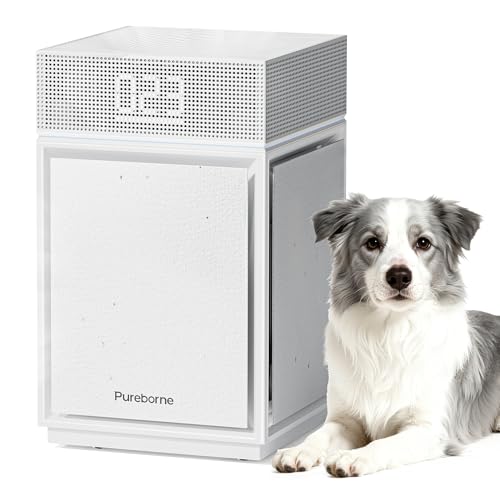
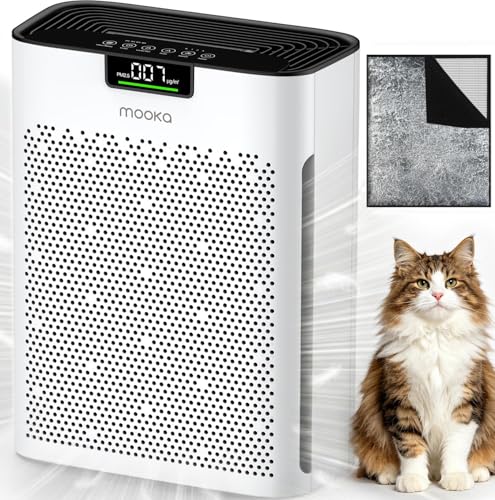
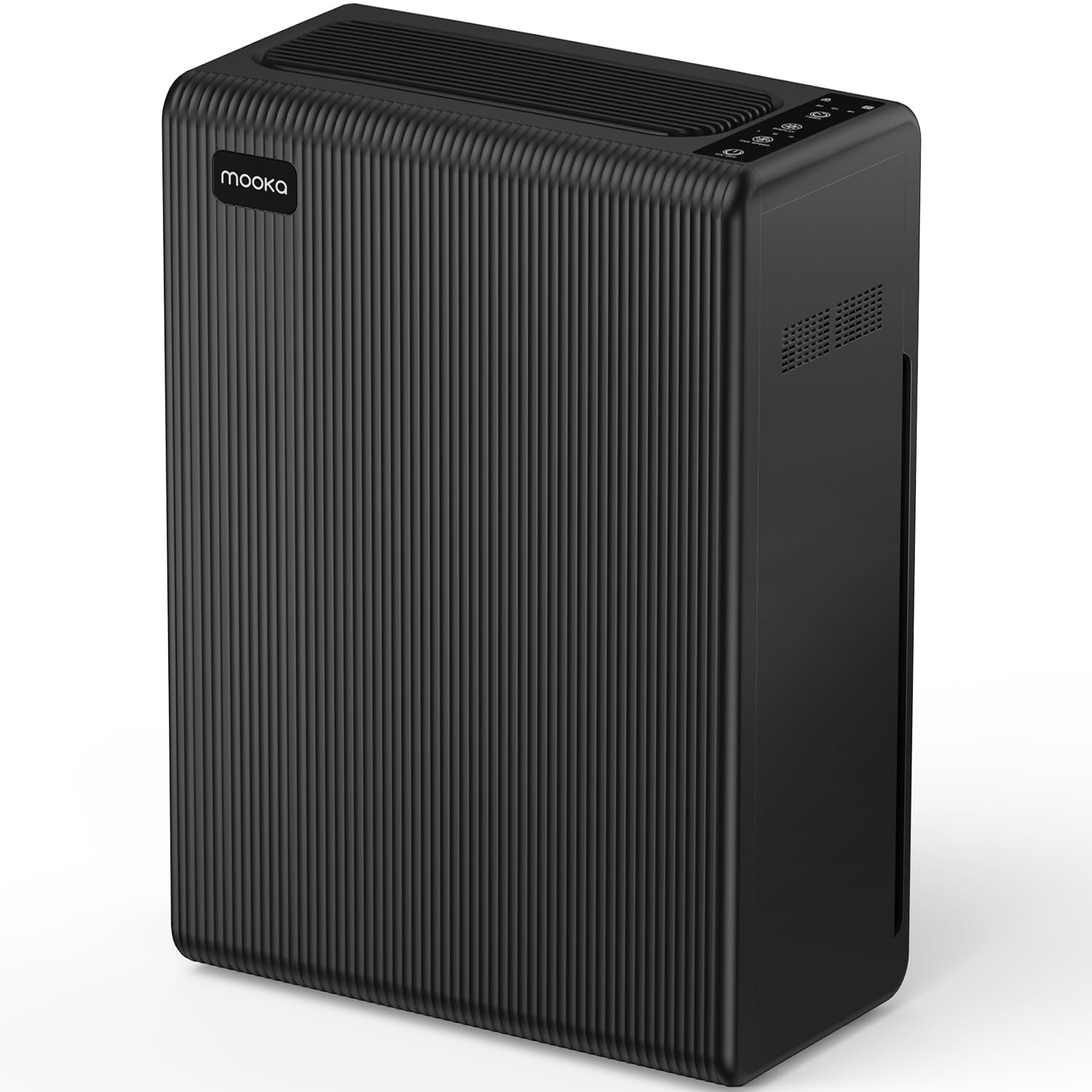
Wildfire smoke is a heavy particle load, so sizing and filter life matter more here than for everyday dust. Use the comparison table below to compare smoke CADR and coverage, then read on for plain explanations of each spec and the setup habits that keep one room in your home clearly cleaner during a smoke event.






Air Purifiers 101: The Basics
An air purifier pulls indoor air through filters with a fan, traps particles in those filters, and returns cleaner air to the room. During a wildfire event, the main target is fine smoke particles, often called PM2.5, which are small enough to irritate eyes, throat, and lungs. A purifier cannot clean the whole outdoors or stop smoke at your walls, but in a closed room it can lower particle levels a great deal compared with an unfiltered room.
The system works by repetition. Each pass removes a share of particles, so many passes per hour in a sealed room add up to much cleaner air. That is why run time and room match matter more than a single impressive sounding filter name. Keep exterior doors and windows shut during heavy smoke, limit trips outside, and let the purifier work on a finite volume of indoor air.
Most suitable units pair a True HEPA filter for particles with activated carbon for the sharp smell of smoke. Carbon will not remove particles, and HEPA will not remove odor gases, so the pair covers both complaints people have during fire season. A washable or vacuumable prefilter catches larger ash and dust first and helps the main filter last longer under heavy load.
Key Specs Explained in Plain English
Features That Matter for Wildfires
For wildfires, look for a smoke CADR rating, not only dust or pollen ratings. Smoke CADR is usually the lowest of the three numbers and it reflects the fine particles you care about most. True HEPA filtration is essential, and extra carbon helps with the lingering campfire smell that settles indoors. A sealed housing keeps smoky air from bypassing the filter. During a long smoke event, filter capacity matters too, because a small filter can load up in weeks of heavy smoke rather than lasting a full season.
Room Size and Coverage
Pick one room to protect first, often the bedroom, and size the purifier for that room with generous headroom. Measure square feet, then look for a unit whose smoke CADR can deliver about four to five air changes per hour in that space. Headroom is not waste here. It lets you reach that cleaning rate on a medium speed you can sleep beside, instead of a loud top speed. If you later want a second clean room, add a second unit rather than expecting one machine to clean a whole house through open doorways.
Installation and Placement
Setup is simple, but placement and room sealing decide your results. Put the unit on the floor in your chosen clean room, with clearance around the intake and outlet, away from the door if smoke leaks under it. Seal obvious gaps around the door with a towel if needed during the worst days. Keep doors and windows closed while running the unit, and avoid running kitchen exhaust fans or bathroom fans for long periods, because they pull outdoor air in through cracks elsewhere in the home.
Noise Level and Sleep Mode
You will run this unit for many hours, including overnight, so noise deserves real attention. Check decibel levels on medium as well as on sleep mode, because sleep mode alone may clean too slowly during heavy smoke. A workable pattern is a higher speed in the evening to bring levels down, then a medium or sleep speed overnight. Place the unit several feet from the bed, and test the sound during your return window so you are not stuck with a unit your household refuses to run.
Safety Features
Choose a unit with UL or ETL listing and AHAM verification when available, so safety and CADR claims have independent backing. Tip over shutoff and overheat protection are useful in homes with pets that may bump the unit. Avoid ozone generating features entirely, because ozone irritates lungs that are already stressed by smoke. Keep cords out of walkways during a smoky, low light evening, and never run a purifier near standing water or in a damp bathroom unless the manual allows it.
Energy Efficiency and Operating Cost
During fire season a purifier may run around the clock for weeks, so watt use on medium matters. ENERGY STAR models deliver more clean air per watt, which keeps a long event from surprising you on the power bill. The larger cost is often a HEPA filter loaded early by heavy smoke, so check replacement price and keep a spare on hand before fire season starts. A spare in the closet means you never have to choose between a clogged filter and days of waiting for delivery during a regional smoke event.
How to Choose the Best Air Purifiers for Wildfires
Decide your clean room and your budget for filters first. Those two choices narrow the field more honestly than any feature list. If anyone in the home has asthma, heart or lung conditions, is pregnant, is very young, or is older, talk with their clinician about personal precautions during smoke events, watch for warning signs such as breathing difficulty, chest pain, confusion, or worsening cough, and seek medical care promptly if those appear. A purifier supports a safer room, but it does not replace medical guidance or evacuation orders from local officials.
Compare models on smoke CADR, carbon amount, and filter cost as a set. For more detail on smoke specific models, see our guide to the best air purifiers wildfire smoke shoppers compare. For everyday home use beyond fire season, our guide to the best home air purifiers shows which of these same units serve well all year. A unit you buy for wildfires should still earn its place in winter for dust and in spring for pollen.
Rookie Mistakes to Avoid
- Sizing for the whole house with one unit. One purifier cleans one closed room well. Start with the bedroom and add units room by room if needed.
- Looking only at dust CADR. Smoke particles are finer and harder to clean. Use the smoke CADR number for your sizing decision.
- Opening windows for fresh air during heavy smoke. Outdoor air during an event is the problem, not the solution. Keep the clean room sealed.
- Waiting until smoke arrives to buy filters. Stock sells out during regional events. Keep a spare HEPA and carbon set at home.
- Running only an hour a day. Smoke seeps in constantly. Steady running holds levels down, while short bursts let them climb again.
Getting Started: Setup and First Use
Before fire season, unbox the unit, remove all filter wrapping, and do a test run so you know the controls and sound levels in advance. During an event, close the clean room, seal the door gap if smoke is heavy, and run a high speed for the first hour. Then settle to the fastest speed your household can tolerate for long periods. Replace or clean filters on schedule, and check the prefilter weekly during heavy smoke because ash loads it quickly.
Keep doors and windows closed while running the unit, and limit indoor smoke sources such as candles, incense, and frying at high heat, which add particles the purifier must then remove. If you want background on related devices, our guide to the best air cleaners and purifiers explains the wider category. Store your spare filters in a dry indoor spot, sealed in their packaging, so they are ready the day smoke arrives rather than the week after.
Air Purifiers: Your Questions Answered
What features matter most in air purifiers for wildfires?
Smoke CADR, True HEPA filtration, and generous carbon for odor matter most. Together they set how fast fine smoke particles fall in a closed room and how much of the sharp smell remains. Capacity for your chosen room, with headroom to run below top speed, turns those features into real results. A spare filter set at home is the quiet fourth feature that protects you during a long event.
How often should I replace the filter?
Replace filters on the manual schedule in normal times, and sooner after heavy smoke exposure. Weeks of dense smoke can load a HEPA filter far faster than everyday dust. Signs include weaker air flow, louder fan effort, and a return of smoke smell. Check the prefilter often during an event and clean it as directed, because a clogged prefilter starves the main filter of air.
Do air purifiers really work?
Yes, in a closed and reasonably sealed room, a well sized purifier lowers fine particle levels substantially compared with no purifier. It works by repeated passes through a HEPA filter, so run time and room size decide the size of the effect. It cannot make outdoor air safe or clean an entire open house from one corner. Treat it as a clean room tool and it performs that job well.
Is it expensive to run 24/7?
Electricity for steady running is usually modest, even across several weeks of fire season, especially on medium with an ENERGY STAR model. Filter wear is the larger cost during heavy smoke, because loaded filters need earlier replacement. Budget for one extra filter set per season if your area sees regular wildfire smoke, and the total cost stays predictable rather than urgent.
What size do I need for my room?
You need a unit whose smoke CADR supports about four to five air changes per hour in your chosen room. Measure the room in square feet, pick the bedroom or main living room as your clean room, and choose capacity above the minimum. Extra capacity buys quieter operation at the same cleaning rate, which is the difference between a unit people tolerate all night and one they switch off.
Where is the best place to put it?
Place it on the floor inside your clean room, with open space around the intake and outlet. Keep it away from the door where smoke leaks in, and a few feet from the bed or main seating. Do not hide it behind furniture or curtains. The best spot is simply the open spot in the room where people actually breathe for the most hours each day.
Wrapping Up
Protect one room well rather than every room poorly. Choose smoke CADR with headroom, True HEPA plus real carbon, and a sound level your household can live with overnight, and keep spare filters ready before the season starts. Use the product table above to compare those essentials side by side. With that preparation, best air purifiers for wildfires stop being a panic purchase and become a calm part of how your home handles smoke season.