Best Air Purifiers That Kill Viruses: Everything to Know Before Your First Purchase for 2026
Disclosure: We may earn a commission when you buy through links on this page, at no extra cost to you. As an Amazon Associate I earn from qualifying purchases. Learn more
Shopping for the best air purifiers that kill viruses for the first time? Learn the terms, compare options, and avoid rookie mistakes with this easy guide.
Buying your first purifier for virus concerns can feel confusing, because labels use words like kill, capture, and inactivate as if they mean the same thing. They do not, and that difference matters. This guide explains best air purifiers that kill viruses in plain language, starting with what these machines can and cannot do.
We will cover room size, CADR, filters, noise, and running costs, then walk through setup and the mistakes new buyers make most often. By the end, you can use the comparison table below with confidence and choose a size and filter type that fit your room, your budget, and your health needs.

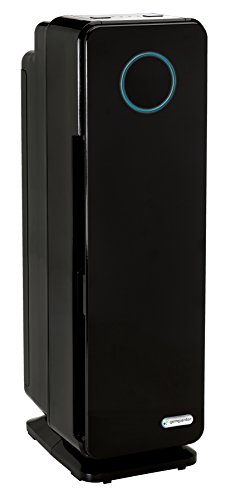
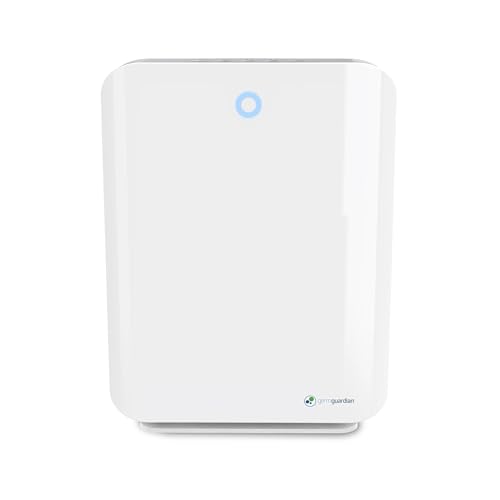
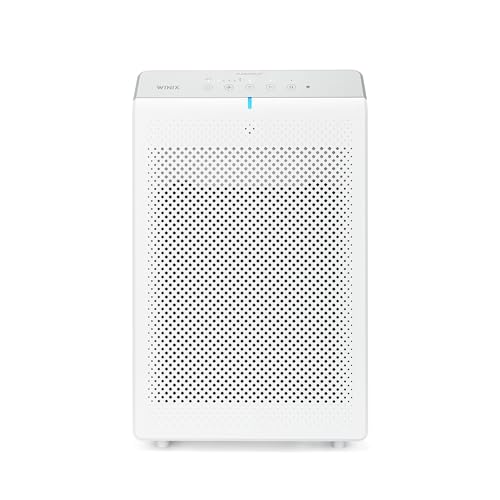


Air Purifiers That Kill Viruses 101: The Basics
Most home purifiers do not blast viruses out of the air with a single pass. A fan pulls room air through a filter, and a True HEPA filter traps very small particles, including many virus sized particles and the larger droplets and dust that carry them. Makers sometimes describe this capture as killing or inactivating germs, but capture in the filter is the part that is well established for home units.
Some models add ultraviolet light inside the unit or other technologies meant to damage germs after capture. Those extras can help, but the filter and the airflow do most of the work in a typical home unit. A purifier also only treats air that reaches it, so it lowers the amount of particles floating in a room rather than making the room sterile.
That limit matters for health decisions. A purifier is a support tool alongside ventilation, cleaning, and staying home when you are sick, not a replacement for medical care. If you or a family member has ongoing breathing trouble, frequent infections, a weakened immune system, or symptoms such as fever that will not settle, chest pain, or trouble breathing, talk with a doctor promptly instead of relying on a machine.
If you are comparing categories before you narrow down, our guide to the best home air purifiers explains how general home models differ from units built for one small room. That background makes the virus focused terms below much easier to judge.
Key Specs Explained in Plain English
Room Size and Coverage
Coverage tells you the largest room, in square feet, that a unit can clean well on a higher speed. For virus concerns, look for a model rated for your room at about 4 to 5 air changes per hour, often shortened to ACH. That pace means the full volume of room air passes through the filter four or five times each hour. A living room of about 300 square feet needs a stronger unit than a bedroom of about 120 square feet, even if both boxes look similar. Buying a little above your room size lets you run a quieter speed and still keep up.
Safety Features
Look for a recognized safety listing such as UL or ETL on the label, which means the electrical design passed independent checks. AHAM verification is also useful, because it confirms the published CADR and room size claims for smoke, dust, and pollen. If a model uses ultraviolet light, the lamp should sit fully inside the housing so your eyes never see it directly. Avoid units that promise strong ozone output, since ozone can irritate lungs. A child lock, a stable base, and automatic shutoff if the unit tips or the cover opens all add everyday safety.
Smart Controls and Sensors
A built in air quality sensor watches particle levels and can raise or lower fan speed on its own in auto mode. That helps during cooking, cleaning, or visits from guests, when particle counts climb fast. App control and schedules are convenient for running the unit harder before you come home and softer overnight. Treat the sensor readout as a guide rather than a medical measurement, since home sensors estimate particles and cannot tell a virus from a speck of dust. Simple controls you will actually use beat a long feature list you ignore.
Performance Ratings (CADR, BTU, Pints/Day, CFM)
CADR, or clean air delivery rate, is the main number for purifiers. Higher CADR means more filtered air delivered each minute, and the smoke CADR is usually the closest guide for fine particles. CFM describes raw airflow and matters less on its own, because air that bypasses the filter is not cleaned. BTU and pints per day belong to air conditioners and dehumidifiers, not purifiers, so ignore them here even if a shopping site lists every spec together. For most rooms, match CADR to room size first, then compare noise and filter cost.
Noise Level (dB) and Sleep Mode
Noise is measured in decibels, and small differences feel bigger at night than the numbers suggest. Many units run at about 25 to 35 decibels on sleep mode, close to a quiet whisper, and climb to about 50 to 60 decibels on turbo. Sleep mode usually dims display lights as well, which helps in a bedroom. Check the CADR at the quiet speed, not only at turbo, because a unit that only cleans well when loud will spend its life turned down or off. If you are a light sleeper, plan to size up so a lower speed still does the job.
Rookie Mistakes to Avoid
- Believing kill claims at face value. Capture in a HEPA filter is the proven part for home units, so weigh filter quality and CADR more than bold marketing words about destroying germs.
- Buying for the wrong room size. A small desktop unit cannot keep up in a large living room, no matter how good its filter is, and it will run loud while falling behind.
- Ignoring replacement filter cost. A low purchase price can hide filters that cost a lot each year, so check the yearly cost before you buy, especially if you plan to run the unit all day.
- Choosing ozone generating extras. Features that release ozone into the room can irritate airways, which works against the goal of cleaner, easier breathing at home.
- Expecting protection on its own. A purifier does not stop close contact spread, so keep using normal illness habits such as hand washing, ventilation, and rest when someone is sick.
Shoppers who want a deeper look at filtration itself can read our guide to the best air purifiers hepa for how HEPA grades and seals affect what a filter actually traps. A tight seal around the filter matters as much as the filter paper, because unfiltered air loves a shortcut.
Getting Started: Setup and First Use
Start by removing every piece of plastic packaging, including the bag that often wraps the filter inside the unit. Missing that bag is the most common reason a new purifier seems to do nothing. Place the unit on a flat floor or sturdy surface with several inches of clear space around the intake and outlet, away from curtains that can block airflow.
Run the unit on a higher speed for the first hour to clear dust from unpacking and moving furniture, then switch to auto or a medium speed for daily use. Keep doors and windows closed while it runs in a room where someone is ill, since open windows can pull in more particles than the unit can remove. Replace or clean filters on schedule, and vacuum the washable prefilter about once a month if your model has one.
One practical habit helps a lot: keep a spare filter on hand if someone in the home gets sick often. Swapping a loaded filter mid illness is faster than waiting for a delivery, and a fresh filter restores airflow that a clogged one quietly steals. Note the install date on the filter frame with a pen so the timing stays honest.
If cost is your main concern while you learn the basics, our guide to the best inexpensive air purifiers covers what budget models usually keep and what they usually cut. In most cases the cuts are coverage and noise, not basic filtration.
Air Purifiers That Kill Viruses: Your Questions Answered
How often should I replace the filter?
Most HEPA filters last about 6 to 12 months of regular use before they need replacing. Homes with pets, smokers, or long daily run times sit at the short end of that range. A filter change light helps, but reduced airflow and a musty smell are also signs the filter is loaded. Prefilters you can wash or vacuum extend the main filter life, so clean them monthly rather than waiting for the light.
What size do I need for my room?
Measure the room length and width, multiply them for square feet, and choose a unit rated for at least that area at 4 to 5 air changes per hour. For a bedroom of about 150 square feet, a mid size unit is usually plenty. For open plan spaces, either buy one large unit for the seating area or use two smaller units at opposite ends. Oversizing slightly is smart, because it lets you clean well on a quieter speed.
Where is the best place to put it?
Put the purifier in the room where people spend the most time, close to where they sit or sleep, but not tight against a wall or under furniture. Air needs a clear path into the intake and out of the outlet. In a sick room, place it near the person who is ill without blowing air directly from them toward other people. Keep it away from humidifiers, since heavy moisture near the intake can load the filter faster.
Is it expensive to run 24/7?
No, most home purifiers use about as much power as a small LED bulb array or a laptop charger, often about 30 to 60 watts on medium speeds. Running all day typically costs only a modest amount each month, and ENERGY STAR certified models use less for the same cleaning output. Turbo speed raises the cost, which is another reason to size the unit well. The bigger ongoing cost is filters, not electricity, so budget for both from the start.
Do air purifiers that kill viruses really work?
They work in a limited and specific way: a good HEPA unit removes a large share of airborne particles, including many that carry viruses, from air that passes through it. That lowers the overall particle load in a closed room over time. It cannot disinfect surfaces, protect you at close range, or guarantee you will not get sick. Think of it as one layer among several, most useful in bedrooms, home offices, and shared rooms with poor ventilation.
The Bottom Line
For a first purchase, focus on three things: a True HEPA filter in a well sealed housing, CADR and coverage matched to your room at 4 to 5 air changes per hour, and noise low enough that you will leave the unit running. Safety listings, sane filter costs, and simple controls matter more than dramatic germ killing claims. Readers comparing close topics may also find our guide to the best air purifiers for viruses and bacteria useful for the bacteria side of the same questions.
When you are ready, look back at the product table above and match each option against those three checks. The right best air purifiers that kill viruses choice is the one sized for your room that you will run every day, and if you have personal health concerns, talk with your clinician about how a purifier fits your needs.