Best Air Purifiers for Viruses and Bacteria: Everything to Know Before Your First Purchase for 2026
Disclosure: We may earn a commission when you buy through links on this page, at no extra cost to you. As an Amazon Associate I earn from qualifying purchases. Learn more

Learn how to choose the best air purifiers for viruses and bacteria with clear guidance on HEPA filtration, room size, noise, and upkeep costs.
If you have never bought an air purifier before, the labels alone can feel like a second language. This guide explains each term in plain words and shows you how to match a unit to your room and routine. When you shop for best air purifiers for viruses and bacteria, the goal is steady particle capture, not flashy extras, and that starts with the right filter and enough air flow for your space.
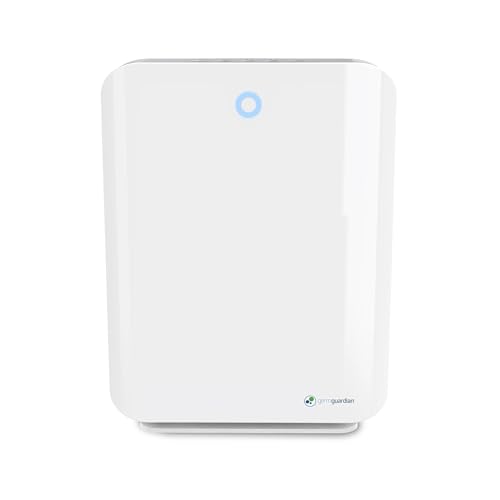
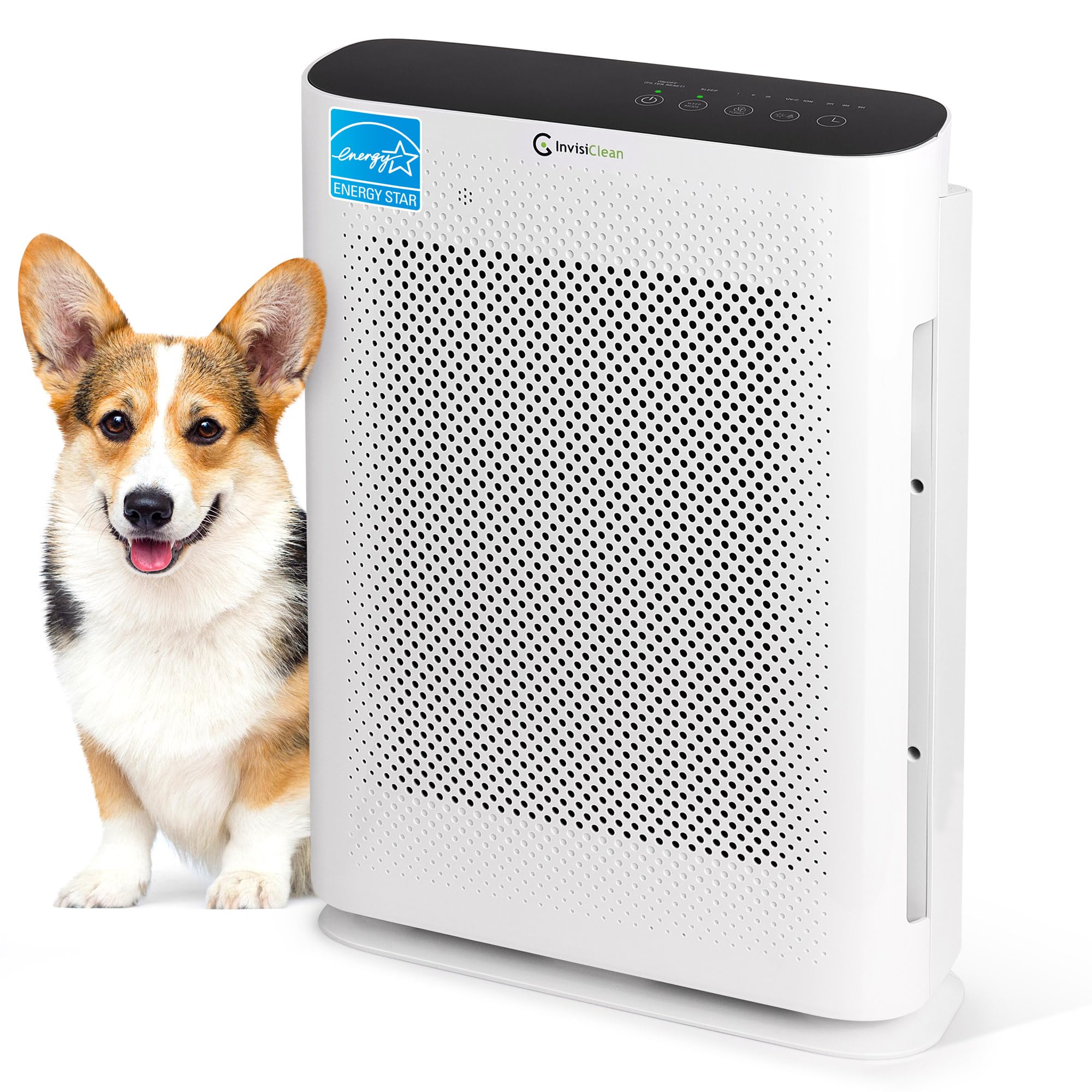
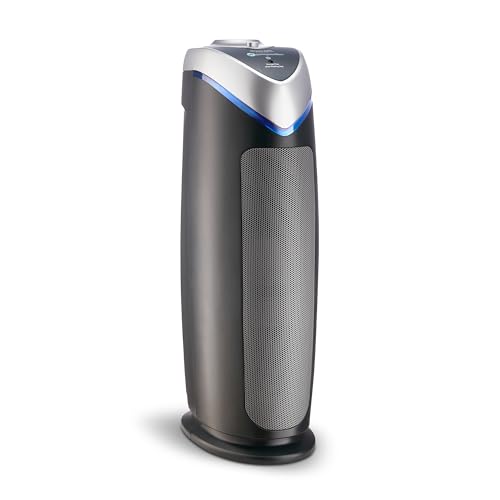
You will learn how coverage, CADR, and filter type work together, and where buyers often waste money. Use the comparison table below to compare coverage and filter details, then read on to understand which numbers deserve your attention and which ones you can safely ignore for a first purchase.




Air Purifiers 101: The Basics
An air purifier uses a fan to pull indoor air through filters that trap particles, then returns cleaner air to the room. It cycles the same room air again and again, so particle levels fall gradually when the unit is sized well and runs long enough. It does not add oxygen, cool the room, or replace ventilation from an open window or a building system.
Viruses and bacteria differ in size and behavior, but both often move through air on droplets and tiny particles. A strong particle filter can capture many of those carriers as they pass through. That capture lowers what is floating in the room, though it cannot clean surfaces or promise that a room is sterile. Wiping surfaces, washing hands, and good ventilation still matter alongside filtration.
Most models combine a prefilter for large dust, a main HEPA filter for fine particles, and a carbon filter for odors and gases. Some add extra stages, but more stages do not always mean better cleaning. What matters is the quality of the main filter, a sealed housing, and a fan strong enough to move room air through that filter at a comfortable noise level.
Key Specs Explained in Plain English
Features That Matter for Viruses and Bacteria
True HEPA filtration is the core feature to look for. It is designed to trap very small particles, including many droplets that carry viruses and bacteria through the air. Look for clear True HEPA wording and a sealed system so air cannot slip around the filter edges. Some units add ultraviolet light or other extras, but those should never replace a proven particle filter. Your first priority is a filter and fan combination that can cycle all the air in your room several times each hour.
Room Size and Coverage
Coverage tells you the largest room, in square feet, that a unit is meant to handle. Measure your room and compare honestly, because an undersized unit will struggle even on its highest speed. CADR, or Clean Air Delivery Rate, shows how much clean air the unit delivers, and higher CADR cleans faster. For rooms where people spend long hours, aim for about four to five air changes per hour. Choosing a unit rated a bit above your room size lets you run it quieter while still cleaning effectively.
Installation and Placement
Most purifiers need no installation beyond unpacking, removing filter wrapping, and plugging in. Placement does the real work. Put the unit on a flat floor with space around the intake and outlet, away from walls and heavy curtains. Keep it in the room where people sit or sleep, not in a hallway where its clean air spreads thin. Keep doors and windows closed while running it during high particle periods, so the unit is not fighting a constant flow of new outdoor particles.
Smart Controls and Sensors
A smart sensor measures airborne particles and adjusts fan speed when you choose auto mode. That can help when cooking or cleaning suddenly raises particle levels. App controls, voice control, and schedules add convenience for starting the unit before you arrive home. These tools are helpful, but they sit on top of the basics. A clear display, a simple timer, and a filter change reminder often serve first time buyers just as well, and they usually cost less to buy and maintain.
Noise Level and Sleep Mode
Noise is measured in decibels, and the number that matters most is the sound on the speed you will use for hours. Sleep mode lowers both fan sound and display light, which helps in a bedroom. A smart routine is to run a stronger speed while you are out of the room, then switch to a quiet speed when you return. Keep the unit a short distance from where you sit or sleep, because a few feet of space can make the same fan sound much less noticeable.
How to Choose the Best Air Purifiers for Viruses and Bacteria
Begin by naming the room and the reason. A bedroom for a light sleeper needs quiet operation and a modest footprint, while a shared living room needs higher CADR and stronger odor control. If someone in the home is often ill or has a weakened immune system, talk with their clinician about personal needs and treat the purifier as one support tool, not a medical solution. Seek medical advice promptly for fever, breathing trouble, or worsening symptoms rather than relying on a device.
Then compare total cost, not just the sticker price. Add the cost of filters for two years to the purchase price for each model you consider. Check how easy filters are to find and whether third party sellers stock them reliably. If you are also comparing general filtration models, our guide to the best air purifiers hepa shoppers consider explains HEPA grades in more depth. For broader home coverage ideas, see our guide to the best home air purifiers as well.
People who mainly want the best air purifiers for viruses in a single bedroom can often choose a smaller unit and spend the savings on timely filter changes. That trade often beats buying a large unit and then delaying filter replacement because of cost. Steady maintenance keeps cleaning performance close to what the box promised on day one.
Rookie Mistakes to Avoid
- Chasing extra stages over core filtration. A long list of stages means little if the main filter is weak or the housing leaks air around it.
- Ignoring room size. A unit rated for a small office cannot clean a large living room well, no matter how long it runs.
- Leaving filter wrapping on. New filters ship wrapped in plastic. Remove every wrap before first use or the fan will move almost no clean air.
- Skipping filter changes. A loaded filter slows air flow and lowers cleaning. Follow the schedule and set a calendar reminder.
- Expecting surface cleaning. A purifier cleans air that passes through it. It does not disinfect counters, bedding, or hands.
Getting Started: Setup and First Use
Unpack the unit, open it as the manual shows, and remove all wrapping from each filter. Put filters back in the exact order shown, close the panel firmly, and place the unit with clearance on all sides. Plug it in, run a high speed for the first hour in a closed room, and then choose auto or a steady medium speed for daily use.
Replace or clean filters on schedule, and vacuum the prefilter gently if the maker allows it. Keep doors and windows closed while running the unit when you want the fastest drop in particles. Wipe dust from the intake grille and the sensor area with a dry cloth. If you are comparing combined devices, our guide to the best air cleaners and purifiers can help you sort out naming. Shoppers on a tight budget can also look at our guide to the best inexpensive air purifiers for cost saving ideas that still respect the basics.
Air Purifiers: Your Questions Answered
What features matter most in air purifiers for viruses and bacteria?
True HEPA filtration, a sealed housing, and CADR matched to your room matter most. Together they decide how much particle laden air gets cleaned each hour. Extra features such as app control are secondary. Also check filter availability before you buy, because a strong unit with hard to find filters will lose performance when replacement time arrives and you delay the change.
What size do I need for my room?
You need coverage at or above your room size in square feet, plus some headroom if possible. Headroom lets you clean at the target rate on a quieter speed. Measure length times width, then check CADR and the maker rating together. For open layouts, base your choice on the whole connected area, not just the seating corner, or results will feel weak.
Where is the best place to put it?
The best place is on the floor in the occupied room, with open space around the intake and outlet. Keep it clear of corners, curtains, and large furniture. In a bedroom, place it a few feet from the bed. In a living room, place it near where people sit most, but not tucked behind a sofa where air flow gets trapped.
How often should I replace the filter?
Follow the manual, which for many homes means a main filter change every six to twelve months. Dusty homes, pets, and heavy use can shorten that window. A change light helps, but calendar reminders are more reliable. A clogged filter reduces air flow, raises noise for the same cleaning, and can leave odors lingering longer than they should.
Is it expensive to run 24/7?
No, running around the clock on low or auto is usually modest in electricity cost. Most units draw far less power on low than on their highest speed. Filter replacement is typically the larger yearly expense. An ENERGY STAR model with reasonably priced filters keeps long term cost predictable, which matters more than a small difference in purchase price.
Do air purifiers really work?
Yes, they lower airborne particle levels in a closed room when sized and run correctly. They capture particles on a filter rather than covering smells with fragrance. They do not sterilize surfaces or guarantee protection from illness, and they work best alongside ventilation and cleaning. Run one steadily in the room you occupy and you should see dust build more slowly on nearby surfaces.
Final Thoughts
Keep your decision simple. Choose True HEPA filtration, match CADR to your room with a little headroom, and confirm that filter costs fit your budget for the next two years. Use the product table above to compare those basics side by side before you look at smart extras. With that approach, choosing best air purifiers for viruses and bacteria becomes a calm, practical decision, and the best air purifiers for viruses are simply the ones you will run and maintain every day.