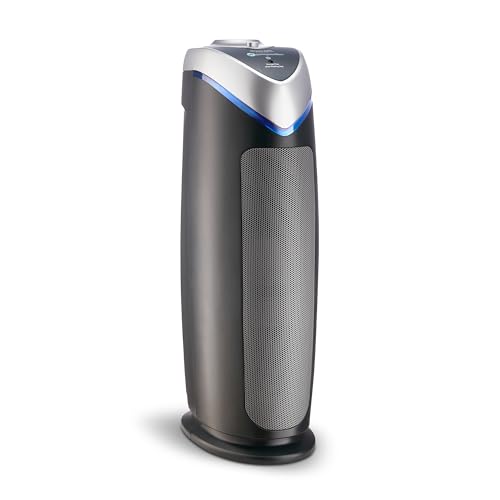
Best Air Purifiers Hepa Filters Made Simple: A Clear Buying Guide for 2026
Disclosure: We may earn a commission when you buy through links on this page, at no extra cost to you. As an Amazon Associate I earn from qualifying purchases. Learn more
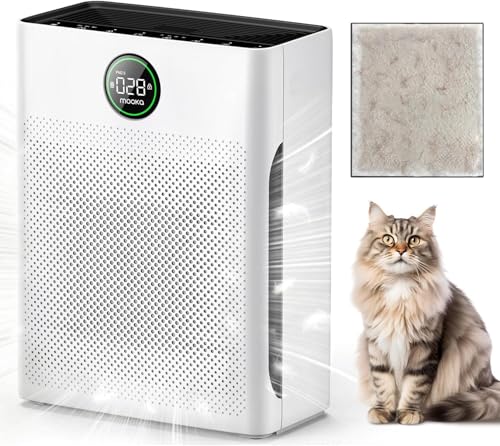
New to the best air purifiers hepa filters? This plain English guide explains True HEPA, CADR, sizing, noise, and filter costs before you buy one.
Buying your first purifier can feel confusing because listings throw around terms like CADR, ACH, and True HEPA without explaining them. If you are shopping for the best air purifiers hepa filters for the first time, this guide walks you from the basics to a confident choice, one plain idea at a time. You do not need technical knowledge to get this right.
By the end you will know what size you need, what the filter labels really mean, and which extras you can skip. Use the comparison table below as your shortlist while you read.


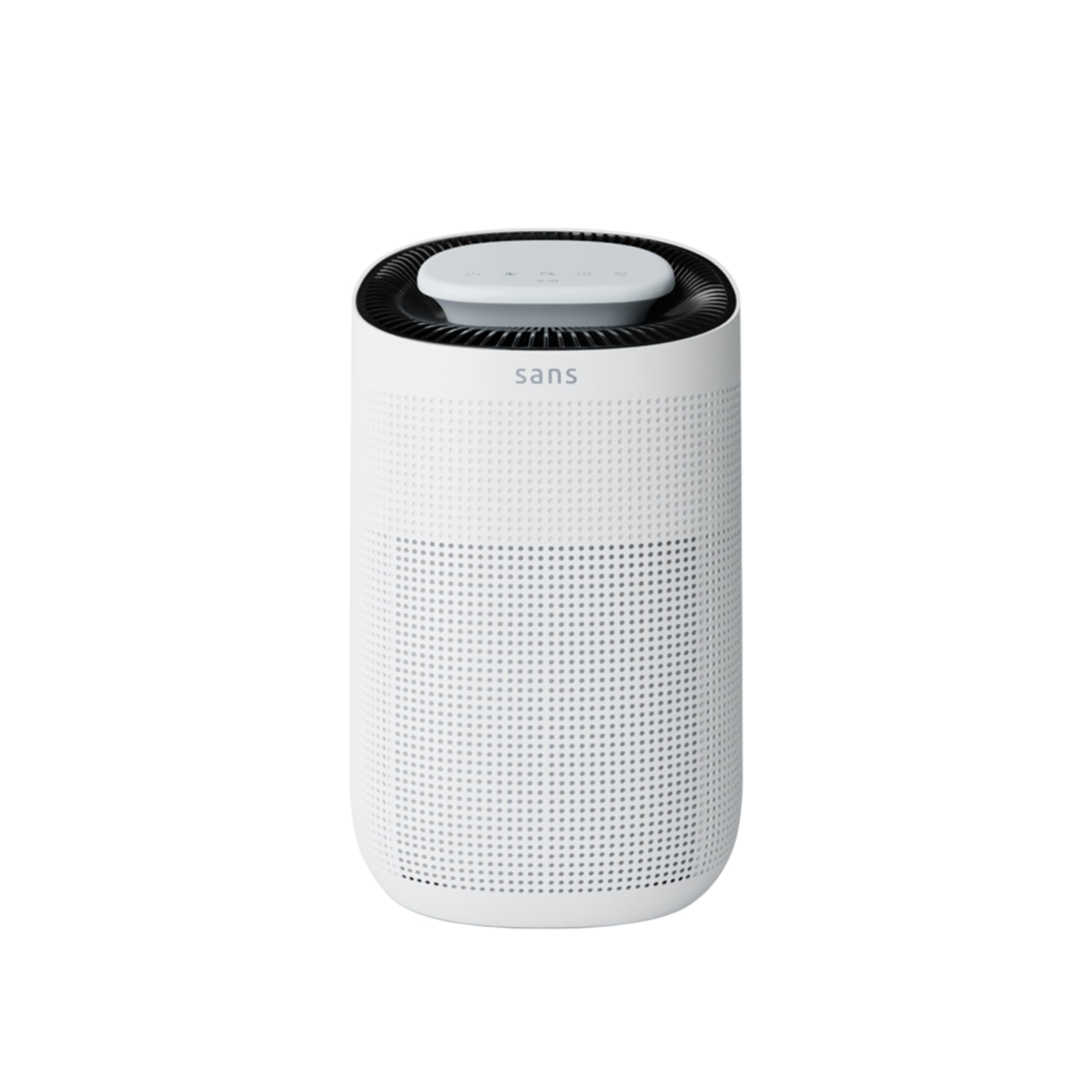
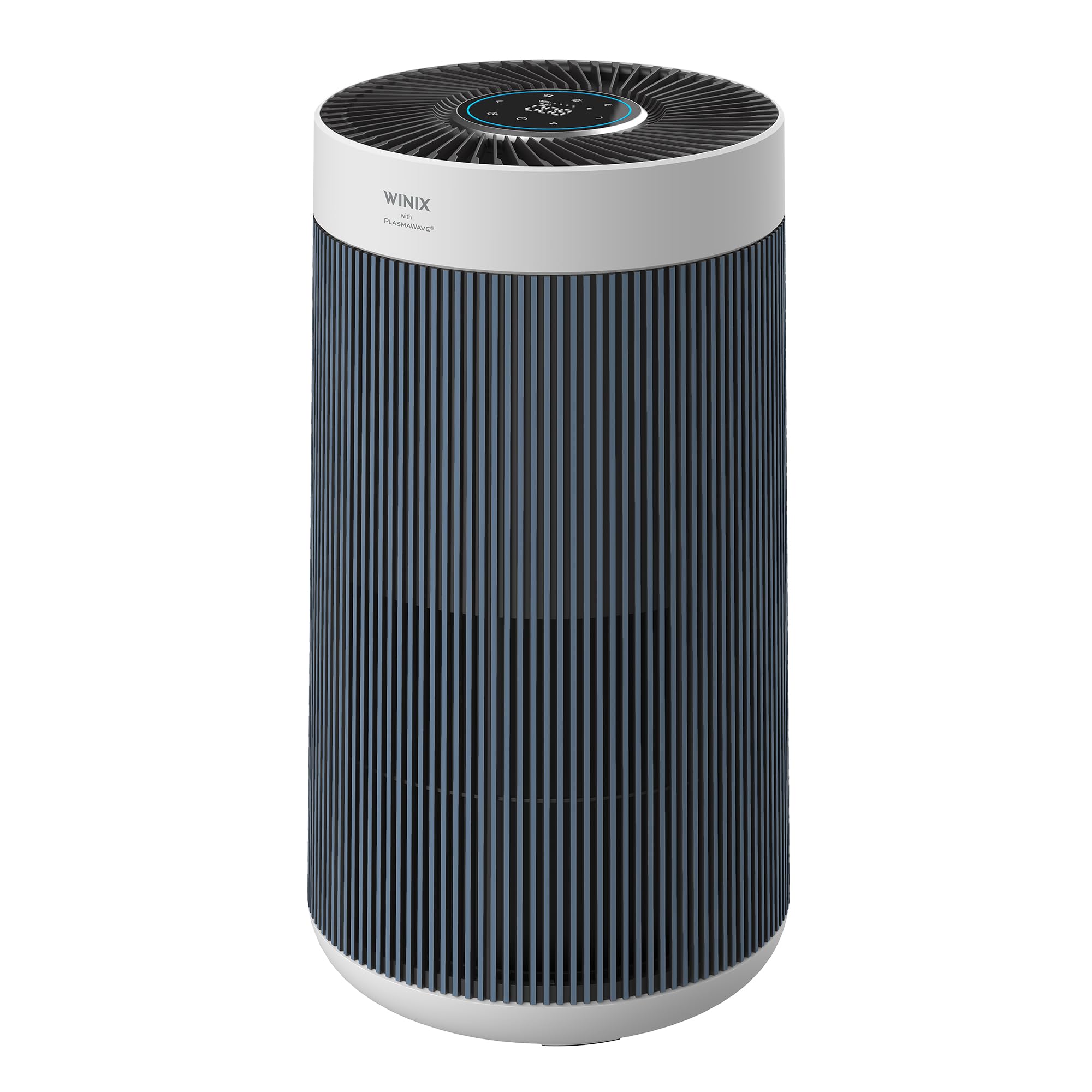
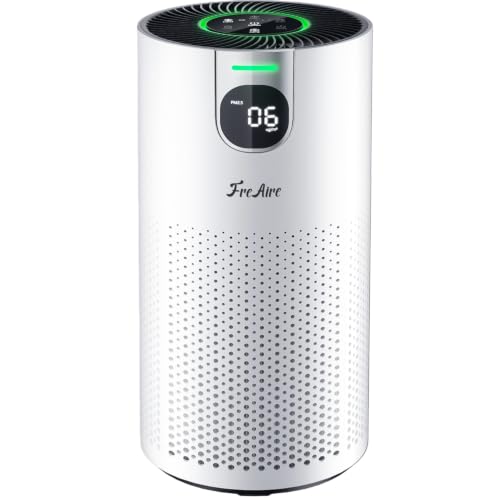


Air Purifiers Hepa Filters 101: The Basics
An air purifier is a fan that pulls room air through filters and pushes cleaner air back out. The HEPA filter is the heart of it. HEPA stands for high efficiency particulate air, and a True HEPA filter captures at least 99.97 percent of particles as small as 0.3 microns, which includes most pollen, dust, pet dander, and mold spores. Air that bypasses the filter is not cleaned, so a sealed filter frame matters as much as the filter itself.
Most units stack filters in order. A prefilter catches hair and large dust, the HEPA layer catches fine particles, and an activated carbon layer reduces odors and some gases. The fan speed decides how much air passes through each hour, which is why a strong filter in a weak fan still cleans slowly. For a broader look at styles, see our guide to the best air cleaners and purifiers.
Key Specs Explained in Plain English
Every spec below answers one simple question about how the unit will behave in your room. Learn these six and you can read any product page with confidence.
Room Size and Coverage
Room size tells you the largest space the unit can clean well, usually stated in square feet. Measure your room first by multiplying length by width. Then choose a unit rated for at least that size, and ideally a bit more, so it can run on a quieter middle speed. Coverage claims assume a certain number of air changes per hour, so a rating based on two changes is weaker than the same number based on four or five. Bigger coverage than you need is fine, smaller is not.
Filter Type and Replacement Cost
True HEPA is the label to insist on, because terms like HEPA type or HEPA style can mean far lower capture rates. Carbon filters help with cooking smells, pets, and smoke odor, but they do not replace HEPA for particles. Before you buy, price the replacement filter set and note how often it changes, usually every six to twelve months. A low priced unit with costly short lived filters can cost more in two years than a mid priced unit with longer lasting ones.
Installation and Placement
Purifiers need no installation beyond plugging in, but placement decides how well they work. Set the unit on a flat floor spot with space around the intake, often at the sides or back, and keep it away from curtains that can block airflow. Most work best a few feet from the wall and near the main source of dust or dander, such as a pet bed or a busy doorway. There are no window kits or exhaust hoses to fit, unlike some other air appliances.
Noise Level and Sleep Mode
Noise is rated in decibels, written as dB, and lower is quieter. Around 25 to 35 dB is whisper level and suits bedrooms, while 50 dB and up can compete with conversation or television. Sleep mode usually runs the fan at its slowest and dims or turns off display lights. Check the noise at the speed that gives you the cleaning rate you need, because the headline quiet figure is almost always the slowest and weakest setting.
Performance Ratings
CADR, the clean air delivery rate, is the number that matters most. It shows how much filtered air the unit delivers for tobacco smoke, dust, and pollen, and a higher CADR means faster cleaning. Match the smoke CADR to your room using AHAM guidance, which suggests CADR of at least two thirds of the room area in square feet. You may see BTU, pints per day, or CFM on other appliance pages, but for purifiers CADR and coverage tell the real story.
Safety Features
Look for UL or ETL listing, which means an independent lab checked the electrical safety of the unit. AHAM verification means the CADR claim was checked too. If you have children or pets, a stable base, a grille that small fingers cannot pass, and a lock for the controls are worth having. Avoid units that produce ozone as part of cleaning, and check that the filter change process does not expose sharp fan parts.
Rookie Mistakes to Avoid
- Buying by room size alone. A unit rated for your square footage at only one or two air changes per hour will clean slowly, so check the CADR behind the claim.
- Falling for HEPA style wording. Only True HEPA guarantees the capture rate you are paying for.
- Ignoring filter cost. Price a year of filters before you buy, not after the indicator light comes on.
- Placing it in a corner behind furniture. Blocked airflow can cut real performance even in a strong unit.
- Expecting it to clean the whole home. A purifier cleans the room it sits in with the door mostly closed, so plan one unit per key room.
If your main need is a single sleeping or living space, our guide to the best room air purifiers with hepa filters walks through room by room sizing in more depth.
Getting Started: Setup and First Use
Unbox the unit and remove all plastic wrapping from the filters inside, which is the step new owners most often miss. A purifier run with a wrapped filter cleans nothing and can strain the fan. Slot the filters back in order, close the panel until it clicks, and place the unit in its spot. Run it on a higher speed for the first hour to clear the room, then settle to auto or medium. Keep doors and windows closed while it runs, and note the filter change date on your phone calendar.
During the first week, try the unit in the spot where you spend the most time before moving it around. You will quickly learn which speed you can live with during sleep and work. For whole home planning after your first unit, see our guide to the best home air purifiers.
Frequently Asked Questions
Where is the best place to put it?
Place it on the floor in the room you use most, with clear space around the intake and away from walls and curtains. Near the source of the problem, such as a litter box area or a dusty entry, usually beats a far corner. Keep it out of direct reach of stove heat or steamy bathroom air, which can load the filter faster.
How often should I replace the filter?
Most HEPA filters last about six to twelve months of regular use, and carbon filters often need changing sooner if odors return. Vacuum the prefilter monthly to protect the main filter. If breathing the room air feels dustier or the unit sounds strained, inspect the filter even if the indicator has not lit yet.
Is it expensive to run 24/7?
No, running a typical purifier all day is usually cheap, since most draw about 30 to 60 watts on common speeds. That often works out to only a few dollars a month in electricity, and ENERGY STAR models sit at the low end. Filter changes cost more over a year than power does, so budget for filters first.
Do air purifiers hepa filters really work?
Yes, a True HEPA purifier measurably reduces airborne particles in the room where it runs, which is why hospitals and labs rely on the same filter standard. It will not remove dust already settled on surfaces or gases that carbon cannot absorb. Size it correctly and keep up with filters, and the difference in dust buildup and air freshness is easy to notice.
What size do I need for my room?
Measure the room in square feet, then pick a unit whose smoke CADR covers that area with room to spare. As a simple rule from AHAM, aim for a smoke CADR of at least two thirds of the square footage figure. A 200 square foot bedroom, for example, wants a CADR around 135 or higher. When in doubt, size up so you can use a quieter speed. Related options are covered in our guide to the best air purifiers hepa.
Wrapping Up
For your first purchase, focus on three things: True HEPA filtration, a CADR that truly fits your room, and filter costs you are happy to pay each year. Everything else is a bonus. Compare your shortlist in the product table above, and the best air purifiers hepa filters choice for your home will usually be the mid sized unit you can run quietly all day.