Best Air Purifiers Covid by Budget: Smart Picks for 2026
Disclosure: We may earn a commission when you buy through links on this page, at no extra cost to you. As an Amazon Associate I earn from qualifying purchases. Learn more

Compare the best air purifiers covid at every price point. Learn what you get at budget, mid range, and premium levels and where spending more pays off.
Prices for purifiers bought with virus concerns in mind run from pocket money to several hundred dollars, and the gap is not always obvious from product photos. This guide sorts the best air purifiers covid options by budget, explaining what each price tier should honestly deliver. You will see where extra money buys real cleaning power and where it only buys decoration.
One point matters before any budget talk. A purifier can reduce airborne particles indoors, but it cannot prevent illness, and it does not replace ventilation, staying home when sick, or medical care. Treat it as one layer of a broader plan, and talk with your clinician about personal risk and needs.


Choosing by Budget: What Each Tier Should Offer
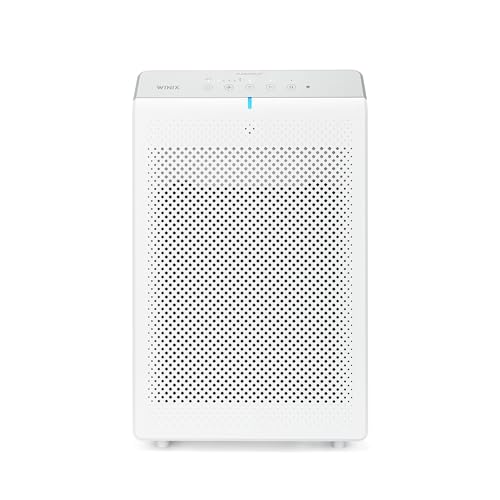
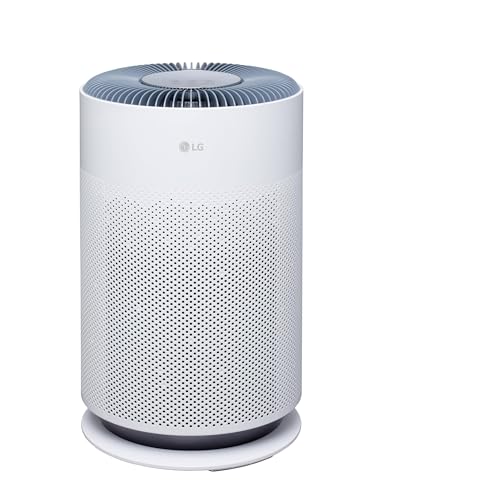
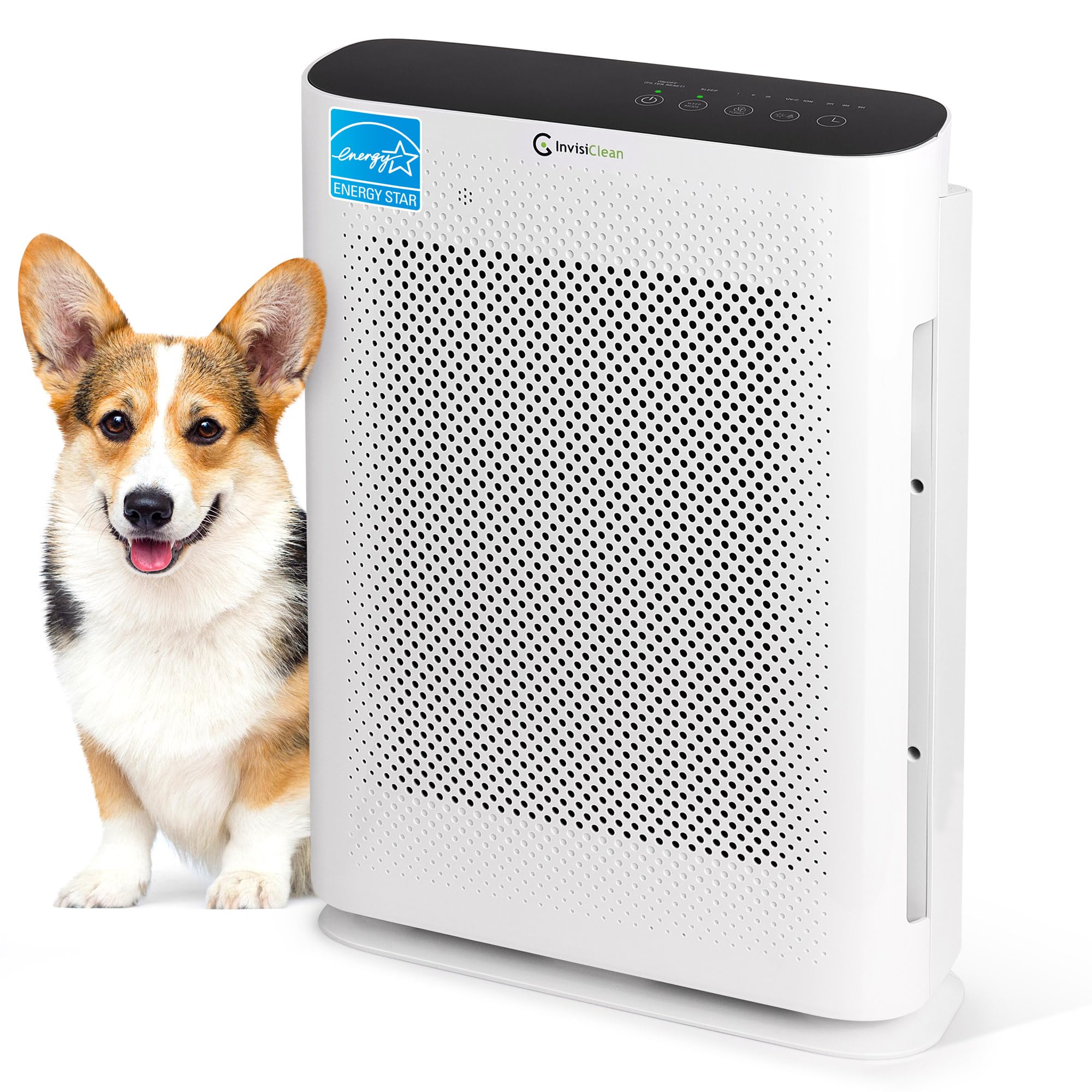
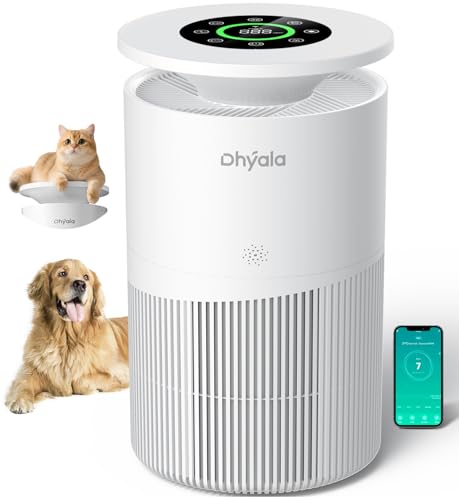
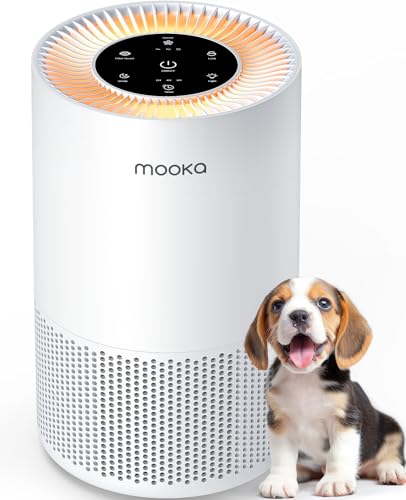
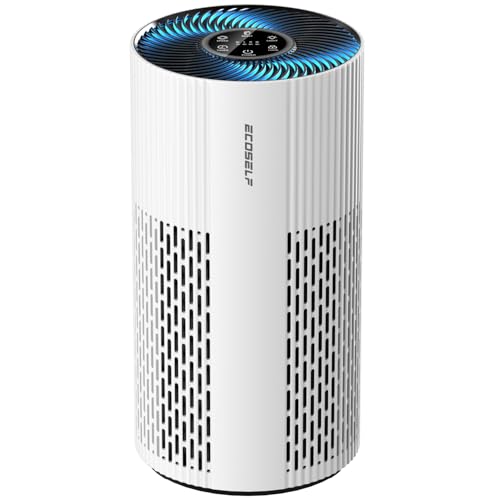
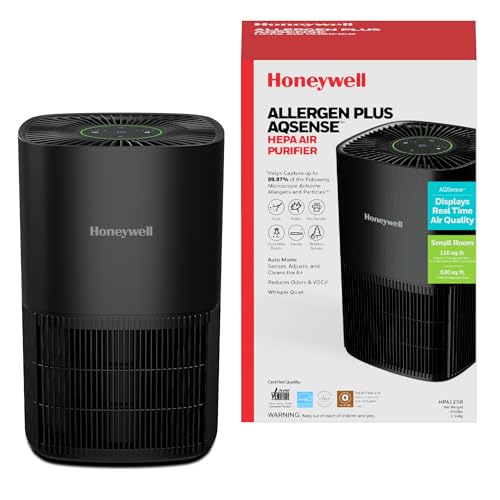
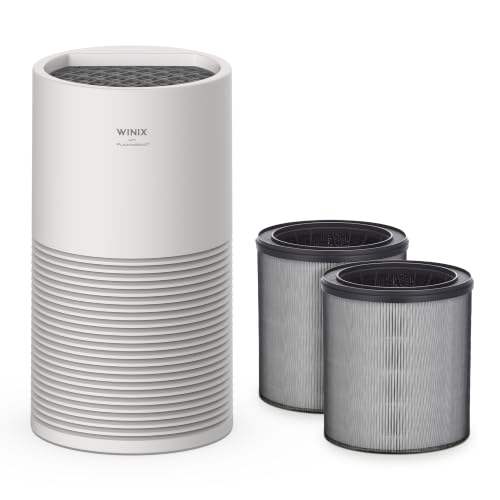
Instead of naming specific models, use these tier checklists to judge any unit in the product table above. A good budget unit is not a weak unit; it is a simple one with the right filter and enough airflow for a small room. A good premium unit earns its price with verified power, quiet operation, and features you will use daily.
Budget Tier Checklist
At the budget tier, around $50 to $100, expect a compact unit for one small room, a True HEPA filter, and two or three manual speeds. Skip any budget model that substitutes vague filter language for True HEPA, since the filter is the whole point at this price. Noise on high will be noticeable, so plan to run low or medium most of the time. This tier suits a single bedroom, a dorm, or a small home office where one person wants cleaner air nearby.
Mid Range Tier Checklist
In the mid range, around $100 to $250, expect coverage for a large bedroom or living room, an air quality sensor with auto mode, and a carbon layer for odors. CADR figures should be stated clearly and, ideally, verified by AHAM. Filter life often stretches longer at this tier because the filters are physically larger. For most households, this is the tier where daily convenience and real cleaning power meet at a fair price.
Premium Tier Checklist
Above around $250, expect high CADR for open plan spaces, very quiet low speeds, detailed particle readouts, and sturdy build quality. Premium money should also buy longer filter life and strong warranty support, not only a sleeker shell. App control and voice control appear here, and they are pleasant but secondary. Choose this tier for large rooms, busy family spaces, or a household where someone has significant respiratory concerns and a clinician has advised extra air cleaning.
What Your Money Gets You at Each Price Tier
Budget Tier: What to Expect
Budget units clean a small, defined space and ask little in return beyond filter changes. You give up sensors, app features, and quiet turbo power, and the cabinet may feel light. What you should never give up is a True HEPA filter and a stated CADR that matches your room. Add the cost of yearly filters before judging value, since small filters can need changing twice as often as larger ones. For a single sleeper or student, that trade is often perfectly sensible.
Midrange Tier: The Sweet Spot for Most Buyers
Midrange units add the features that change daily life: auto mode that reacts to cooking or a visiting pet, a sleep mode quiet enough for light sleepers, and coverage that handles the rooms you live in most. Operating costs stay modest, and filters are widely stocked because these models sell in volume. If one purchase must serve a bedroom now and a living room later, this tier offers the flexibility to do both. It is also the easiest tier for finding replacement filters years later.
Premium Tier: When Spending More Pays Off
Spending more pays off when your space is large, your ceilings are high, or you need strong cleaning at a whisper for a bedroom shared with a sensitive sleeper. Premium units move more air per hour at lower noise, which is a genuine engineering gain rather than a styling one. Larger filters can also lower the yearly filter bill enough to narrow the price gap over time. If your rooms are small and your needs are simple, though, premium power is capacity you will never call on.
Features Worth Paying For (and Ones to Skip)
Room Size and Coverage
Coverage is the first feature worth paying for, because an undersized unit cannot catch up no matter how advanced its extras are. Look for CADR at least two thirds of your room area in square feet, and aim for about four to five air changes per hour in rooms where people spend long stretches. Paying for the next size up usually buys quieter operation too, since the unit can loaf on a lower speed. This matters in shared spaces such as classrooms and offices; for those settings, see our guide to the best office air purifiers for covid.
Filter Type and Replacement Cost
True HEPA filtration is worth paying for at every tier, because it captures the fine particles that carry many airborne irritants. A carbon layer is worth a modest premium if odors or traffic fumes bother you, but it does not add particle protection. Ionizers and other add on technologies are the ones to skip or switch off, since some can produce ozone, which irritates lungs. Always confirm the yearly filter cost, and favor units whose filters are sold by several retailers.
Energy Efficiency and Operating Cost
A purifier bought for health reasons will run many hours a day, so watt use quietly shapes its true cost. ENERGY STAR models meet efficiency guidance and are a sensible default when two units otherwise tie. Auto mode also saves power by slowing the fan when sensors read clean air. Even a premium unit on auto usually costs only a few dollars a month to run, far less than heating or cooling the same room.
Performance Ratings (CADR, BTU, Pints/Day, CFM)
For this category, CADR is the rating that counts, and higher CADR means faster particle removal in a given room. CFM describes airflow and helps explain fan strength, while BTU and pints per day belong to air conditioners and dehumidifiers, not purifiers. Be wary of listings that headline a huge room size without a CADR figure to back it up. AHAM verified ratings are the most trustworthy shortcut when you compare across brands.
Long Term Costs to Factor In
Add up filters, power, and likely replacement parts over two to three years, not just the first purchase. A mid range unit with a yearly filter around $50 can cost less to own than a budget unit needing two filters a year at a similar combined price. Warranty length also has value, since fan motors are the part most likely to fail with constant use.
Factor in your time as well. Units with clear filter reminders and filters that swap in seconds are easier to keep on schedule, and a purifier only protects while its filter is fresh. If you need a unit you can move between rooms as needs change, our guide to the best portable air purifiers for covid focuses on that use. Households planning one fixed unit per room can compare layouts in our guide to the best room air purifiers for covid.
Air Purifiers Covid: Your Questions Answered
Do air purifiers for covid concerns really work?
They reduce airborne particles in the room while the unit runs with its doors closed. That reduction is not elimination, and no purifier can promise you will not get sick. Ventilation with fresh air, staying home when ill, and following your clinician guidance remain essential. Think of the purifier as support for those steps, never as a substitute for them.
How often should I replace the filter?
Follow the maker schedule, usually six to twelve months for a HEPA filter, and shorten it if the unit runs all day in a busy home. A filter loaded with particles cleans more slowly and can strain the fan. Some units estimate filter life from run hours, which is more accurate than a calendar reminder. Keep a spare on hand during winter illness season so a change never waits on shipping.
Where is the best place to put it?
Put it in the room where people gather or sleep, with open space around the intake and outlet. In a shared living room, a central spot cleans the shared air fastest, while in a bedroom a few feet from the bed serves the sleeper best. Keep it off thick carpet if the intake sits underneath, since blocked intake air cuts performance sharply. Do not hide it behind curtains or furniture to save appearances.
Is it expensive to run 24/7?
No, constant running is usually affordable, and steady operation is actually how these units help most. A typical unit on auto draws modest power, often costing a few dollars a month depending on your rate. Turbo mode all day would cost more and add noise without proportional benefit once air is clean. Let auto mode manage speed and the bill stays small.
What size do I need for my room?
Choose by CADR first: at least two thirds of the room area in square feet, and more for rooms where someone is ill or at higher risk. A sick room or a nursery benefits from the higher air change rate a larger unit provides on a quiet setting. Measure connected open spaces as one room. For filter focused shoppers, our guide to the best hepa air purifiers for covid goes deeper on grades and sizing.
Final Thoughts
Budget decides features, but sizing and True HEPA filtration decide results, so fund those two first at any tier. Mid range units fit most homes, budget units serve single small rooms well, and premium units earn their cost in large or sensitive settings. Compare your finalists in the product table above with the tier checklists before you buy.
The best air purifiers covid purchase is the one you will run daily with a fresh filter and realistic expectations. If anyone in your home has asthma, immune concerns, or ongoing breathing problems, talk with their clinician about personal needs before relying on any device. For general background on cleaning machines, our guide to the best air cleaners and purifiers is a useful next read.