Best Air Purifiers For Your Home 2026
Disclosure: We may earn a commission when you buy through links on this page, at no extra cost to you. As an Amazon Associate I earn from qualifying purchases. Learn more
A plain guide to choosing a home air purifier, covering room coverage, filter types, noise, energy use and the yearly cost of replacement filters.
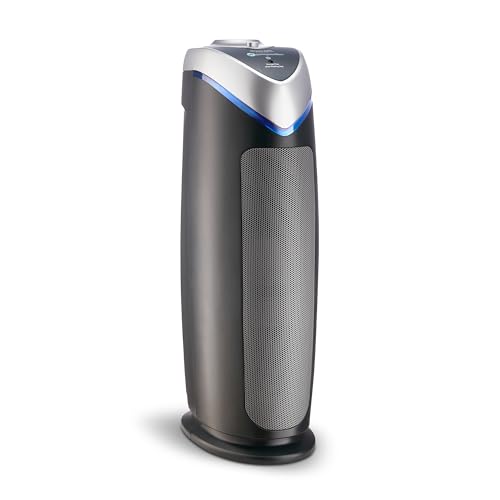
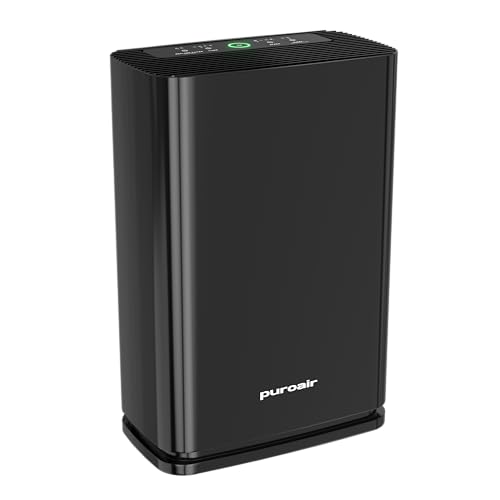
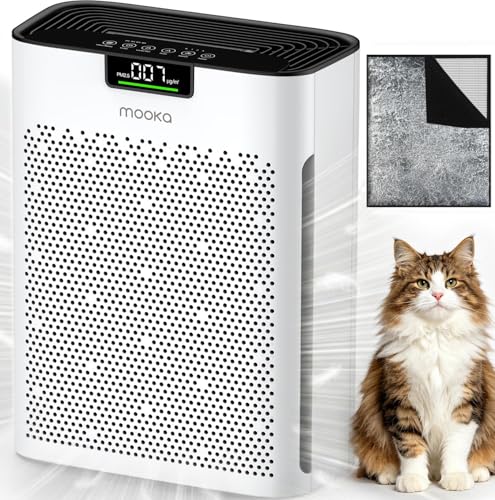
The best air purifiers for your home is a broad search, because homes differ in size, dust sources and health needs. The right unit depends on which rooms you use most, whether anyone has allergies, and how much noise you can live with. The comparison table below sets out the main types so you can narrow the choice fast.
Think of a purifier as part of a cleaning routine rather than a cure for dusty air. It works best when windows, cooking smoke, pet dander and pollen are understood as separate sources. This guide explains coverage, filters, running costs and placement in plain terms.






Who Should Buy the Best Air Purifiers for Your Home
Allergy sufferers, pet owners and people living near busy roads tend to notice the biggest difference. Dust, pollen and fine particles enter through windows and doors, and a purifier reduces what stays floating in the air. Homes with smokers or frequent cooking also benefit from carbon filtration for odour.
If your home already feels fresh and dust free, a purifier may add little value. Small rooms with good ventilation need only a compact unit, while open plan living areas need a stronger model. Consider one unit for the bedroom first, since you spend many hours there each night.
Types of Home Purifiers Compared
Portable room units are the most common choice, moving easily between rooms and covering one space at a time. Tower models suit larger living areas with higher airflow. Whole home systems connect to ductwork and clean every room, but they cost more and need professional fitting. Desktop units help only a small personal zone.
Filter based models trap particles in replaceable media, while ionisers charge particles so they settle on surfaces. For most homes a filter model is easier to judge, because you can see and replace what it catches. Avoid ozone generators for everyday home use, since ozone irritates airways.
Key Features to Compare
Coverage rating tells you the room size a unit handles at a useful fan speed, so match it to your largest room. Clean air delivery rate shows how fast it cleans, and higher numbers suit dusty or pet heavy rooms. Noise at sleep speed matters more than top speed, because a unit you switch off at night helps no one.
Check filter stages: a prefilter for large dust, true HEPA for fine particles, and carbon for odour. Energy use varies, so look at wattage at typical speed rather than maximum. A filter indicator, a simple control panel and a washable prefilter all make daily life easier.
Sizing, Placement and Noise
Measure each room you plan to clean and choose a unit rated for that size or slightly larger. Place it with clear space around the intake, away from curtains and tall furniture. In bedrooms, put it near the bed but not so close that fan noise disturbs sleep.
Run the unit on a medium setting during the day and a quiet setting at night. Keep doors open if you want one unit to serve two rooms, but expect slower results. During pollen season or after cooking, a short burst at high speed clears the air faster.
Room by Room Guidance
Bedrooms come first for most households. A quiet sleep mode, a dimmable display and a clean air delivery rate matched to the room size matter most, and the unit works best with the door closed. Living rooms and open plan areas need more airflow, so look at tower models or units rated for larger spaces and consider placing them near the main seating area.
Kitchens are a different case. Cooking releases grease, smoke and odor, so a carbon layer and a washable prefilter help, but keep the unit away from the stove and use the extractor fan as well. Home offices and kids rooms suit compact units, provided cords are tidy and out of reach. In homes with pets, choose a washable prefilter for hair and a carbon layer for odor.
If you cannot cover every room, start with the one where you spend the most hours, and move to a second unit only after you have lived with the first for a few weeks.
Running Costs and Filter Care
Add up filter replacements, electricity and any prefilter parts over two years before comparing prices. A low priced unit with expensive filters can cost more than a mid priced unit with cheaper replacements. Note filter install dates and replace on schedule, not only when the air smells stale.
Vacuum the prefilter regularly and wipe the housing so dust does not build up around the intake. Used filters should go straight into a bag to avoid shaking trapped dust loose. Keep a spare filter at home during allergy season so a worn filter never forces a gap in use.
Common Mistakes to Avoid
Choosing a unit far too small for an open plan room is the most frequent mistake. Blocking the intake with furniture or curtains is another, and it wastes the power you paid for. Relying on a purifier while ignoring dust sources, such as unwashed bedding or a dusty carpet, limits results.
Do not judge a purifier by top speed noise alone, since most homes use medium or sleep settings. Avoid models that hide filter costs or use vague terms like HEPA style without stating true HEPA performance. Read the manual for filter life, because marketing claims often assume light use.
Related Guides Worth Reading
To size a unit for a single living area, see best home air purifiers for coverage guidance. For a general comparison of technologies, best air cleaners and purifiers is a useful next read. Whole house options are covered in best whole home air purifiers, and best hepa air purifiers for home explains HEPA filtration specifically. Pet owners may also check best air purifiers for homes with pets.
Frequently Asked Questions
What size purifier do I need for my living room?
Choose a unit rated for your room size or slightly larger, measured in square feet or square metres as the maker states. A unit rated for a smaller room will need to run at full speed all day and still clean slowly. If your living area is open plan, measure the whole open space rather than one seating zone.
Are HEPA filters necessary for a general home?
True HEPA filters capture very fine dust, pollen and dander that cheaper filters miss, so they suit allergy prone homes best. Homes without allergies can still benefit, but a good quality standard filter may be enough for visible dust. The key is honest labelling, so look for true HEPA rather than vague HEPA style claims.
How much electricity does a purifier use?
Most room units use about as much power as a light bulb at medium speed, though high speed settings use more. Check the wattage at the speed you will actually use, not only the maximum figure. Running a unit all day at low speed usually costs less than short bursts at full power.
Can one purifier clean my whole house?
A single portable unit cleans one room well and nearby rooms slowly if doors stay open. Whole house cleaning needs a ducted system or several portable units placed in the main rooms. Start with the bedroom and living room, since those are where you spend the most time.
How often should filters be replaced?
Most main filters last six to twelve months in normal use, while carbon stages may need changing sooner in smoky or pet heavy homes. Follow the manual and watch for weaker airflow or returning odour as signs. Write the install date on the filter so its age is easy to check.
Final Thoughts
Match the unit to your room size, insist on clear filter labelling, and count two years of filter costs before you buy. A quiet unit that runs every day will do more for your home than a powerful one that stays switched off. The product table above gives a fast comparison, and your measurements will narrow it further.
For best air purifiers for your home, the right size and honest filter costs matter more than headline power.